Arts and Intellectual Life in Modern America – serie
Visar alla böcker i serien Arts and Intellectual Life in Modern America. Handla med fri frakt och snabb leverans.
10 produkter
10 produkter
324 kr
Skickas inom 10-15 vardagar
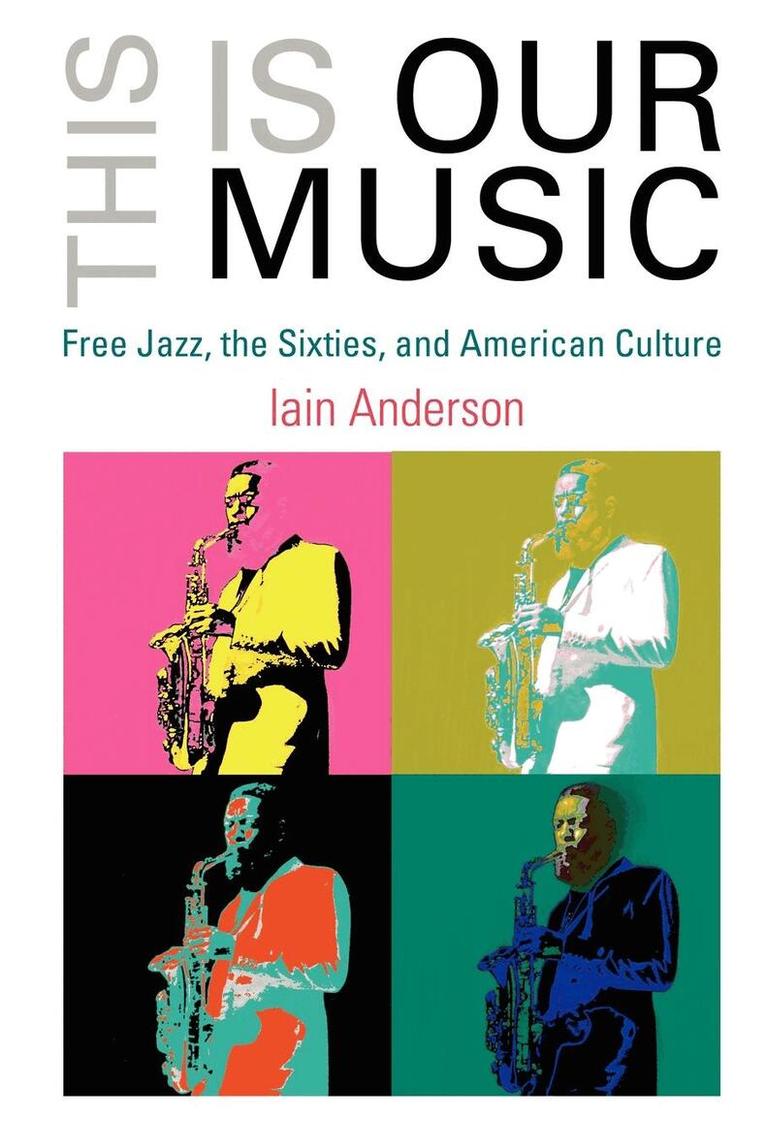
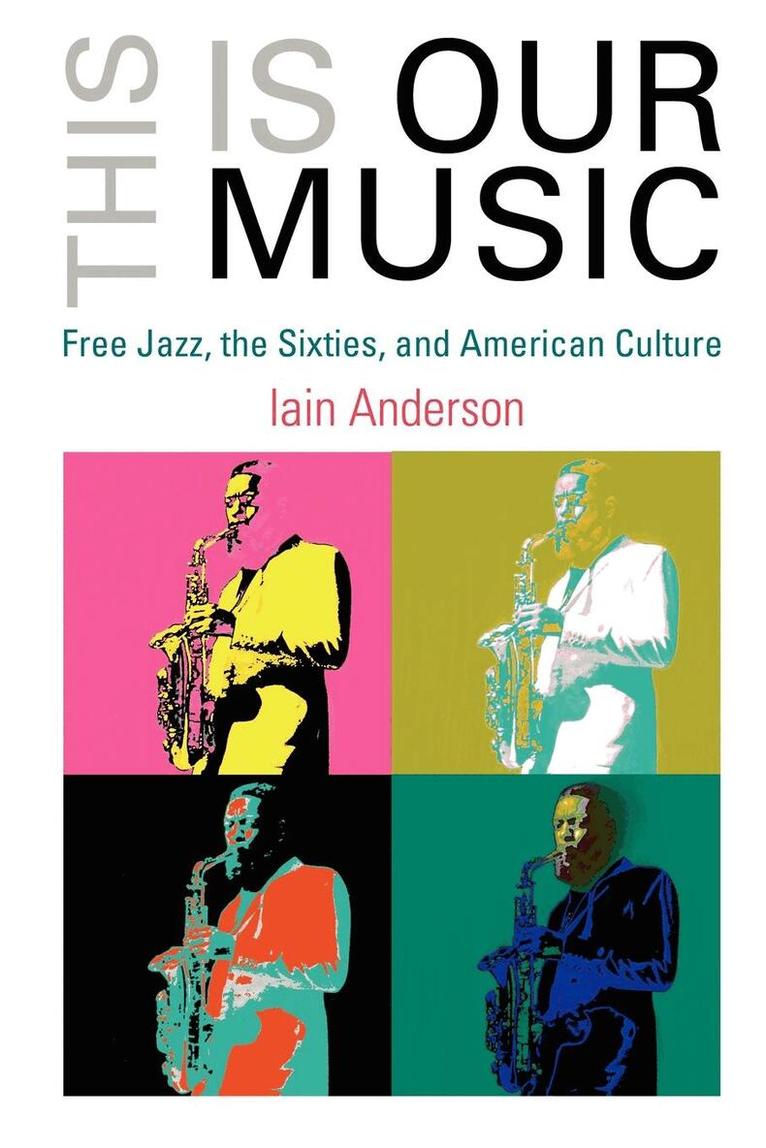
This Is Our Music, declared saxophonist Ornette Coleman's 1960 album title. But whose music was it? At various times during the 1950s and 1960s, musicians, critics, fans, politicians, and entrepreneurs claimed jazz as a national art form, an Afrocentric race music, an extension of modernist innovation in other genres, a music of mass consciousness, and the preserve of a cultural elite. This original and provocative book explores who makes decisions about the value of a cultural form and on what basis, taking as its example the impact of 1960s free improvisation on the changing status of jazz. By examining the production, presentation, and reception of experimental music by Ornette Coleman, Cecil Taylor, John Coltrane, and others, Iain Anderson traces the strange, unexpected, and at times deeply ironic intersections between free jazz, avant-garde artistic movements, Sixties politics, and patronage networks. Anderson emphasizes free improvisation's enormous impact on jazz music's institutional standing, despite ongoing resistance from some of its biggest beneficiaries. He concludes that attempts by African American artists and intellectuals to define a place for themselves in American life, structural changes in the music industry, and the rise of nonprofit sponsorship portended a significant transformation of established cultural standards. At the same time, free improvisation's growing prestige depended in part upon traditional highbrow criteria: increasingly esoteric styles, changing venues and audience behavior, European sanction, withdrawal from the marketplace, and the professionalization of criticism. Thus jazz music's performers and supporters-and potentially those in other arts-have both challenged and accommodated themselves to an ongoing process of cultural stratification.
324 kr
Skickas inom 10-15 vardagar
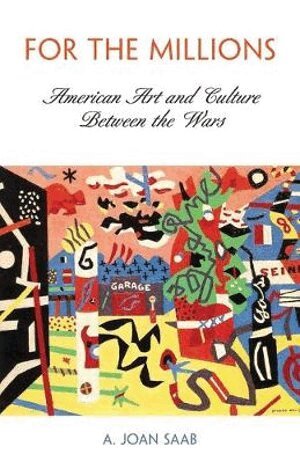
Looking behind the scenes at the personalities and policies of such venerable institutions as the Federal Arts Project and the Museum of Modern Art, A. Joan Saab discerns a broad-based democratic modernism inspired by and engaged with the social life of the period.In the summer of 1935 President Franklin Delano Roosevelt established the Federal Arts Project under the aegis of the Works Progress Administration. The project's goal was, in the words of its director Holger Cahill, to "get people all over the United States interested in art as an everyday part of living and working." In addition to this endeavor, the project would also provide work for artists who, as a project press release stated, "had been hit just as hard by unemployment as any other producing worker." Meanwhile, as director of the newly opened Museum of Modern Art, Alfred Barr was instituting his philosophy of "democracy in design" through a series of ambitious exhibits that focused on informed consumption in the marketplace.The idea of treating the artist as a "producing worker" and art as an "everyday part of living and working" was a novel one in 1935 and illustrated a broad shift in the social roles of both. Prior to the 1930s, art in America had resided principally in the domain of the cultural elite. The upheaval of the Depression era, however, challenged this authority. Throughout the decade, government officials, museum professionals, educators, and artists worked together to determine not only what role artists would play in society but also what forms democratic art would take and how widely it would be disseminated, thus fundamentally redefining the relationship between art and society. This egalitarian artistic movement of the 1930s stands as a significant moment in the ongoing dialogue over the relationship of art and public life that continues today.
324 kr
Skickas inom 10-15 vardagar
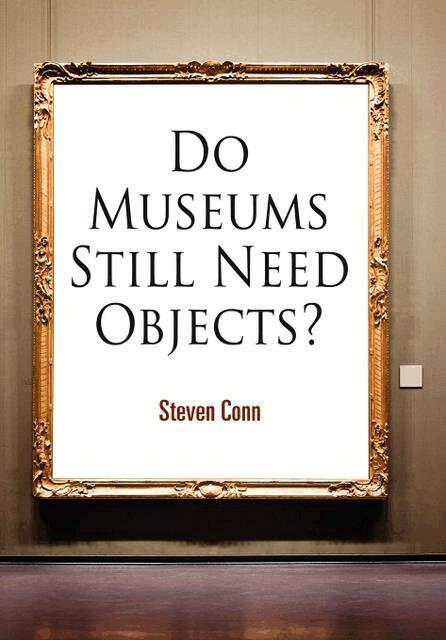
"We live in a museum age," writes Steven Conn in Do Museums Still Need Objects? And indeed, at the turn of the twenty-first century, more people are visiting museums than ever before. There are now over 17,500 accredited museums in the United States, averaging approximately 865 million visits a year, more than two million visits a day. New museums have proliferated across the cultural landscape even as older ones have undergone transformational additions: from the Museum of Modern Art and the Morgan in New York to the High in Atlanta and the Getty in Los Angeles. If the golden age of museum-building came a century ago, when the Metropolitan Museum of Art, the American Museum of Natural History, the Philadelphia Museum of Art, the Field Museum of Natural History, and others were created, then it is fair to say that in the last generation we have witnessed a second golden age.By closely observing the cultural, intellectual, and political roles that museums play in contemporary society, while also delving deeply into their institutional histories, historian Steven Conn demonstrates that museums are no longer seen simply as houses for collections of objects. Conn ranges across a wide variety of museum types-from art and anthropology to science and commercial museums-asking questions about the relationship between museums and knowledge, about the connection between culture and politics, about the role of museums in representing non-Western societies, and about public institutions and the changing nature of their constituencies. Elegantly written and deeply researched, Do Museums Still Need Objects? is essential reading for historians, museum professionals, and those who love to visit museums.
379 kr
Skickas inom 10-15 vardagar
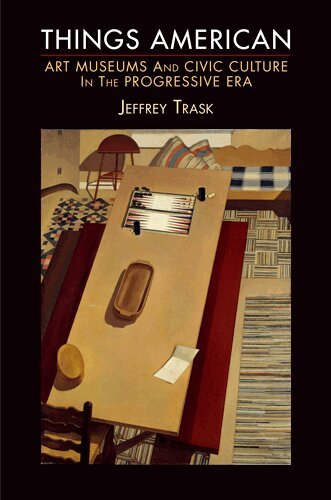
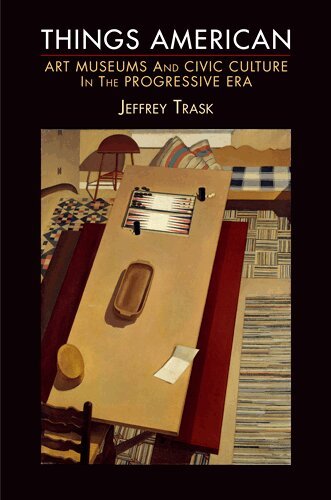
American art museums of the Gilded Age were established as civic institutions intended to provide civilizing influences to an urban public, but the parochial worldview of their founders limited their democratic potential. Instead, critics have derided nineteenth-century museums as temples of spiritual uplift far removed from the daily experiences and concerns of common people. But in the early twentieth century, a new generation of cultural leaders revolutionized ideas about art institutions by insisting that their collections and galleries serve the general public.Things American: Art Museums and Civic Culture in the Progressive Era tells the story of the civic reformers and arts professionals who brought museums from the realm of exclusivity into the progressive fold of libraries, schools, and settlement houses. Jeffrey Trask's history focuses on New York's Metropolitan Museum of Art, which stood at the center of this movement to preserve artifacts from the American past for social change and Americanization. Metropolitan trustee Robert de Forest and pioneering museum professional Henry Watson Kent influenced a wide network of fellow reformers and cultural institutions. Drawing on the teachings of John Dewey and close study of museum developments in Germany and Great Britain, they expanded audiences, changed access policies, and broadened the scope of what museums collect and display. They believed that tasteful urban and domestic environments contributed to good citizenship and recognized the economic advantages of improving American industrial production through design education. Trask follows the influence of these people and ideas through the 1920s and 1930s as the Met opened its innovative American Wing while simultaneously promoting modern industrial art.Things American is not only the first critical history of the Metropolitan Museum. The book also places museums in the context of the cultural politics of the progressive movement-illustrating the limits of progressive ideas of democratic reform as well as the boldness of vision about cultural capital promoted by museums and other cultural institutions.
368 kr
Skickas inom 10-15 vardagar
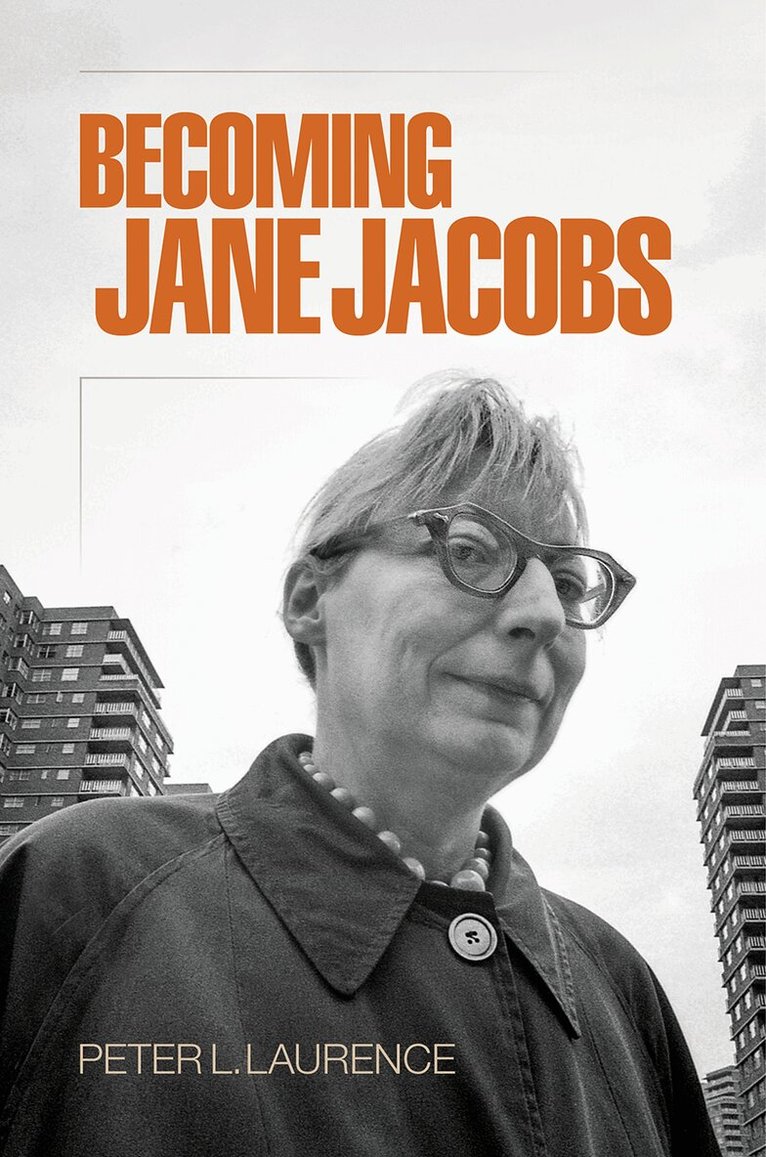
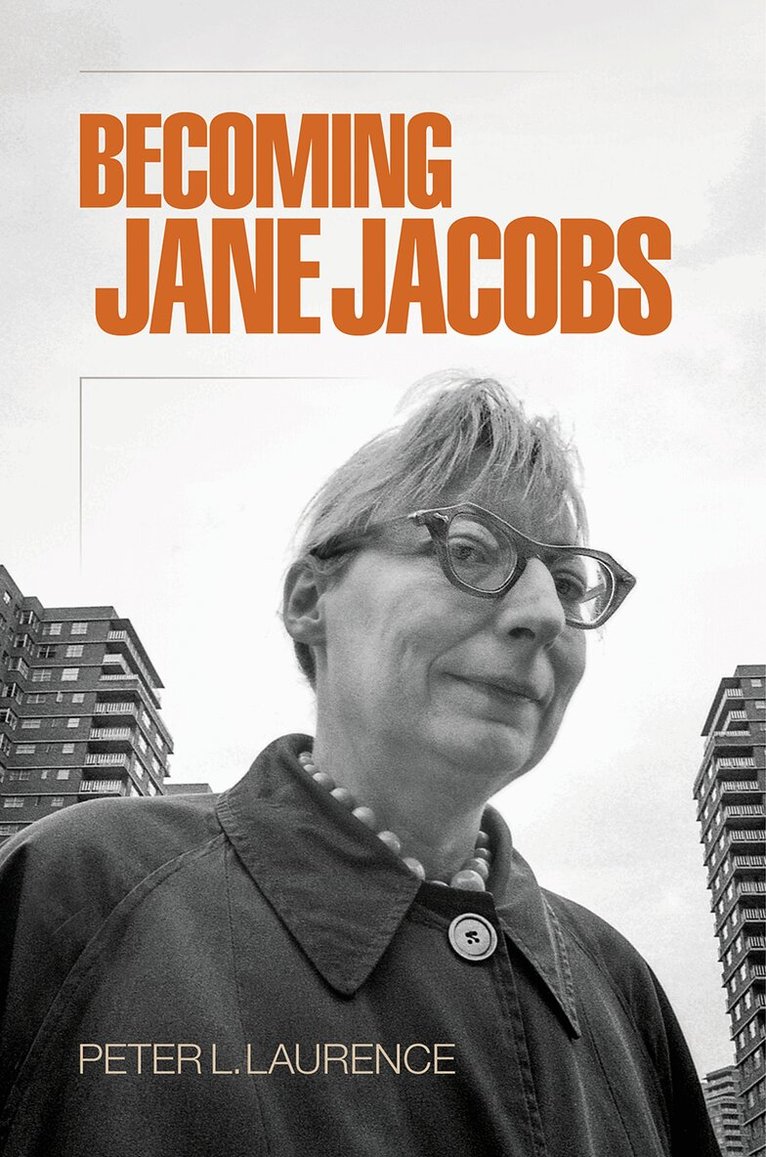
Jane Jacobs is universally recognized as one of the key figures in American urbanism. The author of The Death and Life of Great American Cities, she uncovered the complex and intertwined physical and social fabric of the city and excoriated the urban renewal policies of the 1950s. As the legend goes, Jacobs, a housewife, single-handedly stood up to Robert Moses, New York City's powerful master builder, and other city planners who sought first to level her Greenwich Village neighborhood and then to drive a highway through it. Jacobs's most effective weapons in these David-versus-Goliath battles, and in writing her book, were her powers of observation and common sense.What is missing from such discussions and other myths about Jacobs, according to Peter L. Laurence, is a critical examination of how she arrived at her ideas about city life. Laurence shows that although Jacobs had only a high school diploma, she was nevertheless immersed in an elite intellectual community of architects and urbanists. Becoming Jane Jacobs is an intellectual biography that chronicles Jacobs's development, influences, and writing career, and provides a new foundation for understanding Death and Life and her subsequent books. Laurence explains how Jacobs's ideas developed over many decades and how she was influenced by members of the traditions she was critiquing, including Architectural Forum editor Douglas Haskell, shopping mall designer Victor Gruen, housing advocate Catherine Bauer, architect Louis Kahn, Philadelphia city planner Edmund Bacon, urban historian Lewis Mumford, and the British writers at The Architectural Review. Rather than discount the power of Jacobs's critique or contributions, Laurence asserts that Death and Life was not the spontaneous epiphany of an amateur activist but the product of a professional writer and experienced architectural critic with deep knowledge about the renewal and dynamics of American cities.
833 kr
Skickas inom 10-15 vardagar
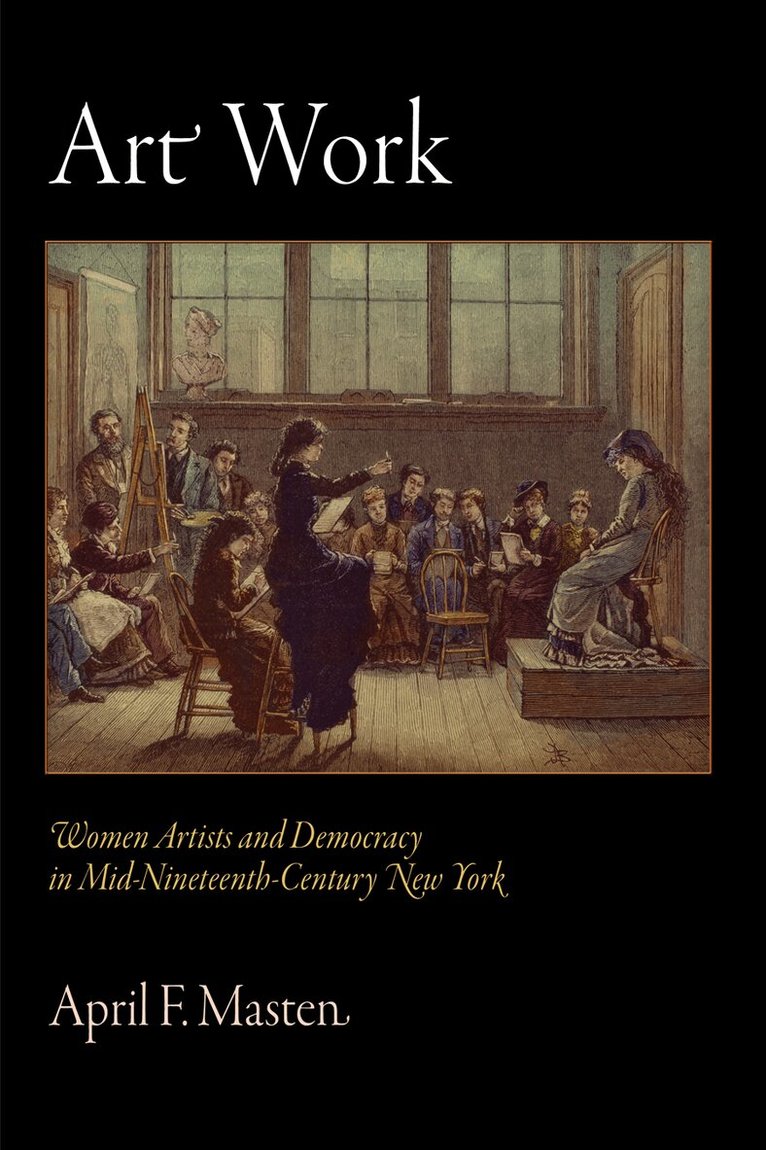
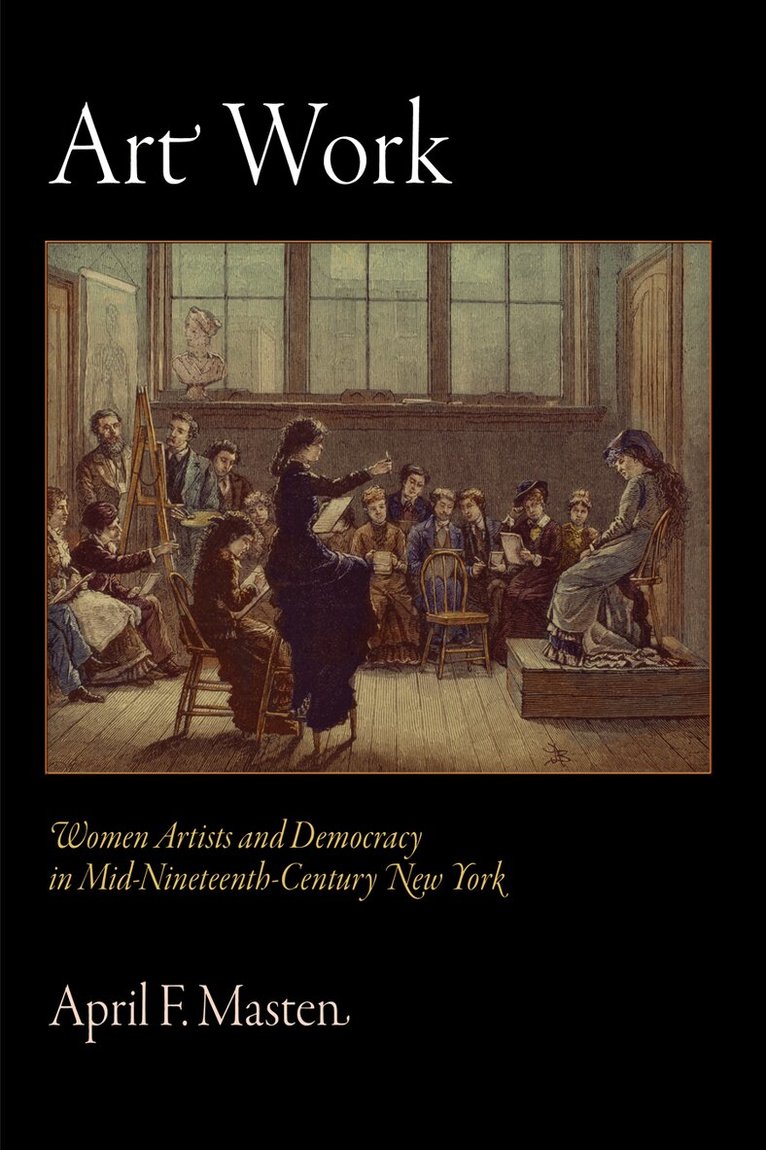
"I was in high spirits all through my unwise teens, considerably puffed up, after my drawings began to sell, with that pride of independence which was a new thing to daughters of that period."-The Reminiscences of Mary Hallock FooteMary Hallock made what seems like an audacious move for a nineteenth-century young woman. She became an artist. She was not alone. Forced to become self-supporting by financial panics and civil war, thousands of young women moved to New York City between 1850 and 1880 to pursue careers as professional artists. Many of them trained with masters at the Cooper Union School of Design for Women, where they were imbued with the Unity of Art ideal, an aesthetic ideology that made no distinction between fine and applied arts or male and female abilities. These women became painters, designers, illustrators, engravers, colorists, and art teachers. They were encouraged by some of the era's best-known figures, among them Tribune editor Horace Greeley and mechanic/philanthropist Peter Cooper, who blamed the poverty and dependence of both women and workers on the separation of mental and manual labor in industrial society. The most acclaimed artists among them owed their success to New York's conspicuously egalitarian art institutions and the rise of the illustrated press. Yet within a generation their names, accomplishments, and the aesthetic ideal that guided them virtually disappeared from the history of American art.Art Work: Women Artists and Democracy in Mid-Nineteenth-Century New York recaptures the unfamiliar cultural landscape in which spirited young women, daring social reformers, and radical artisans succeeded in reuniting art and industry. In this interdisciplinary study, April F. Masten situates the aspirations and experience of these forgotten women artists, and the value of art work itself, at the heart of the capitalist transformation of American society.
822 kr
Skickas inom 7-10 vardagar
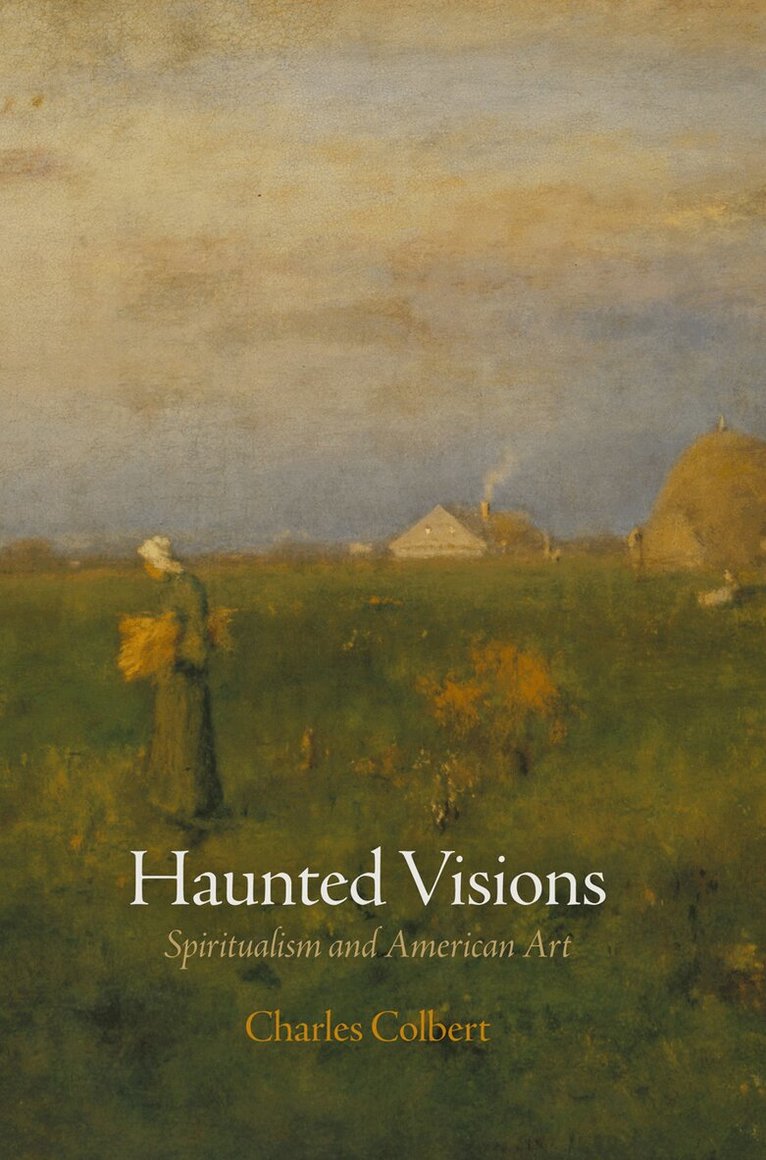
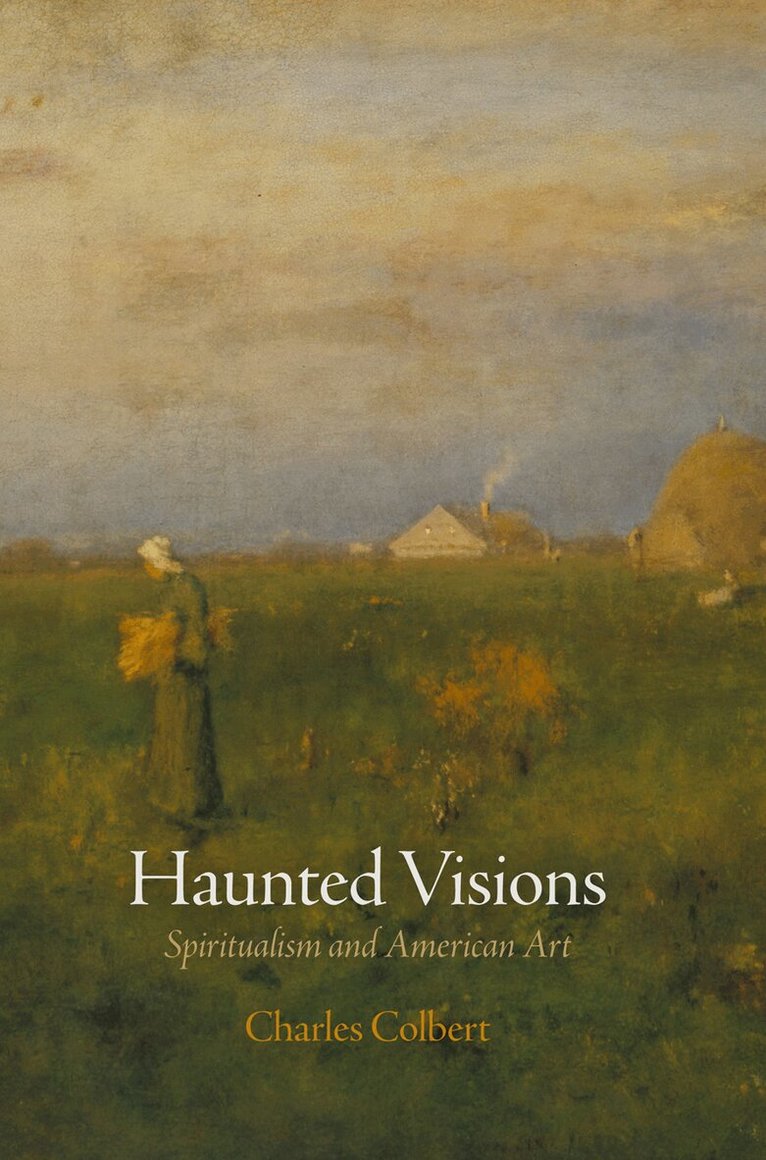
Spiritualism emerged in western New York in 1848 and soon achieved a wide following due to its claim that the living could commune with the dead. In Haunted Visions: Spiritualism and American Art, Charles Colbert focuses on the ways Spiritualism imbued the making and viewing of art with religious meaning and, in doing so, draws fascinating connections between art and faith in the Victorian age.Examining the work of such well-known American artists as James Abbott McNeill Whistler, William Sydney Mount, and Robert Henri, Colbert demonstrates that Spiritualism played a critical role in the evolution of modern attitudes toward creativity. He argues that Spiritualism made a singular contribution to the sanctification of art that occurred in the latter half of the nineteenth century. The faith maintained that spiritual energies could reside in objects, and thus works of art could be appreciated not only for what they illustrated but also as vessels of the psychic vibrations their creators impressed into them. Such beliefs sanctified both the making and collecting of art in an era when Darwinism and Positivism were increasingly disenchanting the world and the efforts to represent it. In this context, Spiritualism endowed the artist's profession with the prestige of a religious calling; in doing so, it sought not to replace religion with art, but to make art a site where religion happened.
778 kr
Skickas inom 10-15 vardagar
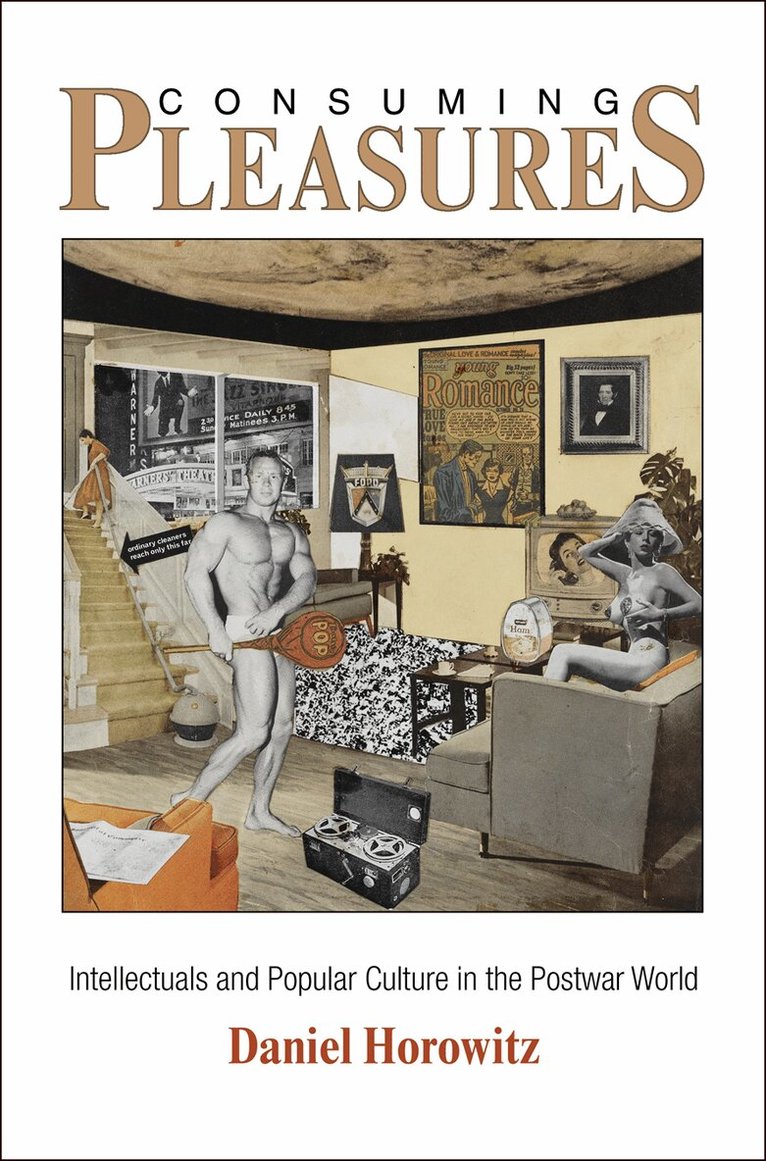
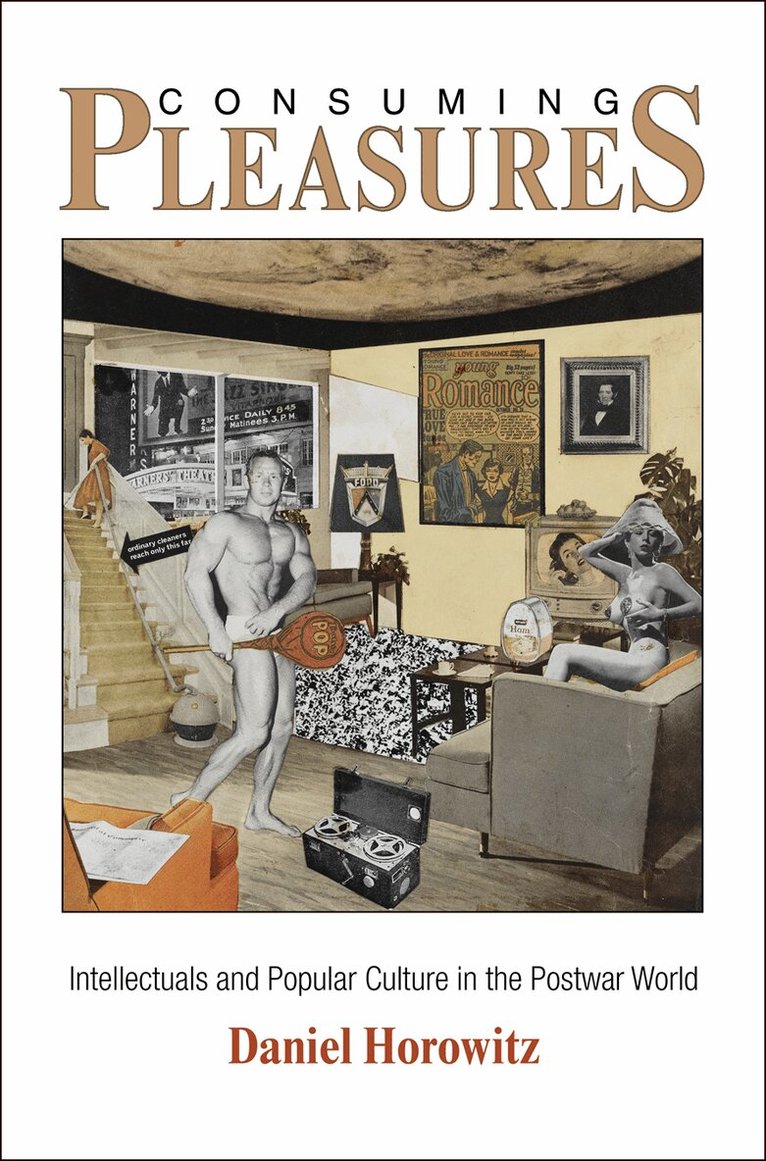
How is it that American intellectuals, who had for 150 years worried about the deleterious effects of affluence, more recently began to emphasize pleasure, playfulness, and symbolic exchange as the essence of a vibrant consumer culture? The New York intellectuals of the 1930s rejected any serious or analytical discussion, let alone appreciation, of popular culture, which they viewed as morally questionable. Beginning in the 1950s, however, new perspectives emerged outside and within the United States that challenged this dominant thinking. Consuming Pleasures reveals how a group of writers shifted attention from condemnation to critical appreciation, critiqued cultural hierarchies and moralistic approaches, and explored the symbolic processes by which individuals and groups communicate.Historian Daniel Horowitz traces the emergence of these new perspectives through a series of intellectual biographies. With writers and readers from the United States at the center, the story begins in Western Europe in the early 1950s and ends in the early 1970s, when American intellectuals increasingly appreciated the rich inventiveness of popular culture. Drawing on sources both familiar and newly discovered, this transnational intellectual history plays familiar works off each other in fresh ways. Among those whose work is featured are JÜrgen Habermas, Roland Barthes, Umberto Eco, Walter Benjamin, C. L. R. James, David Riesman and Marshall McLuhan, Richard Hoggart, members of London's Independent Group, Stuart Hall, Paddy Whannel, Tom Wolfe, Herbert Gans, Susan Sontag, Reyner Banham, and Robert Venturi and Denise Scott Brown.
558 kr
Skickas inom 10-15 vardagar
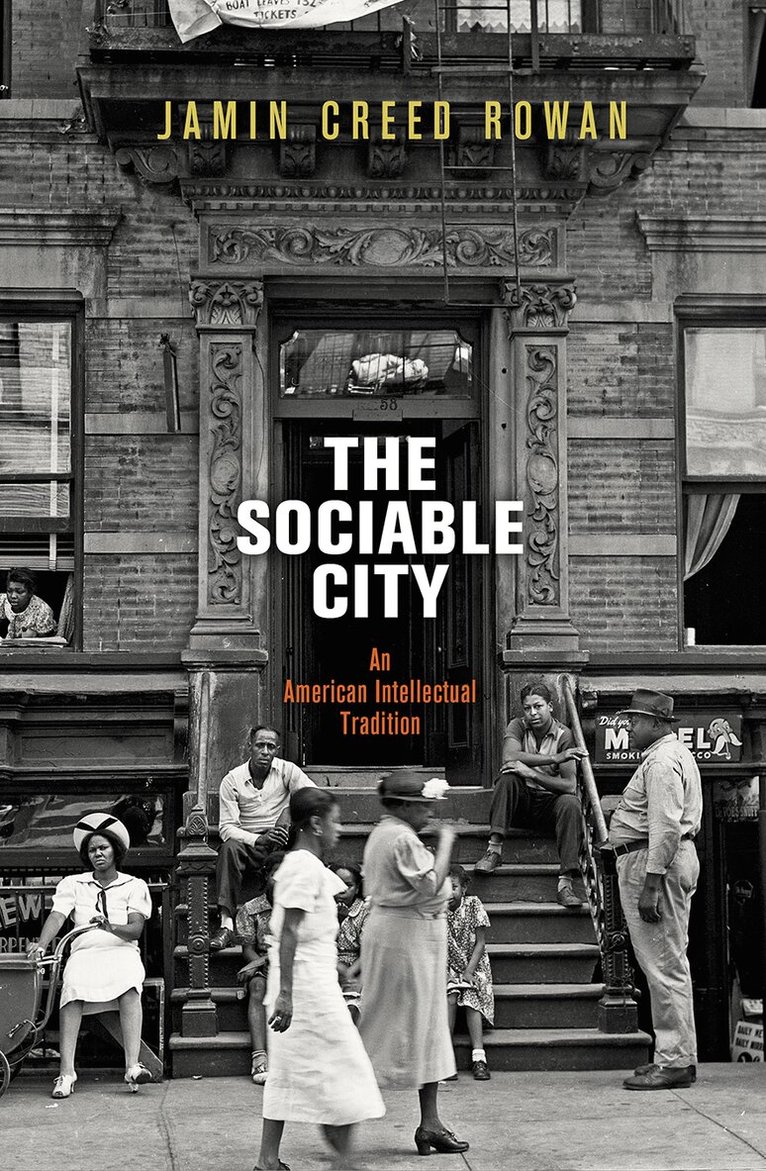
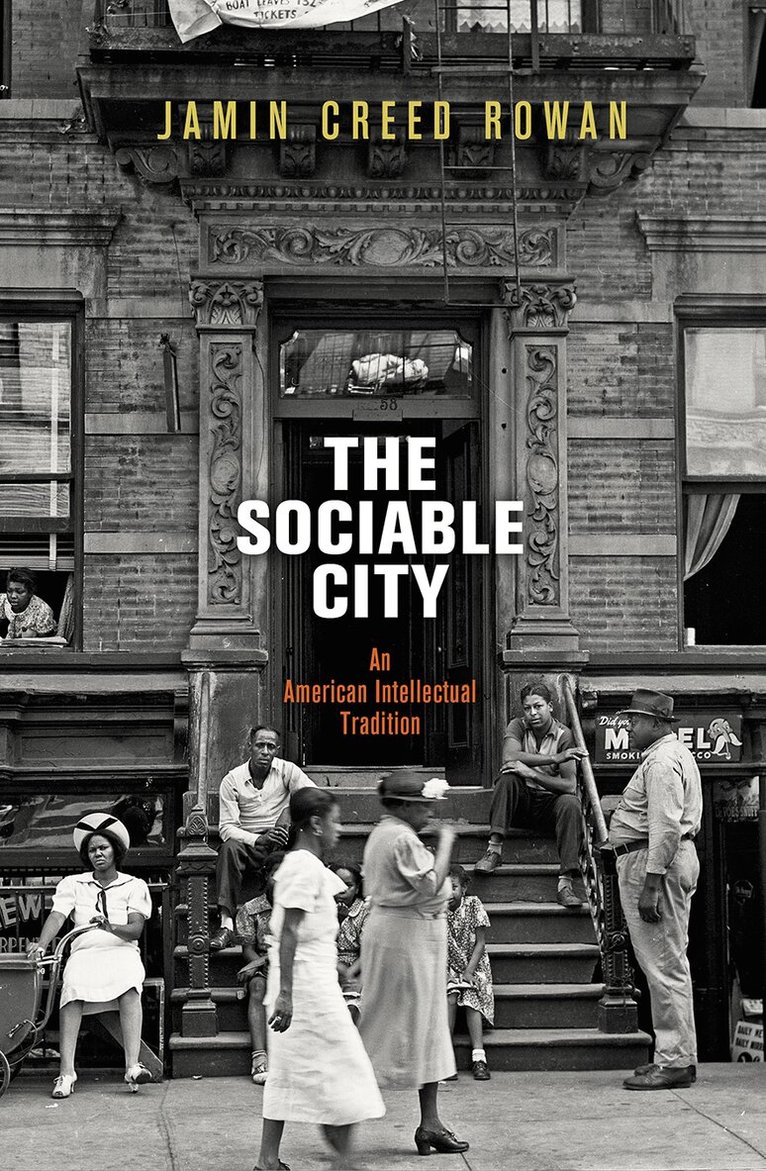
When celebrated landscape architect Frederick Law Olmsted despaired in 1870 that the "restraining and confining conditions" of the city compelled its inhabitants to "look closely upon others without sympathy," he was expressing what many in the United States had already been saying about the nascent urbanization that would continue to transform the nation's landscape: that the modern city dramatically changes the way individuals interact with and feel toward one another. An antiurbanist discourse would pervade American culture for years to come, echoing Olmsted's skeptical view of the emotional value of urban relationships. But as more and more people moved to the nation's cities, urbanists began to confront this pessimism about the ability of city dwellers to connect with one another.The Sociable City investigates the history of how American society has conceived of urban relationships and considers how these ideas have shaped the cities in which we live. As the city's physical and social landscapes evolved over the course of the late nineteenth and twentieth centuries, urban intellectuals developed new vocabularies, narratives, and representational forms to express the social and emotional value of a wide variety of interactions among city dwellers.Turning to source materials often overlooked by scholars of urban life-including memoirs, plays, novels, literary journalism, and museum exhibits-Jamin Creed Rowan unearths an expansive body of work dedicated to exploring and advocating the social configurations made possible by the city. His study aims to better understand why we have built and governed cities in the ways we have, and to imagine an urban future that will effectively preserve and facilitate the interpersonal associations and social networks that city dwellers need to live manageable, equitable, and fulfilling lives.
613 kr
Skickas inom 10-15 vardagar
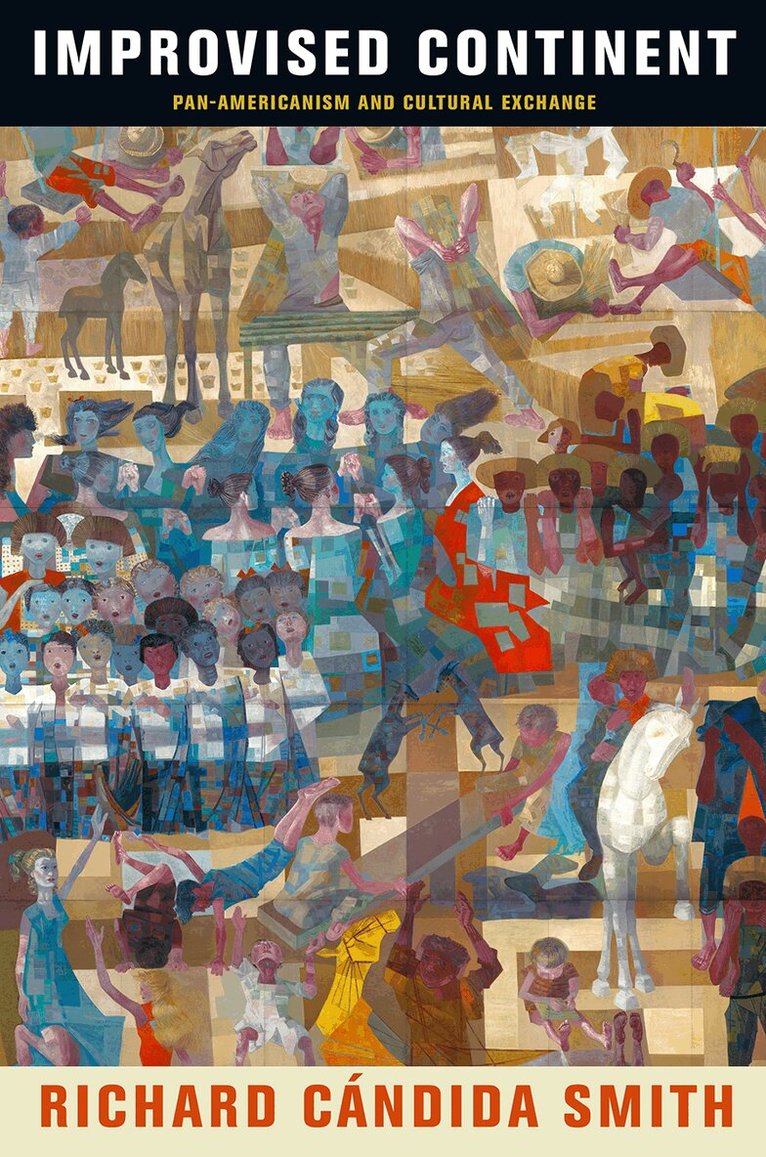
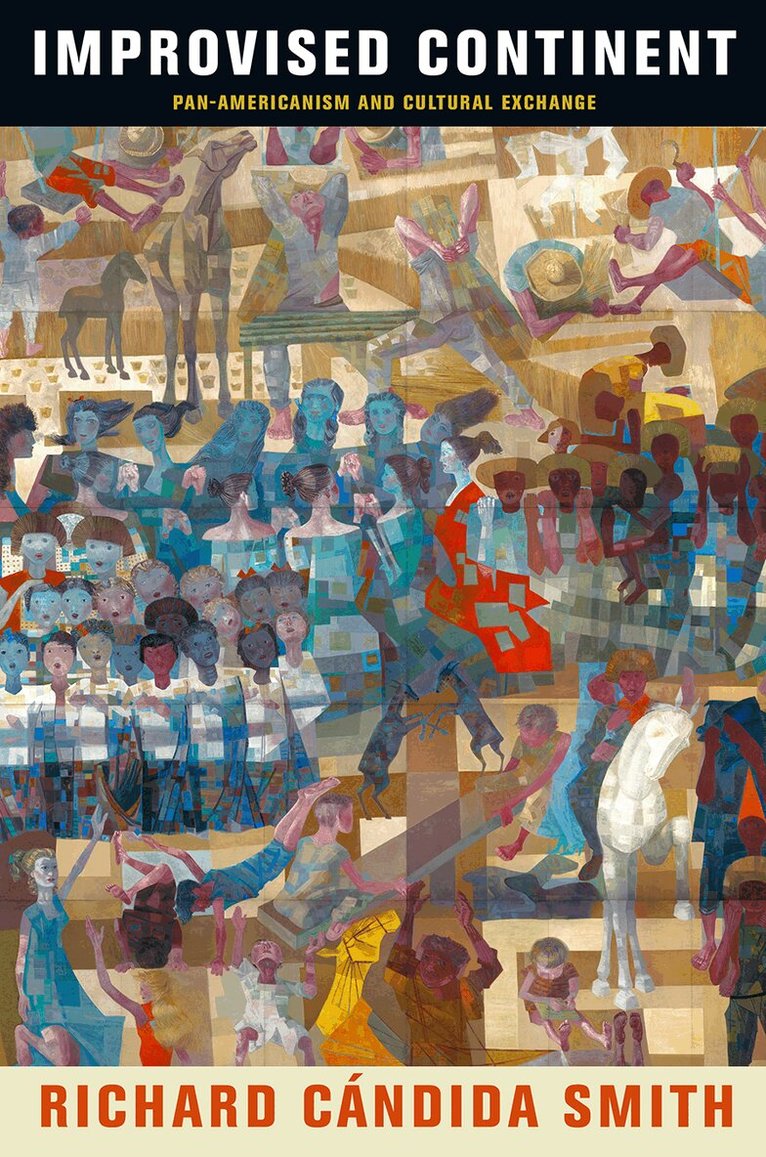
How does a country in the process of becoming a world power prepare its citizens for the responsibilities of global leadership? In Improvised Continent, Richard CÁndida Smith answers this question by illuminating the forgotten story of how, over the course of the twentieth century, cultural exchange programs, some run by the government and others by philanthropies and major cultural institutions, brought many of the most important artists and writers of Latin America to live and work in the United States.Improvised Continent is the first book to focus on cultural exchange inside the United States and how Americans responded to Latin American writers and artists. Moving masterfully between the history of ideas, biography, institutional history and politics, and international relations, and engaging works in French, German, Spanish, and Portuguese, CÁndida Smith synthesizes over seventy years of Pan-American cultural activity in the United States.The stories behind Diego Rivera's murals, the movies of Alejandro G. IÑÁrritu, the poetry of Gabriela Mistral, the photography of Genevieve Naylor, and the novels of Carlos Fuentes-these works and artists, along with many others, challenged U.S. citizens about their place in the world and about the kind of global relations the country's interests could allow. Improvised Continent provides a profoundly compassionate portrayal of the Latin American artists and writers who believed their practices might create a more humane world.