Asia East by South - Böcker
Visar alla böcker i serien Asia East by South. Handla med fri frakt och snabb leverans.
6 produkter
6 produkter
1 604 kr
Skickas inom 10-15 vardagar
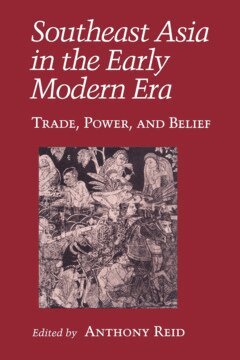
The political and religious identities of Southeast Asia were largely formed by the experiences of the fifteenth through seventeenth centuries, when international commerce boomed before eventually falling under the domination of well-armed European powers intent on monopoly. This book is the first to document the full range of responses to the profound changes of this period: urbanization and the burgeoning of commerce; the proliferation of firearms; an increase in the number and strength of states; and the shift from experimental spirit worship to the universalist scriptural religions of Islam, Christianity, and Theravada Buddhism. Bringing together ten essays by an international group of historians, Southeast Asia in the Early Modern Era shows how various states adapted to new pressures and compares economic, religious, and political developments among the major cultures of the area.
696 kr
Skickas inom 10-15 vardagar
1 604 kr
Skickas inom 10-15 vardagar
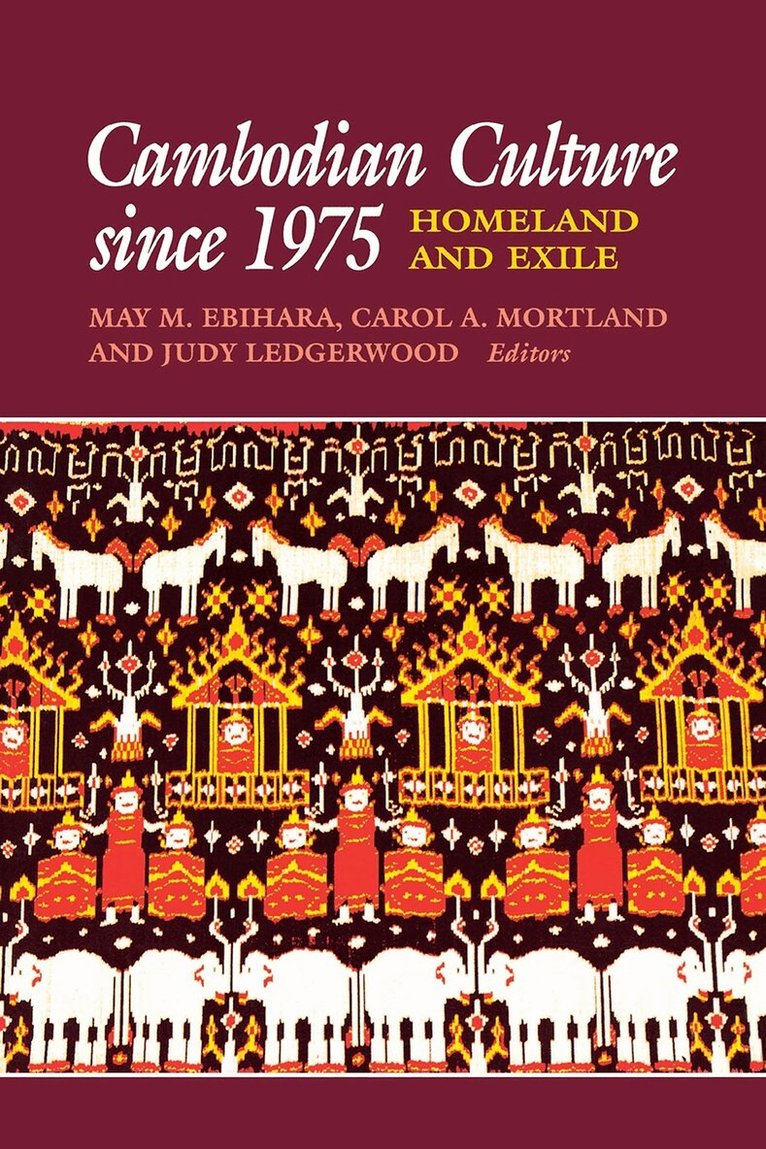
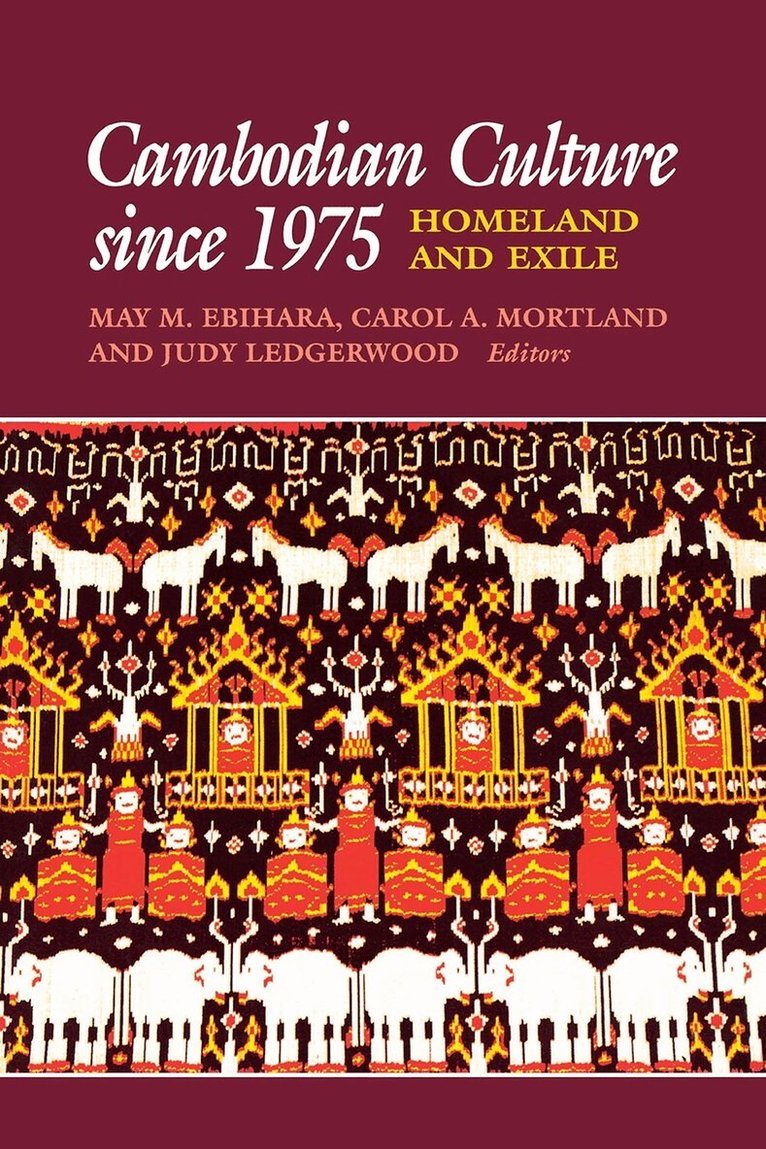
Since the civil war of the 1970s, Cambodia has suffered devastating upheavals that killed a million ' people and exiled hundreds of thousands. This book is the first to examine Cambodian culture after the ravages of the Pol Pot regime-and to bear witness to the transformation and persistence of tradition among contemporary Cambodians at home and abroad. Bringing together essays by Khmer and Western scholars in anthropology, linguistics, literature, and ethnomusicology, the volume documents the survival of a culture that many had believed lost. Individual chapters explore such topics as Buddhist belief and practice among refugees in the United States, distinctive features of modern Cambodian novels, the lessons taught by Khmer proverbs, some uses of metaphor by the Khmer Rouge regime, the state of traditional music, the recent revival of a form of traditional theater, the concept of pain in Khmer culture, changing conceptions of gender, and refugees' interpretation of American television. Together the essays map a contemporary Cambodian culture, which, for over two hundred thousand Khmers, is now firmly entwined in the social fabric of the urban West.
420 kr
Skickas inom 10-15 vardagar
The political and religious identities of Southeast Asia were largely formed by the experiences of the fifteenth through seventeenth centuries, when international commerce boomed before eventually falling under the domination of well-armed European powers intent on monopoly. This book is the first to document the full range of responses to the profound changes of this period: urbanization and the burgeoning of commerce; the proliferation of firearms; an increase in the number and strength of states; and the shift from experimental spirit worship to the universalist scriptural religions of Islam, Christianity, and Theravada Buddhism. Bringing together ten essays by an international group of historians, Southeast Asia in the Early Modern Era shows how various states adapted to new pressures and compares economic, religious, and political developments among the major cultures of the area.
379 kr
Skickas inom 10-15 vardagar
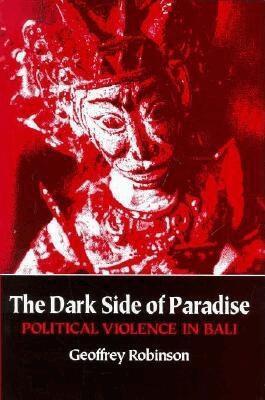
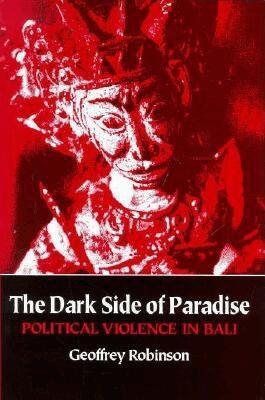
"The Dark Side of Paradise is an effective attempt to put the politics back into Bali's twentieth-century history. With a sure mastery of both Indonesian and Dutch sources, Robinson analyzes the class tensions between aristocrats and commoners during the late colonial period."—Times Literary Supplement"Robinson's work reaches beyond history, amply illustrating the possibilities of what might be termed a 'comparative historical sociology' approach."—Indonesia"Robinson's incisive, well-written work demolishes the fiction of the 'peaceful Balinese' that pervades academic and popular literature, and, for the first time, places modern political history directly into the middle of Balinese scholarship."—Choice"This is a brilliant book that must be read by anybody interested in modern Indonesia."—Journal of the Royal Institute of Linguistics and Anthropology
379 kr
Skickas inom 10-15 vardagar
Since the civil war of the 1970s, Cambodia has suffered devastating upheavals that killed a million ' people and exiled hundreds of thousands. This book is the first to examine Cambodian culture after the ravages of the Pol Pot regime-and to bear witness to the transformation and persistence of tradition among contemporary Cambodians at home and abroad. Bringing together essays by Khmer and Western scholars in anthropology, linguistics, literature, and ethnomusicology, the volume documents the survival of a culture that many had believed lost. Individual chapters explore such topics as Buddhist belief and practice among refugees in the United States, distinctive features of modern Cambodian novels, the lessons taught by Khmer proverbs, some uses of metaphor by the Khmer Rouge regime, the state of traditional music, the recent revival of a form of traditional theater, the concept of pain in Khmer culture, changing conceptions of gender, and refugees' interpretation of American television. Together the essays map a contemporary Cambodian culture, which, for over two hundred thousand Khmers, is now firmly entwined in the social fabric of the urban West.