Bloomsbury Studies in Central and East European History – serie
Visar alla böcker i serien Bloomsbury Studies in Central and East European History. Handla med fri frakt och snabb leverans.
4 produkter
4 produkter
544 kr
Skickas inom 10-15 vardagar
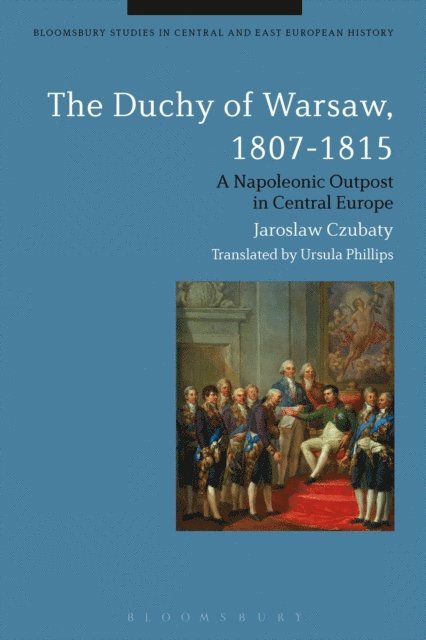
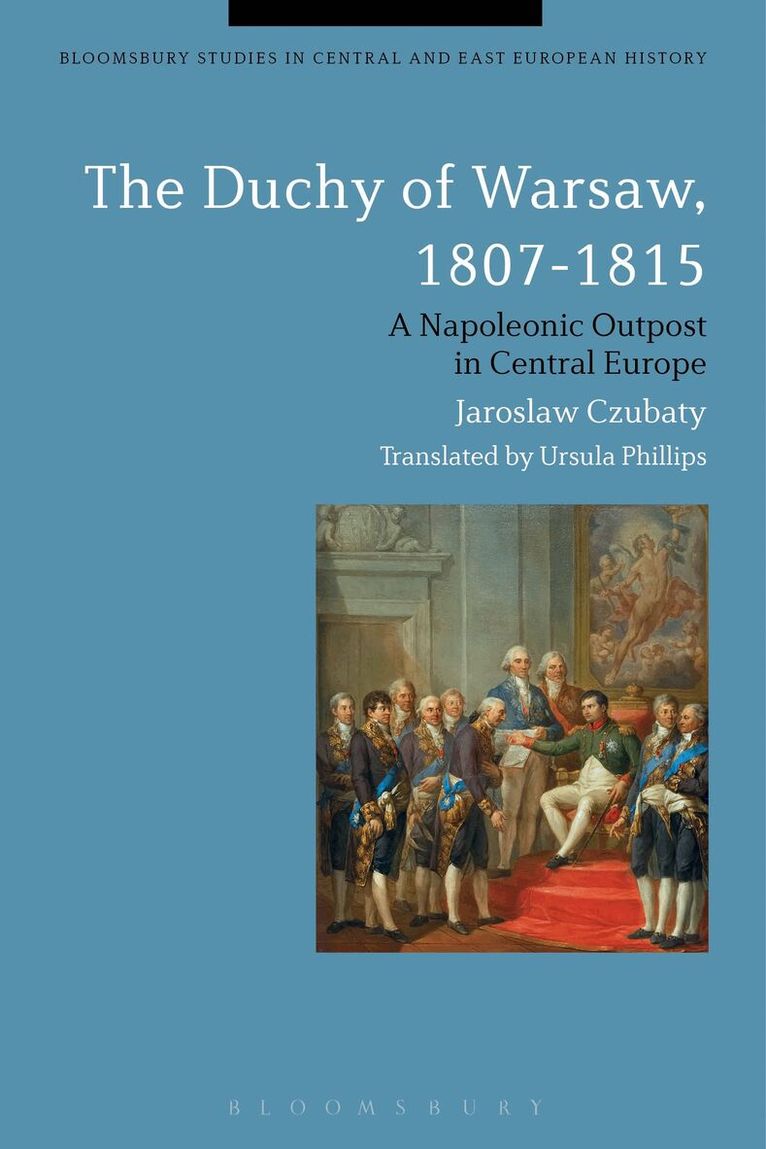
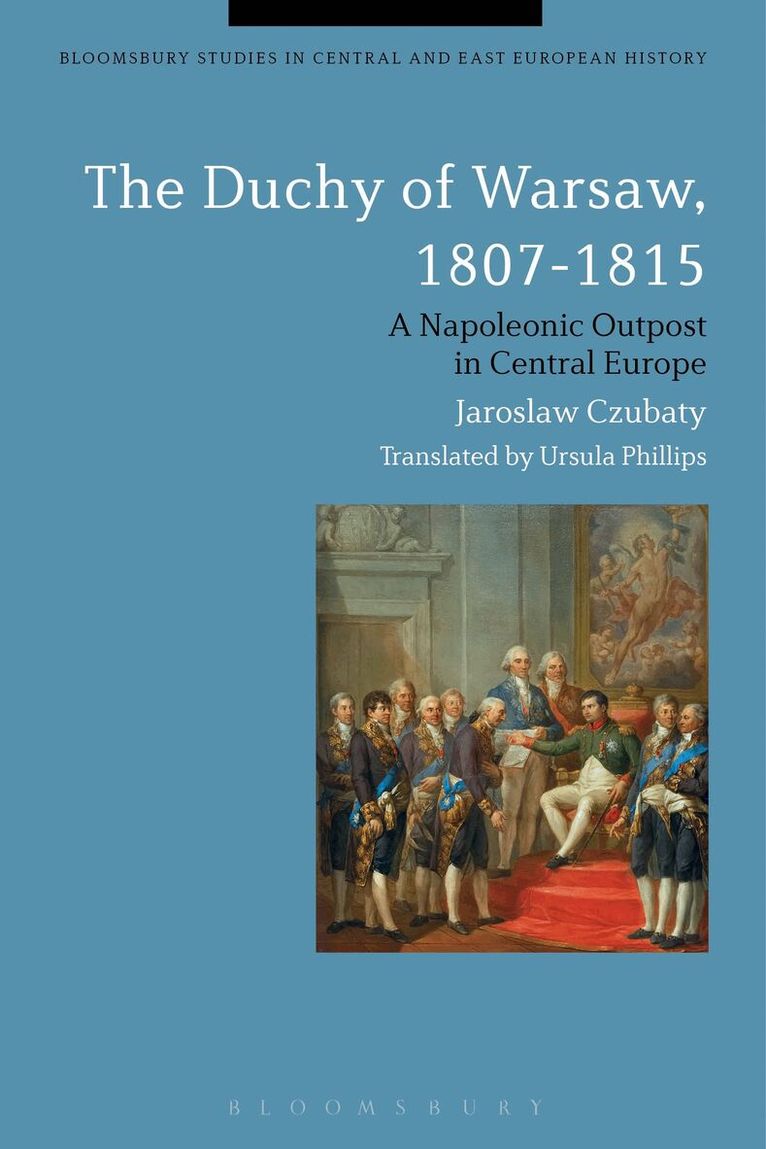
The Duchy of Warsaw, 1807-1815 is the first academic history of the state established by Napoleon in pre-partitioned Poland at the turn of the 19th century. The book examines the political, social and cultural dynamics of the Duchy and considers its role in Napoleon's wider empire and the politics he engaged in across the European continent during the period. Czubaty explores the history of the Duchy to reveal how political and social ideas, systems and mechanisms from France, Italy and Germany began permeating Central Eastern Europe at this time and goes on to consider how this impacted on the changing political mentalities of the Polish people.
Disorderly Liberty
The Political Culture of the Polish-Lithuanian Commonwealth in the Eighteenth Century
Inbunden, Engelska, 2010
1 888 kr
Skickas inom 10-15 vardagar
During the eighteenth century EuropeaaC--s republics may have been an integral part of the international scene, but they were marginalised or in decline. When, in 1772, the Commonwealth of Poland-Lithuania suffered a massive loss of territory to its three more powerful neighbours, Russia, Prussia and Austria, Edmund BurkeaaC--s question Poland was but a breakfast where will they dine?aaC-- was asked across the continentaaC--s lesser states, republics and non-republics alike. The slow, almost inevitable, process of PolandaaC--s digestion may have contributed to the relative ease with which that process was accepted in European chanceries. Poland was not a state which was a shaper of history, but was on the receiving end of the attentions of more dynamic neighbours. Yet it was, until the process of its disposal got under way, the largest state in Europe after Russia. Lukowski considers how the republican ideals and the political culture of its ruling class and nobility remain part of the historical legacy not only of what is today Poland, but also of the successor states: Lithuania, Ukraine, Belarus.
Disorderly Liberty
The Political Culture of the Polish-Lithuanian Commonwealth in the Eighteenth Century
Häftad, Engelska, 2012
544 kr
Skickas inom 10-15 vardagar
During the eighteenth century Europe's republics may have been an integral part of the international scene, but they were marginalised or in decline. When, in 1772, the Commonwealth of Poland-Lithuania suffered a massive loss of territory to its three more powerful neighbours, Russia, Prussia and Austria, Edmund Burke's question Poland was but a breakfast where will they dine?' was asked across the continent's lesser states, republics and non-republics alike. The slow, almost inevitable, process of Poland's digestion may have contributed to the relative ease with which that process was accepted in European chanceries. Poland was not a state which was a shaper of history, but was on the receiving end of the attentions of more dynamic neighbours. Yet it was, until the process of its disposal got under way, the largest state in Europe after Russia. Lukowski considers how the republican ideals and the political culture of its ruling class and nobility remain part of the historical legacy not only of what is today Poland, but also of the successor states: Lithuania, Ukraine, Belarus.
1 888 kr
Skickas inom 10-15 vardagar
The Duchy of Warsaw, 1807-1815 is the first academic history of the state established by Napoleon in pre-partitioned Poland at the turn of the 19th century. The book examines the political, social and cultural dynamics of the Duchy and considers its role in Napoleon's wider empire and the politics he engaged in across the European continent during the period. Czubaty explores the history of the Duchy to reveal how political and social ideas, systems and mechanisms from France, Italy and Germany began permeating Central Eastern Europe at this time and goes on to consider how this impacted on the changing political mentalities of the Polish people.