Brazilian Literature – serie
Visar alla böcker i serien Brazilian Literature. Handla med fri frakt och snabb leverans.
7 produkter
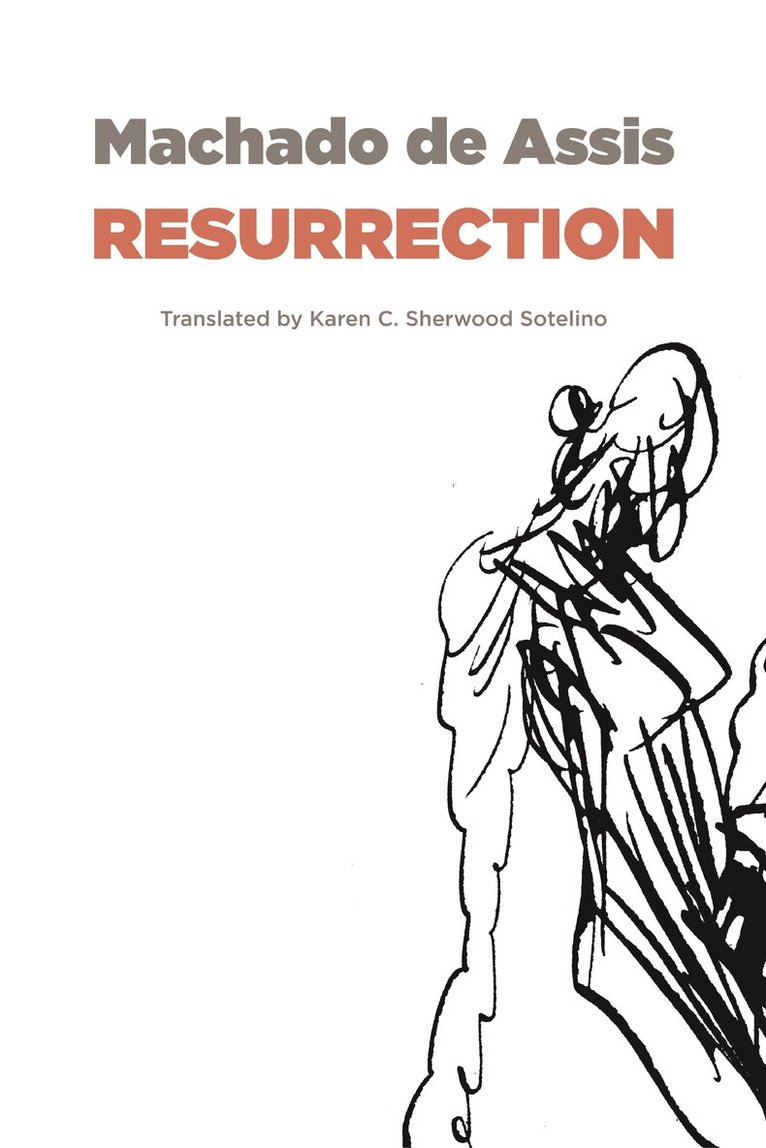
Resurrection
Av Joaquim Maria Machado de Assis
Häftad, 2022
191 kr
Lägg i varukorg
Machado de Assis's first novel visits themes the author developed exquisitely throughout his career including marriage, memory, and perspective. In this insightful translation by Karen Sherwood Sotelino, and with an introduction by José Luiz Passos, the novel reveals the author’s early experiment …
Anonymous Celebrity
Av Ignacio De Loyola Brandao, Ign?cio Brandao
Häftad, 2009
194 kr
Tillfälligt slut
What if a man were so shallow that he couldn't believe his life had meaning unless he was loved and desired by millions of people?
House of the Fortunate Buddhas
Häftad, 2011
172 kr
Tillfälligt slut
"Originally published in Portuguese as A casa dos budas ditosos by Editora Objetiva Ltda.,1999"--T.p. verso.
Good-Bye Angel
Honest Cheats Play Dirty Games Clean
Häftad, 2011
185 kr
Tillfälligt slut
There are no heroes in Igna cio de Loyola Branda o's world, only victims: not only of violence, but of deceit, desire, and fear. In The Good-Bye Angel, Branda o returns to his great subject: the tyranny of the community versus the individual, the city versus its inhabitants. Large enough to develop …
Girl in the Photograph
Häftad, 2012
142 kr
Tillfälligt slut
Complex and hauntingly beautiful, Lygia Fagundes Telles’s most acclaimed novel is a journey into the inner lives of three young women, each revealing her secrets and loves, each awaiting a destiny tied to the colorful and violent world of modern Brazil. Sensual and wealthy Lorena dreams of a tryst …
And Still the Earth
Häftad, 2013
194 kr
Tillfälligt slut
Welcome to Sao Paulo, Brazil, in the not too distant future. Water is scarce, garbage clogs the city, movement is restricted, and the System--sinister, omnipotent, secret--rules its subjects' every moment and thought. Here, middle-aged Souza lives a meaningless life in a world where hope is a lie …
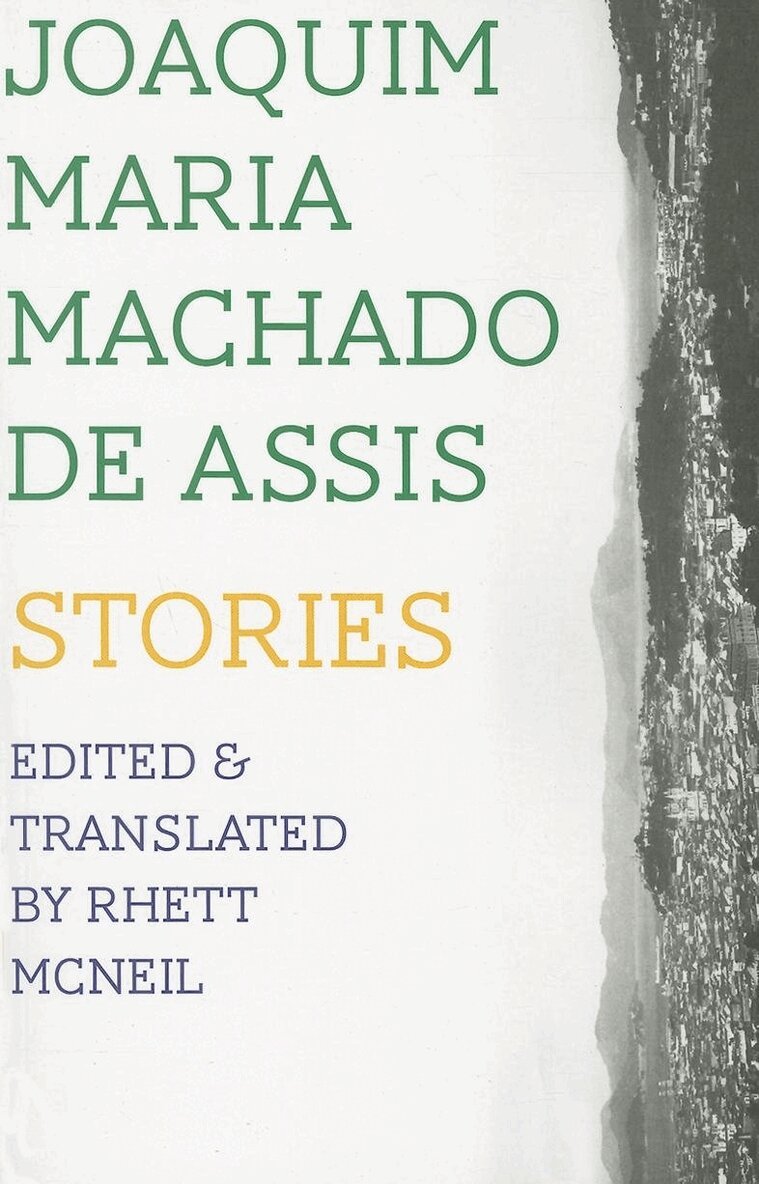
Stories
Av Joaquim Maria Machado de Assis
Häftad, 2014
197 kr
Tillfälligt slut
Featuring ten stories never before translated, dating from 1878 to 1886 (regarded as Joaquim Machado de Assis’s most radically experimental period), this selection of short fiction by Brazil’s greatest author ranges in tone from elegiac and philosophical to impishly ironic. Including the author’s …