Britain's Heritage – serie
Visar alla böcker i serien Britain's Heritage. Handla med fri frakt och snabb leverans.
22 produkter
22 produkter
111 kr
Skickas
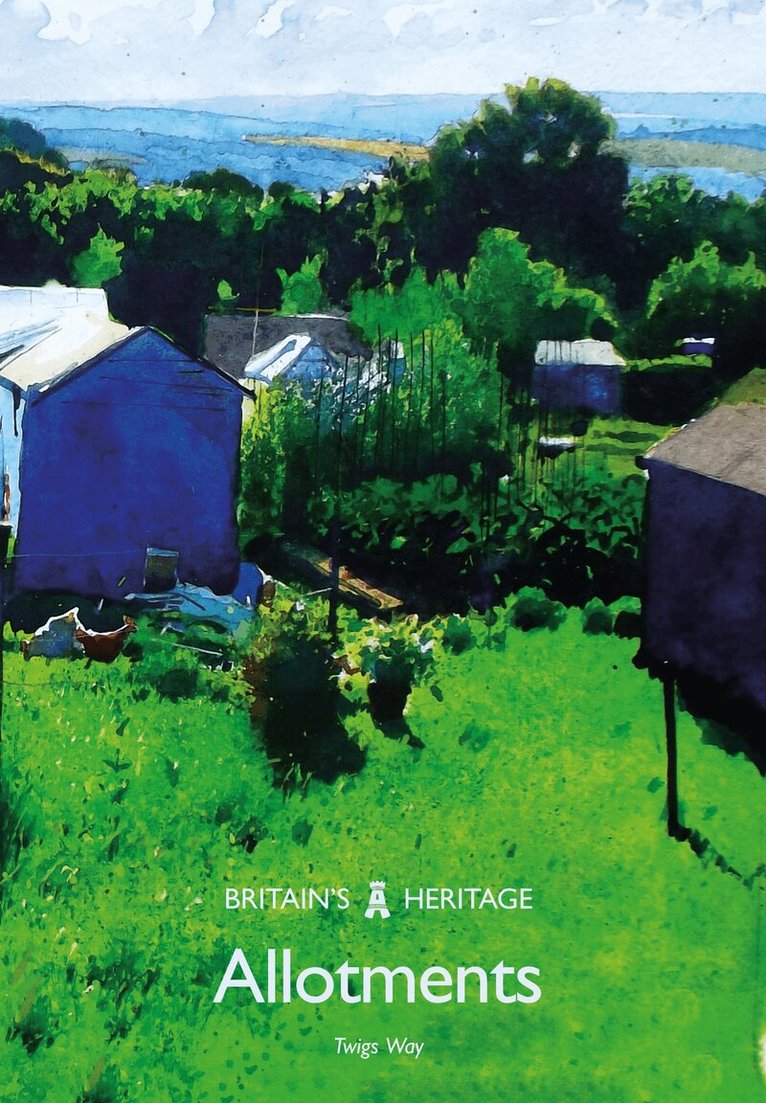
Allotments are a much-loved part of every British city, town and many villages. At the height of their popularity around the Second World War, allotments were increasingly neglected towards the end of the twentieth century, but are now in the throes of a full-scale revival. Many allotments now have long waiting lists, and allotment keeping has become a fashionable hobby.This book explores the fascinating story of the allotment, from its roots in the Diggers of the seventeenth century to the influence of ‘food miles’ and GM. It includes insights into quirky rules and regulations, murder and looting, and even art and opera on the allotment. Drawing on archival and contemporary material, this richly illustrated book considers both the history and the future of the not-so-humble allotment.This book is part of the Britain’s Heritage series, which provides definitive introductions to the riches of Britain’s past, and is the perfect way to get acquainted with allotments in all their variety.
110 kr
Skickas
Dinky Toys are a part of many people’s childhood. They were one of the many famous brands produced as part of the Meccano empire set up by Frank Hornby at his Binns Road factory in Liverpool. Although they began before the Second World War, it was the post-war ranges produced by Dinky that really caught the public’s imagination and helped to make the period into the company’s golden years.This colourfully illustrated book tells the story of Dinky Toys, including small Dinky Toys, the larger Dinky Supertoys, accessories and Dublo Dinky Toys. Author David Busfield also examines catalogues, marketing material and the unique Meccano Magazine as well as the collecting of Dinky Toys today.This book is part of the Britain’s Heritage series, which provides definitive introductions to the riches of Britain’s past, and is the perfect way to get acquainted with Dinky Toys in all their variety.
107 kr
Skickas
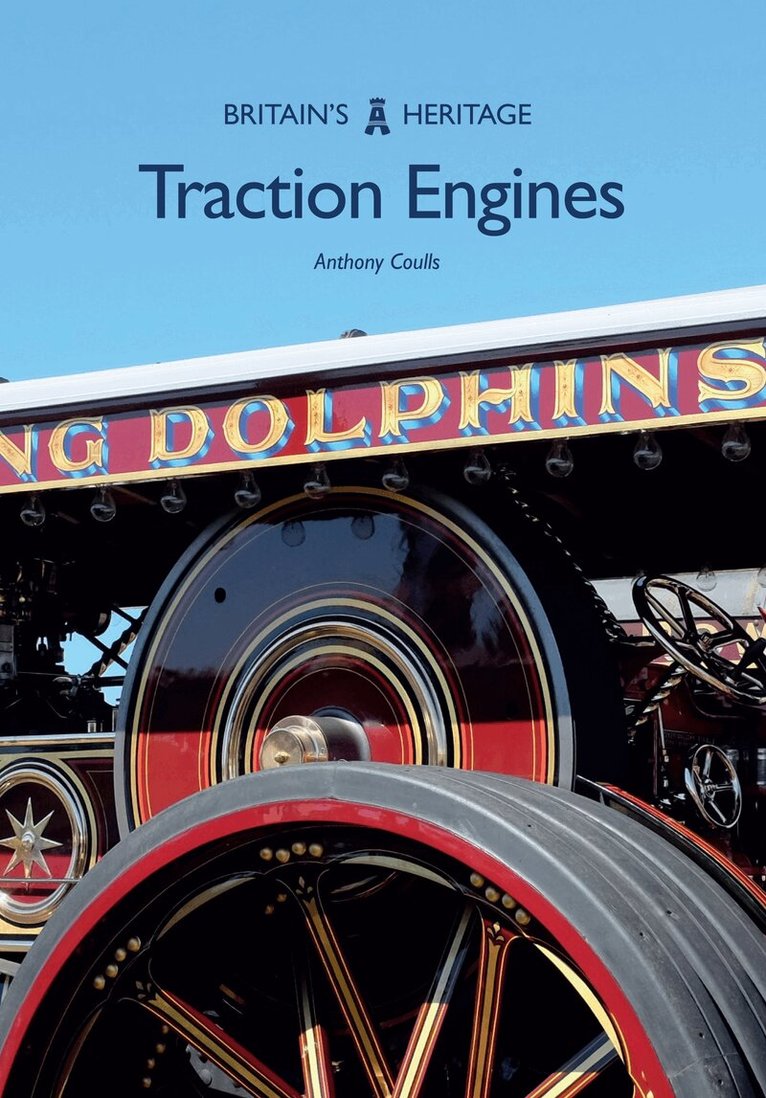
The first traction engines were built around the middle of the nineteenth century. Their great pulling power and ability to provide power for other equipment revolutionised road haulage and agriculture.Great makers like Burrell and Garrett from East Anglia, Taskers and Wallis & Steevens from Hampshire, Marshalls and Foster from Lincolnshire, and Fowlers and McLaren from Leeds filled Britain (and much of the rest of the world) with their engines. They ranged in size from the small road locomotives like Taskers’ Little Giant, up to giant Fowler ploughing engines and the grandest Burrell showman’s engine, resplendent in gold-lined paintwork and twisted brass canopy supports. The age of the traction engine was relatively short, declining rapidly after the First World War, but they have left an indelible mark, with enthusiasts up and down the country having saved hundreds of machines from the scrapmen to entertain us every weekend at steam fairs and other vintage events.This book is part of the Britain’s Heritage series, which provides definitive introductions to the riches of Britain’s past, and is the perfect way to get acquainted with traction engines in all their variety.
129 kr
Skickas
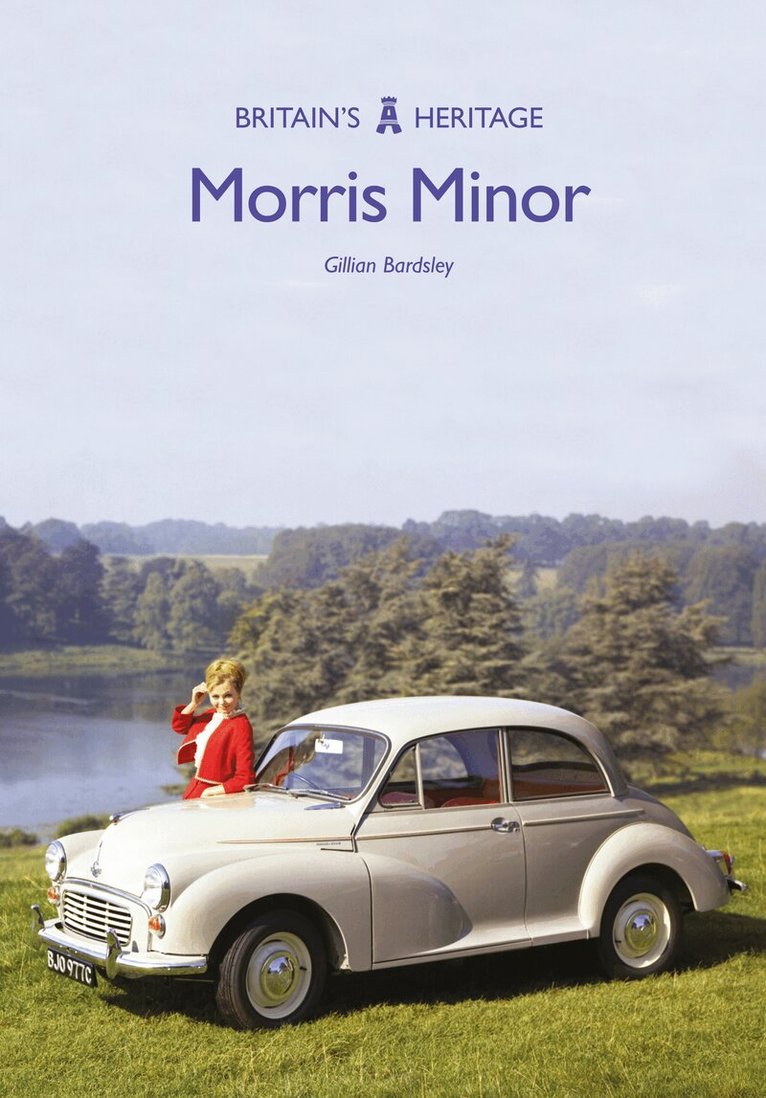
At its launch in 1948 the Morris Minor was an exciting and fresh concept, with radical engineering and daring ‘American’ styling.Morris Motors had given a young engineer named Alec Issigonis his first chance to head up a design team and, though he would become most famous for the Mini ten years later, the Morris Minor was just as innovative in its time. Manufactured for twenty-three years, some 1.6 million would be made before production ended in 1972. Behind the Minor’s success as the first British car to reach 1 million sold, however, there was a fierce battle to get it into production in the face of opposition from the company’s founder and chairman, Lord Nuffield.Sold as an estate car, a convertible and a van, and used in motor racing and rallying, the versatile Morris Minor was much loved as a production car and has retained its popularity as a classic, with many clubs devoted to keeping it on the road. Using period illustrations from the BMC archive, Gillian Bardsley tells the story of this iconic British car.This book is part of the Britain’s Heritage series, which provides definitive introductions to the riches of Britain’s past, and is the perfect way to get acquainted with the Morris Minor in all its variety.
110 kr
Skickas
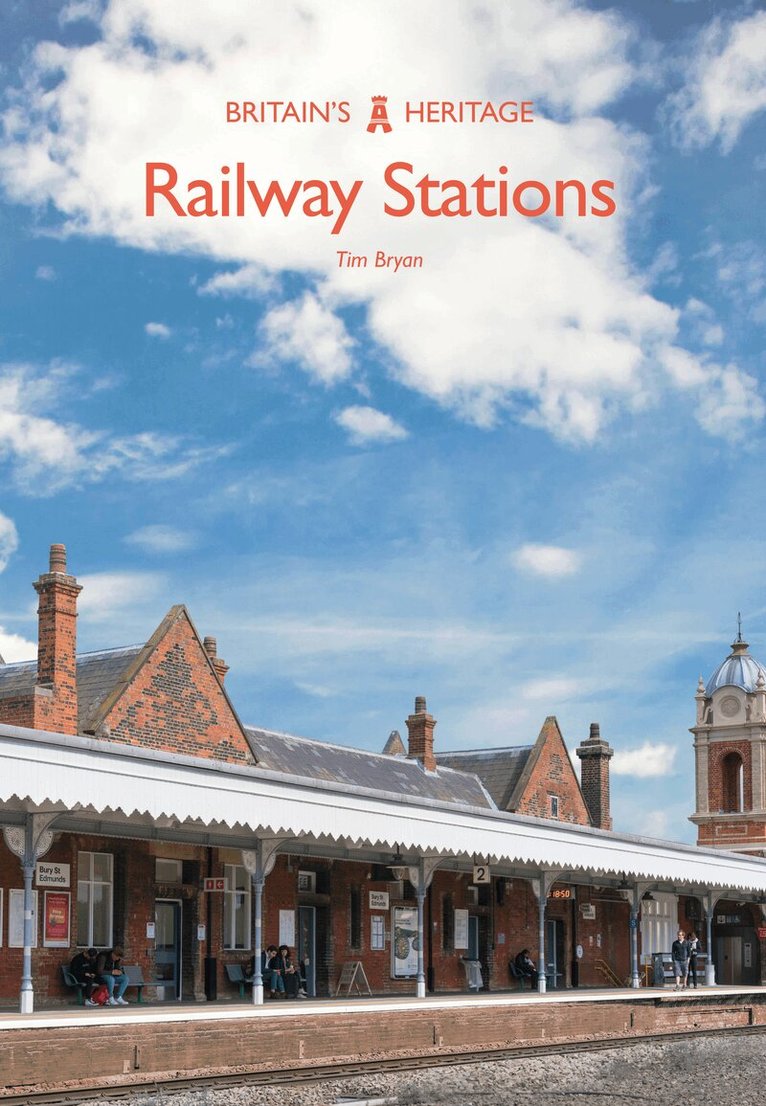
Railway stations were a prominent feature of most towns and villages in Britain until post-war modernisation and closures swept many away.The largest and most imposing stations were in large towns and cities. Among the most impressive were the London termini such as King’s Cross, Liverpool Street, Paddington and Waterloo. They handled and (still handle) millions of long distance and commuter travellers every year. Elsewhere, larger cities like Birmingham, Manchester and Glasgow often had more than one important station. Behind their imposing façades, they provided all manner of facilities for passengers – waiting rooms, bookstalls, refreshment rooms, luggage and lavatories. Meanwhile, country stations, especially those on branch lines, were an important part of rural life, providing a vital link for goods and passengers to and from the countryside.As the start and end point of millions of daily commutes, business trips, days out and family holidays, railway stations are undoubtedly among Britain’s most special buildings.This book is part of the Britain’s Heritage series, which provides definitive introductions to the riches of Britain’s past, and is the perfect way to get acquainted with the railway station in all its variety.
110 kr
Skickas inom 11-20 vardagar
The Landscape Garden: the quiet but startling national revolution that overthrew the parterres, avenues and canals of formal European-style gardens littering Britain in the eighteenth century. Thousands of landscape gardens were created for the wealthy, often looking so natural that we hardly recognise them as the hand of man.Steered by brilliant designers and visionary owners, the fashion for landscape gardens took hold across the country. Using water, grass and trees, designers softened lines and created seemingly natural planted park landscapes. Landscape gardens were on a huge scale, and all the work was done by hand. By the 1750s this had developed into the landscape park and garden epitomised by ‘Capability’ Brown, the most famous of the eighteenth-century garden designers. In this book by garden historian Sarah Rutherford, discover Britain’s greatest contribution to the visual arts worldwide.This book is part of the Britain’s Heritage series, which provides definitive introductions to the riches of Britain’s past, and is the perfect way to get acquainted with landscape gardens in all their variety.
107 kr
Skickas
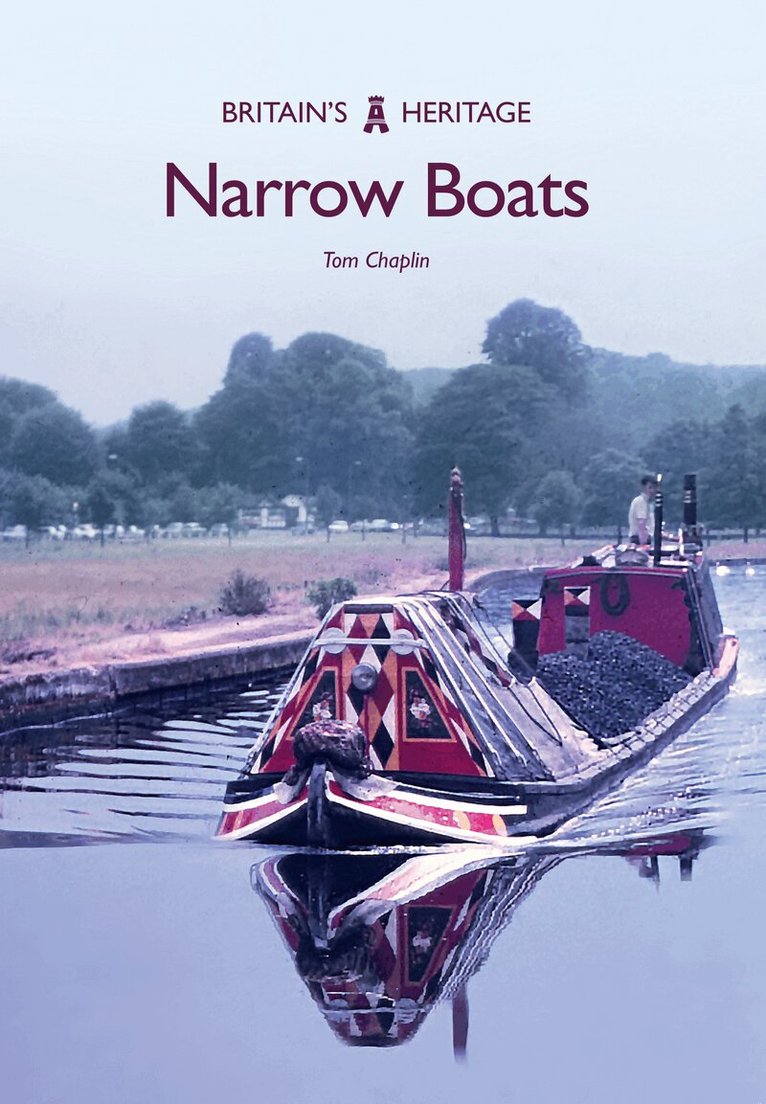
The traditional cargo-carrying narrowboat – recently voted one of the 100 icons of England – emerged with the construction of the narrow canal network and lasted in until 1970 when the last regular long-distance contract was lost. Up until then, working boat families lived aboard according to their own culture and work ethic. Narrow Boats explores this, explains why their way of life persisted for so long, and looks at why and how it has changed.The vessels evolved as the horse gave way to steam and diesel power and boatyards developed the skills to build beautiful boats, decorated with roses, castles, scrolls and geometric designs that brought colour and vibrancy to the waterways. Since their demise, a new generation of craft has emerged purely for leisure and residential use. This book, by technical consultant Tom Chaplin, reflects on the origin and purpose of the traditions that many of these attempt to replicate.This book is part of the Britain’s Heritage Series, which provides definitive introductions to the riches of Britain’s past, and is the perfect way to get acquainted with the narrow boat in all its variety.
107 kr
Skickas
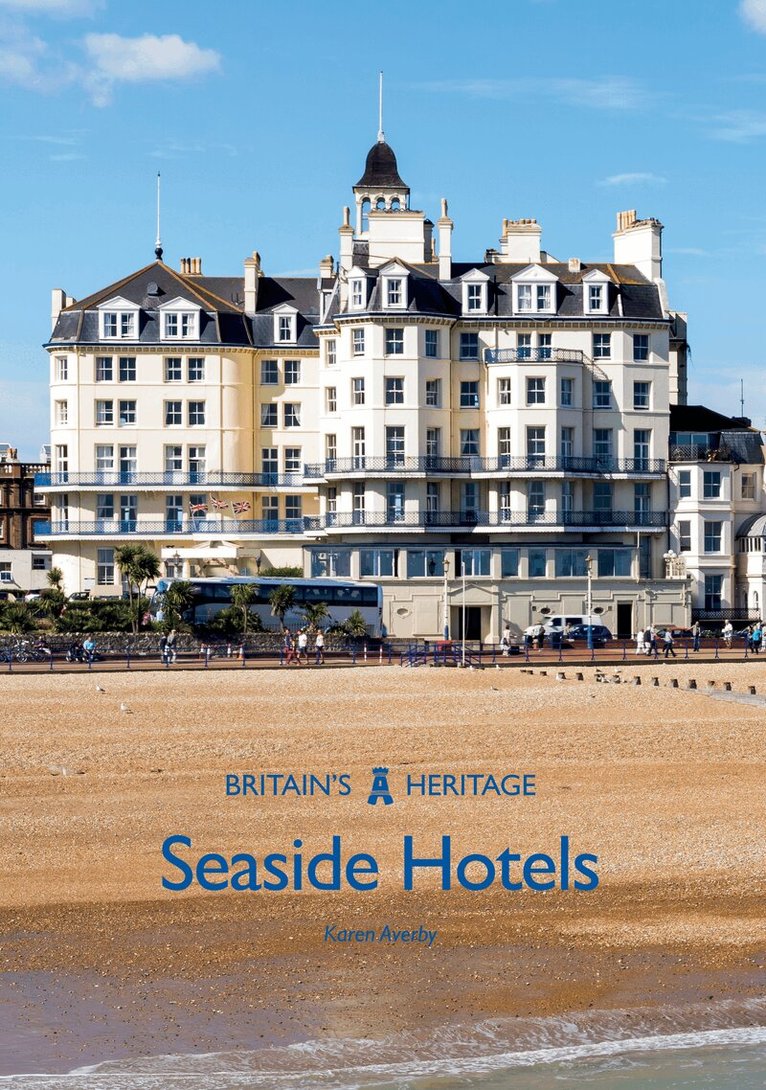
Grand seaside hotels dominate Britain’s seaside resorts with bold, largescale buildings, often magnificent examples of the most fashionable architectural style of the time. First emerging in the eighteenth century, their golden age came in the second half of the nineteenth, when a showpiece luxury hotel was a must-have for any successful seaside resort. These imposing Grands, Royals and Imperials, filled with every modern convenience of the period and containing opulent restaurants and ballrooms, are fascinating buildings that reflect the fortunes of those who built and visited them throughout the years.Karen Averby takes us through the rise, the fall and the modern-day resurgence of the grand seaside hotel across the whole of the UK, from their exclusive and luxurious nineteenth-century beginnings, through their renaissance in the interwar years, decline in the 1970s as foreign package holidays became popular and their recent, more accessible refurbished form today.This book is part of the Britain’s Heritage series, which provides definitive introductions to the riches of Britain’s past, and is the perfect way to get acquainted with seaside hotels in all their variety.
110 kr
Skickas
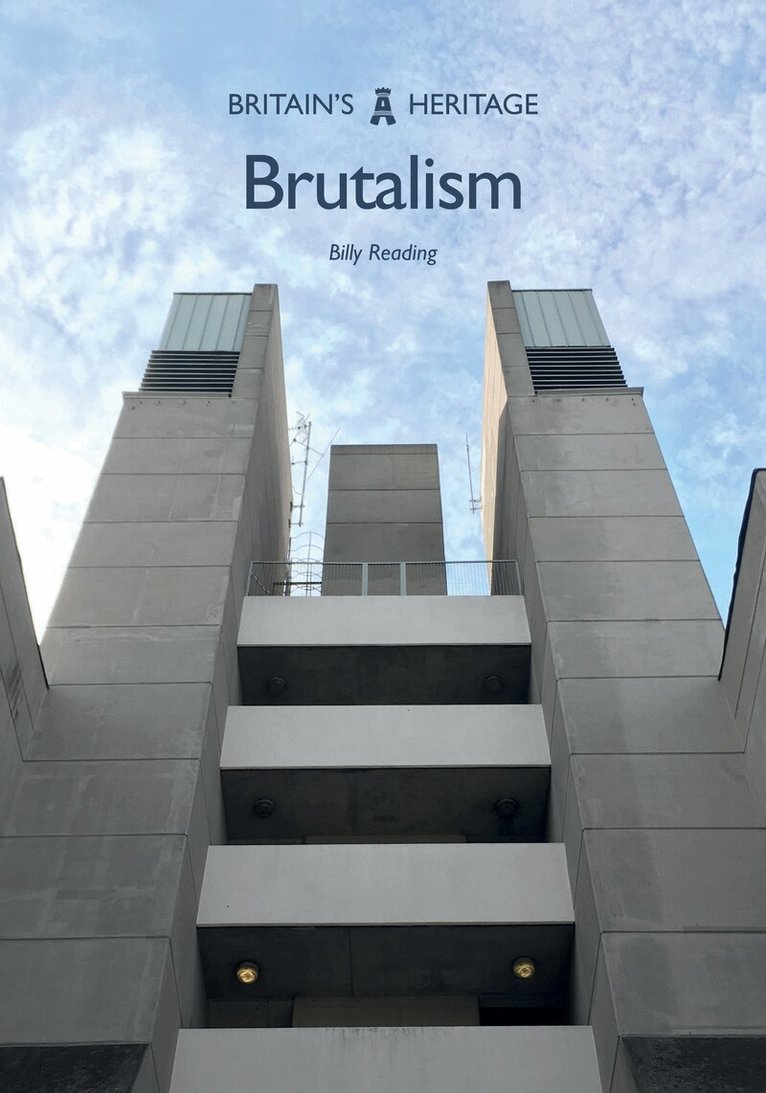
Brutalist architecture is ever-present in the British urban landscape, from car parks and bus garages to schools, universities and cultural centres, from the small college campus to vast residential mega-structures. Taken from the French phrase ‘béton brut’, meaning raw concrete, the name brutalism identified an emerging style of angular and sculptural form and rough, exposed industrial materials. The pioneering architects of the style such as Peter and Alison Smithson, Erno Goldfinger and the Owen Luder Partnership optimistically believed they were forging a new utopia. Their confidence is apparent in the uncompromising, bold, even bolshy buildings such as London’s South Bank Centre, Hunstanton School, Preston bus station and Portsmouth’s Tricorn Centre that came to define the architecture of the 1960s and 1970s. After decades of vilification, brutalism is today enjoying a resurgence of popularity and the original principles of the movement are being rediscovered and reappraised, although it still divides public opinion.This book is part of the Britain’s Heritage series, which provides definitive introductions to the riches of Britain’s past, and is the perfect way to get acquainted with brutalism in all its variety.
107 kr
Skickas
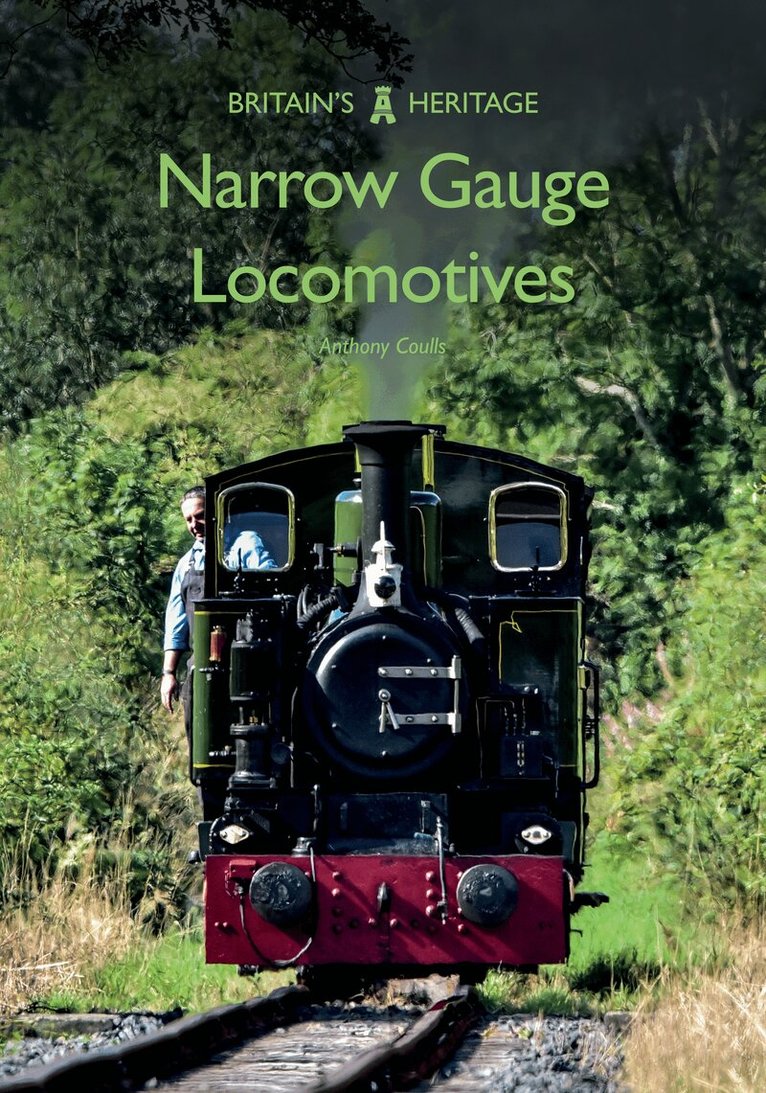
Narrow gauge railways have long been a source of fascination for many. From famous public lines such as the Ffestiniog Railway and Lynton & Barnstaple Railway, to peat extraction lines in Cumbria and brickworks systems on Humberside, the narrow gauge railway has transcended two centuries.A big part of the charm of these lines is the locomotives that were built to operate them. Narrow gauge is defined as anything less than the standard gauge of UK main lines – usually down to 15 inch gauge – but in that spectrum there is no limit to size, simplicity or shape. These were machines built to do a job, pure and simple, but those jobs were many and varied. Multiple wheeled complex engines could share the same track as a simple motorised wagon, whilst all manner of propulsion could be found – steam, diesel, petrol and electric – even fireless, compressed air or steam locos converted to electric power. This book looks at them all and their legacy today across the plethora of pleasure and heritage lines that exist.This book is part of the Britain’s Heritage series, which provides definitive introductions to the riches of Britain’s past, and is the perfect way to get acquainted with narrow gauge locomotives in all their variety.
107 kr
Skickas
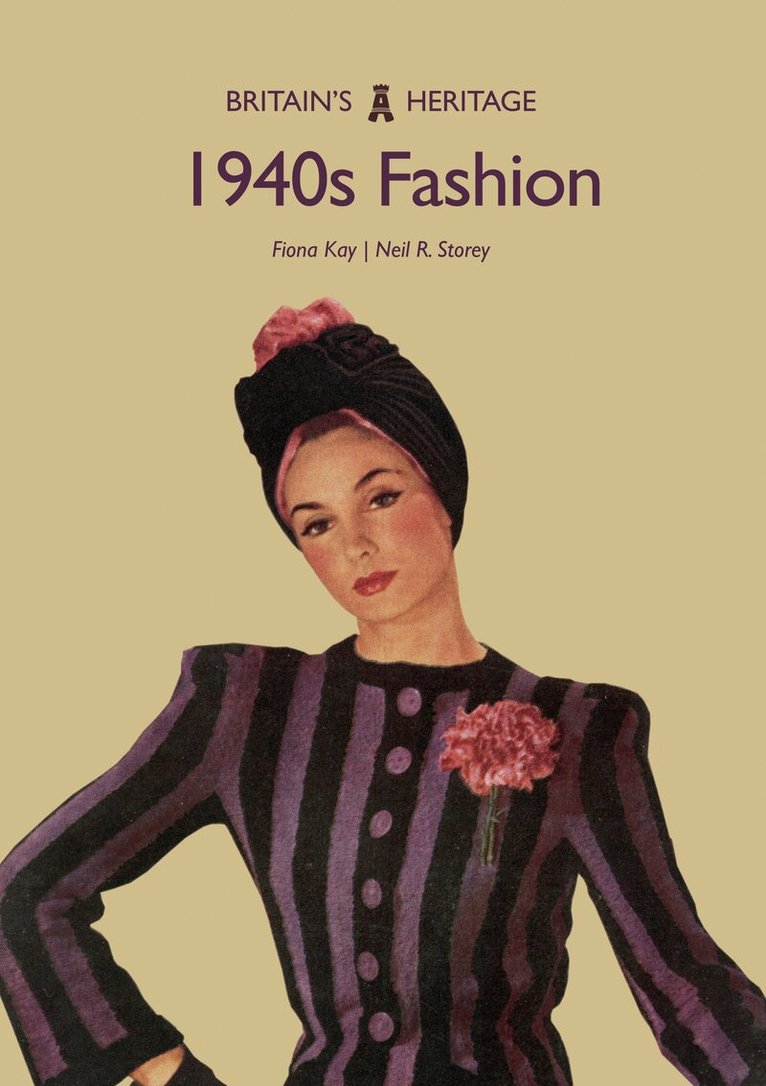
Despite – or perhaps because of – the privations of war, the 1940s was one of the greatest decades for fashion in Britain. The designs and fashions of the 1930s would linger on through the early years of the Second World War but with shortages and rationing firmly in place, the Utility clothing available in the shops had to overcome these restrictions and still look new and vivid. Because so much of the war effort depended on Britain’s women, fashion was considered important for morale.Fashion in the 1940s ranged from military uniforms (for men and women) to siren suits to be worn to keep warm in air raid shelters at night and the demob suits issued to those leaving the services at the end of the war. The mantra of ‘make-do and mend’ would spawn a decade of creativity, and a generation who would not let austerity prevent them from looking good. Transatlantic and military influences were everywhere, and after the war was over Dior’s ‘New Look’ set the scene for the fashions of the prosperous 1950s.This book is part of the Britain’s Heritage series, which provides definitive introductions to the riches of Britain’s past, and is the perfect way to get acquainted with 1940s fashion in all its variety.
107 kr
Skickas
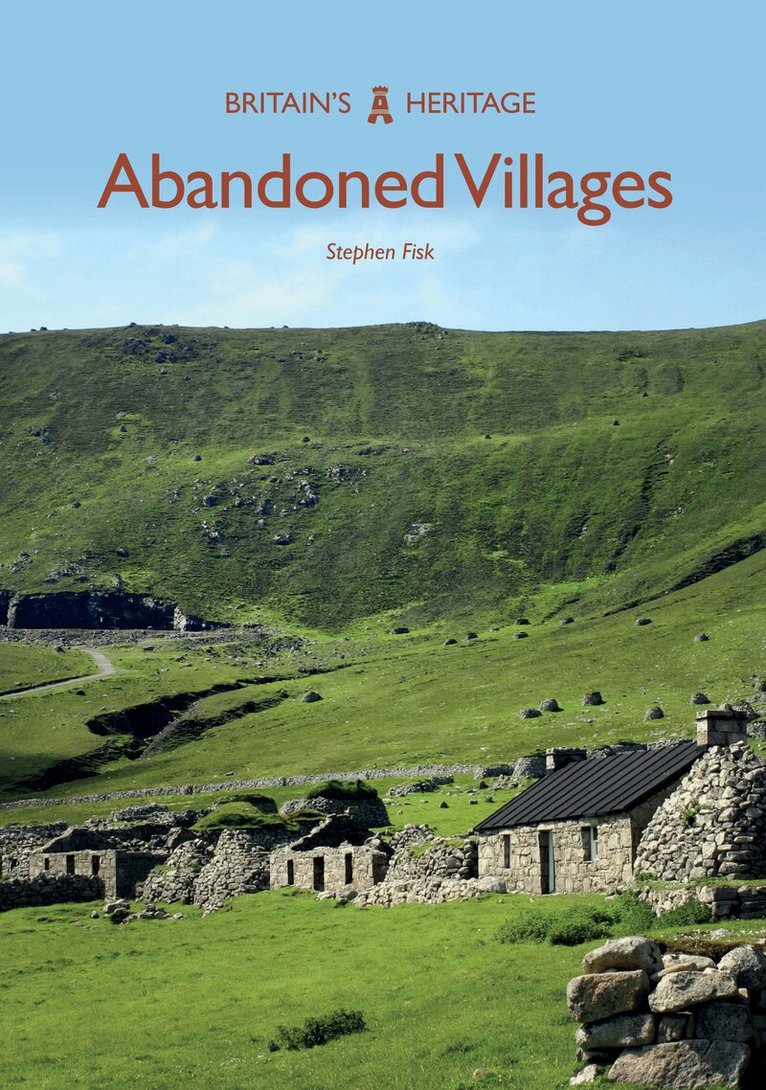
A lonely ruined church, mysterious bumps in a field, or stone walls visible on the shoreline of a reservoir in high summer: all these are signs of settlements abandoned over the years.Over the centuries many villages in Britain have been abandoned. This book describes the natural and man-made causes, from coastal erosion to the closing of old mines. The author puts together a picture of lost villages when they were at their height and the way of life of their people. In each case the process of abandonment is traced in vivid detail. Evidence from archaeology and historical records is summarised, and for more recent settlements the accounts of former residents are quoted.Abandoned Villagesis fully illustrated with photographs of villages before and after they were abandoned. It will inspire readers to visit the sites of abandoned villages, near home perhaps, or as they travel around Britain.This book is part of the Britain’s Heritage series, which provides definitive introductions to the riches of Britain’s past, and is the perfect way to get acquainted with the nation’s abandoned villages in all their variety.
107 kr
Skickas
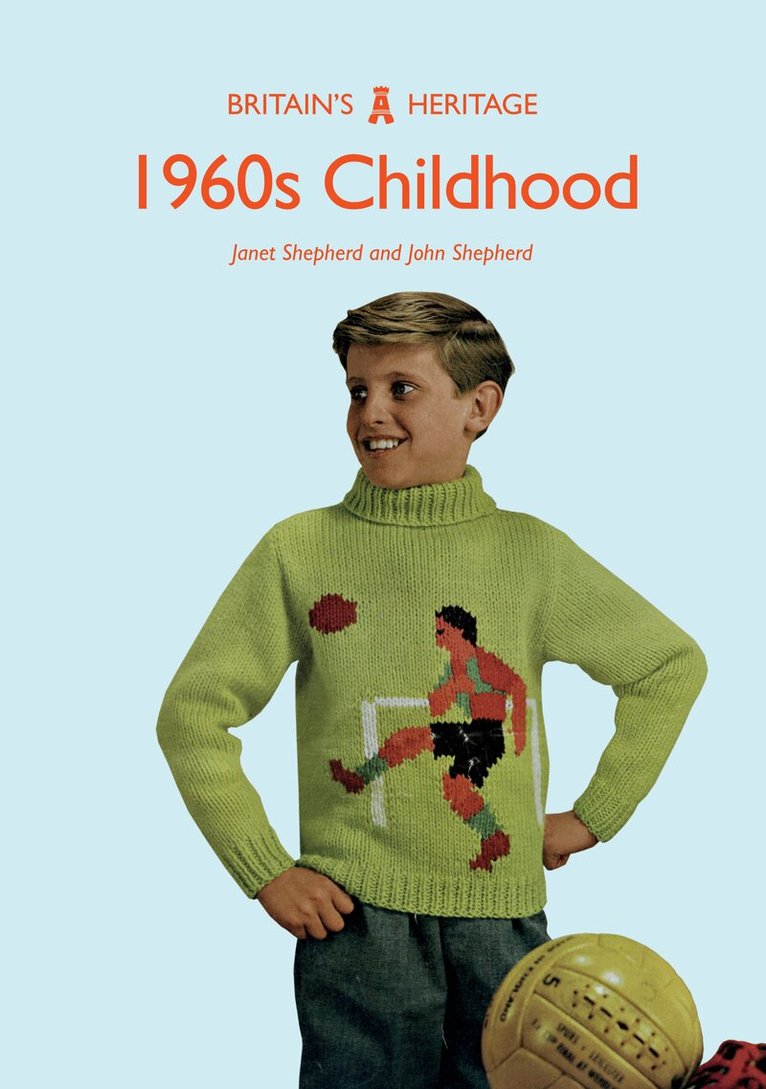
Sixties children grew up in a more permissive and commercial age. They enjoyed a childhood in which new vaccines gave children protection from life threatening diseases while the contraceptive pill meant smaller family groups. A controversial programme of comprehensive education began to be rolled out while primary schools would become less rigid and more centred on the needs of the child. This was also the first young generation not to be conscripted into the armed forces.Rising prosperity and rapid technological advances meant more children lived in homes with refrigerators, washing machines and science-inspired toys. Parents had more leisure time to spend with their children and television became the norm. Sixties children routinely travelled in cars and went on family holidays, increasingly abroad. Sweets and toys were plentiful in this first full decade without rationing. Teenagers had money to spend on fashion, pop music and, worryingly, drugs. The Beatles began to dominate the vinyl record market.This book is part of the Britain’s Heritage series, which provides definitive introductions to the riches of Britain’s past, and is the perfect way to get acquainted with a 1960s childhood in all its variety.
109 kr
Skickas
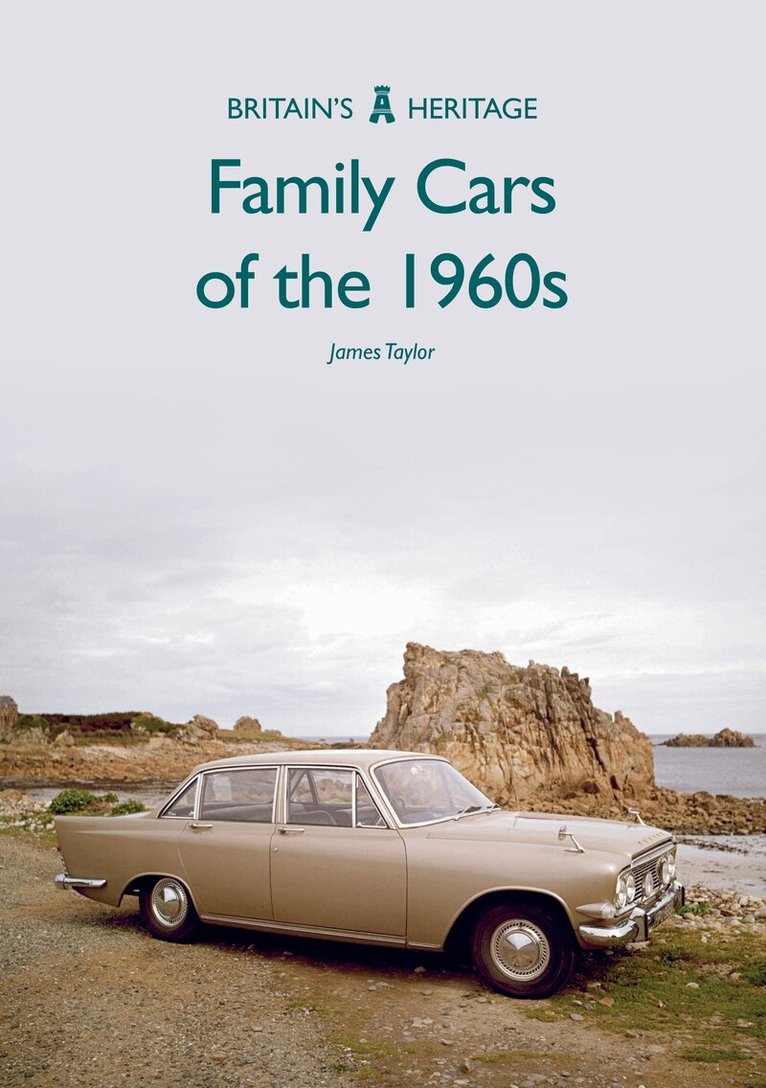
The 1960s saw car ownership take off in Britain, as the newly opened motorways created new opportunities for travel – on family holidays, to visit relatives, or for work. The kinds of cars the British drove also changed. Small economy cars in particular helped to swell the numbers on the roads, while safety concerns started to have a greater influence on design. Larger cars for the wealthy few were joined by a new breed of ‘executive’ saloons and family runabouts.Although they may seem crude by modern standards they were perfectly in keeping with their times. This was a period when Britain still thought it produced the best cars in the world – and was struggling to accept that its golden age was over. Many old-established British makes disappeared in this decade, challenged by a gradually increasing number of imports. But the 1960s was a decade in which many families came to own and cherish a car for the first time, with the greater convenience and freedom it gave.This book is part of the Britain’s Heritage series, which provides definitive introductions to the riches of Britain’s past, and is the perfect way to get acquainted with family cars of the 1960s in all their variety.
107 kr
Skickas
England is a nation of gardeners and most of us garden in suburbia. A private paradise encompassed by privet, the suburban garden contains in its small compass the hopes and dreams of millions of gardeners past and present.From Victorian shrubberies to the 1980s ‘Good Life’, these small plots reveal the ever-changing aspirations and realities of the suburban dweller. Lauded by estate agents and satirised in literature, suburban plots are scattered with seating, sundials, goldfish ponds, and that most divisive of features: the overgrown hedge. With one foot in the country and one in the town, suburban garden style wavers from rural retreat to urban chic, decorative to productive, floral to formal. At its heart it is defined by its location and its size. Neglected by history, and sometimes in reality, this book celebrates the gardens that make up the green patchwork of suburbia.This book is part of the Britain’s Heritage series, which provides definitive introductions to the riches of Britain’s past, and is the perfect way to get acquainted with Suburban Gardens in all their variety.
110 kr
Skickas
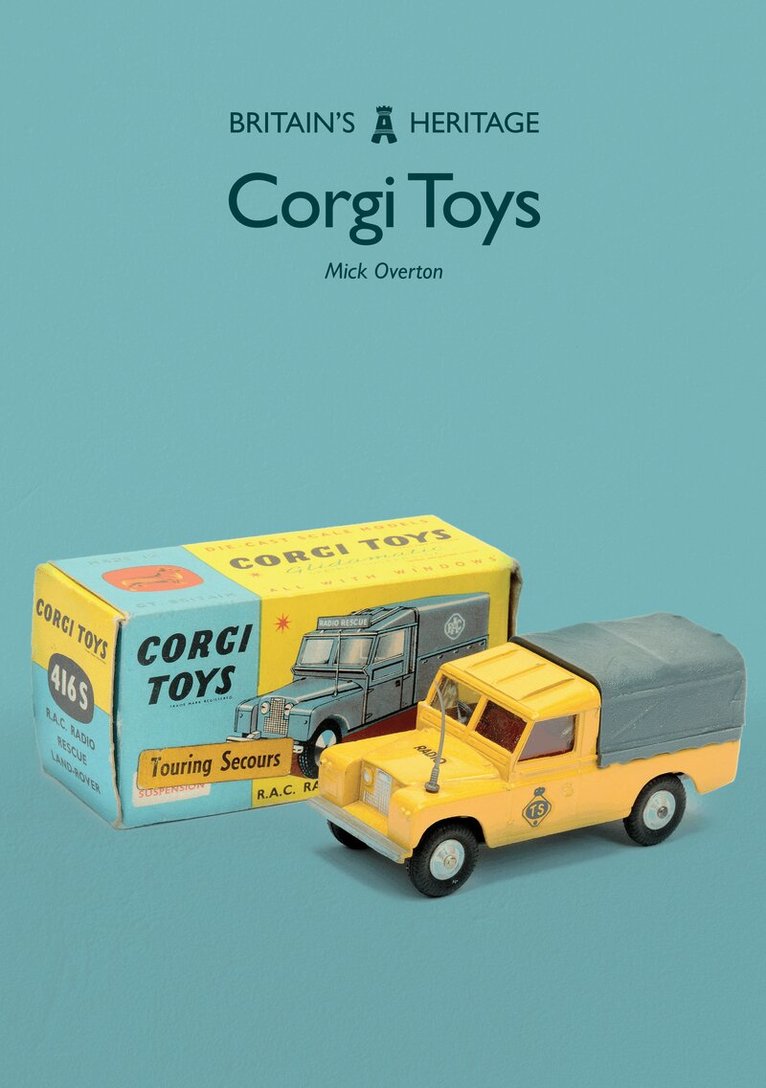
The Corgi model of James Bond’s Aston Martin DB5 is the best-selling toy car ever produced and found a place in the hearts of children of all ages around the world.Corgi Toys was founded in Swansea in 1956 and was always highly innovative, introducing many new gimmicks that children loved. Corgi became the first maker of zinc diecast toy cars to compete successfully with Dinky Toys and the Matchbox 1-75 series made by Lesney.Author Mick Overton provides an informative introduction to Corgi Toys, illustrated with beautiful, previously unpublished photographs that show the most desirable variants worth collecting when spotted in an antique store or at a car-boot sale. He also covers the pitfalls of Ebay, fakes and customs.This book is part of the Britain’s Heritage series, which provides definitive introductions to the riches of Britain’s past, and is the perfect way to get acquainted with Corgi Toys in all their variety.
110 kr
Skickas
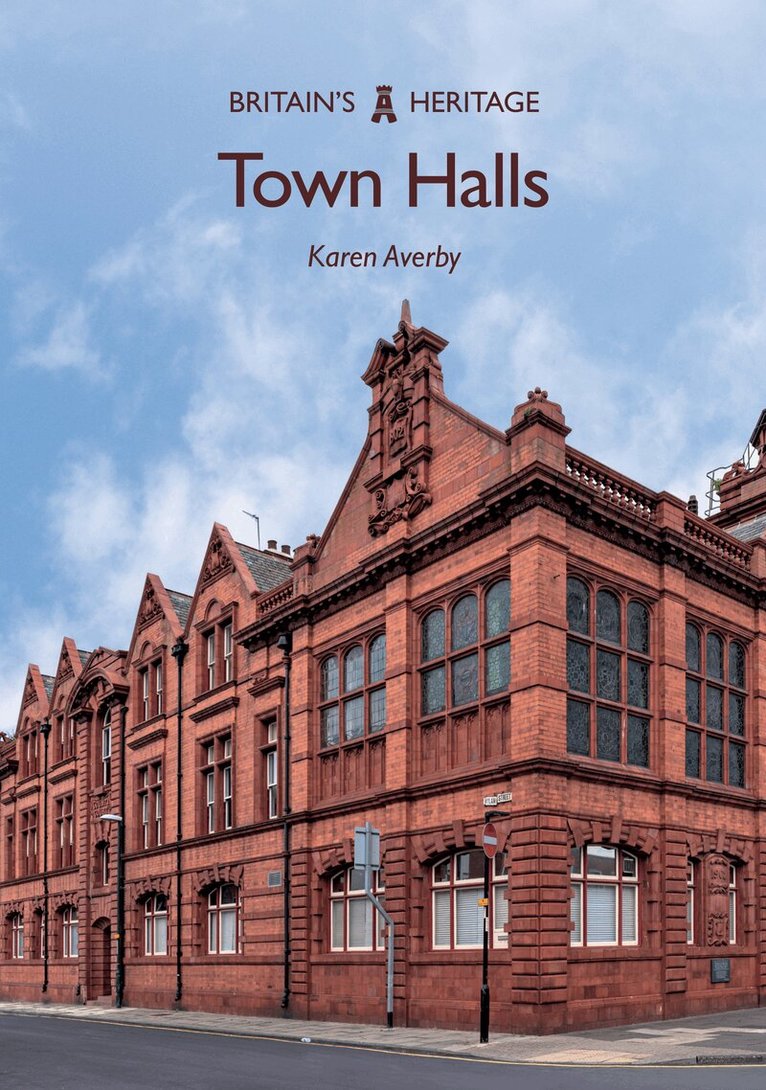
Bastions of civic architecture, town halls are a prominent part of the urban landscape of towns and cities throughout Britain.They are part of a long tradition dating back centuries, when the town hall began to embody power and authority within local society and politics. Their design and decoration are a fascinating reflection of these centres of power, and architecturally they reflect the periods in which they were built, from the classical revival and Gothic styles of the nineteenth century to the art deco of the 1930s, and the modernist buildings of the mid- to later twentieth century. This book traces their historical development from their early beginnings to the present day, at a time when many are being repurposed as they become redundant, while others have opened themselves up for more secular use.This book is part of the Britain’s Heritage series, which provides definitive introductions to the riches of Britain’s past, and is the perfect way to get acquainted with town halls in all their variety.
107 kr
Skickas
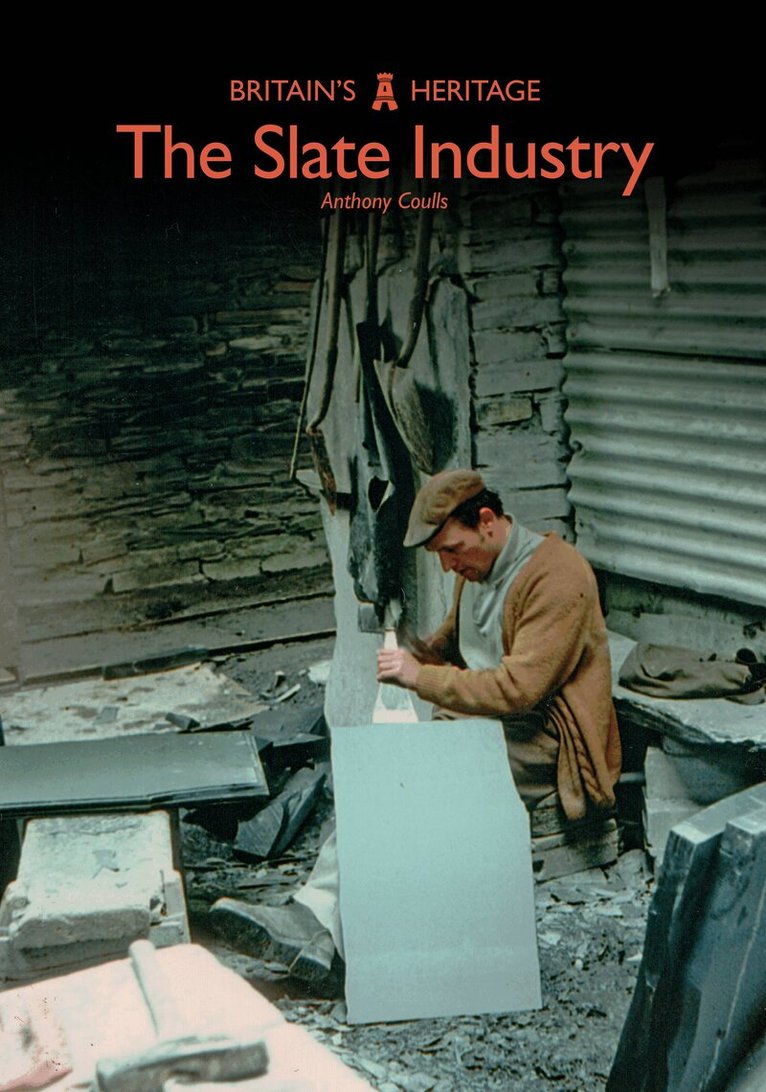
Slate from British quarries roofed the world. For a period in the nineteenth century, ships exported thousands of tons of roofing slate from the UK to an international market. The development of slate as a roofing material drove the business of extraction, but many other slate products have been made as well, including writing slates, electrical installations and even snooker tables.Slate is synonymous with North Wales, where a bid for World Heritage Site status is being made for the landscape formed by quarrying, but there was also a slate industry in Leicestershire, Cornwall and Cumbria. The enormous physical remains of the quarries themselves have sometimes developed as tourist attractions and at other times have been left as landscape features ripe for exploration and discovery.This book is part of the Britain’s Heritage series, which provides definitive introductions to the riches of Britain’s past, and is the perfect way to get acquainted with the slate industry in all its variety.
107 kr
Skickas
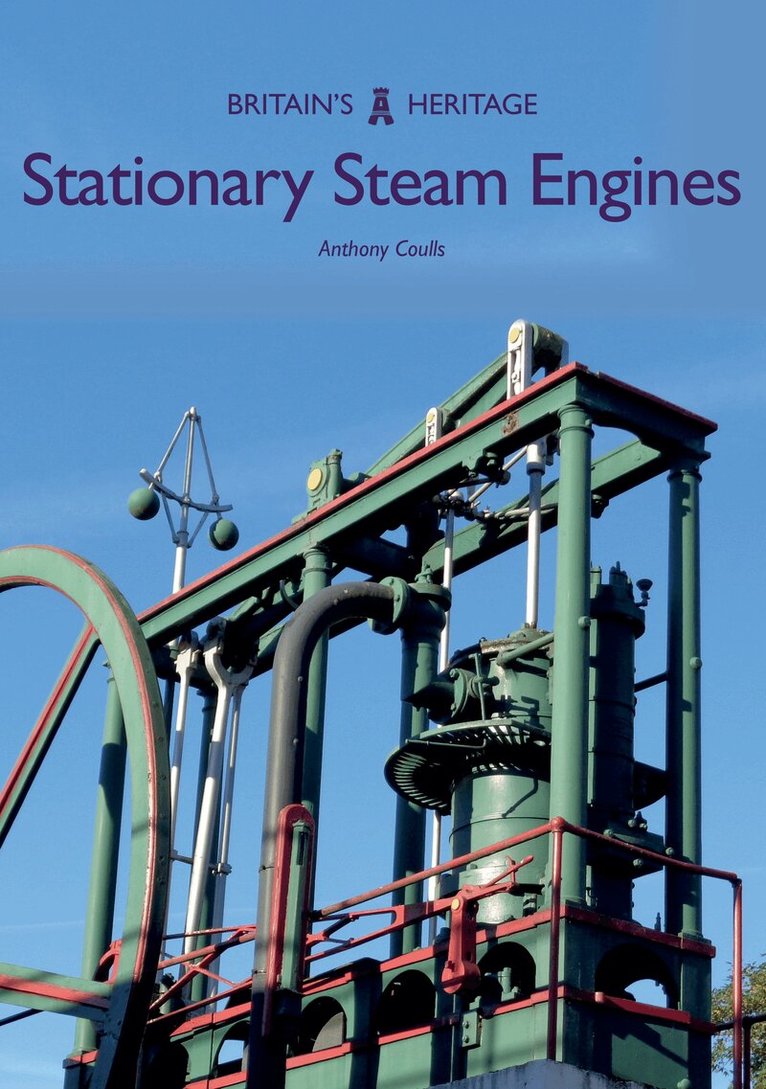
Stationary steam engines were the quiet powerhouses of the Industrial Revolution. They provided the driving force behind every manufacturing process for well over a century, as well as drainage of mines and allowing clean water supplies for the majority of our towns and cities. From a small sewage pump at the edge of a field of a few horsepower, to a 12,000 horsepower leviathan rolling armoured plate for battleships, these wonders of the steam age kept working for many decades, unseen by many, but often loved by the men who operated and maintained them. The engine houses they were kept in could be plain or ornate, and a rich variety of boilers provided the steam for them.This book looks at all of these aspects and what it was like to run a large steam engine for industry. The legacy of these iron giants is seen in the dozens of engines preserved for posterity all over the UK, in museums or in their original locations, giving thousands of people the chance to see them or enjoy getting involved in their preservation.This book is part of the Britain’s Heritage series, which provides definitive introductions to the riches of Britain’s past, and is the perfect way to get acquainted with stationary steam engines in all their variety.
111 kr
Skickas
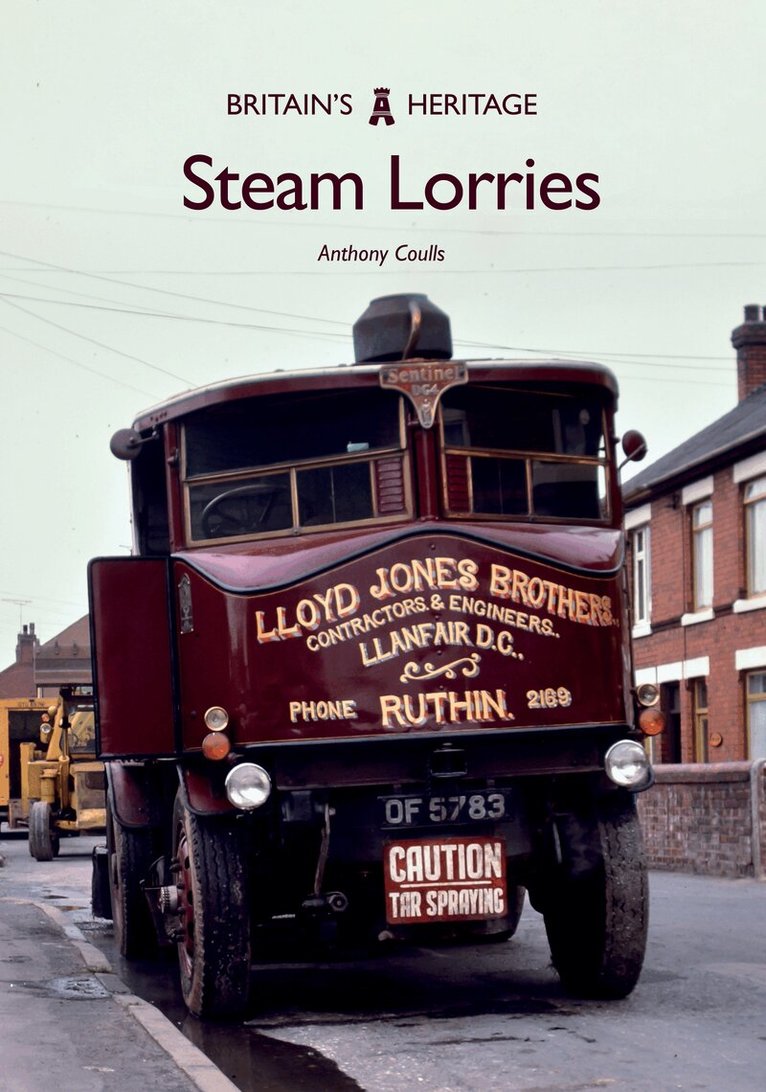
Steam power led the transport revolution in England throughout the nineteenth century, but was crippled on the road network by punitive legislation. As the century turned, the laws were altered in such a way that the development of the English Steam Lorry or Wagon became a viable transport proposition.For the best part of four decades, the steam lorry was a major player on the transport scene, being developed into a highly technical machine designed to beat competition from the petrol and diesel lorry. The most advanced machines were efficient and very fast. Made by a variety of builders, including the famous Sentinel company of Shrewsbury, who built waggons with a double ‘g’, and Foden, of Sandbach, steam lorries came in many shapes and sizes. This book looks at their birth, and the operation and engineering that set them aside from the traction engine and steam roller.This book is part of the Britain’s Heritage series, which provides definitive introductions to the riches of Britain’s past, and is the perfect way to get acquainted with steam lorries in all their variety.
107 kr
Skickas
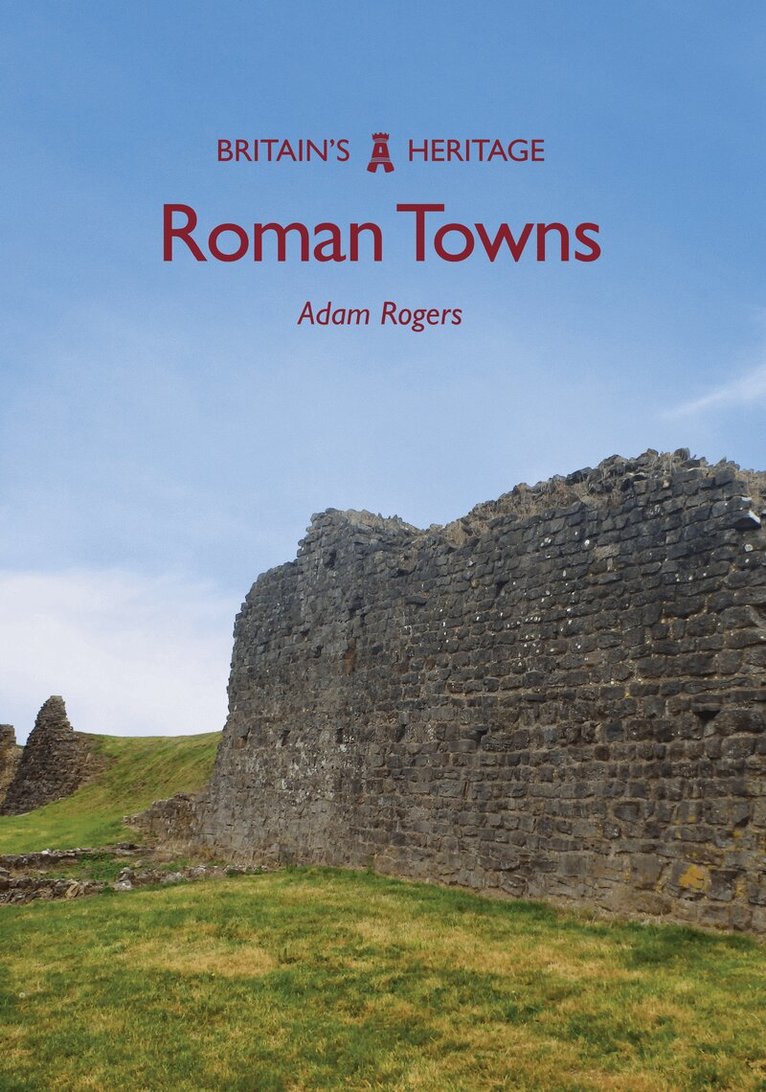
Britain has a rich urban history with many of its towns and cities overlying Roman period archaeology and incorporating Roman remains. In further cases, Roman towns now lie beneath fields and agricultural land because settlement did not continue, or took a different form, in later periods. These Roman towns have been a source of study since the days of antiquarians while through modern archaeology exploration our knowledge and understanding of these settlements and their origins continues to evolve. As part of the Roman Empire, a range of new urban settlements developed across Britain. These had some similarities with cities across the empire but also provincial and individual differences. They also developed within pre-existing landscapes that were already rich in settlement, with local circumstances and identities playing an important part in the nature of each Roman town.This book explores the nature of the archaeology of these towns and what it tells us about the development and function of these settlements, how they shaped lives and what we know about their inhabitants. Making use of the latest archaeological material and theories, the book reveals Britain’s Roman towns, and how their characteristics were formed by both Britain’s position within the Roman Empire and their local settings.
113 kr
Skickas
Since the dawn of the railways, away from the glamour of the main line express, thousands of miles of industrial railway moved raw materials and finished products. From sewage works to sugar factories, all manner of industries were served. These sometimes employed dozens of locomotives, or in other cases simply a horse or a petrol tractor.The Beckton gas works in London ran a massive railway, complete with locomotive roundhouse and signals, while the ironstone industry of the East Midlands operated on the edge of fields. It can be said that one was never more than a mile or two from an industrial railway, though often its existence might not have been well known. A corncucopia of locomotives provided power, while a fantastic array of specialist wagons moved all manner of goods. A few industrial lines have survived as heritage attractions, and one is even a Scheduled Ancient Monument.This book is part of the Britain’s Heritage series, which provides definitive introductions to the riches of Britain’s past, and is the perfect way to get acquainted with Industrial Railways in all their variety.