British Archaeological Association Romanesque Transactions - Böcker
Visar alla böcker i serien British Archaeological Association Romanesque Transactions. Handla med fri frakt och snabb leverans.
6 produkter
6 produkter
2 386 kr
Skickas inom 10-15 vardagar
The 23 chapters in this volume explore the material culture of sanctity in Latin Europe and the Mediterranean between c. 1000 and c. 1220, with a focus on the ways in which saints and relics were enshrined, celebrated, and displayed.Reliquary cults were particularly important during the Romanesque period, both as a means of affirming or promoting identity and as a conduit for the divine. This book covers the geography of sainthood, the development of spaces for reliquary display, the distribution of saints across cities, the use of reliquaries to draw attention to the attributes, and the virtues or miracle-working character of particular saints. Individual essays range from case studies on Verona, Hildesheim, Trondheim and Limoges, the mausoleum of Lazarus at Autun, and the patronage of Mathilda of Canossa, to reflections on local pilgrimage, the deployment of saints as physical protectors, the use of imagery where possession of a saint was disputed, island sanctuaries, and the role of Templars and Hospitallers in the promotion of relics from the Holy Land. This book will serve historians and archaeologists studying the Romanesque period, and those interested in material culture and religious practice in Latin Europe and the Mediterranean c.1000–c.1220.
679 kr
Skickas inom 10-15 vardagar
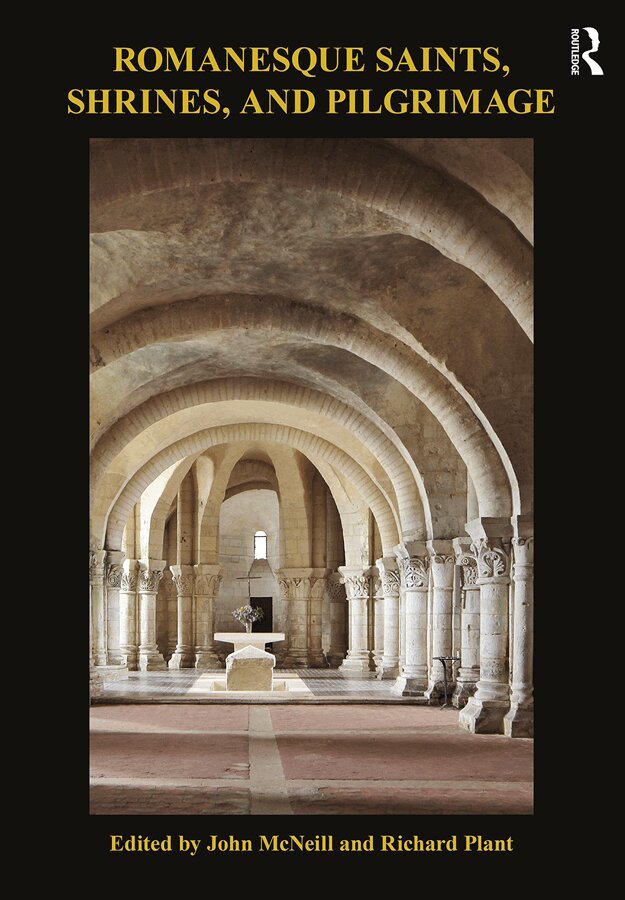
The 23 chapters in this volume explore the material culture of sanctity in Latin Europe and the Mediterranean between c. 1000 and c. 1220, with a focus on the ways in which saints and relics were enshrined, celebrated, and displayed.Reliquary cults were particularly important during the Romanesque period, both as a means of affirming or promoting identity and as a conduit for the divine. This book covers the geography of sainthood, the development of spaces for reliquary display, the distribution of saints across cities, the use of reliquaries to draw attention to the attributes, and the virtues or miracle-working character of particular saints. Individual essays range from case studies on Verona, Hildesheim, Trondheim and Limoges, the mausoleum of Lazarus at Autun, and the patronage of Mathilda of Canossa, to reflections on local pilgrimage, the deployment of saints as physical protectors, the use of imagery where possession of a saint was disputed, island sanctuaries, and the role of Templars and Hospitallers in the promotion of relics from the Holy Land. This book will serve historians and archaeologists studying the Romanesque period, and those interested in material culture and religious practice in Latin Europe and the Mediterranean c.1000–c.1220.
581 kr
Skickas inom 10-15 vardagar
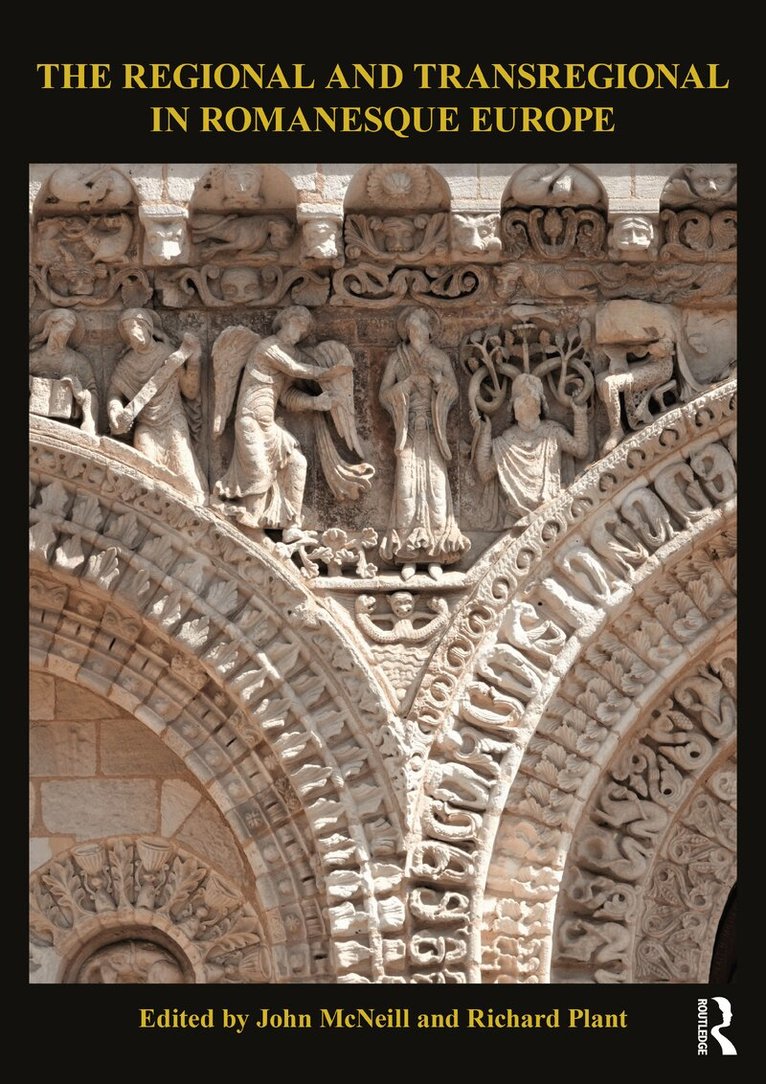
The Regional and Transregional in Romanesque Europe considers the historiography and usefulness of regional categories and in so doing explores the strength, durability, mutability, and geographical scope of regional and transregional phenomena in the Romanesque period.This book addresses the complex question of the significance of regions in the creation of Romanesque, particularly in relation to transregional and pan-European artistic styles and approaches. The categorization of Romanesque by region was a cornerstone of 19th- and 20th-century scholarship, albeit one vulnerable to the application of anachronistic concepts of regional identity. Individual chapters explore the generation and reception of forms, the conditions that give rise to the development of transregional styles and the agencies that cut across territorial boundaries. There are studies of regional styles in Aquitaine, Castile, Sicily, Hungary, and Scandinavia; workshops in Worms and the Welsh Marches; the transregional nature of liturgical furnishings; the cultural geography of the new monastic orders; metalworking in Hildesheim and the valley of the Meuse; and the links which connect Piemonte with Conques.The Regional and Transregional in Romanesque Europe offers a new vision of regions in the creation of Romanesque relevant to archaeologists, art historians, and historians alike.
2 176 kr
Skickas inom 10-15 vardagar
The Regional and Transregional in Romanesque Europe considers the historiography and usefulness of regional categories and in so doing explores the strength, durability, mutability, and geographical scope of regional and transregional phenomena in the Romanesque period.This book addresses the complex question of the significance of regions in the creation of Romanesque, particularly in relation to transregional and pan-European artistic styles and approaches. The categorization of Romanesque by region was a cornerstone of 19th- and 20th-century scholarship, albeit one vulnerable to the application of anachronistic concepts of regional identity. Individual chapters explore the generation and reception of forms, the conditions that give rise to the development of transregional styles and the agencies that cut across territorial boundaries. There are studies of regional styles in Aquitaine, Castile, Sicily, Hungary, and Scandinavia; workshops in Worms and the Welsh Marches; the transregional nature of liturgical furnishings; the cultural geography of the new monastic orders; metalworking in Hildesheim and the valley of the Meuse; and the links which connect Piemonte with Conques.The Regional and Transregional in Romanesque Europe offers a new vision of regions in the creation of Romanesque relevant to archaeologists, art historians, and historians alike.
595 kr
Skickas inom 10-15 vardagar
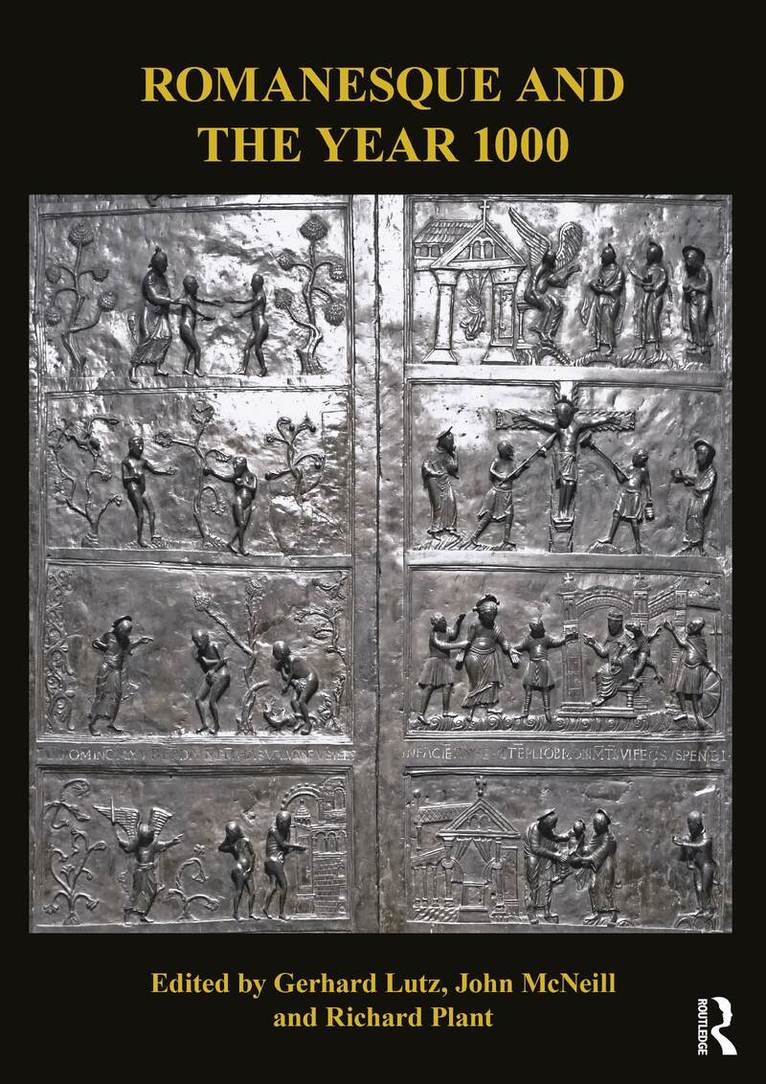
Romanesque and the Year 1000 examines the art and architecture of the Latin West between c. 970 and c. 1030, a period which witnessed crucial developments in iconography and stylistic expression across a wide range of media.Despite the complex political situation in late 10th-century Europe – a period marked by chaos in some areas and the effective exercise of authority in others – the last quarter of the century saw an apparent upsurge in artistic production in the Empire, southern Britain, Lombardy, the Alps, and the Mediterranean, albeit one whose survival rate is low. The decades after the millennium have left a larger residue of work, notably in France, Catalonia and northern Italy, but were the 1020s artistically more dynamic than the 980s? How might we describe the cultural climate of the Latin West between c. 970 and c. 1030? Individual chapters examine the influence of Carolingian art on artistic production around 1000; the emergence of new approaches to architecture in France, Germany, England and northern Italy; and the response of artists to perceived order and disorder at the turn of the millennium. There are studies of architectural sculpture in Catalonia and Castile, new town foundation in Saxony, and monastic architecture in southern Britain, together with examinations of Ottonian sarcophagi, book covers in gold and ivory, the wall-paintings at Reichenau, the patronage of Willigis at Mainz and Robert the Pious in northern France, the early Romanesque of Poland and Hungary, and the reflection of a new type of affective piety in the manuscript illumination of late Anglo-Saxon England.Romanesque and the Year 1000 presents a wealth of new research in artistic production at a critical period and is of interest to art historians, archaeologists, and historians alike.
2 176 kr
Skickas inom 10-15 vardagar
Romanesque and the Year 1000 examines the art and architecture of the Latin West between c. 970 and c. 1030, a period which witnessed crucial developments in iconography and stylistic expression across a wide range of media.Despite the complex political situation in late 10th-century Europe – a period marked by chaos in some areas and the effective exercise of authority in others – the last quarter of the century saw an apparent upsurge in artistic production in the Empire, southern Britain, Lombardy, the Alps, and the Mediterranean, albeit one whose survival rate is low. The decades after the millennium have left a larger residue of work, notably in France, Catalonia and northern Italy, but were the 1020s artistically more dynamic than the 980s? How might we describe the cultural climate of the Latin West between c. 970 and c. 1030? Individual chapters examine the influence of Carolingian art on artistic production around 1000; the emergence of new approaches to architecture in France, Germany, England and northern Italy; and the response of artists to perceived order and disorder at the turn of the millennium. There are studies of architectural sculpture in Catalonia and Castile, new town foundation in Saxony, and monastic architecture in southern Britain, together with examinations of Ottonian sarcophagi, book covers in gold and ivory, the wall-paintings at Reichenau, the patronage of Willigis at Mainz and Robert the Pious in northern France, the early Romanesque of Poland and Hungary, and the reflection of a new type of affective piety in the manuscript illumination of late Anglo-Saxon England.Romanesque and the Year 1000 presents a wealth of new research in artistic production at a critical period and is of interest to art historians, archaeologists, and historians alike.