British Literature in Transition – Serie
Visar alla böcker i serien British Literature in Transition. Handla med fri frakt och snabb leverans.
5 produkter
5 produkter
1 613 kr
Skickas inom 7-10 vardagar
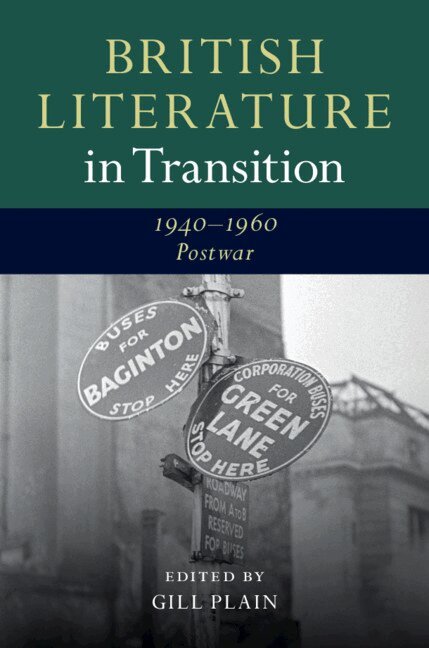
'Postwar' is both a period and a state of mind, a sensibility comprised of hope, fear and fatigue in which British society and its writers paradoxically yearned both for political transformation and a nostalgic re-instatement of past securities. From the Labour landslide victory of 1945 to the emergence of the Cold War and the humiliation of Suez in 1956, this was a period of radical political transformation in Britain and beyond, but these changes resisted literary assimilation. Arguing that writing and history do not map straightforwardly one onto the other, and that the postwar cannot easily be fitted into the explanatory paradigms of modernism or postmodernism, this book offers a more nuanced recognition of what was written and read in the period. From wartime radio writing to 1950s travellers, cold war poetry to radical theatre, magazine cultures to popular fiction, this volume examines important debates that animated postwar Britain.
1 613 kr
Skickas inom 7-10 vardagar
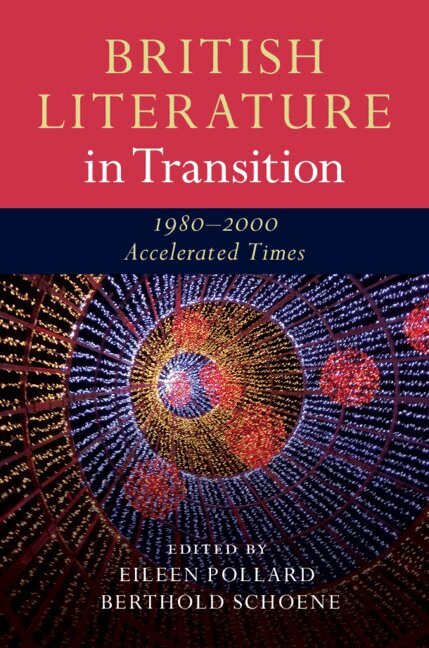
The literature of twentieth-century Britain's final twenty years represents a crash course in transitional history. In the aftermath of the 1970s, the nation's hopes of becoming more efficient were high, leading to the fundamental domestic shake-up that was Margaret Thatcher's neoliberal revolution (1979-90). Following the end of the Cold War, Europe was undergoing radical rejuvenation, while the world as a whole began to thrive on new levels of connectivity and proximity brought through rapid advances in communication technology. Later, in the 1990s, Britons were asked to countenance not only internal devolution, but also the crystallisation of a brand-new European and global order. This volume shows how British literature recorded contemporaneous historical change. It traces the emergence and evolution of literary trends as well as enduring transitional shifts in genre, tone, style and thematic preoccupation.
1 613 kr
Skickas inom 7-10 vardagar
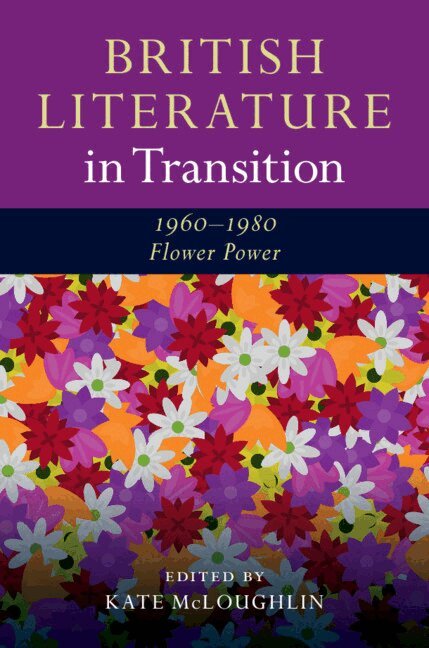
This volume traces transitions in British literature brought about by the rapid, momentous and far-reaching changes of the 1960s and 1970s, illuminating a diverse range of authors, texts, genres and movements. It looks at innovations in form, considering experimental poetry, fiction and drama, and explores the literature of emergent identities in race, gender, sexuality and class. It considers changes in attitudes and in the mind itself: the growth of environmentalism, perceptions of the past, psychedelia, the sexual revolution, and information control. It examines local and regional developments, visiting Wales, Scotland, Northern Ireland and northern England. Finally, it focuses on shifts within the oeuvres of individual authors - two poets, two dramatists and a novelist: Philip Larkin and Ted Hughes, Harold Pinter and Caryl Churchill, and Iris Murdoch.
1 499 kr
Skickas
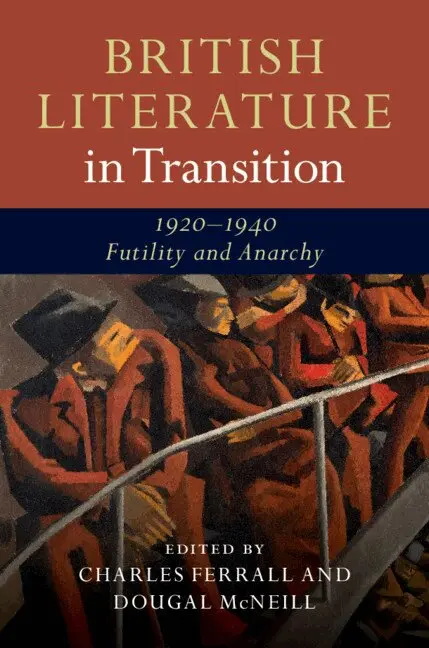
Literature from the 'political' 1930s has often been read in contrast to the 'aesthetic' 1920s. This collection suggests a different approach. Drawing on recent work expanding our sense of the political and aesthetic energies of interwar modernisms, these chapters track transitions in British literature. The strains of national break-up, class dissension and political instability provoked a new literary order, and reading across the two decades between the wars exposes the continuing pressure of these transitions. Instead of following familiar markers - 1922, the Crash, the Spanish Civil War - or isolating particular themes from literary study, this collection takes key problems and dilemmas from literature 'in transition' and reads them across familiar and unfamiliar cultural works and productions, in their rich and contradictory context of publication. Themes such as gender, sexuality, nation and class are thus present throughout these essays. Major writers such as Woolf are read alongside forgotten and marginalised voices.
1 458 kr
Skickas inom 7-10 vardagar
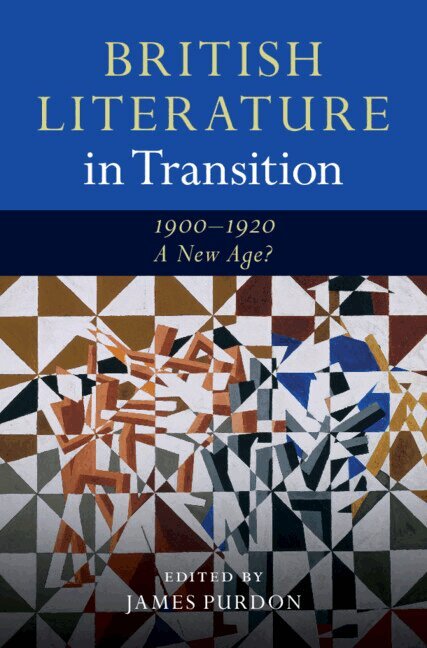
During the first two decades of the twentieth century, Britain's imperial power and influence was at its height. These were years of daring, when adventurers sounded the mysteries of the deep sea and the distant poles, aviators sped through the skies, and new media technologies transformed communication. They were years of social upheaval, during which long-suppressed voices - particularly those of women, of the labouring classes, and of colonial subjects - grew louder and demanded to be heard. They were years of violence, of insurrection and political agitation, and of imperial conflicts that would encompass continents. By subjecting specific developments in literature and related culture to a fine-grained and historically-informed analysis, British Literature in Transition, 1900-1920: A New Age? explores the writing of this extraordinary period in all its complexity and vibrancy.