BSPS Open - Böcker
Visar alla böcker i serien BSPS Open. Handla med fri frakt och snabb leverans.
8 produkter
8 produkter
612 kr
Skickas inom 7-10 vardagar
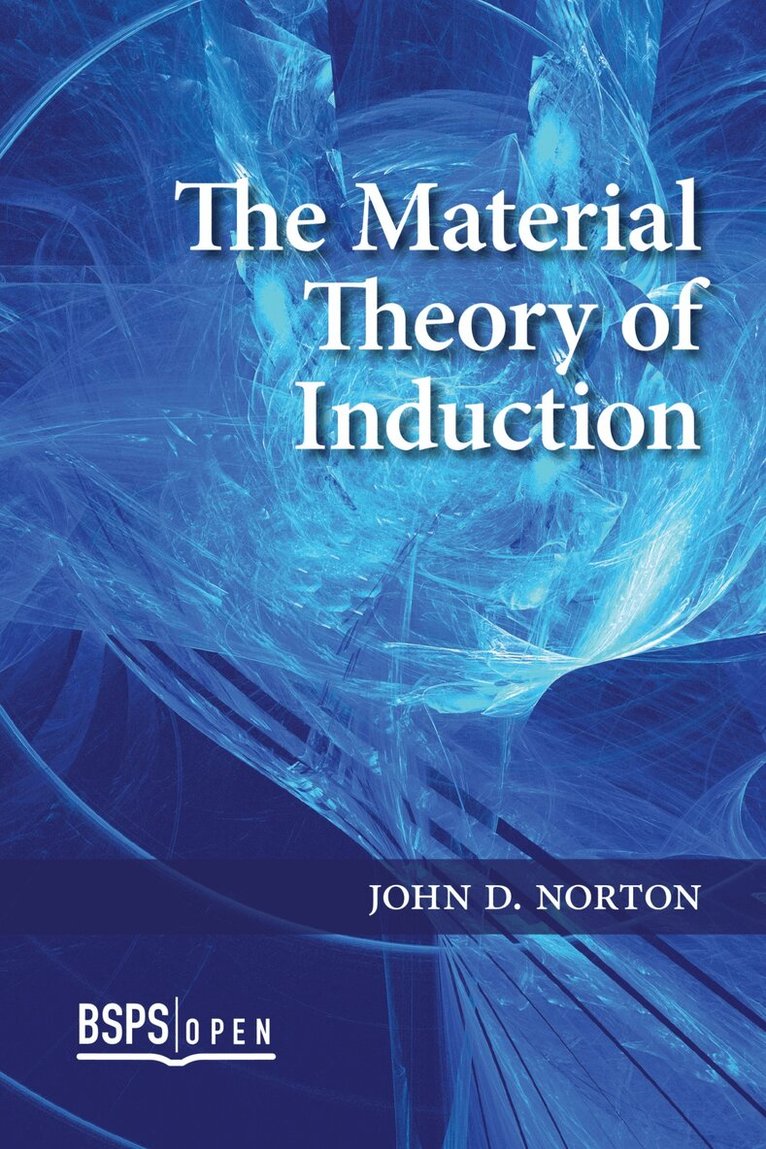
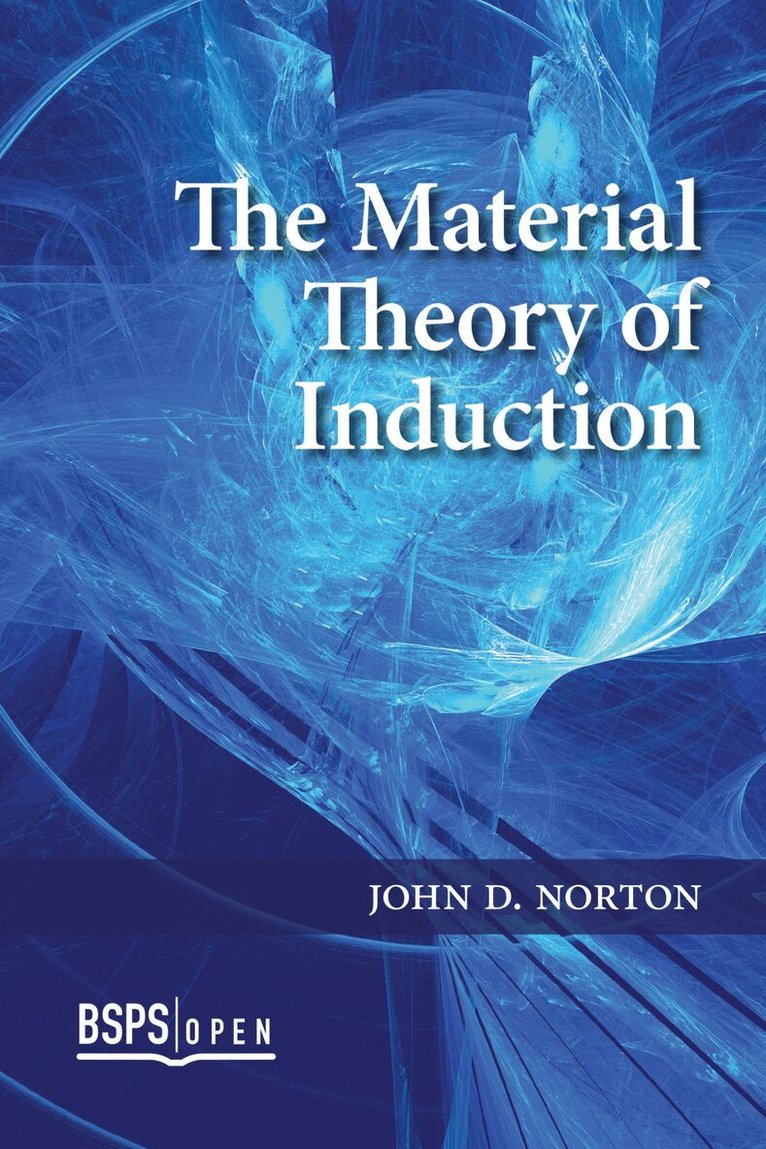
The fundamental burden of a theory of inductive inference is to determine which are the good inductive inferences or relations of inductive support and why it is that they are so. The traditional approach is modeled on that taken in accounts of deductive inference. It seeks universally applicable schemas or rules or a single formal device, such as the probability calculus. After millennia of halting efforts, none of these approaches has been unequivocally successful and debates between approaches persist.The Material Theory of Induction identifies the source of these enduring problems in the assumption taken at the outset: that inductive inference can be accommodated by a single formal account with universal applicability. Instead, it argues that that there is no single, universally applicable formal account. Rather, each domain has an inductive logic native to it. Which that is, and its extent, is determined by the facts prevailing in that domain.Paying close attention to how inductive inference is conducted in science and copiously illustrated with real-world examples, The Material Theory of Induction will initiate a new tradition in the analysis of inductive inference.
1 269 kr
Skickas inom 7-10 vardagar
The fundamental burden of a theory of inductive inference is to determine which are the good inductive inferences or relations of inductive support and why it is that they are so. The traditional approach is modeled on that taken in accounts of deductive inference. It seeks universally applicable schemas or rules or a single formal device, such as the probability calculus. After millennia of halting efforts, none of these approaches has been unequivocally successful and debates between approaches persist.The Material Theory of Induction identifies the source of these enduring problems in the assumption taken at the outset: that inductive inference can be accommodated by a single formal account with universal applicability. Instead, it argues that that there is no single, universally applicable formal account. Rather, each domain has an inductive logic native to it. Which that is, and its extent, is determined by the facts prevailing in that domain.Paying close attention to how inductive inference is conducted in science and copiously illustrated with real-world examples, The Material Theory of Induction will initiate a new tradition in the analysis of inductive inference.
1 765 kr
Skickas inom 7-10 vardagar
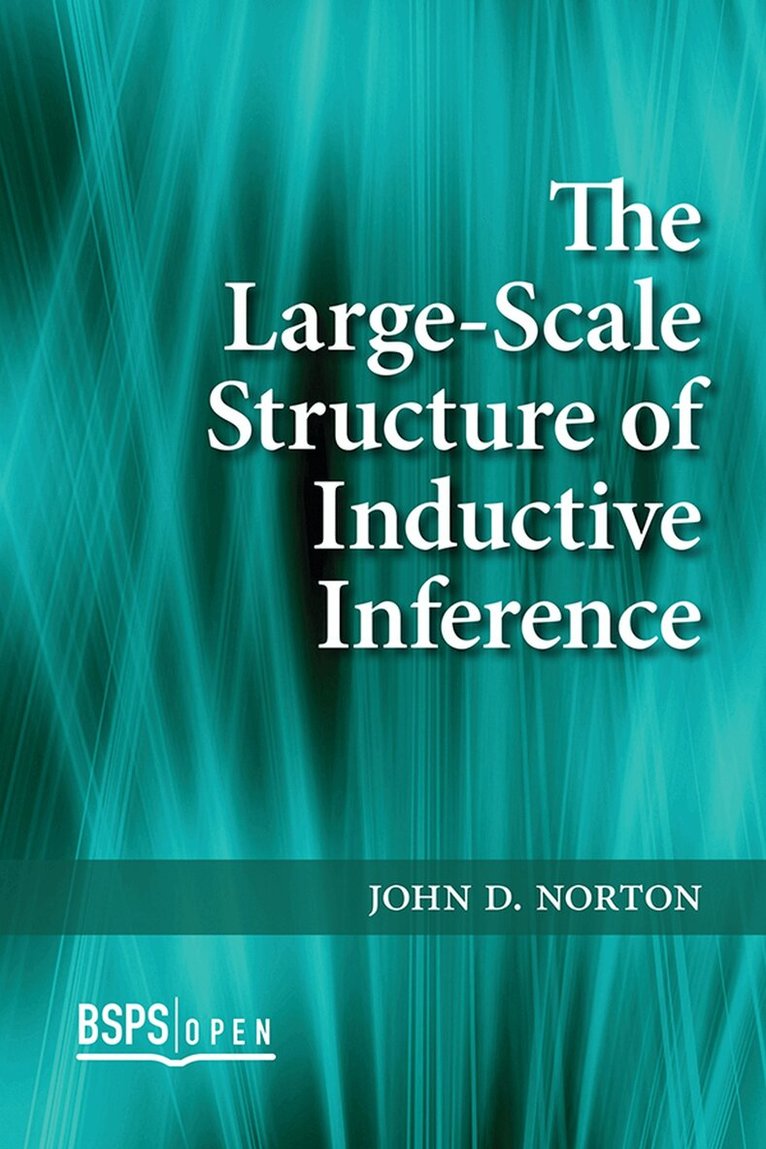
The Large-Scale Structure of Inductive Inference investigates the relations of inductive support on the large scale, among the totality of facts comprising a science or science in general. These relations form a massively entangled, non-hierarchical structure which is discovered by provisional hypotheses that are later supported by other facts drawn from the entirety of the science. What results is a benignly circular, self-supporting inductive structure in which universal rules are not employed, the classical Humean problem cannot be formulated and analogous regress arguments fail.Building upon and furthering The Material Theory of Induction, this book presents general claims and arguments for the large-scale relations of inductive support according to the material theory of induction, in which inductive inferences are not warranted by universal rules but by facts particular to each context. It begins with a thorough discussion of general claims and arguments for the large-scale structure of inductive relations, followed by case studies in the history of science that support, and further illustrate, those claims.With The Large-Scale Structure of Inductive Inference, author John D. Norton presents a novel, thoroughly researched, and sustained remedy to the enduring failures of formal approaches of inductive inference.
612 kr
Skickas inom 7-10 vardagar
The Large-Scale Structure of Inductive Inference investigates the relations of inductive support on the large scale, among the totality of facts comprising a science or science in general. These relations form a massively entangled, non-hierarchical structure which is discovered by provisional hypotheses that are later supported by other facts drawn from the entirety of the science. What results is a benignly circular, self-supporting inductive structure in which universal rules are not employed, the classical Humean problem cannot be formulated and analogous regress arguments fail.Building upon and furthering The Material Theory of Induction, this book presents general claims and arguments for the large-scale relations of inductive support according to the material theory of induction, in which inductive inferences are not warranted by universal rules but by facts particular to each context. It begins with a thorough discussion of general claims and arguments for the large-scale structure of inductive relations, followed by case studies in the history of science that support, and further illustrate, those claims.With The Large-Scale Structure of Inductive Inference, author John D. Norton presents a novel, thoroughly researched, and sustained remedy to the enduring failures of formal approaches of inductive inference.
1 765 kr
Skickas inom 7-10 vardagar
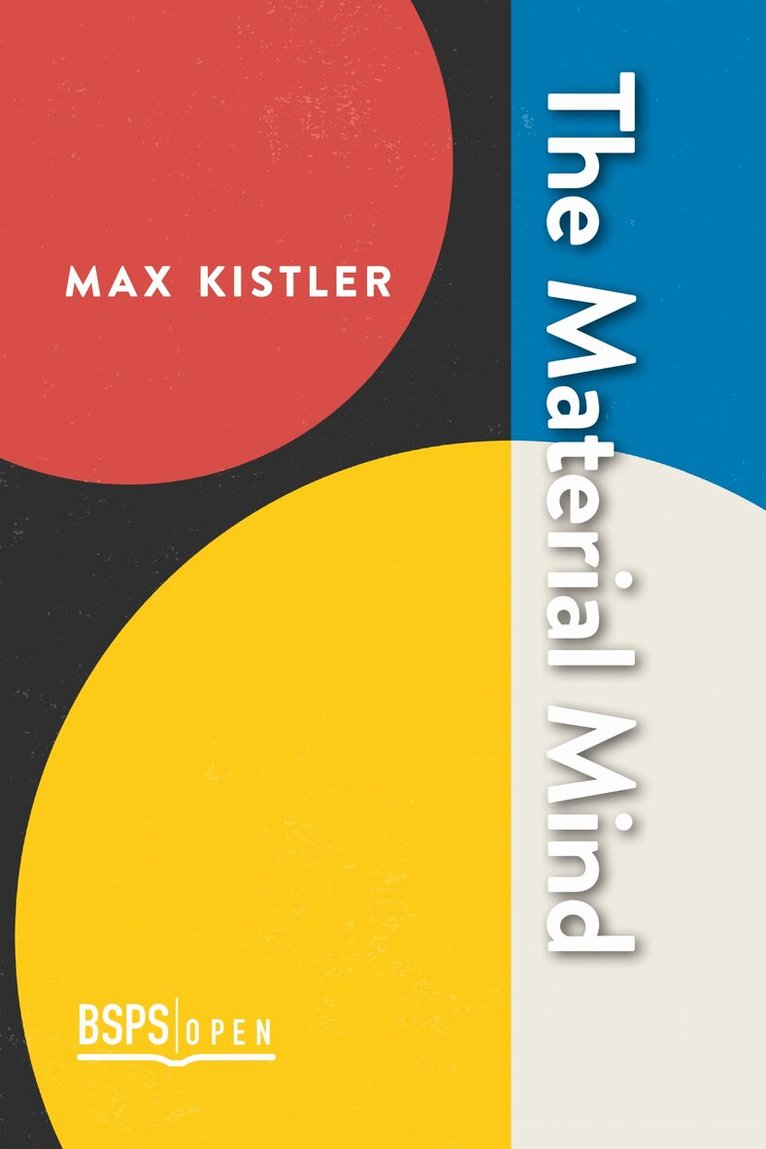
The idea that persons or animals possess properties of two types, physical and mental, or psychological and cognitive, inevitably raises the question of how such cognitive properties can be causally efficacious, with respect to other cognitive, physiological, or physical properties, of the person herself or her environment. People, though composed exclusively of atoms like any other material object, have emergent properties that none of those components possess. Among them are cognitive properties. These properties give a person the power to cause both cognitive and physiological events and processes. The Material Mind defends a version of reductionist materialism. It modifies the conceptual framework of the debate by situating psychological and physiological properties of persons within a hierarchy of levels of reality. The Material Mind develops a concept of reduction that is compatible both with scientific change and with the possibility of multiple reduction bases. It shows that cognitive and other higher-level properties can be construed as causal powers, develops a concept of emergence compatible with reduction, and shows that the integration of the mind into a scientific conception of the world does not deprive mental properties and events of causal efficacy. The book defends the possibility of downward causation of physiological effects by cognitive causes, by questioning the justification of both the principle of the causal closure of the physical domain and the principle of causal-explanatory exclusion.
612 kr
Skickas inom 7-10 vardagar
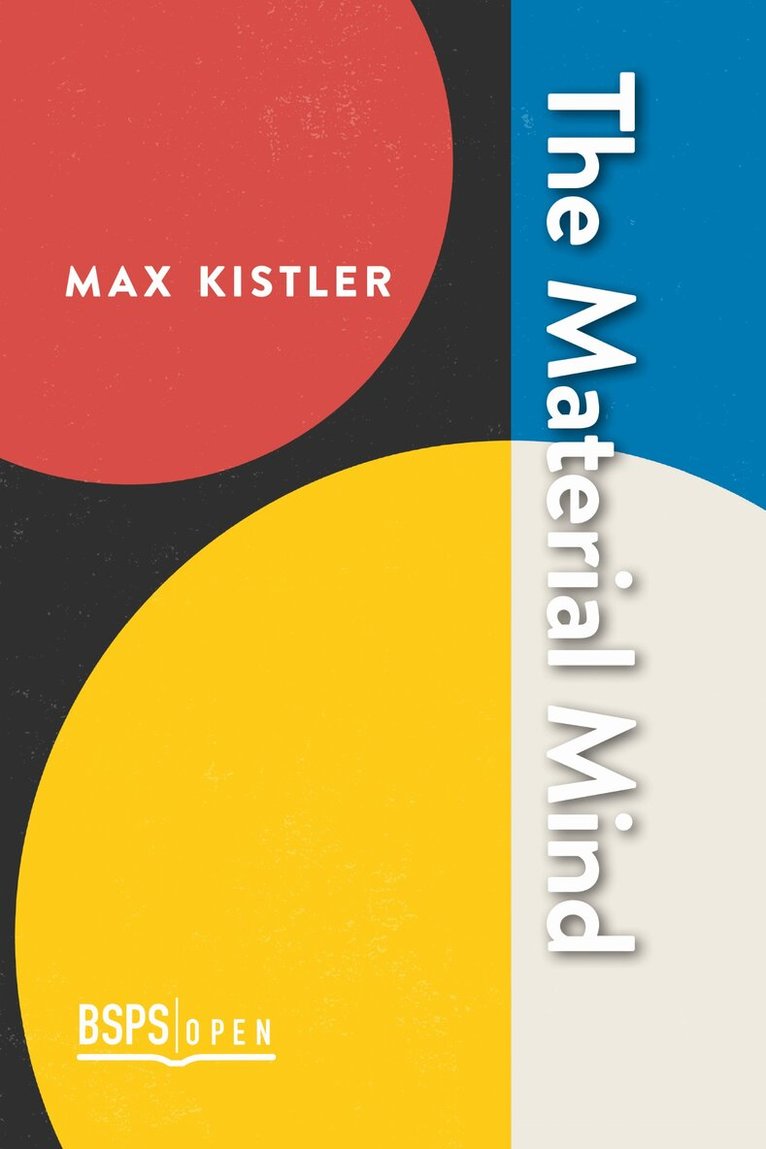
The idea that persons or animals possess properties of two types, physical and mental, or psychological and cognitive, inevitably raises the question of how such cognitive properties can be causally efficacious, with respect to other cognitive, physiological, or physical properties, of the person herself or her environment. People, though composed exclusively of atoms like any other material object, have emergent properties that none of those components possess. Among them are cognitive properties. These properties give a person the power to cause both cognitive and physiological events and processes. The Material Mind defends a version of reductionist materialism. It modifies the conceptual framework of the debate by situating psychological and physiological properties of persons within a hierarchy of levels of reality. The Material Mind develops a concept of reduction that is compatible both with scientific change and with the possibility of multiple reduction bases. It shows that cognitive and other higher-level properties can be construed as causal powers, develops a concept of emergence compatible with reduction, and shows that the integration of the mind into a scientific conception of the world does not deprive mental properties and events of causal efficacy. The book defends the possibility of downward causation of physiological effects by cognitive causes, by questioning the justification of both the principle of the causal closure of the physical domain and the principle of causal-explanatory exclusion.
1 837 kr
Kommande
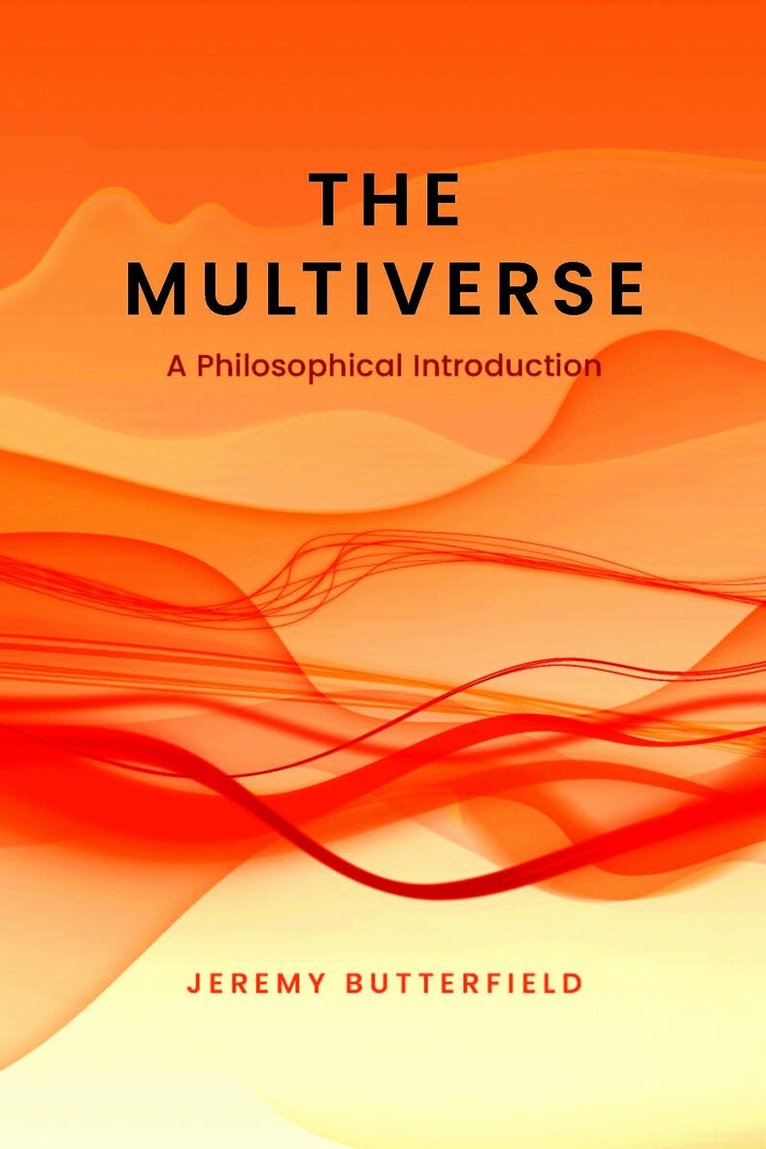
The Multiverse is an introduction to the idea that our universe is just one of many universes. Philosophers have proposed that all logically possible universes are equally real. In physics, the many-worlds interpretation of quantum mechanics proposes that every possible outcome of a quantum event exists in its own world.Leading philosopher Jeremy Butterfield presents and assesses three versions of the idea of the multiverse, one from philosophy and two from physics. He explores the ideas of logically possible worlds, the branches of the quantum state, and the bubbles of inflationary cosmology. For each idea, he selects one philosophical question to explore in depth: what is a possible world, what is chance, and what is explanation?Written for students and newcomers, The Multiverse provides an explanation of leading theories, without requiring any prerequisites in philosophy or physics. This book will lead readers to a proper academic understanding of multiverse proposals in logic, quantum theory, and cosmology.
586 kr
Kommande
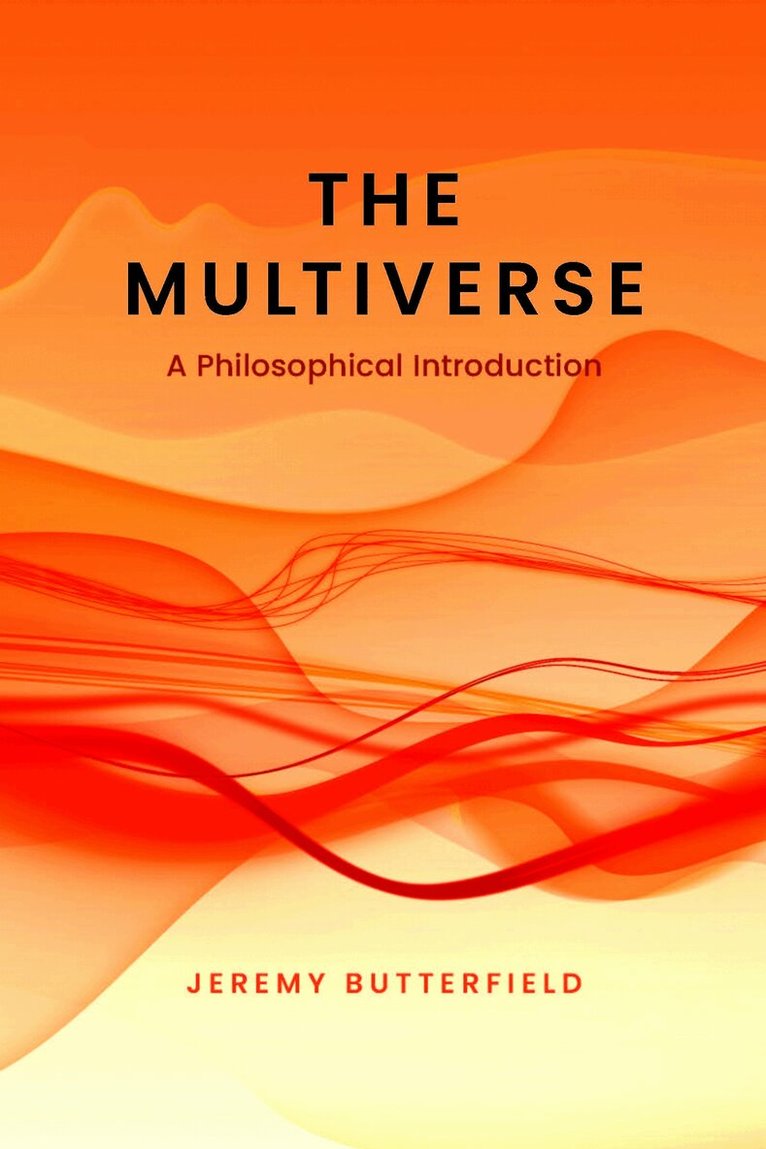
The Multiverse is an introduction to the idea that our universe is just one of many universes. Philosophers have proposed that all logically possible universes are equally real. In physics, the many-worlds interpretation of quantum mechanics proposes that every possible outcome of a quantum event exists in its own world. Leading philosopher Jeremy Butterfield presents and assesses three versions of the idea of the multiverse, one from philosophy and two from physics. He explores the ideas of logically possible worlds, the branches of the quantum state, and the bubbles of inflationary cosmology. For each idea, he selects one philosophical question to explore in depth: what is a possible world, what is chance, and what is explanation? Written for students and newcomers, The Multiverse provides an explanation of leading theories, without requiring any prerequisites in philosophy or physics. This book will lead readers to a proper academic understanding of multiverse proposals in logic, quantum theory, and cosmology.