Buddhist Philosophy For Philosophers - Böcker
Visar alla böcker i serien Buddhist Philosophy For Philosophers. Handla med fri frakt och snabb leverans.
6 produkter
6 produkter
1 304 kr
Skickas inom 5-8 vardagar
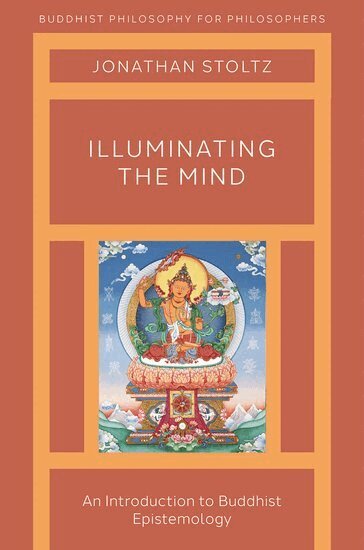
Illuminating the Mind puts the field of Buddhist epistemology in conversation with contemporary debates in philosophy. Jonathan Stoltz provides readers with an introduction to epistemology within the Buddhist intellectual tradition in a manner that is accessible to those whose primary background is in the “Western” tradition of philosophy. The book examines many of the most important topics in the field of epistemology, topics that are central both to contemporary discussions of epistemology and to the classical Buddhist tradition of epistemology in India and Tibet. Among the topics discussed are Buddhist accounts of the nature of knowledge episodes, the defining conditions of perceptual knowledge and of inferential knowledge, the status of testimonial knowledge, and skeptical criticisms of the entire project of epistemology. Stoltz demonstrates how many of the arguments and debates occurring within classical Buddhist epistemological treatises coincide with the arguments and disagreements found in contemporary epistemology. He shows, for example, how Buddhist epistemologists developed an anti-luck epistemology-one that is linked to a sensitivity requirement for knowledge. Likewise, Stoltz explores the question of how the study of Buddhist epistemology can be of relevance to contemporary debates about the value of contributions from experimental epistemologists, and to broader debates concerning the use of philosophical intuitions about knowledge. Illuminating the Mind is essential reading for scholars and students interested in epistemology and its treatment in intellectual traditions beyond Western philosophy.
363 kr
Skickas inom 5-8 vardagar
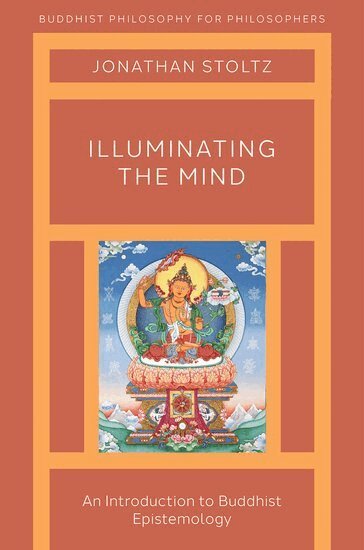
Illuminating the Mind puts the field of Buddhist epistemology in conversation with contemporary debates in philosophy. Jonathan Stoltz provides readers with an introduction to epistemology within the Buddhist intellectual tradition in a manner that is accessible to those whose primary background is in the “Western” tradition of philosophy. The book examines many of the most important topics in the field of epistemology, topics that are central both to contemporary discussions of epistemology and to the classical Buddhist tradition of epistemology in India and Tibet. Among the topics discussed are Buddhist accounts of the nature of knowledge episodes, the defining conditions of perceptual knowledge and of inferential knowledge, the status of testimonial knowledge, and skeptical criticisms of the entire project of epistemology. Stoltz demonstrates how many of the arguments and debates occurring within classical Buddhist epistemological treatises coincide with the arguments and disagreements found in contemporary epistemology. He shows, for example, how Buddhist epistemologists developed an anti-luck epistemology-one that is linked to a sensitivity requirement for knowledge. Likewise, Stoltz explores the question of how the study of Buddhist epistemology can be of relevance to contemporary debates about the value of contributions from experimental epistemologists, and to broader debates concerning the use of philosophical intuitions about knowledge. Illuminating the Mind is essential reading for scholars and students interested in epistemology and its treatment in intellectual traditions beyond Western philosophy.
1 146 kr
Skickas inom 7-10 vardagar
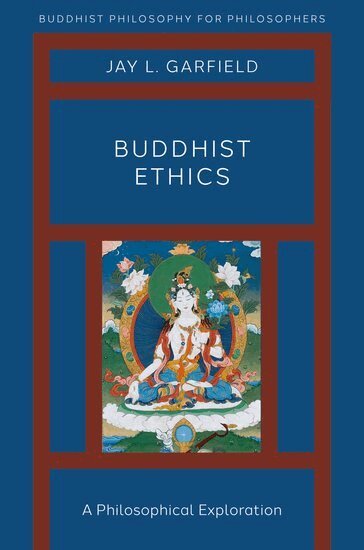
Buddhist Ethics presents an outline of Buddhist ethical thought. It is not a defense of Buddhist approaches to ethics as opposed to any other, nor is it a critique of the Western tradition. Garfield presents a broad overview of a range of Buddhist approaches to the question of moral philosophy. He draws on a variety of thinkers, reflecting the great diversity of this 2500-year-old tradition in philosophy but also the principles that tie them together. In particular, he engages with the literature that argues that Buddhist ethics is best understood as a species of virtue ethics, and with those who argue that it is best understood as consequentialist. Garfield argues that while there are important points of contact with these Western frameworks, Buddhist ethics is distinctive, and is a kind of moral phenomenology that is concerned with the ways in which we experience ourselves as agents and others as moral fellows. With this framework, Garfield explores the connections between Buddhist ethics and recent work in moral particularism, such as that of Jonathan Dancy, as well as the British and Scottish sentimentalist tradition represented by Hume and Smith.
301 kr
Skickas inom 5-8 vardagar
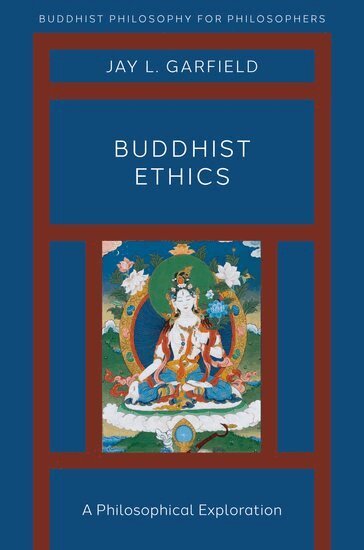
Buddhist Ethics presents an outline of Buddhist ethical thought. It is not a defense of Buddhist approaches to ethics as opposed to any other, nor is it a critique of the Western tradition. Garfield presents a broad overview of a range of Buddhist approaches to the question of moral philosophy. He draws on a variety of thinkers, reflecting the great diversity of this 2500-year-old tradition in philosophy but also the principles that tie them together. In particular, he engages with the literature that argues that Buddhist ethics is best understood as a species of virtue ethics, and with those who argue that it is best understood as consequentialist. Garfield argues that while there are important points of contact with these Western frameworks, Buddhist ethics is distinctive, and is a kind of moral phenomenology that is concerned with the ways in which we experience ourselves as agents and others as moral fellows. With this framework, Garfield explores the connections between Buddhist ethics and recent work in moral particularism, such as that of Jonathan Dancy, as well as the British and Scottish sentimentalist tradition represented by Hume and Smith.
1 304 kr
Skickas inom 5-8 vardagar
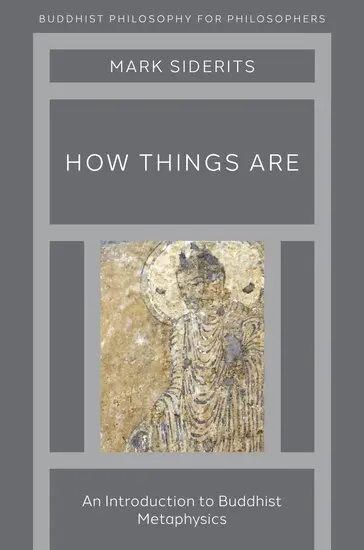
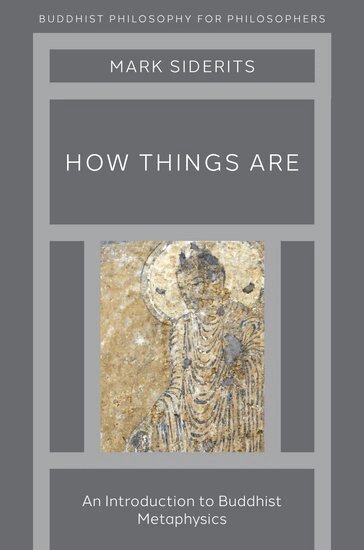
It is widely known that Buddhists deny the existence of the self. However, Buddhist philosophers defend interesting positions on a variety of other issues in fundamental ontology. In particular, they have important things to say about ontological reduction and the nature of the causal relation. Amidst the prolonged debate over global anti-realism, Buddhist philosophers devised an innovative approach to the radical nominalist denial of all universals and real resemblances. While some defend presentism, others propound eternalism. In How Things Are, Mark Siderits presents the arguments that Buddhist philosophers developed on these and other issues. Those with an interest in metaphysics may find new and interesting insights into what the Buddhists had to say about their ideas.This work is designed to introduce some of the more important fruits of Buddhist metaphysical inquiry to philosophers with little or no prior knowledge of that tradition. While there is plenty of scholarship on the Indian Buddhist philosophical tradition, it is primarily concerned with the historical details, often presupposes background knowledge of the major schools and figures, and makes ample use of untranslated Sanskrit technical terms. What has been missing from this area of philosophical inquiry, are studies that make the Buddhist tradition accessible to philosophers who are interested in solving metaphysical problems. This work fills that gap by focusing not on history and texts but on the metaphysical puzzles themselves, and on ways of trying to solve them.
594 kr
Skickas inom 3-6 vardagar
It is widely known that Buddhists deny the existence of the self. However, Buddhist philosophers defend interesting positions on a variety of other issues in fundamental ontology. In particular, they have important things to say about ontological reduction and the nature of the causal relation. Amidst the prolonged debate over global anti-realism, Buddhist philosophers devised an innovative approach to the radical nominalist denial of all universals and real resemblances. While some defend presentism, others propound eternalism. In How Things Are, Mark Siderits presents the arguments that Buddhist philosophers developed on these and other issues. Those with an interest in metaphysics may find new and interesting insights into what the Buddhists had to say about their ideas.This work is designed to introduce some of the more important fruits of Buddhist metaphysical inquiry to philosophers with little or no prior knowledge of that tradition. While there is plenty of scholarship on the Indian Buddhist philosophical tradition, it is primarily concerned with the historical details, often presupposes background knowledge of the major schools and figures, and makes ample use of untranslated Sanskrit technical terms. What has been missing from this area of philosophical inquiry, are studies that make the Buddhist tradition accessible to philosophers who are interested in solving metaphysical problems. This work fills that gap by focusing not on history and texts but on the metaphysical puzzles themselves, and on ways of trying to solve them.