Mark Siderits – författare
Visar alla böcker från författaren Mark Siderits. Handla med fri frakt och snabb leverans.
28 produkter
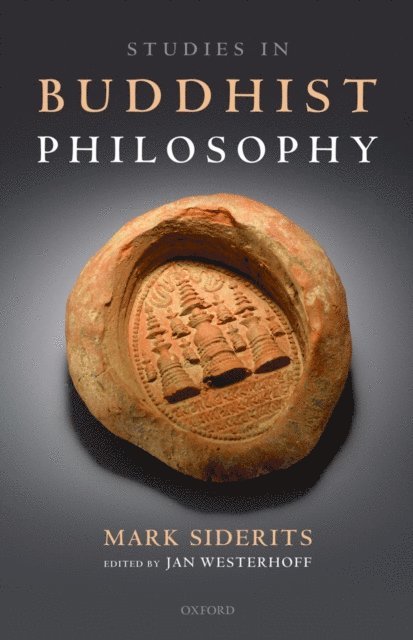
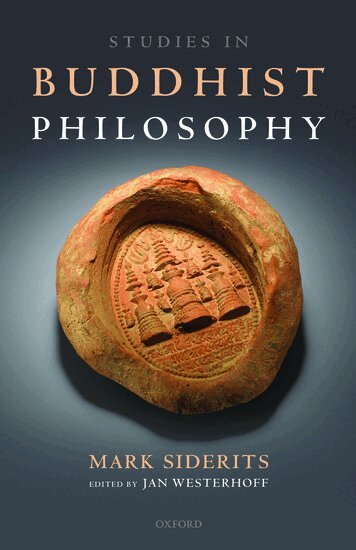
Studies in Buddhist Philosophy
Av Mark Siderits, Jan Westerhoff
E-bok, 2016
1009 kr
Lägg i varukorg
This volume brings together nineteen of Mark Siderits''s most important essays on Buddhist philosophy. Together they cover a wide range of topics, from metaphysics, logic, philosophy of language, epistemology, and ethics, to the specific discussions of the interaction between Buddhist and classical …
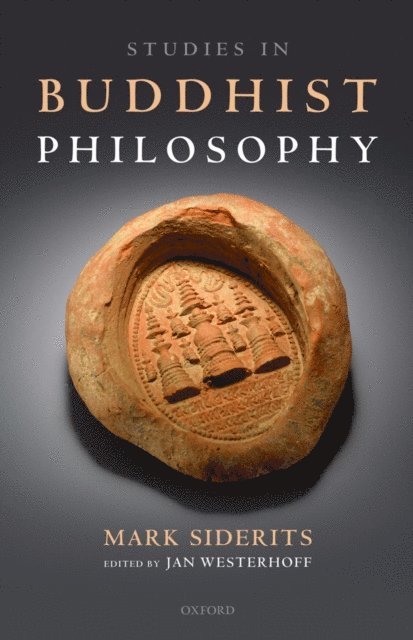
Studies in Buddhist Philosophy
Av Mark Siderits, Jan Westerhoff
E-bok, 2016
1009 kr
Lägg i varukorg
This volume brings together nineteen of Mark Siderits''s most important essays on Buddhist philosophy. Together they cover a wide range of topics, from metaphysics, logic, philosophy of language, epistemology, and ethics, to the specific discussions of the interaction between Buddhist and classical …
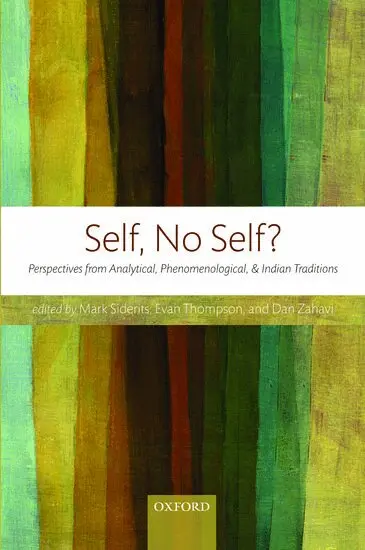
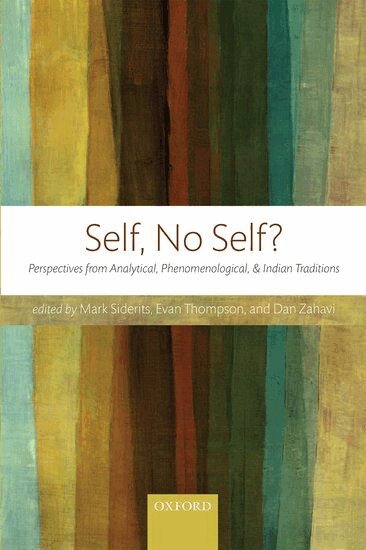
Self, No Self?
Perspectives from Analytical, Phenomenological, and Indian Traditions
Av Dan Zahavi, Evan Thompson m. fl.
E-bok, 2013
457 kr
Lägg i varukorg
The nature and reality of self is a subject of increasing prominence among Western philosophers of mind and cognitive scientists. It has also been central to Indian and Tibetan philosophical traditions for over two thousand years. It is time to bring the rich resources of these traditions into the …
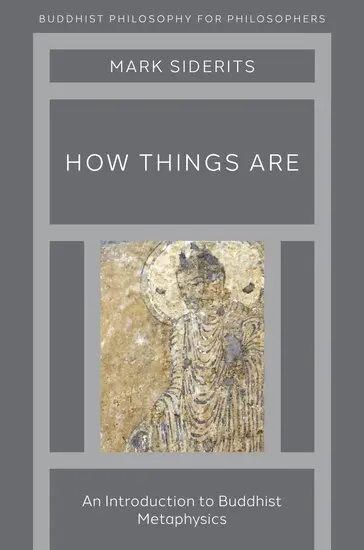
How Things Are
An Introduction to Buddhist Metaphysics
Inbunden, 2022
1646 kr
Lägg i varukorg
It is widely known that Buddhists deny the existence of the self. However, Buddhist philosophers defend interesting positions on a variety of other issues in fundamental ontology. In particular, they have important things to say about ontological reduction and the nature of the causal relation. …
How Things Are
An Introduction to Buddhist Metaphysics
Häftad, 2022
609 kr
Lägg i varukorg
It is widely known that Buddhists deny the existence of the self. However, Buddhist philosophers defend interesting positions on a variety of other issues in fundamental ontology. In particular, they have important things to say about ontological reduction and the nature of the causal relation. …
How Things Are
An Introduction to Buddhist Metaphysics
E-bok, 2021
349 kr
Lägg i varukorg
It is widely known that Buddhists deny the existence of the self. However, Buddhist philosophers defend interesting positions on a variety of other issues in fundamental ontology. In particular, they have important things to say about ontological reduction and the nature of the causal relation. …
How Things Are
An Introduction to Buddhist Metaphysics
E-bok, 2021
349 kr
Lägg i varukorg
It is widely known that Buddhists deny the existence of the self. However, Buddhist philosophers defend interesting positions on a variety of other issues in fundamental ontology. In particular, they have important things to say about ontological reduction and the nature of the causal relation. …
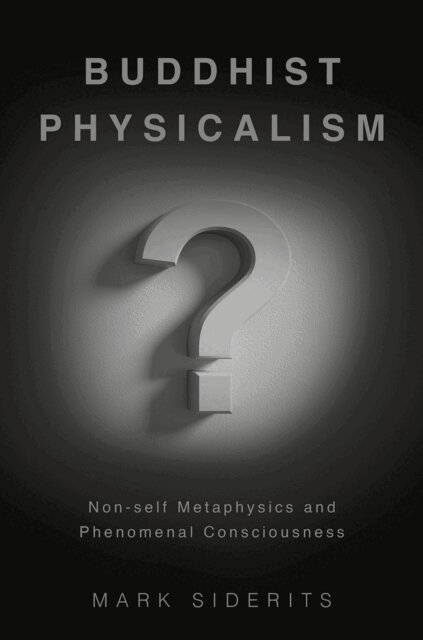
Buddhist Physicalism?
Non-self Metaphysics and Phenomenal Consciousness
Inbunden, 2025
920 kr
Lägg i varukorg
Could physicalism be compatible with Buddhist goals and practices?Mark Siderits considers a question that has the potential to altogether change our understanding of Buddhism. Buddhist Physicalism? is by necessity a work of fusion philosophy -- a conversation between two distinct philosophical …
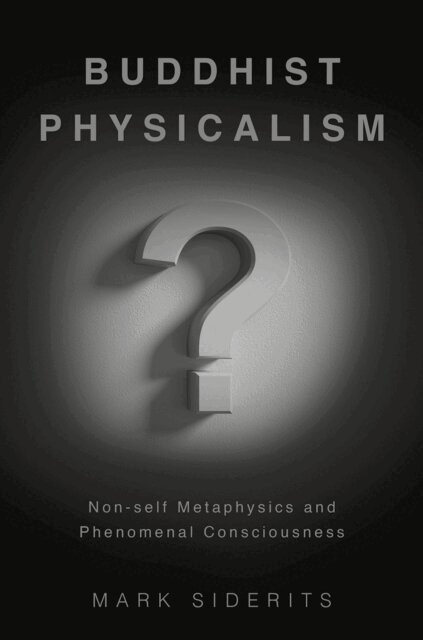
Buddhist Physicalism?
Non-self Metaphysics and Phenomenal Consciousness
E-bok, 2025
978 kr
Lägg i varukorg
Could physicalism be compatible with Buddhist goals and practices?Mark Siderits considers a question that has the potential to altogether change our understanding of Buddhism. Buddhist Physicalism? is by necessity a work of fusion philosophy -- a conversation between two distinct philosophical …
Buddhist Physicalism?
Non-self Metaphysics and Phenomenal Consciousness
E-bok, 2025
978 kr
Lägg i varukorg
Could physicalism be compatible with Buddhist goals and practices?Mark Siderits considers a question that has the potential to altogether change our understanding of Buddhism. Buddhist Physicalism? is by necessity a work of fusion philosophy -- a conversation between two distinct philosophical …
Studies in Buddhist Philosophy
Av Mark Siderits, Jan Westerhoff
Inbunden, 2016
1610 kr
Lägg i varukorg
This volume brings together nineteen of Mark Siderits's most important essays on Buddhist philosophy. Together they cover a wide range of topics, from metaphysics, logic, philosophy of language, epistemology, and ethics, to the specific discussions of the interaction between Buddhist and classical …
Self, No Self?
Perspectives from Analytical, Phenomenological, and Indian Traditions
Av Mark Siderits, Evan Thompson m. fl.
Inbunden, 2010
1898 kr
Lägg i varukorg
The nature and reality of self is a subject of increasing prominence among Western philosophers of mind and cognitive scientists. It has also been central to Indian and Tibetan philosophical traditions for over two thousand years. It is time to bring the rich resources of these traditions into the …
Self, No Self?
Perspectives from Analytical, Phenomenological, and Indian Traditions
Av Mark Siderits, Evan Thompson m. fl.
Häftad, 2013
5,0 utav 5 stjärnor. Totalt antal röster: (1)
667 kr
Lägg i varukorg
The nature and reality of self is a subject of increasing prominence among Western philosophers of mind and cognitive scientists. It has also been central to Indian and Tibetan philosophical traditions for over two thousand years. It is time to bring the rich resources of these traditions into the …
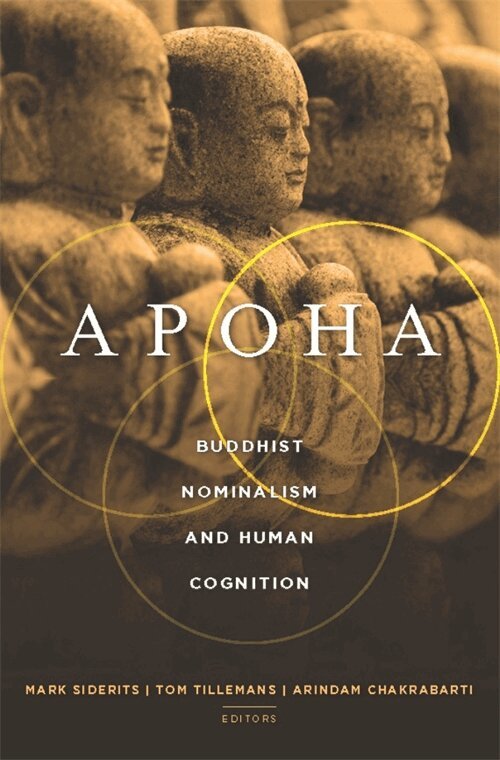
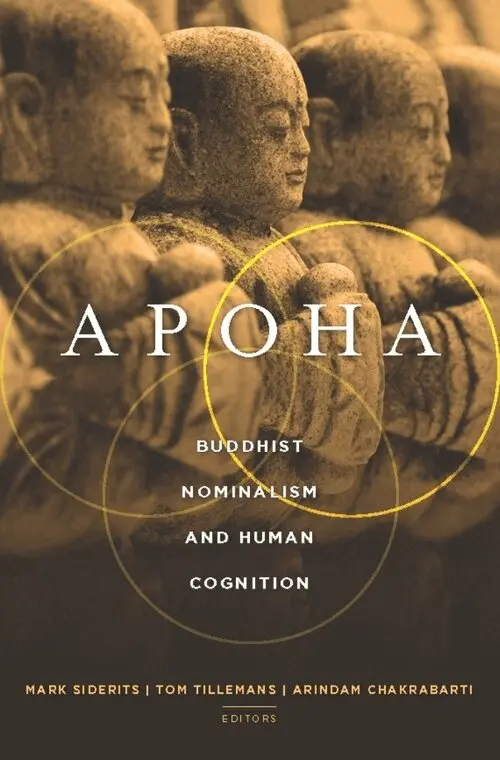
Apoha
Buddhist Nominalism and Human Cognition
Av Mark Siderits, Tom Tillemans m. fl.
Häftad, 2011
322 kr
Lägg i varukorg
When we understand that something is a pot, is it because of one property that all pots share? This seems unlikely, but without this common essence, it is difficult to see how we could teach someone to use the word "pot" or to see something as a pot. The Buddhist apoha theory tries to resolve this …
Apoha
Buddhist Nominalism and Human Cognition
Av Mark Siderits, Tom Tillemans m. fl.
E-bok, 2011
490 kr
Lägg i varukorg
When we understand that something is a pot, is it because of one property that all pots share? This seems unlikely, but without this common essence, it is difficult to see how we could teach someone to use the word "pot" or to see something as a pot. The Buddhist apoha theory tries to resolve this …
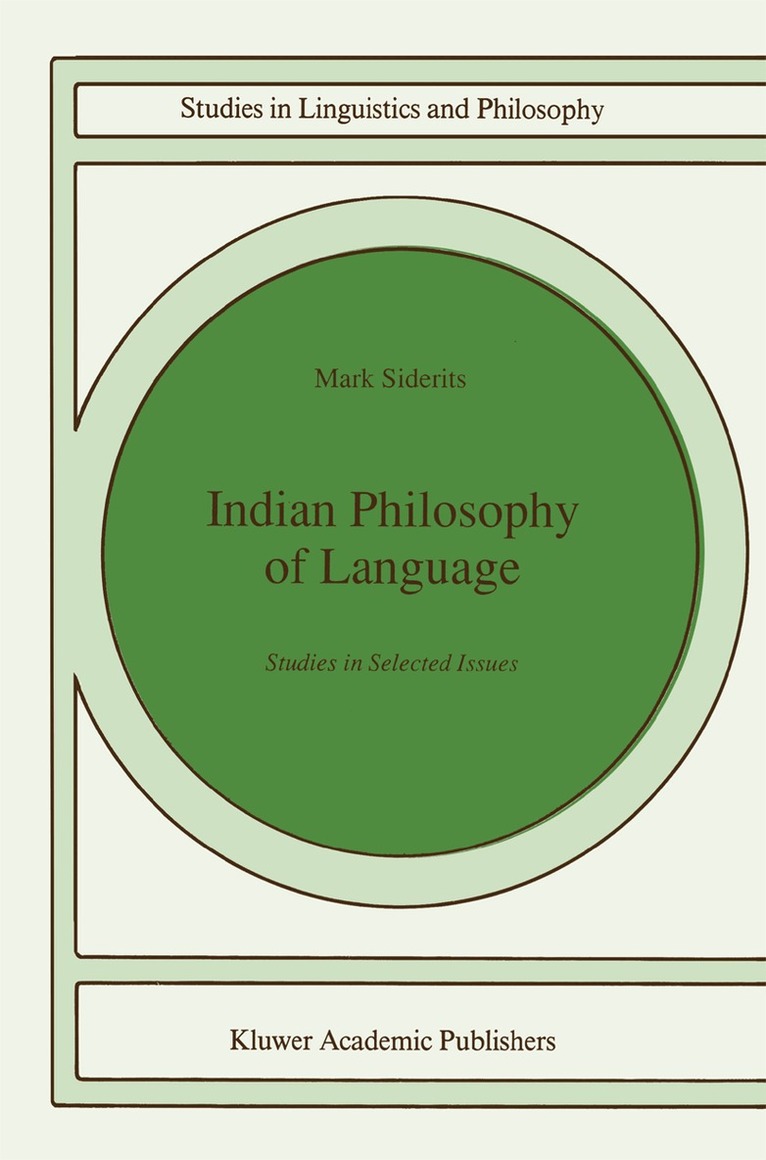
Indian Philosophy of Language
Studies in Selected Issues
Inbunden, 1991
1126 kr
Lägg i varukorg
What can the philosophy of language learn from the classical Indian philosophical tradition? As recently as twenty or thirty years ago this question simply would not have arisen. If a practitioner of analytic philosophy of language of that time had any view of Indian philosophy at all, it was most …
Personal Identity and Buddhist Philosophy
Empty Persons
E-bok, 2017
831 kr
Lägg i varukorg
Since the publication of Mark Siderits'' important book in 2003, much has changed in the field of Buddhist philosophy. There has been unprecedented growth in analytic metaphysics, and a considerable amount of new work on Indian theories of the self and personal identity has emerged. Fully revised …
Personal Identity and Buddhist Philosophy
Empty Persons
E-bok, 2017
813 kr
Lägg i varukorg
Since the publication of Mark Siderits'' important book in 2003, much has changed in the field of Buddhist philosophy. There has been unprecedented growth in analytic metaphysics, and a considerable amount of new work on Indian theories of the self and personal identity has emerged. Fully revised …
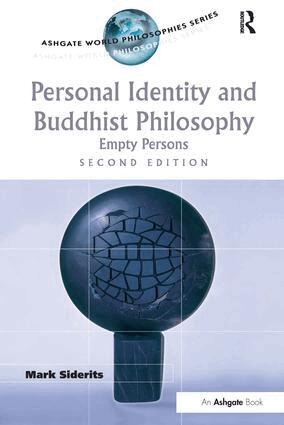
Personal Identity and Buddhist Philosophy
Empty Persons
Häftad, 2015
707 kr
Lägg i varukorg
Since the publication of Mark Siderits' important book in 2003, much has changed in the field of Buddhist philosophy. There has been unprecedented growth in analytic metaphysics, and a considerable amount of new work on Indian theories of the self and personal identity has emerged. Fully revised …
Personal Identity and Buddhist Philosophy
Empty Persons
Inbunden, 2015
2516 kr
Lägg i varukorg
Since the publication of Mark Siderits' important book in 2003, much has changed in the field of Buddhist philosophy. There has been unprecedented growth in analytic metaphysics, and a considerable amount of new work on Indian theories of the self and personal identity has emerged. Fully revised …
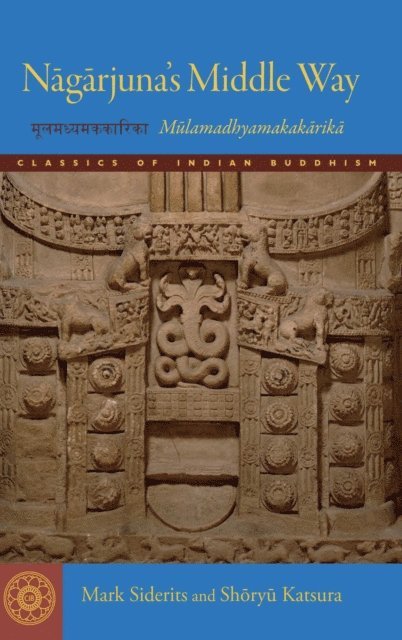
Nagarjuna's Middle Way
Mulamadhyamakakarika
Av Shoryu Katsura, Mark Siderits
E-bok, 2013
319 kr
Lägg i varukorg
Winner of the 2014 Khyenste Foundation Translation Prize. Nagarjuna''s renowned twenty-seven-chapter Fundamental Verses on the Middle Way (Mulamadhyamakakarika) is the foundational text of the Madhyamaka school of Mahayana Buddhist philosophy. It is the definitive, touchstone presentation of the …
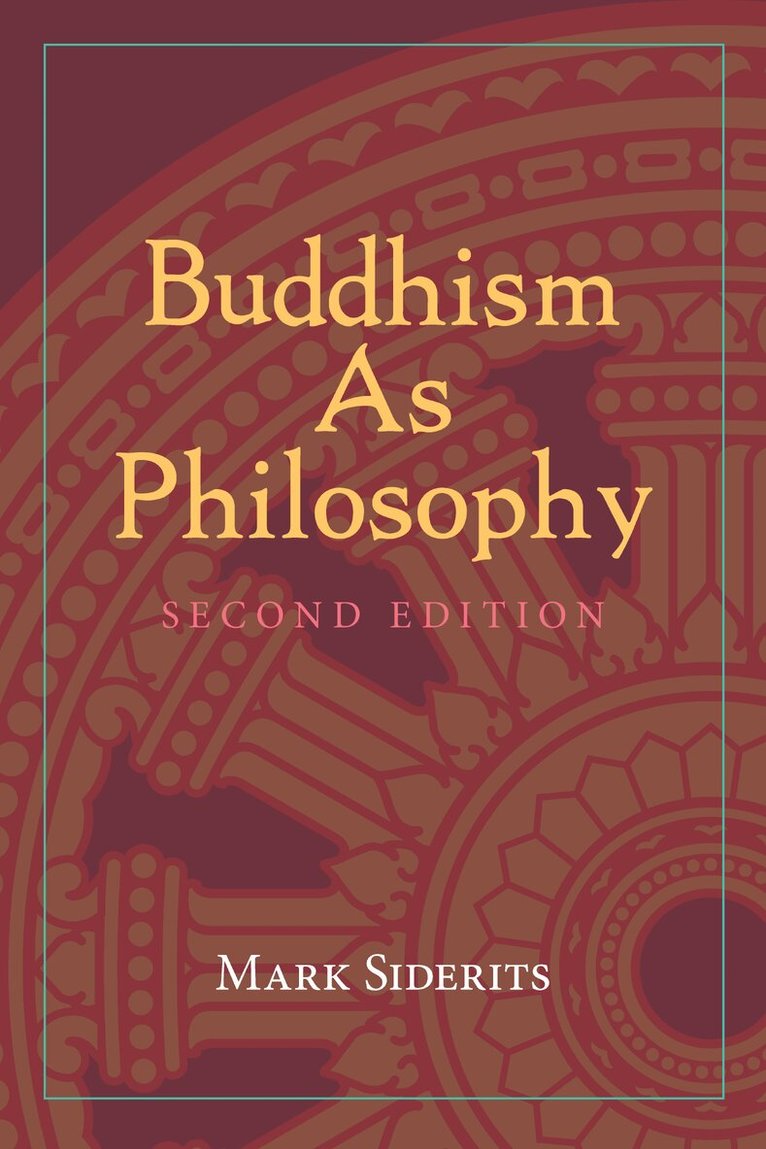
Buddhism As Philosophy
Häftad, 2021
338 kr
Lägg i varukorg
In Buddhism As Philosophy, Mark Siderits makes the Buddhist philosophical tradition accessible to a Western audience. Offering generous selections from the canonical Buddhist texts and providing an engaging, analytical introduction to the fundamental tenets of Buddhist thought, this revised, …
Buddhism As Philosophy
Inbunden, 2021
862 kr
Lägg i varukorg
In Buddhism As Philosophy, Mark Siderits makes the Buddhist philosophical tradition accessible to a Western audience. Offering generous selections from the canonical Buddhist texts and providing an engaging, analytical introduction to the fundamental tenets of Buddhist thought, this revised, …
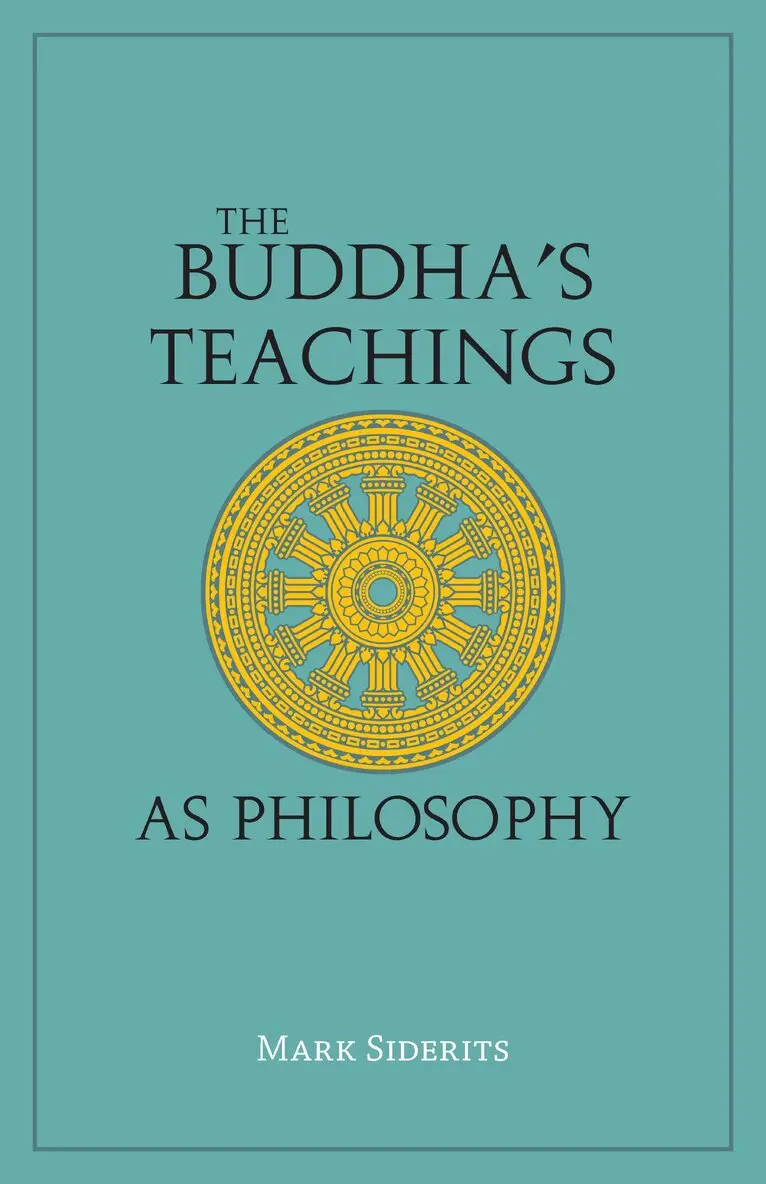
Buddha's Teachings As Philosophy
Häftad, 2022
219 kr
Lägg i varukorg
A shorter and less technical treatment of its subject than the author’s acclaimed Buddhism As Philosophy (second edition, Hackett, 2021), Mark Siderits's The Buddha’s Teachings As Philosophy explores three different systems of thought that arose from core claims of the Buddha. By detailing and …
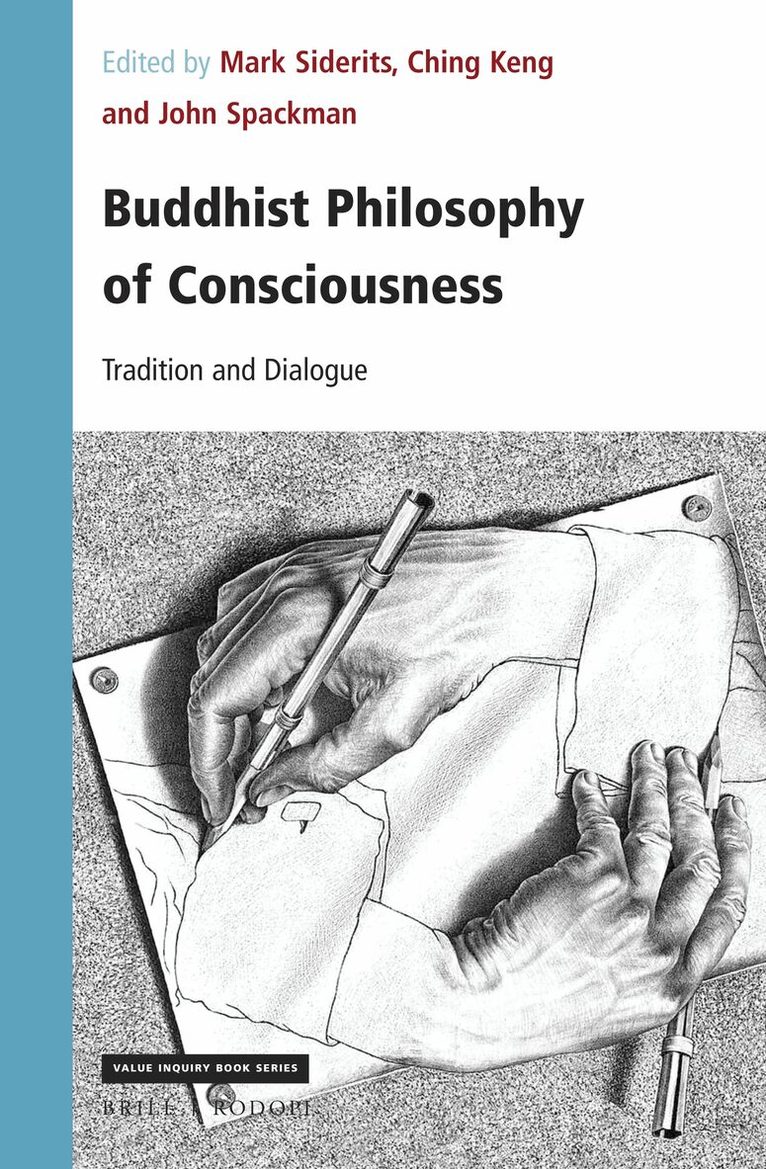
Buddhist Philosophy of Consciousness
Tradition and Dialogue
Av Mark Siderits, Ching Keng m. fl.
Inbunden, 2020
2438 kr
Lägg i varukorg
Buddhist Philosophy of Consciousness brings Buddhist voices to the study of consciousness. This book explores a variety of different Buddhist approaches to consciousness that developed out of the Buddhist theory of non-self. Topics taken up in these investigations include: how we are able to …
Indian Philosophy of Language
Studies in Selected Issues
Häftad, 2012
1205 kr
Lägg i varukorg
What can the philosophy of language learn from the classical Indian philosophical tradition? As recently as twenty or thirty years ago this question simply would not have arisen. If a practitioner of analytic philosophy of language of that time had any view of Indian philosophy at all, it was most …
Indian Philosophy of Language
Studies in Selected Issues
E-bok, 2012
1459 kr
Lägg i varukorg
What can the philosophy of language learn from the classical Indian philosophical tradition? As recently as twenty or thirty years ago this question simply would not have arisen. If a practitioner of analytic philosophy of language of that time had any view of Indian philosophy at all, it was most …
Apoha
Buddhist Nominalism and Human Cognition
Av Mark Siderits, Tom Tillemans m. fl.
Inbunden, 2011
982 kr
Tillfälligt slut
When we understand that something is a pot, is it because of one property that all pots share? This seems unlikely, but without this common essence, it is difficult to see how we could teach someone to use the word "pot" or to see something as a pot. The Buddhist apoha theory tries to resolve this …