
Butrint Archaeological Monographs – serie
Visar alla böcker i serien Butrint Archaeological Monographs. Handla med fri frakt och snabb leverans.
1 produkt
1 produkt
Häftad, Engelska, 2021
423 kr
Skickas
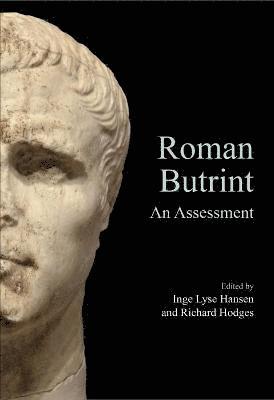
Butrint, ancient Buthrotum , has taken many forms in different ages, shaped by the near-constant interaction between the place, its lagoonal landscape and the Mediterranean. Though Butrint does not appear on any of the records of early Greek colonisation to identify it as a Corcyrean settlement, strong links must have existed between it and the metropolitan Corinthian colony of Corfu. Blessed with springs that possessed healing qualities, a small polis was created - extended to incorporate a healing sanctuary dedicated to Asclepius. Julius Caesar, harbouring at Butrint in urgent need of supplies to sustain his struggle against Pompey, must have viewed the sanctuary, ringed by largely dried-out marshland, as the perfect site to settle veterans as a colony. It was an obvious cornerstone in controlling the passage from the Adriatic to the Aegean. The early settlers seem to have been limited in number and possibly mainly of civilian status. However, the political changes to the city's magistrature were immediate, and within a relatively short time-span fundamental changes to the physical make-up of the city were set in motion. Its new Roman status also located Butrint as a directly before the highest authorities in Rome, and within fifteen years or so, under Augustus's guidance following his victory at Actium, the city was refounded as a colony and awarded a pivotal role in Virgil's court-sponsored foundation epic, The Aeneid. Now linked to the Victory City of Nicopolis rather than in the shadow of Corfu, Butrint prospered. The urban fabric evolved, sometimes faltered, but was essentially sustained until the later 6th century A.D. This present volume is an assessment of the Roman archaeology, a compilation of studies and field reports that focuses upon the foundation and early history of the colony.