C. Eric Lincoln Series on the Black Experience – serie
Visar alla böcker i serien C. Eric Lincoln Series on the Black Experience. Handla med fri frakt och snabb leverans.
3 produkter
3 produkter
643 kr
Skickas inom 3-6 vardagar
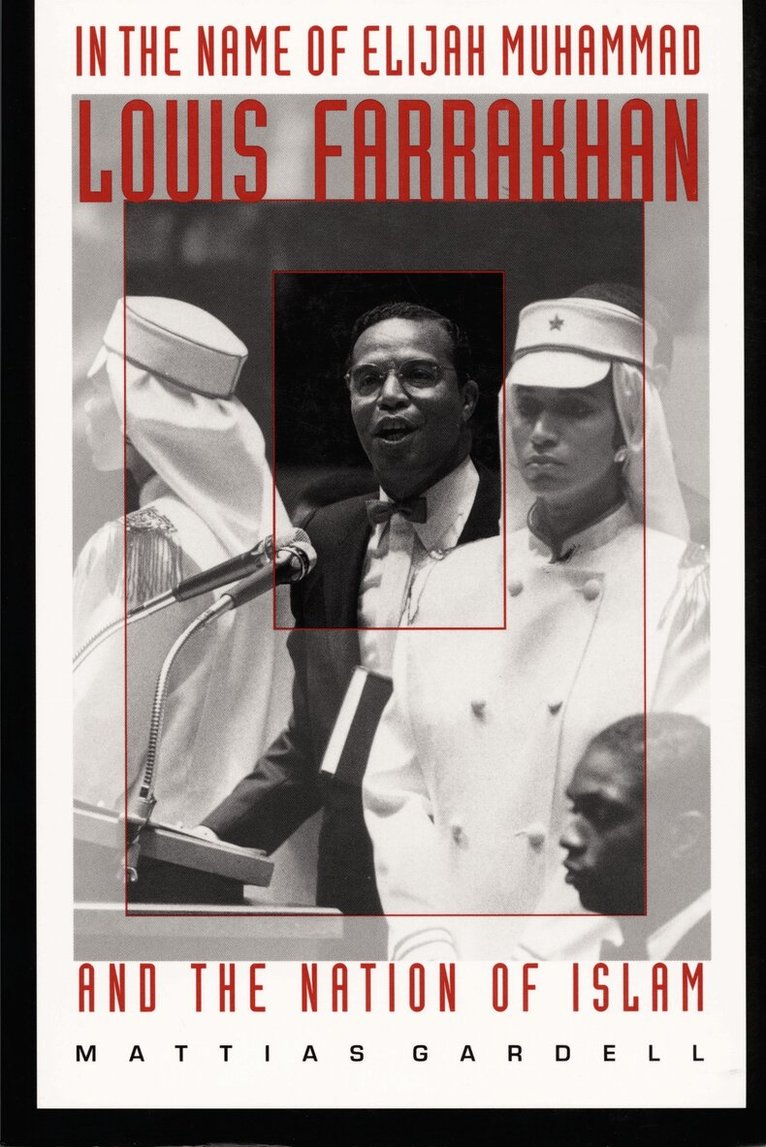
In the Name of Elijah Muhammad tells the story of the Nation of Islam-its rise in northern inner-city ghettos during the Great Depression through its decline following the death of Elijah Muhammad in 1975 to its rejuvenation under the leadership of Louis Farrakhan. Mattias Gardell sets this story within the context of African American social history, the legacy of black nationalism, and the long but hidden Islamic presence in North America. He presents with insight and balance a detailed view of one of the most controversial yet least explored organizations in the United States-and its current leader. Beginning with Master Farad Muhammad, believed to be God in Person, Gardell examines the origins of the Nation. His research on the period of Elijah Muhammad’s long leadership draws on previously unreleased FBI files that reveal a clear picture of the bureau’s attempts to neutralize the Nation of Islam. In addition, they shed new light on the circumstances surrounding the murder of Malcolm X. With the main part of the book focused on the fortunes of the Nation after Elijah Muhammad’s death, Gardell then turns to the figure of Minister Farrakhan. From his emergence as the dominant voice of the radical black Islamic community to his leadership of the Million Man March, Farrakhan has often been portrayed as a demagogue, bigot, racist, and anti-Semite. Gardell balances the media’s view of the Nation and Farrakhan with the Nation’s own views and with the perspectives of the black community in which the organization actively works. His investigation, based on field research, taped lectures, and interviews, leads to the fullest account yet of the Nation of Islam’s ideology and theology, and its complicated relations with mainstream Islam, the black church, the Jewish community, extremist white nationalists, and the urban culture of black American youth, particularly the hip-hop movement and gangs.
606 kr
Skickas inom 3-6 vardagar
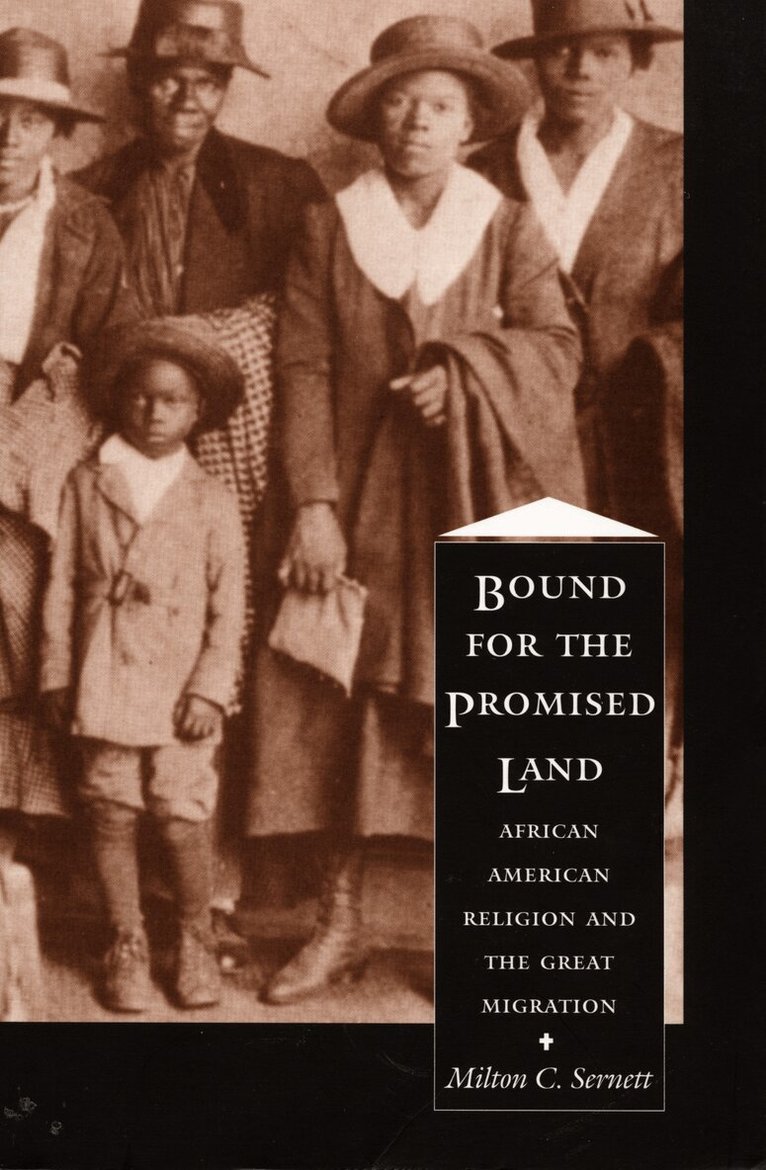
Bound for the Promised Land is the first extensive examination of the impact on the American religious landscape of the Great Migration-the movement from South to North and from country to city by hundreds of thousands of African Americans following World War I. In focusing on this phenomenon’s religious and cultural implications, Milton C. Sernett breaks with traditional patterns of historiography that analyze the migration in terms of socioeconomic considerations.Drawing on a range of sources-interviews, government documents, church periodicals, books, pamphlets, and articles-Sernett shows how the mass migration created an institutional crisis for black religious leaders. He describes the creative tensions that resulted when the southern migrants who saw their exodus as the Second Emancipation brought their religious beliefs and practices into northern cities such as Chicago, and traces the resulting emergence of the belief that black churches ought to be more than places for "praying and preaching." Explaining how this social gospel perspective came to dominate many of the classic studies of African American religion, Bound for the Promised Land sheds new light on various components of the development of black religion, including philanthropic endeavors to "modernize" the southern black rural church. In providing a balanced and holistic understanding of black religion in post–World War I America, Bound for the Promised Land serves to reveal the challenges presently confronting this vital component of America’s religious mosaic.
363 kr
Skickas inom 7-10 vardagar
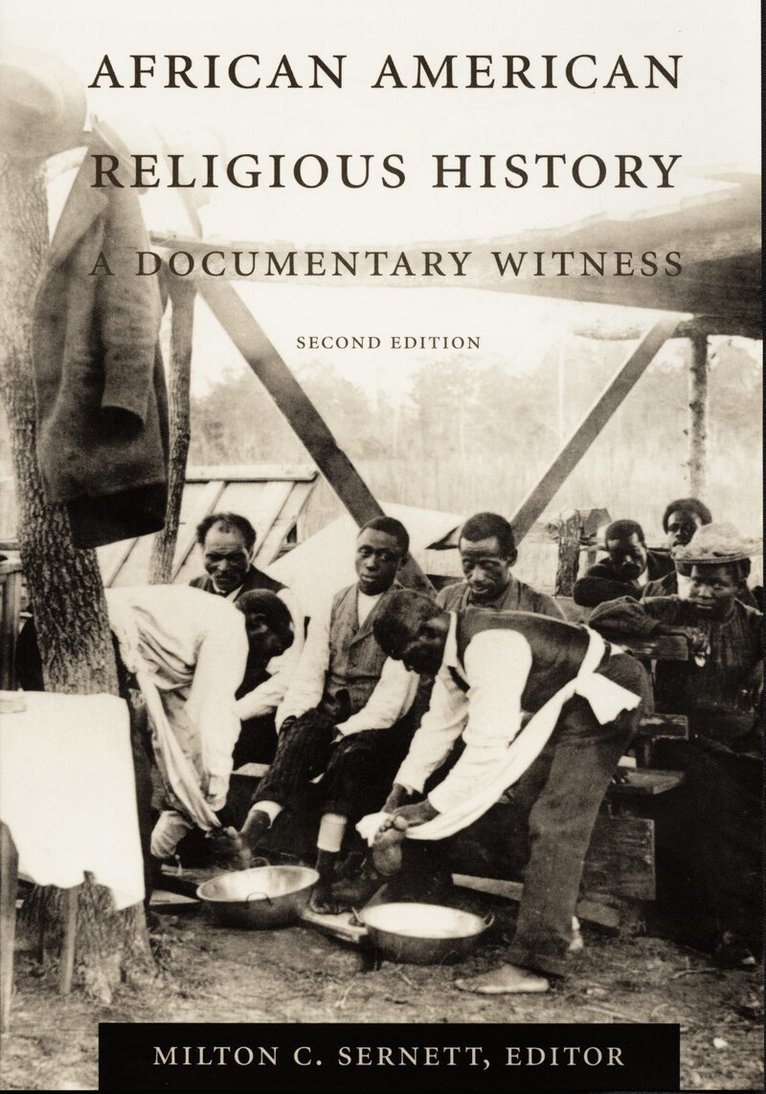
This widely-heralded collection of remarkable documents offers a view of African American religious history from Africa and early America through Reconstruction to the rise of black nationalism, civil rights, and black theology of today. The documents-many of them rare, out-of-print, or difficult to find-include personal narratives, sermons, letters, protest pamphlets, early denominational histories, journalistic accounts, and theological statements. In this volume Olaudah Equiano describes Ibo religion. Lemuel Haynes gives a black Puritan’s farewell. Nat Turner confesses. Jarena Lee becomes a female preacher among the African Methodists. Frederick Douglass discusses Christianity and slavery. Isaac Lane preaches among the freedmen. Nannie Helen Burroughs reports on the work of Baptist women. African Methodist bishops deliberate on the Great Migration. Bishop C. H. Mason tells of the Pentecostal experience. Mahalia Jackson recalls the glory of singing at the 1963 March on Washington. Martin Luther King, Jr. writes from the Birmingham jail. Originally published in 1985, this expanded second edition includes new sources on women, African missions, and the Great Migration. Milton C. Sernett provides a general introduction as well as historical context and comment for each document.