Carnegie Endowment for International Peace - Böcker
Visar alla böcker i serien Carnegie Endowment for International Peace. Handla med fri frakt och snabb leverans.
7 produkter
7 produkter
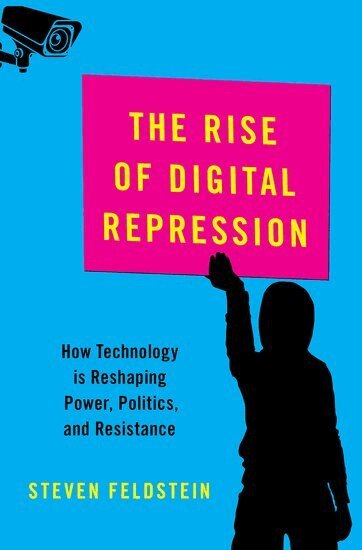
The Rise of Digital Repression
How Technology is Reshaping Power, Politics, and Resistance
Inbunden, Engelska, 2021
377 kr
Skickas
The world is undergoing a profound set of digital disruptions that are changing the nature of how governments counter dissent and assert control over their countries. While increasing numbers of people rely primarily or exclusively on online platforms, authoritarian regimes have concurrently developed a formidable array of technological capabilities to constrain and repress their citizens. In The Rise of Digital Repression, Steven Feldstein documents how the emergence of advanced digital tools bring new dimensions to political repression. Presenting new field research from Thailand, the Philippines, and Ethiopia, he investigates the goals, motivations, and drivers of these digital tactics. Feldstein further highlights how governments pursue digital strategies based on a range of factors: ongoing levels of repression, political leadership, state capacity, and technological development. The international community, he argues, is already seeing glimpses of what the frontiers of repression look like. For instance, Chinese authorities have brought together mass surveillance, censorship, DNA collection, and artificial intelligence to enforce their directives in Xinjiang. As many of these trends go global, Feldstein shows how this has major implications for democracies and civil society activists around the world. A compelling synthesis of how anti-democratic leaders harness powerful technology to advance their political objectives, The Rise of Digital Repression concludes by laying out innovative ideas and strategies for civil society and opposition movements to respond to the digital autocratic wave.
432 kr
Skickas inom 5-8 vardagar
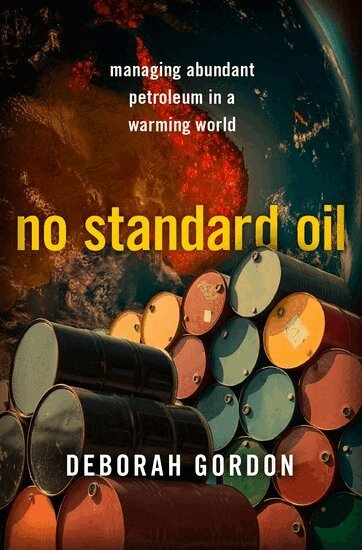
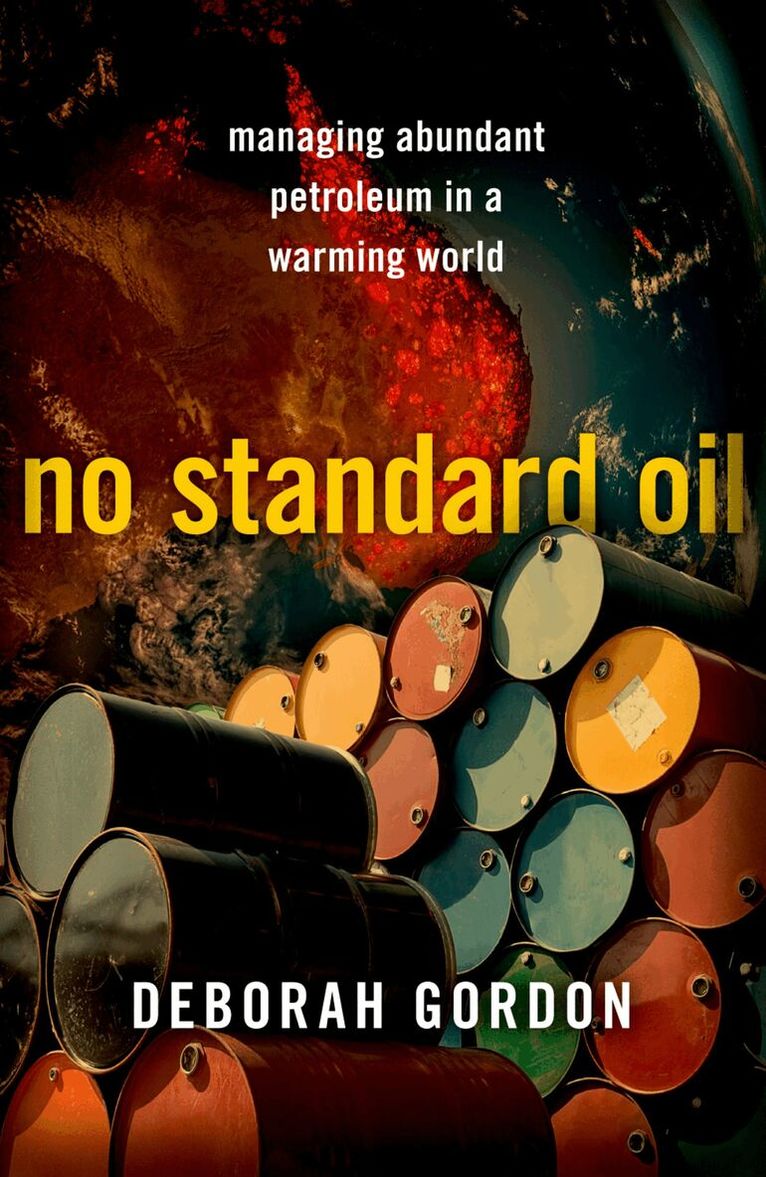
In No Standard Oil, environmental policy expert Deborah Gordon examines the widely varying climate impacts of global oils and gases, and proposes solutions to cut greenhouse gas emissions in this sector while making sustainable progress in transitioning to a carbon-free energy future.The next decade will be decisive in the fight against climate change. It will be impossible to hold the planet to a 1.5o C temperature rise without controlling methane and CO2 emissions from the oil and gas sector. Contrary to popular belief, the world will not run out of these resources anytime soon. Consumers will continue to demand these abundant resources to fuel their cars, heat their homes, and produce everyday goods like shampoo, pajamas, and paint. But it is becoming more environmentally damaging to supply energy using technologies like fracking oil and liquefying gas. Policymakers, financial investors, environmental advocates, and citizens need to understand what oil and gas are doing to our climate to inform decision-making. In No Standard Oil, Deborah Gordon shows that no two oils or gases are environmentally alike. Each has a distinct, quantifiable climate impact. While all oils and gases pollute, some are much worse for the climate than others. In clear, accessible language, Gordon explains the results of the Oil Climate Index Plus Gas (OCI+), an innovative, open source model that estimates global oil and gas emissions. Gordon identifies the oils and gases from every region of the globe-along with the specific production, processing, and refining activities-that are the most harmful to the planet, and proposes innovative solutions to reduce their climate footprints.Global climate stabilization cannot afford to wait for oil and gas to run out. No Standard Oil shows how we can take immediate, practical steps to cut greenhouse gas emissions in the crucial oil and gas sector while making sustainable progress in transitioning to a carbon-free energy future.
929 kr
Skickas inom 7-10 vardagar
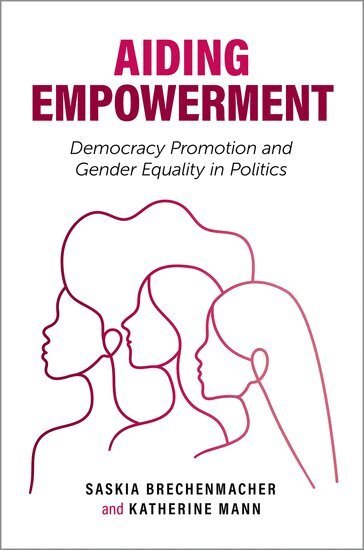
In recent decades, women's political empowerment has become an important foreign policy and assistance objective. Every year, donor governments and multilateral organizations partner with hundreds of civil society groups around the world to train women to run for office, support women legislators, campaign for gender quotas, and bolster women's networks in political parties and parliaments.What ideas about gender, power, and political change guide these aid programs? What have practitioners and advocates learned about their strengths and weaknesses, and how might they improve their work going forward?Drawing on extensive interviews with aid officials, women's rights advocates, and women politicians in Western donor countries and across Kenya, Morocco, Myanmar, and Nepal, Aiding Empowerment investigates how democracy aid actors promote gender equality in politics. Saskia Brechenmacher and Katherine Mann argue that international assistance for women's political empowerment has evolved significantly over the last three decades, from a first generation of aid programs aimed at integrating women into nascent democratic institutions to a second generation focused on transforming the broader political ecosystem hindering women's equal political influence. However, this evolution is still unfolding, and changes in thinking have outstripped changes in aid practice. Several challenges threaten future progress, from the persistence of patriarchal norms to rising concerns about democratic erosion and backlash. In the face of these hurdles, the book presents practical recommendations for policymakers, practitioners, and advocates fighting for women's political empowerment globally.
292 kr
Skickas inom 5-8 vardagar
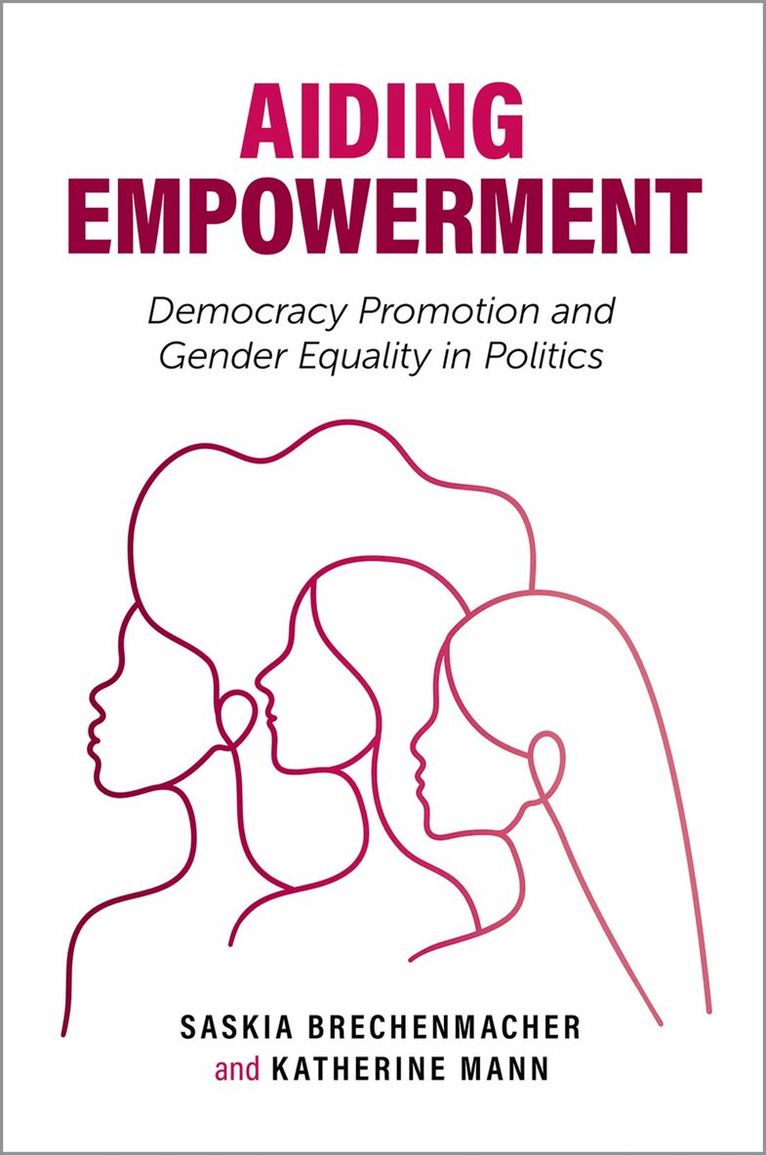
In recent decades, women's political empowerment has become an important foreign policy and assistance objective. Every year, donor governments and multilateral organizations partner with hundreds of civil society groups around the world to train women to run for office, support women legislators, campaign for gender quotas, and bolster women's networks in political parties and parliaments. What ideas about gender, power, and political change guide these aid programs? What have practitioners and advocates learned about their strengths and weaknesses, and how might they improve their work going forward? Drawing on extensive interviews with aid officials, women's rights advocates, and women politicians in Western donor countries and across Kenya, Morocco, Myanmar, and Nepal, Aiding Empowerment investigates how democracy aid actors promote gender equality in politics. Saskia Brechenmacher and Katherine Mann argue that international assistance for women's political empowerment has evolved significantly over the last three decades, from a first generation of aid programs aimed at integrating women into nascent democratic institutions to a second generation focused on transforming the broader political ecosystem hindering women's equal political influence. However, this evolution is still unfolding, and changes in thinking have outstripped changes in aid practice. Several challenges threaten future progress, from the persistence of patriarchal norms to rising concerns about democratic erosion and backlash. In the face of these hurdles, the book presents practical recommendations for policymakers, practitioners, and advocates fighting for women's political empowerment globally.
875 kr
Skickas inom 7-10 vardagar
After more than a decade of democratic regression, three major crises have acted to reshape global politics in recent years: climate change, the Covid-19 pandemic and its economic legacy, and geopolitical conflict. In Democratic Crossroads, Richard Youngs argues these crises are altering the balance between democratic and authoritarian dynamics around the world. Yet while they add to the strains on democracy, they are also awakening a momentum of democratic resilience and renewal. He argues that to deal with the era's momentous challenges, democratic politics need a major boost and reboot. Without stronger commitments to uphold and improve democratic norms and practices, democracy may not weather these challenges. As Youngs shows, far-reaching democratic innovation that gives citizens effective influence over epoch-defining matters will help ensure that democratic values are more vigorously defended. In a moment of pivotal change, this book explains how democracies can retain their resiliency and highlights the key factors that will determine democracy's fortunes in the future.
268 kr
Skickas inom 5-8 vardagar
After more than a decade of democratic regression, three major crises have acted to reshape global politics in recent years: climate change, the Covid-19 pandemic and its economic legacy, and geopolitical conflict. In Democratic Crossroads, Richard Youngs argues these crises are altering the balance between democratic and authoritarian dynamics around the world. Yet while they add to the strains on democracy, they are also awakening a momentum of democratic resilience and renewal. He argues that to deal with the era's momentous challenges, democratic politics need a major boost and reboot. Without stronger commitments to uphold and improve democratic norms and practices, democracy may not weather these challenges. As Youngs shows, far-reaching democratic innovation that gives citizens effective influence over epoch-defining matters will help ensure that democratic values are more vigorously defended. In a moment of pivotal change, this book explains how democracies can retain their resiliency and highlights the key factors that will determine democracy's fortunes in the future.
278 kr
Skickas inom 5-8 vardagar
In No Standard Oil, environmental policy expert Deborah Gordon examines the widely varying climate impacts of global oils and gases, and proposes solutions to cut greenhouse gas emissions in this sector while making sustainable progress in transitioning to a carbon-free energy future.The next decade will be decisive in the fight against climate change. It will be impossible to hold the planet to a 1.5° C temperature rise without controlling methane and CO2 emissions from the oil and gas sector. Contrary to popular belief, the world will not run out of these resources anytime soon. Consumers will continue to demand these abundant resources to fuel their cars, heat their homes, and produce everyday goods like shampoo, pajamas, and paint. But it is becoming more environmentally damaging to supply energy using technologies like fracking oil and liquefying gas. Policymakers, financial investors, environmental advocates, and citizens need to understand what oil and gas are doing to our climate to inform decision-making. In No Standard Oil, Deborah Gordon shows that no two oils or gases are environmentally alike. Each has a distinct, quantifiable climate impact. While all oils and gases pollute, some are much worse for the climate than others. In clear, accessible language, Gordon explains the results of the Oil Climate Index Plus Gas (OCI+), an innovative, open source model that estimates global oil and gas emissions. Gordon identifies the oils and gases from every region of the globe--along with the specific production, processing, and refining activities--that are the most harmful to the planet, and proposes innovative solutions to reduce their climate footprints.Global climate stabilization cannot afford to wait for oil and gas to run out. No Standard Oil shows how we can take immediate, practical steps to cut greenhouse gas emissions in the crucial oil and gas sector while making sustainable progress in transitioning to a carbon-free energy future.