Cities and Communities of the Etruscans – Serie
Visar alla böcker i serien Cities and Communities of the Etruscans. Handla med fri frakt och snabb leverans.
8 produkter
8 produkter
605 kr
Skickas inom 7-10 vardagar
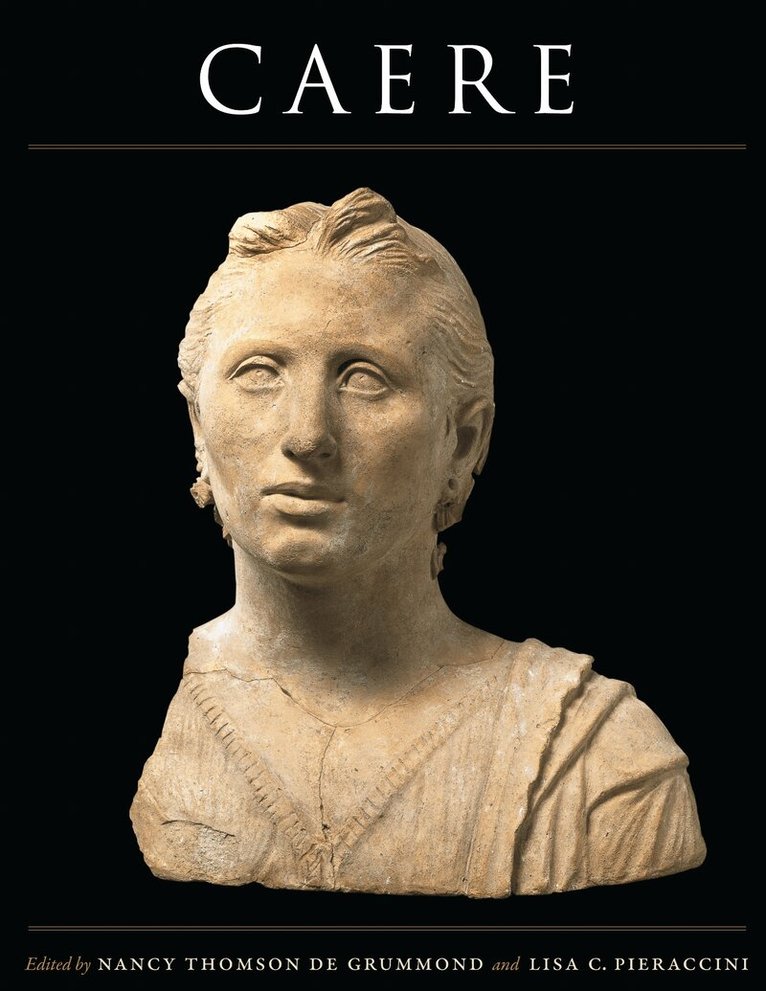
The Etruscan city of Caere and eleven other Etruscan city-states were among the first urban centers in ancient Italy. Roman descriptions of Etruscan cities highlight their wealth, beauty, and formidable defenses. Although Caere left little written historical record outside of funerary inscriptions, its complex story can be deciphered by analyzing surviving material culture, including architecture, tomb paintings, temples, sanctuaries, and materials such as terracotta, bronze, gold, and amber found in Etruscan crafts. Studying Caere provides valuable insight not only into Etruscan history and culture but more broadly into urbanism and the development of urban centers across ancient Italy.Comprehensive in scope, Caere is the first English-language book dedicated to the study of its eponymous city. Collecting the work of an international team of scholars, it features chapters on a wide range of topics, such as Caere’s formation and history, economy, foreign relations, trade networks, art, funerary traditions, built environment, religion, daily life, and rediscovery. Extensively illustrated throughout, Caere presents new perspectives on and analysis of not just Etruscan civilization but also the city’s role in the wider pan-Mediterranean basin.
622 kr
Skickas inom 11-20 vardagar
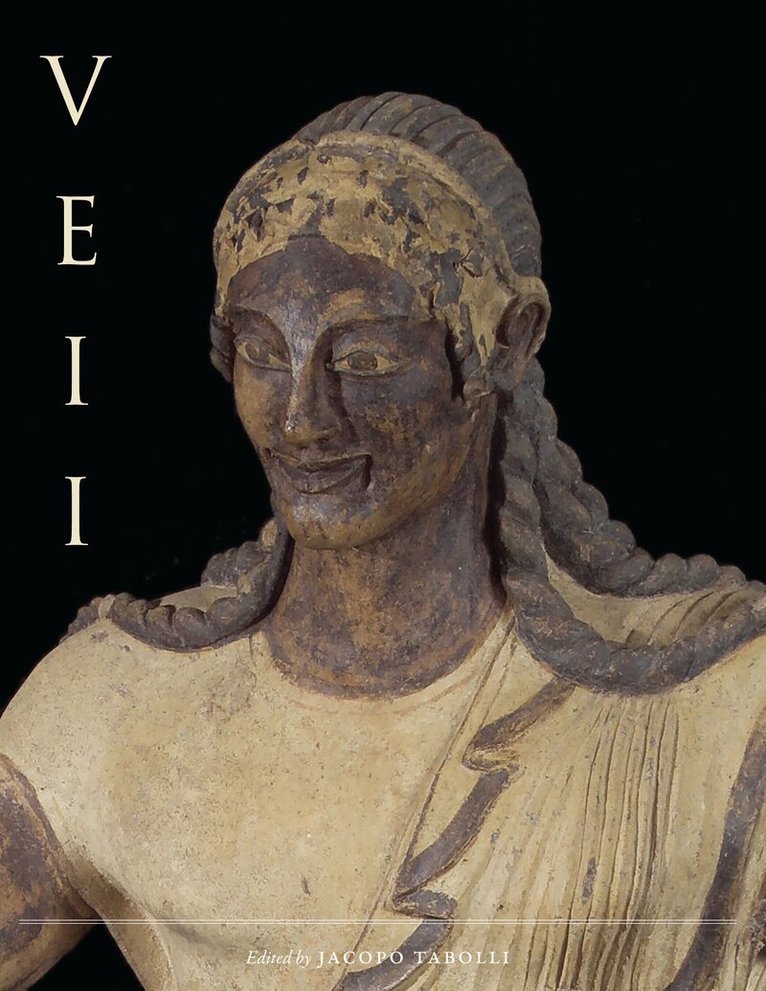
Reputed to be the richest city of Etruria, Veii was one of the most important cities in the ancient Mediterranean world. It was located ten miles northwest of Rome, and the two cities were alternately allied and at war for over three hundred years until Veii fell to Rome in 396 BCE, although the city continued to be inhabited until the Middle Ages. Rediscovered in the seventeenth century, Veii has undergone the longest continuous excavation of any of the Etruscan cities.The most complete volume on the city in English, Veii presents the research and interpretations of multiple generations of Etruscan scholars who are at the forefront of the discipline. Their essays are grouped into four parts. The first provides a general overview of archaeological excavation at Veii and discusses the different types of methodologies employed over the years. The second part narrates the history of Etruscan occupation of the city and its role in the greater Mediterranean world. The third section examines the surviving material culture of Veii, including pottery, painting, sculpture, metalworking, and architectural terracottas. Finally, the legacy of Veii is discussed, and a chronology of the site is presented. This pioneering research offers all students of the ancient Mediterranean a new understanding of the development of Veii and its territory from the late Bronze Age to the Roman conquest, as well as of the interactions of Veii with nearby sites and territories in central Tyrrhenian Italy.
999 kr
Skickas inom 10-15 vardagar
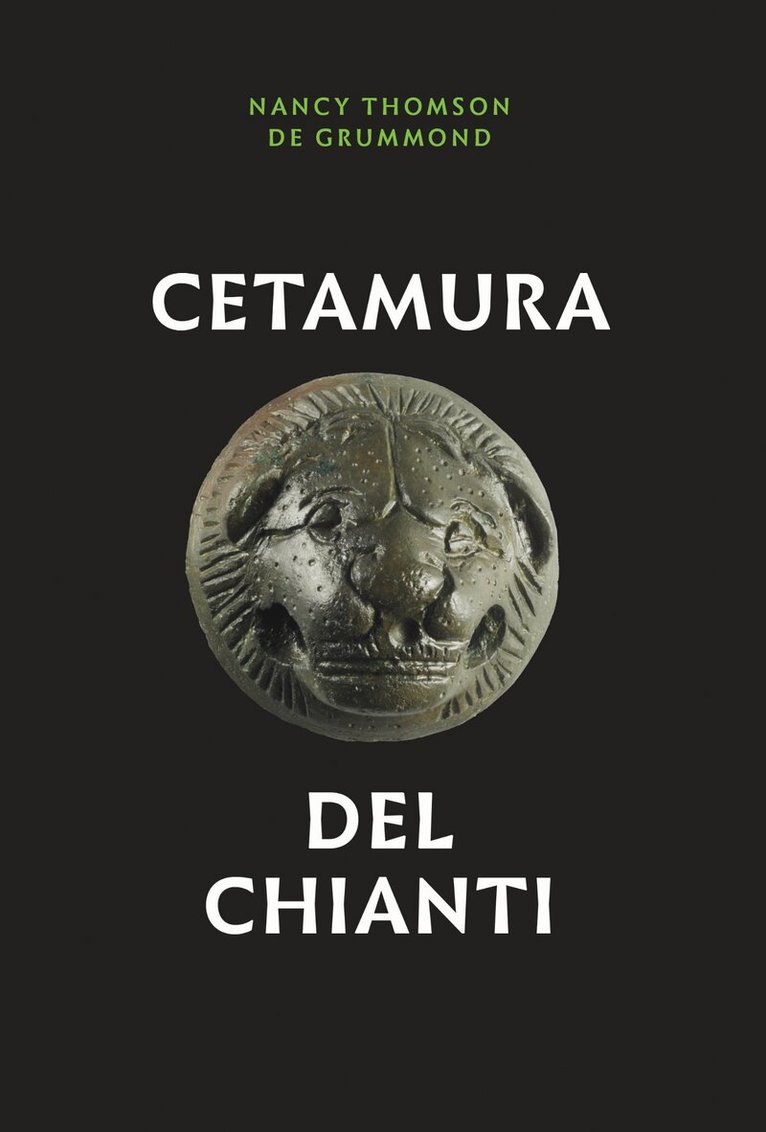
Expanding the study of Etruscan habitation sites to include not only traditional cities but also smaller Etruscan communities, Cetamura del Chianti examines a settlement that flourished during an exceptional time period, amid wars with the Romans in the fourth to first centuries BCE.Situated in an ideal hilltop location that was easy to defend and had access to fresh water, clay, and timber, the community never grew to the size of a city, and no known references to it survive in ancient writings; its ancient name isn’t even known. Because no cities were ever built on top of the site, excavation is unusually unimpeded. Intriguing features described in Cetamura del Chianti include an artisans’ zone with an adjoining sanctuary, which fostered the cult worship of Lur and Leinth, two relatively little known Etruscan deities, and ancient wells that reveal the cultural development and natural environment, including the vineyards and oak forests of Chianti, over a period of some six hundred years. Deeply enhancing our understanding of an intriguing economic, political, and cultural environment, this is a compelling portrait of a singular society.
319 kr
Skickas inom 7-10 vardagar
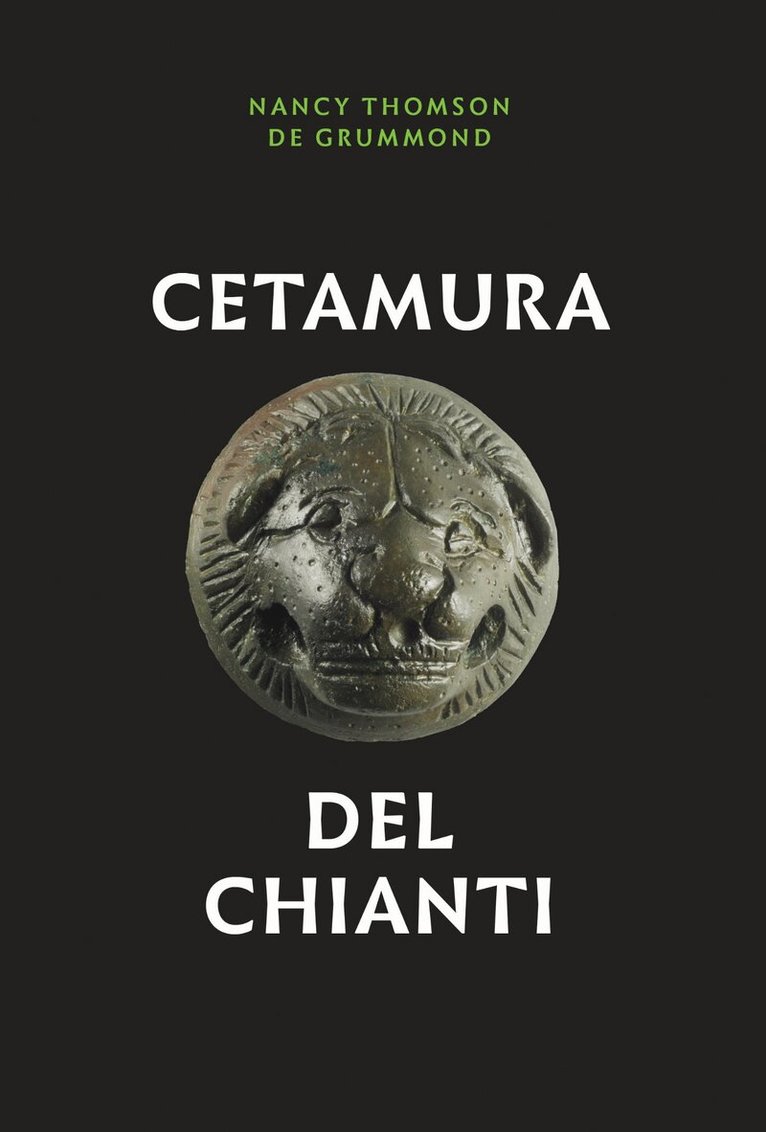
Expanding the study of Etruscan habitation sites to include not only traditional cities but also smaller Etruscan communities, Cetamura del Chianti examines a settlement that flourished during an exceptional time period, amid wars with the Romans in the fourth to first centuries BCE.Situated in an ideal hilltop location that was easy to defend and had access to fresh water, clay, and timber, the community never grew to the size of a city, and no known references to it survive in ancient writings; its ancient name isn’t even known. Because no cities were ever built on top of the site, excavation is unusually unimpeded. Intriguing features described in Cetamura del Chianti include an artisans’ zone with an adjoining sanctuary, which fostered the cult worship of Lur and Leinth, two relatively little known Etruscan deities, and ancient wells that reveal the cultural development and natural environment, including the vineyards and oak forests of Chianti, over a period of some six hundred years. Deeply enhancing our understanding of an intriguing economic, political, and cultural environment, this is a compelling portrait of a singular society.
1 147 kr
Skickas inom 7-10 vardagar
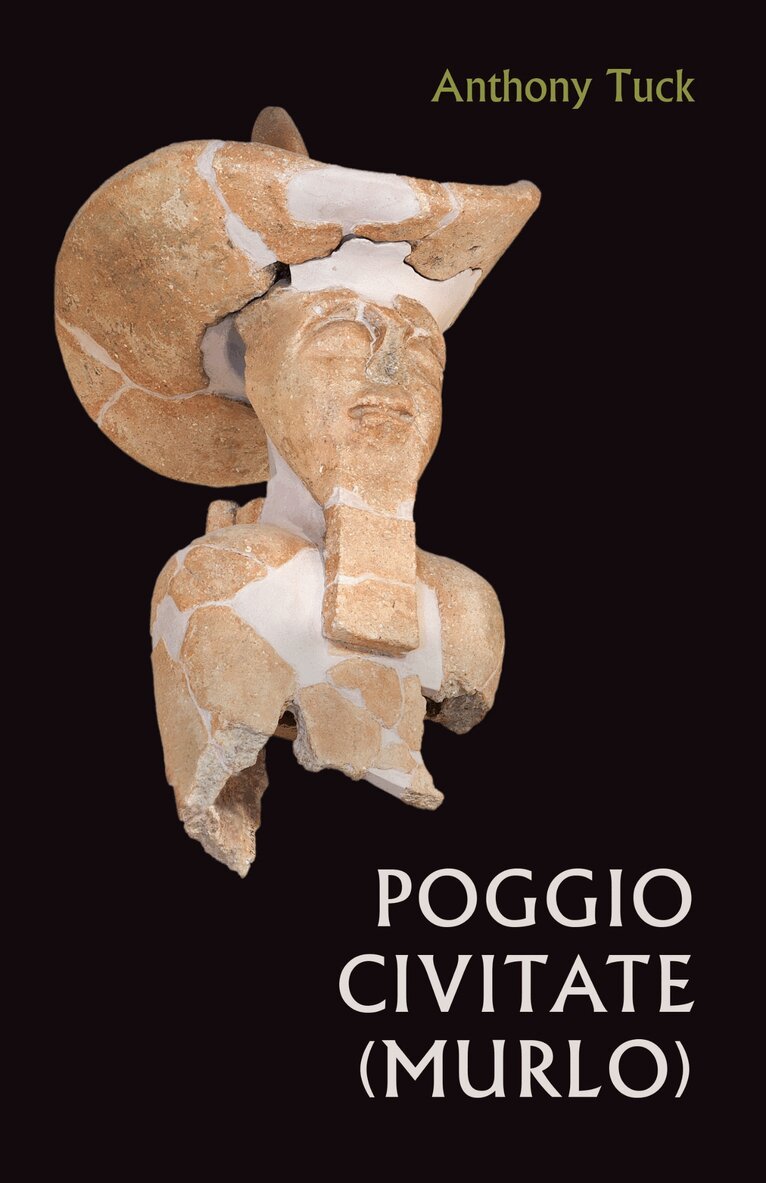
Poggio Civitate in Murlo, Tuscany, is home to one of the best-preserved Etruscan communities of the eighth through the sixth centuries BCE. In this book, Anthony Tuck, the director of excavations, provides a broad synthesis of decades of data from the site.The results of many years of excavation at Poggio Civitate tell a story of growth, urbanization, ancient industrialization, and dissolution. The site preserves traces of aristocratic domestic buildings, including some of the most evocative and enigmatic architectural sculpture in the region, along with remnants of non-elite domestic spaces, enabling illuminating comparisons across social strata. The settlement also features evidence of large-scale production systems, including tools and other objects that reflect the daily experiences of laborers. Finally, the site contains the story of its own destruction. Tuck finds in the data clear indications that Poggio Civitate was methodically dismantled, and he posits hypotheses concerning the circumstances around this violent social and political act.
347 kr
Skickas inom 7-10 vardagar
Poggio Civitate in Murlo, Tuscany, is home to one of the best-preserved Etruscan communities of the eighth through the sixth centuries BCE. In this book, Anthony Tuck, the director of excavations, provides a broad synthesis of decades of data from the site.The results of many years of excavation at Poggio Civitate tell a story of growth, urbanization, ancient industrialization, and dissolution. The site preserves traces of aristocratic domestic buildings, including some of the most evocative and enigmatic architectural sculpture in the region, along with remnants of non-elite domestic spaces, enabling illuminating comparisons across social strata. The settlement also features evidence of large-scale production systems, including tools and other objects that reflect the daily experiences of laborers. Finally, the site contains the story of its own destruction. Tuck finds in the data clear indications that Poggio Civitate was methodically dismantled, and he posits hypotheses concerning the circumstances around this violent social and political act.
605 kr
Skickas inom 11-20 vardagar
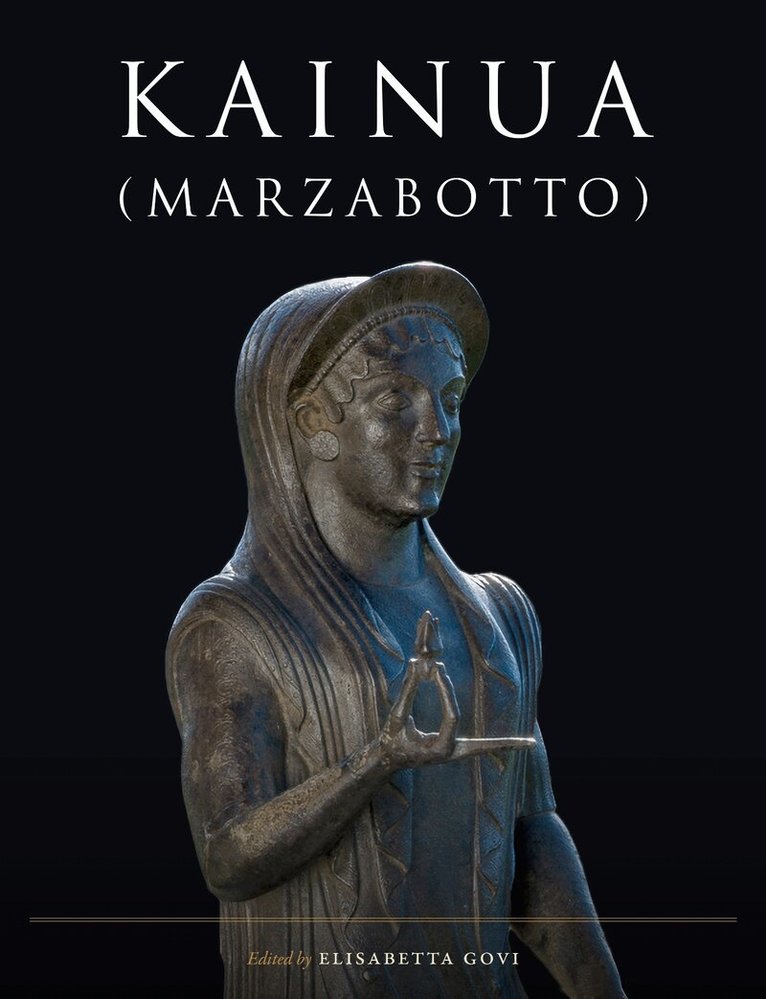
This volume brings together leading scholars of Etruria to provide up-to-date findings from the key archaeological site of Kainua. Located in what is now the Italian town of Marzabotto, Kainua is the only Etruscan site whose complete urban layout has been preserved, making it possible to trace houses, roads, drainage systems, cemeteries, craft workshops, and an acropolis.Under excavation since the 1850s, Kainua offers a trove of insights into Etruscan culture and society. The volume’s editor, Elisabetta Govi, and her fellow experts examine the material evidence underlying our understanding of the history, economy, religion, and social structures of Kainua, including trade routes that linked the city with the wider Mediterranean. Particularly exciting are recent discoveries of sanctuaries dedicated to Tinia and Uni, analogous to the Greek Zeus and Hera, which provide new information about Etruscan cults. Kainua (Marzabotto) also draws on the latest research to reconstruct the city’s foundation rites, a sacred charter, and urban plan. Finally, the authors explore the site’s archaeological history, discussing new knowledge made possible since the introduction of modern techniques of remote sensing and 3D modeling.
659 kr
Skickas inom 7-10 vardagar
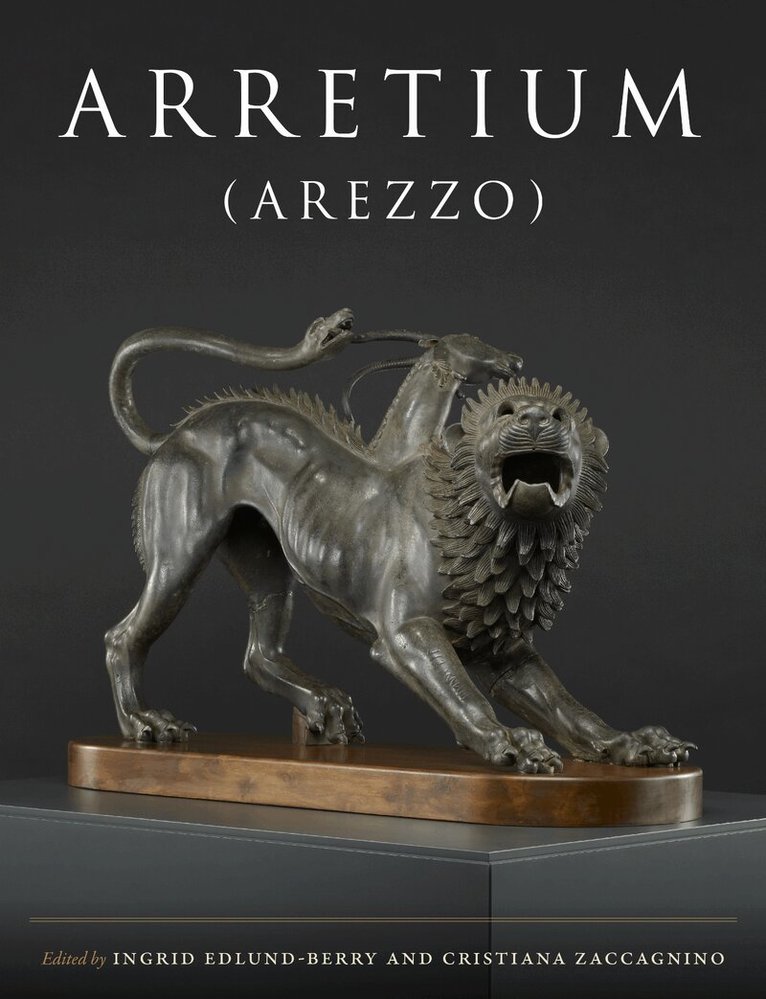
A comprehensive examination of the history and excavation of the Etruscan city of Arretium.Beneath the Italian city of Arezzo lie the remains of Etruscan Arretium. This volume, the first comprehensive treatment of excavations at Arretium, gathers the most up-to-date scholarship on the city and delves into key archaeological discoveries and the stories they tell about life in the Etruscan world. Chapters explore local history-including the city’s complex political exchanges with Rome-Etruscan religion, Arretium’s role as a center of the arts, and the challenges of excavation amid the bustle of European urban modernity. Editors Ingrid Edlund-Berry and Cristiana Zaccagnino have gathered chapters by expert contributors that detail Arretium’s material culture, including the city’s famed pottery, Arretine ware, which was known across the Mediterranean; terracotta pieces depicting gods and other supernatural beings; and exquisite bronze-work, most notably the piece now known as the Chimaera of Arezzo. One of the few Etruscan cities that continued flourishing after the Roman takeover, Arretium proves to be a trove of archaeological riches and of the historical insights they reveal.