Cities of the Future Series – serie
Visar alla böcker i serien Cities of the Future Series. Handla med fri frakt och snabb leverans.
3 produkter
3 produkter
1 822 kr
Tillfälligt slut
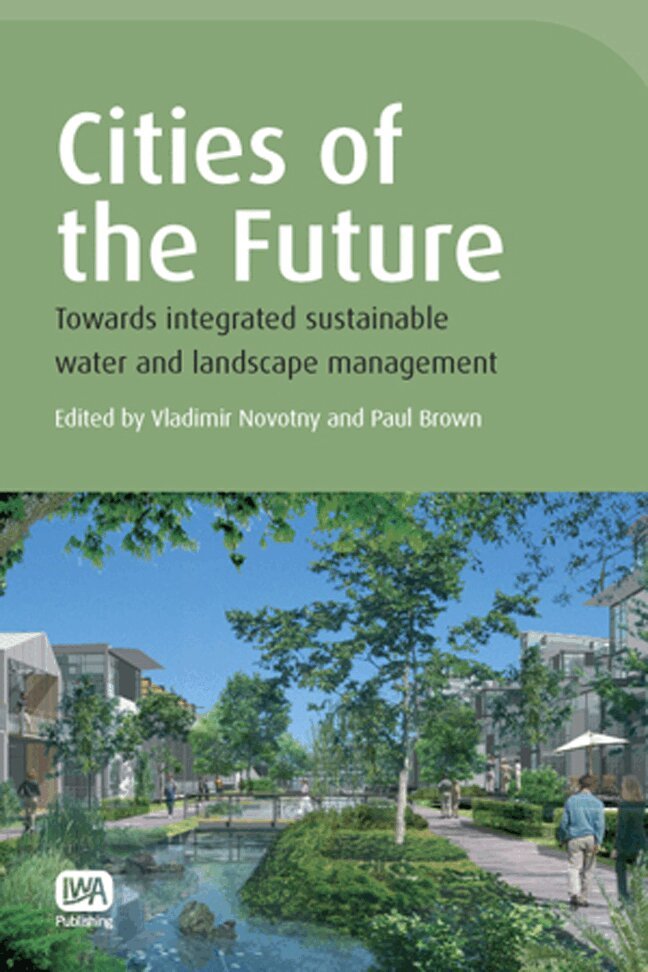
This book is developed from and includes the presentations of leading international experts and scholars in the 12-14 July, 2006 Wingspread Workshop. With urban waters as a focal point, this book will explore the links between urban water quality and hydrology, and the broader concepts of green cities and smart growth. It also addresses legal and social barriers to urban ecological sustainability and proposes practical ways to overcome those barriers. Cities of the Future features chapters containing visionary concepts on how to ensure that cities and their water resources become ecologically sustainable and are able to provide clean water for all beneficial uses. The book links North American and Worldwide experience and approaches. The book is primarily a professional reference aimed at a wide interdisciplinary audience, including universities, consultants, environmental advocacy groups and legal environmental professionals.
1 947 kr
Tillfälligt slut
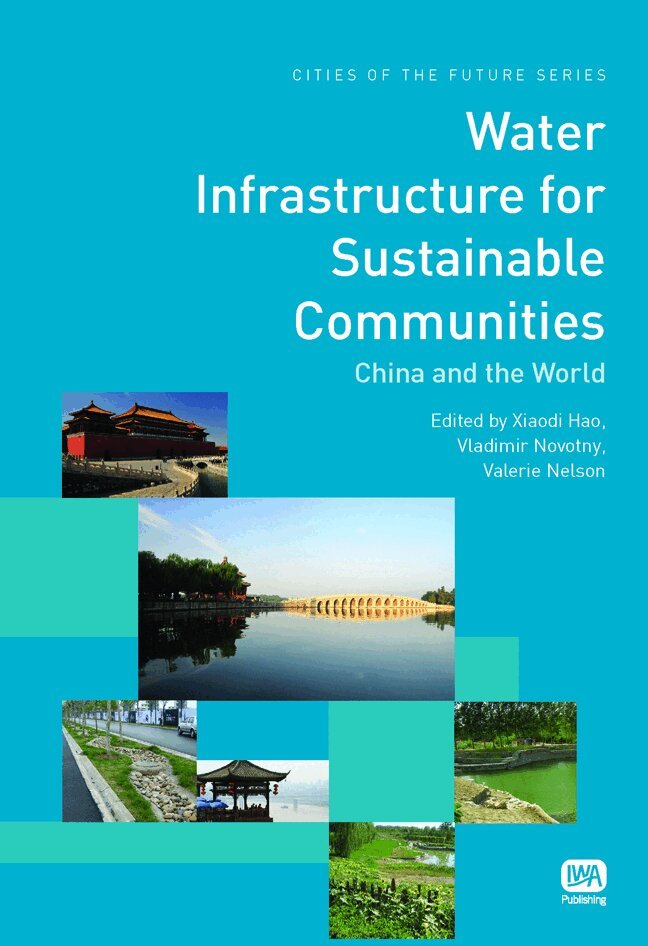
A new model for water management is emerging worldwide in response to water shortages, polluted waterways, climate change, and loss of biodiversity. Cities and towns are questioning the ecological and financial sustainability of big-pipe water, stormwater, and sewer systems and are searching for “lighter footprint” more sustainable solutions. Pilot projects are being built that use, treat, store, and reuse water locally and that build distributed designs into restorative hydrology. This book has been developed from the conference on Sustainable Water Infrastructure for Villages and Cities of the Future (SWIF2009) held in November 2009 in Beijing (China) that brought together an international gathering of experts in urban water and drainage infrastructure, landscape architecture, economics, environmental law, citizen participation, utility management, green building, and science and technology development. Water Infrastructure for Sustainable Communities China and the World reveals how imaginative concepts are being developed and implemented to ensure that cities, towns, and villages and their water resources can become ecologically sustainable and provide clean water. With both urban and rural waters as a focal point, the links between water quality and hydrology, landscape, and the broader concepts of green cities/villages and smart development are explored. The book focuses on decentralized concepts of potable water, stormwater, and wastewater management that would provide clean water. It results in water management systems that would be resilient to extreme events such as excessive flows due to extreme meteorological events, severe droughts, and deteriorated water and urban ecosystem quality. A particular emphasis is placed on learning lessons from the many innovative projects being designed in China and other initiatives around the world. The principal audience for the book is university faculty and students, scientists in research institutes, water professionals, governmental organizations, NGOs, urban landscape architects and planners. Visit the IWA WaterWiki to read and share material related to this title: http://www.iwawaterwiki.org/xwiki/bin/view/Articles/WaterInfrastructureforSustainableCommunitiesEdited by Professor Xiaodi Hao, Beijing University of Civil Engineering and Architecture, P. R. of China, Professor Vladimir Novotny, Northeastern University, Boston, USA and Dr Valerie Nelson, Coalition for Alternative Wastewater Treatment, MA, USA
1 822 kr
Tillfälligt slut
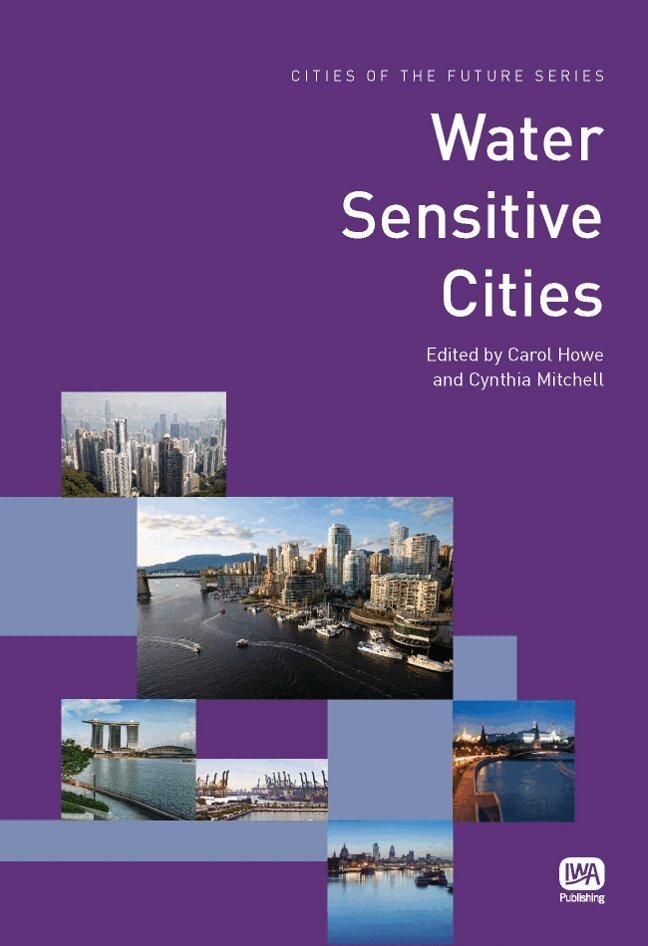
Today’s urban water managers are faced with an unprecedented set of issues that call for a different approach to urban water management. These include the urgent changes needed to respond to climate change, population growth, growing resource constraints, and rapidly increasing global urbanization. Not only are these issues difficult to address, but they are facing us in an environment that is increasingly unpredictable and complex. Although innovative, new tools are now available to water professionals to address these challenges, solving the water problems of tomorrow cannot be done by the water professionals alone. Instead, the city of the future, whether in the developed or developing world, must integrate water management planning and operations with other city services to meet the needs of humans and the environment in a dramatically superior manner. Water Sensitive Cities has been developed from selected papers from 2009 Singapore Water Week “Planning for Sustainable Solutions” and also papers taken from other IWA events. It pulls together material that supports the water professionals’ need for useful and up-to-date material. Authors: Carol Howe, UNESCO-IHE Institute for Water Education, The Netherlands Cynthia Mitchell, University of Technology, Sydney, Australia