Civilization of American Indian S. – Serie
Visar alla böcker i serien Civilization of American Indian S.. Handla med fri frakt och snabb leverans.
4 produkter
4 produkter
261 kr
Skickas inom 10-15 vardagar
Apacheria ran from the Colorado to the Rio Grande and beyond, from the great canyons of the North for a thousand miles into Mexico. Here, where the elusive, phantomlike Apache bands roamed, life was as harsh, cruel, and pitiless as the country itself. The conquest of Apacheria is an epic of heroism, mixed with chicanery, misunderstanding, and tragedy, on both sides.The author's account of this important segment of Western American history includes the Walapais War, an eyewitness report on the death of the gallant lieutenant Howard B. Cushing, the famous Camp Grant Massacre, General Crook's offensive in Apacheria and his difficulties with General Miles, and the formidable Apache leaders, including Cochise, Delshay, Big Rump, Chunz, Chan-deisi, Victorio, and Geronimo.
269 kr
Skickas inom 10-15 vardagar
"A long association with the Cheyennes has given me a special interest in them, and a special wish that they should be allowed to speak for themselves. What the Indians saw in the battles here described, I have learned during years of intimate acquaintance with those who took part in them."-George Bird Grinnell. Without critical comment or biased judgement, George Bird Grinnell-one of the truly great historians of the American Indian-has recorded the major battles that the Cheyennes fought. In this account the entire gallery of the heroic Cheyenne chiefs and warriors-Roman Nose and Black Kettle and Dull Knife and many others-emerge in full color as they strive against the greatest enemy of all: the failure of the white man to understand and appreciate their way of life and his ignorance of their real capacity for peace and cooperation. "[Grinnell's] integrity, sincerity, sympathy, and understanding made him welcome in every tipi. . . . He was one of the very few historians who knew how to get authentic information from Indians, and how to present things as they saw them in readable form."-Stanley Vestal in the foreword. George Bird Grinnell was a man of diverse talents-editor, author, traveler, and scientist. Born in 1849, he became, by turn of the century, one of the best-known and most popular interpreters of the American Indian.
324 kr
Skickas inom 10-15 vardagar
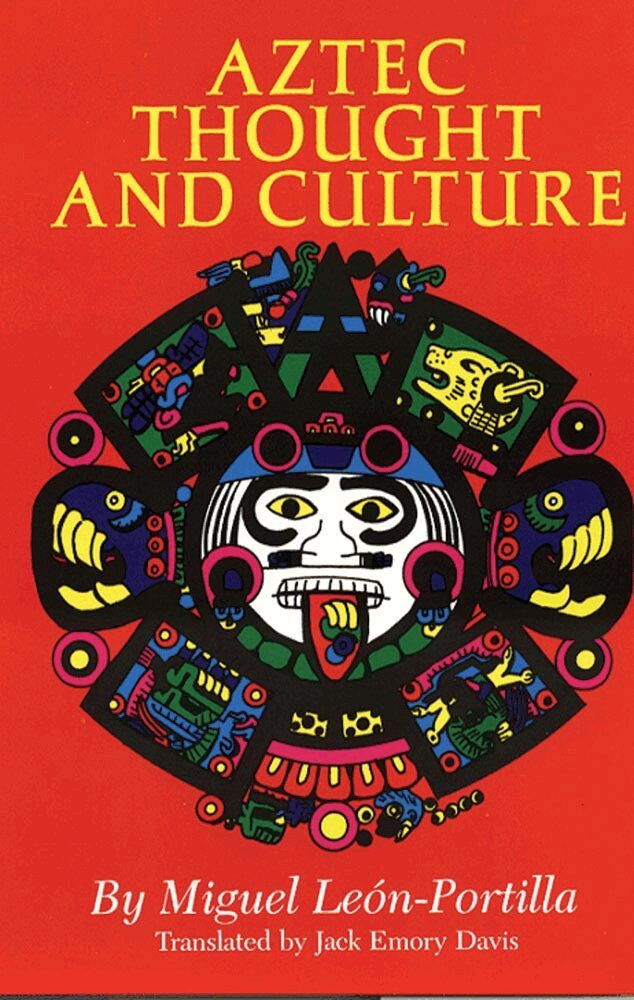
For at least two millennia before the advent of the Spaniards in 1519, there was a flourishing civilization in central Mexico. During that long span of time a cultural evolution took place which saw a high development of the arts and literature, the formulation of complex religious doctrines, systems of education, and diverse political and social organization.The rich documentation concerning these people, commonly called Aztecs, includes, in addition to a few codices written before the Conquest, thousands of folios in the Nahuatl or Aztec language written by natives after the Conquest. Adapting the Latin alphabet, which they had been taught by the missionary friars, to their native tongue, they recorded poems, chronicles, and traditions.The fundamental concepts of ancient Mexico presented and examined in this book have been taken from more than ninety original Aztec documents. They concern the origin of the universe and of life, conjectures on the mystery of God, the possibility of comprehending things beyond the realm of experience, life after death, and the meaning of education, history, and art. The philosophy of the Nahuatl wise men, which probably stemmed from the ancient doctrines and traditions of the Teotihuacans and Toltecs, quite often reveals profound intuition and in some instances is remarkably -modern.-This English edition is not a direct translation of the original Spanish, but an adaptation and rewriting of the text for the English-speaking reader.
261 kr
Skickas inom 5-8 vardagar
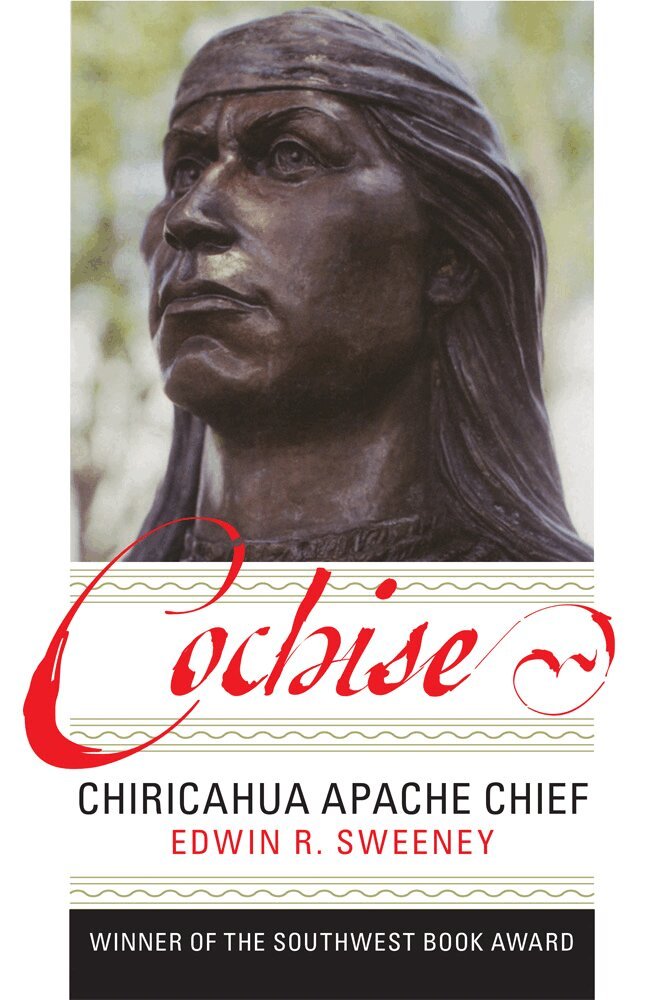
Conchise, a Chiricahua, was said to be the most resourceful, most brutal, and most feared Apache. He and his warriors raided in both Mexico and the United States and, when his brother was executed by Amerians in 1861, Conchise declared war and fought relentlessly for a decade against the United States, submitting ultimately to the reservation only in the face of overwhelming military superiority.