Clayton Wheat Williams Texas Life Series – serie
Visar alla böcker i serien Clayton Wheat Williams Texas Life Series. Handla med fri frakt och snabb leverans.
11 produkter
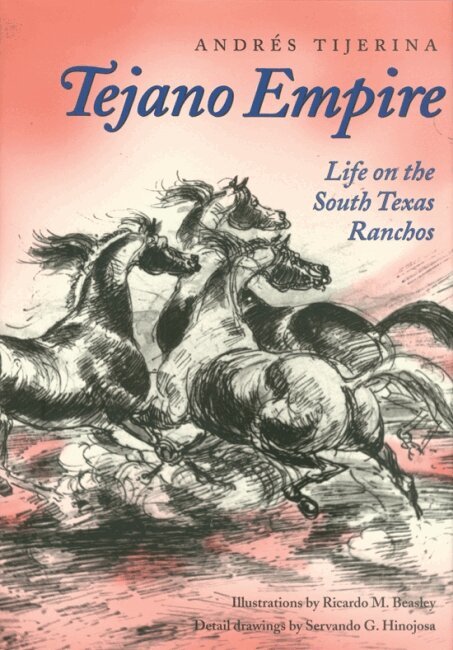
Tejano Empire
Life on the South Texas Ranchos
Häftad, 2008
225 kr
Lägg i varukorg
Texans of Mexican descent built a unique and highly developed ranching culture that thrived in South Texas until the 1880s. In ""Tejano Empire"", historian Andres Tijerina describes the major elements that gave the Tejano ranch community its identity: shared reaction to Anglo-American in-migration, …
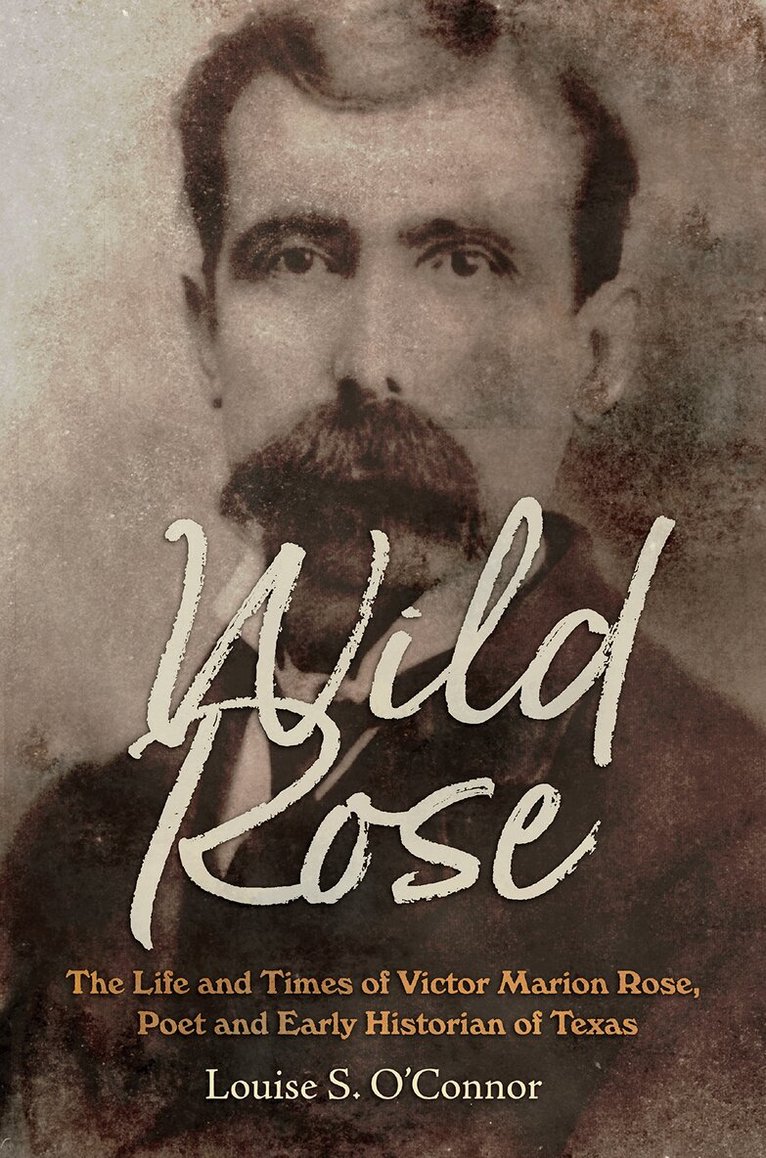
Wild Rose
The Life and Times of Victor Marion Rose, Poet and Historian of Early Texas
Inbunden, 2018
366 kr
Lägg i varukorg
During much of his brief and troubled life, Victor Marion Rose was a walking anomaly. The scion of a venerable Texas farming and ranching family, he was widely reported to be unable to distinguish one horse from another. He fought for the Confederacy and endured imprisonment at Ohio's notorious …
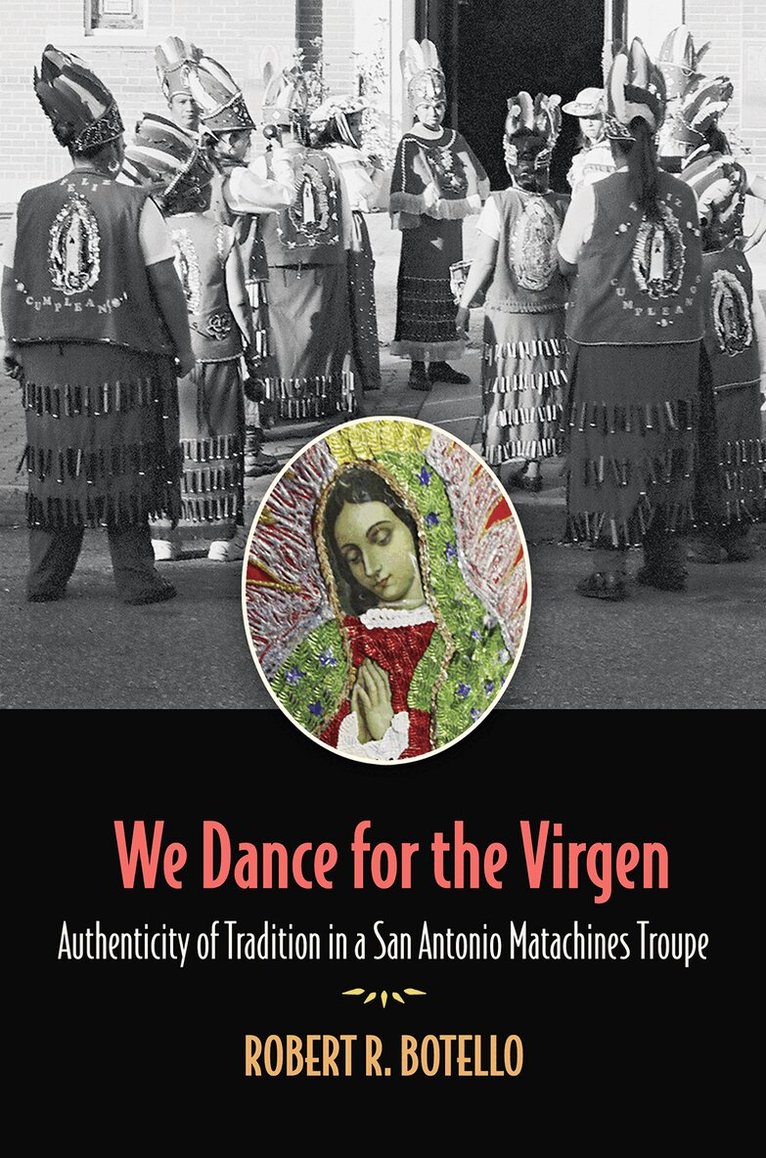
We Dance for the Virgen Volume 19
Authenticity of Tradition in a San Antonio Matachines Troupe
Inbunden, 2022
440 kr
Lägg i varukorg
The danza de matachines is a tradition with roots in the Spanish colonization of Mexico that summons history for Mexican, Chicano, and indigenous communities. The elaborate ritual, regalia, and practices associated with the tradition tell of the repeated appearances of Our Lady of Guadalupe to the …
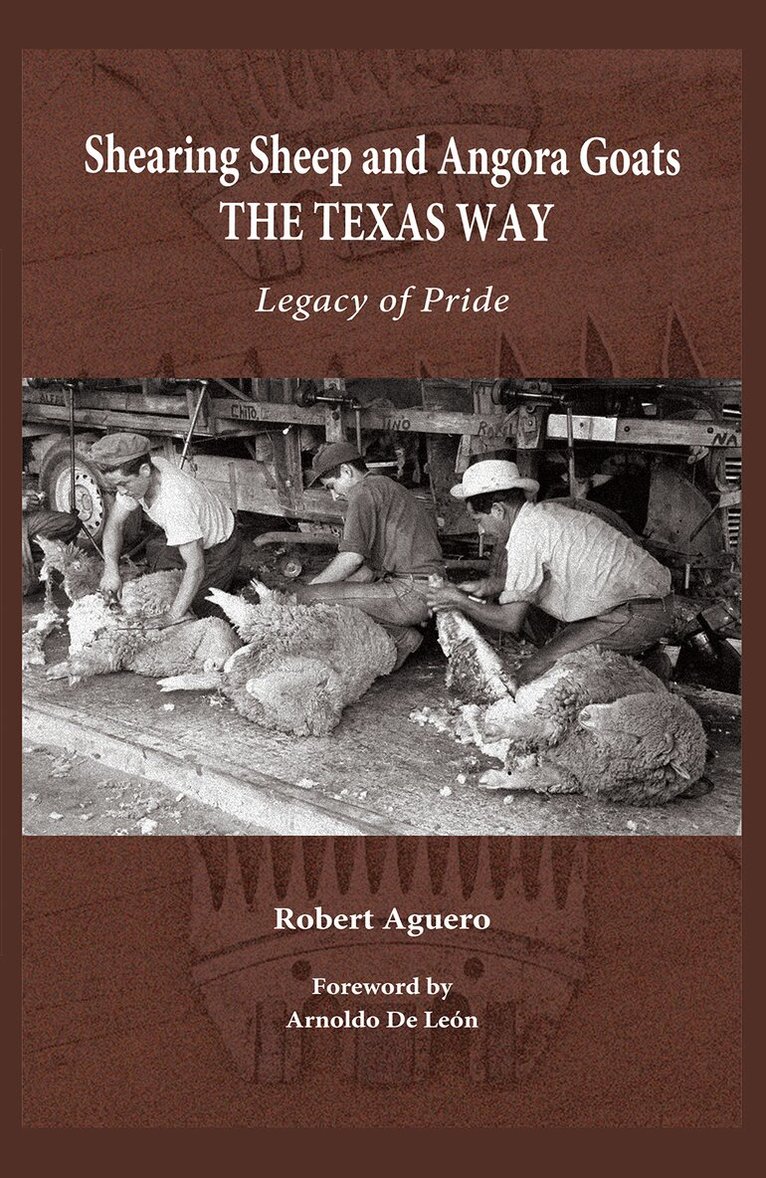
Shearing Sheep and Angora Goats the Texas Way Volume 20
Legacy of Pride
Inbunden, 2024
570 kr
Lägg i varukorg
Just as the time of the vaquero is near to running its course, the days of the full-time sheep and goat shearers—tasinques—are coming to a close. So asserts author Robert Aguero, son and grandson of tasinques and recipient of the proud tradition of those who labored with their hands in the dusty …
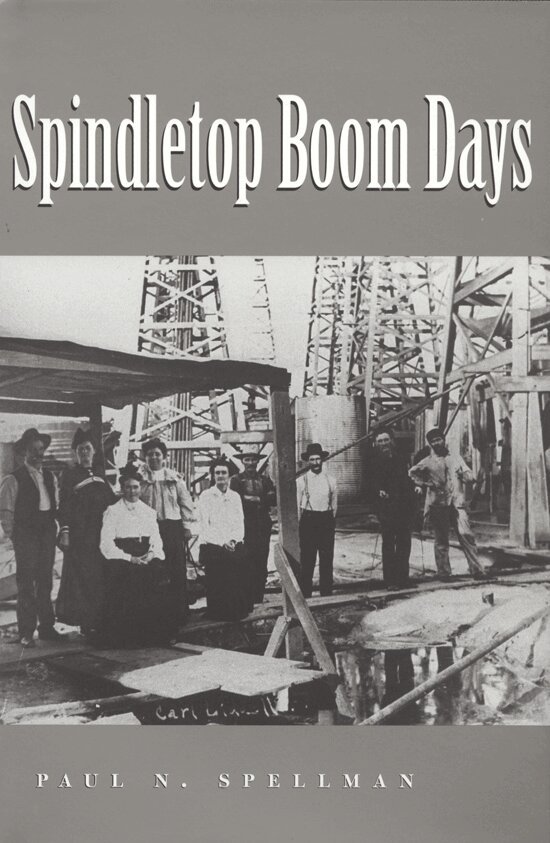
Spindletop Boom Days Volume 9
Häftad, 2025
399 kr
Lägg i varukorg
Spindletop. The word conjures images of Texas oil: roustabouts, roughnecks, oil barons, and endless rows of wooden derricks. The discovery of oil at Spindletop in 1901 revolutionized the oil and drilling industry in the United States: before Spindletop's seventy thousand barrels of oil a day, no …
Hands to the Spindle
Texas Women and Home Textile Production, 1822-1880
Inbunden, 1996
244 kr
Tillfälligt slut
It is said one piece of fabric can tell of the hardships, blessings, and realities of a woman’s life, as well as her community’s life. In nineteenth-century Texas women’s hands created most of the clothes their families wore, the blankets used to cover their tired bodies, and the textiles that …
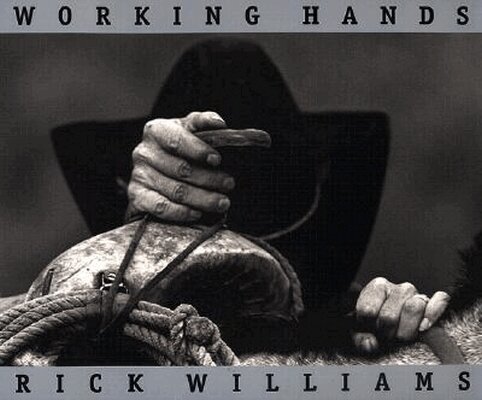
Working Hands
Inbunden, 2000
524 kr
Tillfälligt slut
Featuring over 70 photographs by Rick Williams, this volume portrays the daily lives of Texans at work in the industries that comprise the three economic pillars of the state: ranching, oil, and microcomputer technology. The photographs reveal the factors that link these different industries.
Jane's Window
My Spirited Life in West Texas and Austin
Inbunden, 2013
422 kr
Tillfälligt slut
On the southern portion of what was known as the Sibley’s Pezuna del Caballo (Horse’s Hoof) Ranch in West Texas’ Culberson County are two mountains that nearly meet, forming a gap that frames a salt flat where Indians and later, pioneers came to gather salt to preserve foodstuffs. According to the …
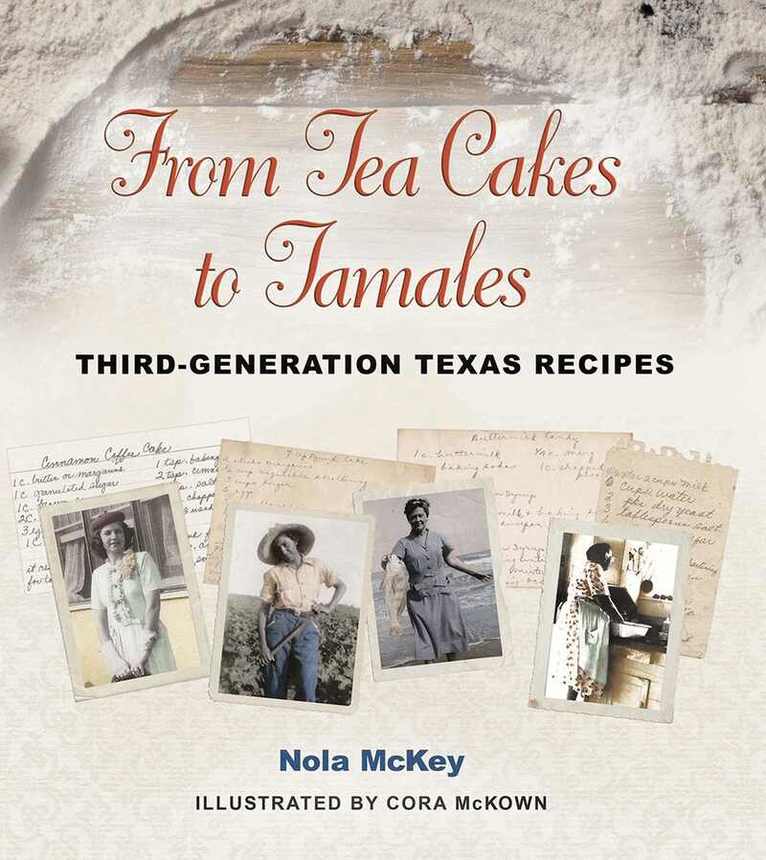
From Tea Cakes to Tamales
Third-Generation Texas Recipes
Av Nola McKey
Häftad, 2016
348 kr
Tillfälligt slut
Join Nola McKey, former editor at Texas Highways, on a journey through Texas history—through food! In this collection of morethan one hundred recipes, Texans share the dishes they inheritedfrom their ancestors and the family stories and traditionsthat accompany them. With a strong focus on Texas’ …
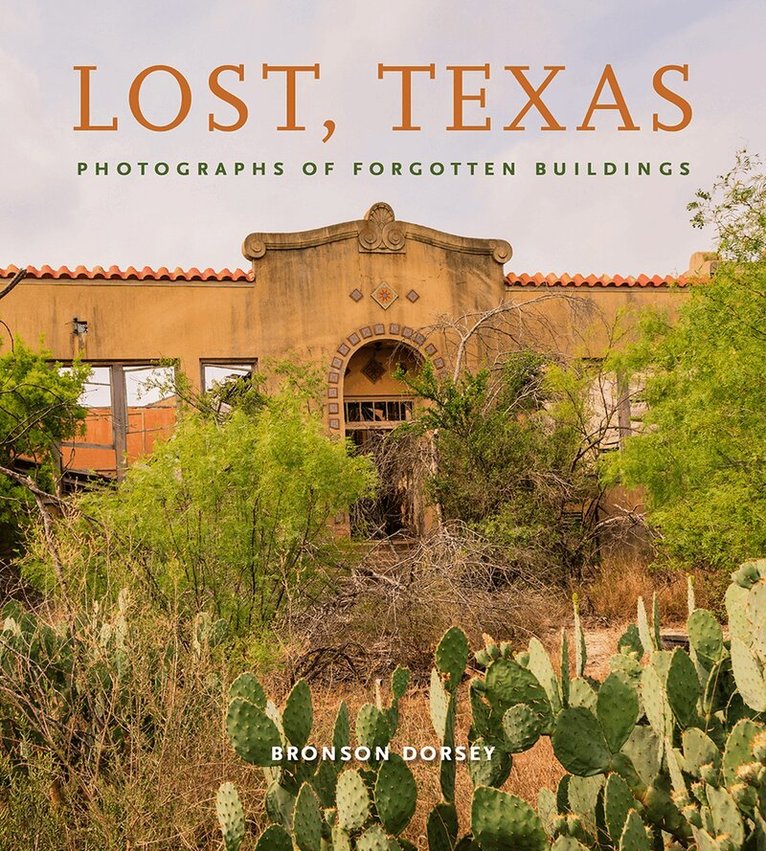
Lost, Texas
Photographs of Forgotten Buildings
Inbunden, 2018
467 kr
Tillfälligt slut
In Lost, Texas: Photographs of Forgotten Buildings, Bronson Dorsey takes us on a tour of old, abandoned buildings in Texas that evoke the mystique of bygone days and shifting population patterns. With a skilled photographer’s eye, he captures the character of these buildings, mostly tucked away in …