Cleveland Masterwork – Serie
Visar alla böcker i serien Cleveland Masterwork. Handla med fri frakt och snabb leverans.
2 produkter
2 produkter
270 kr
Skickas inom 7-10 vardagar
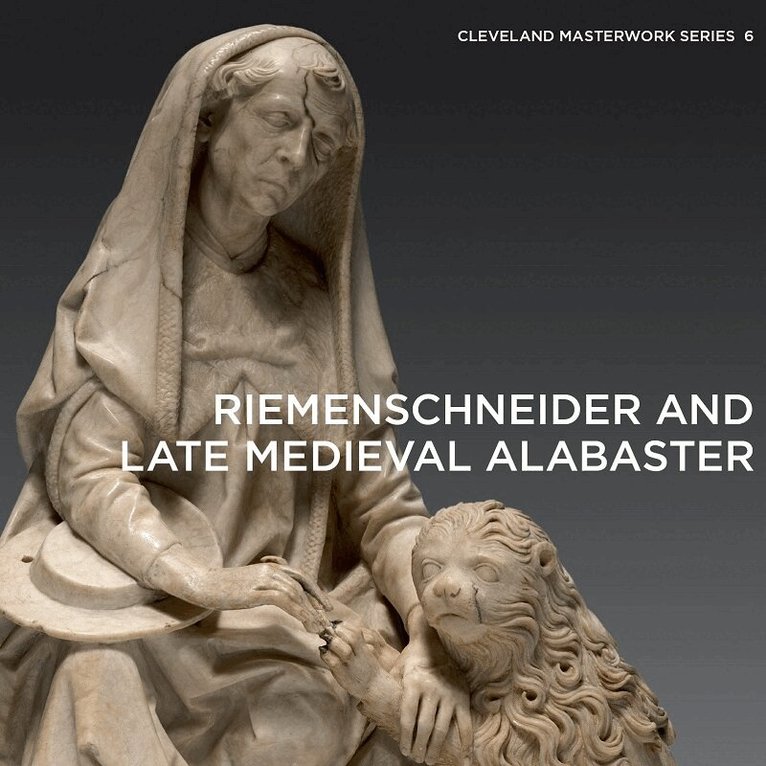
Said to have come from the Benedictine abbey church of Saint Peter in Erfurt, Germany, this statue by Tilman Riemenschneider (c. 1460 - 1531), dated to c. 1495, depicts the church father Saint Jerome as he removes a thorn from the paw of a lion, a legendary account of the saint's kindness. Following the common iconography of the scene, Jerome is dressed in the traditional robes of a Roman cardinal, with the cowl draped over his tonsured head and the broad-brimmed hat on his right leg. Traces of polychromy and gilding suggest that it was once brightly coloured. Drill holes in the hat further indicate that cords and tassels of fabric, typical of a cardinal's hat, would once have decorated the sculpture. Whether the statue was originally commissioned for an altar in a private chapel or for its artistic value remains unknown. Its alleged provenance from a church in Erfurt and Jerome's popularity as a patron saint of humanists and scholars make either scenario likely.Alabaster was prized for its lustre and capacity for fine details from the fourteenth to the sixteenth century. The gleaming stone was used for altarpieces and small sculptures, as well as the tombs of wealthy princes. The book unites alabaster works from the medieval collection of the Cleveland Museum of Art and selected masterpieces of alabaster sculpture from North American museums and the Louvre in Paris, which allow insight into the production of alabaster sculptures in this period. It is striking that these works are of such a particularly exquisite quality that this material was used especially for high-ranking commissions, such as the tomb of Duke Philip the Bold of Burgundy in Champmol near Dijon. The book is accompanied by several essays that examine the subject of alabaster sculpture from different perspectives.
306 kr
Skickas inom 7-10 vardagar
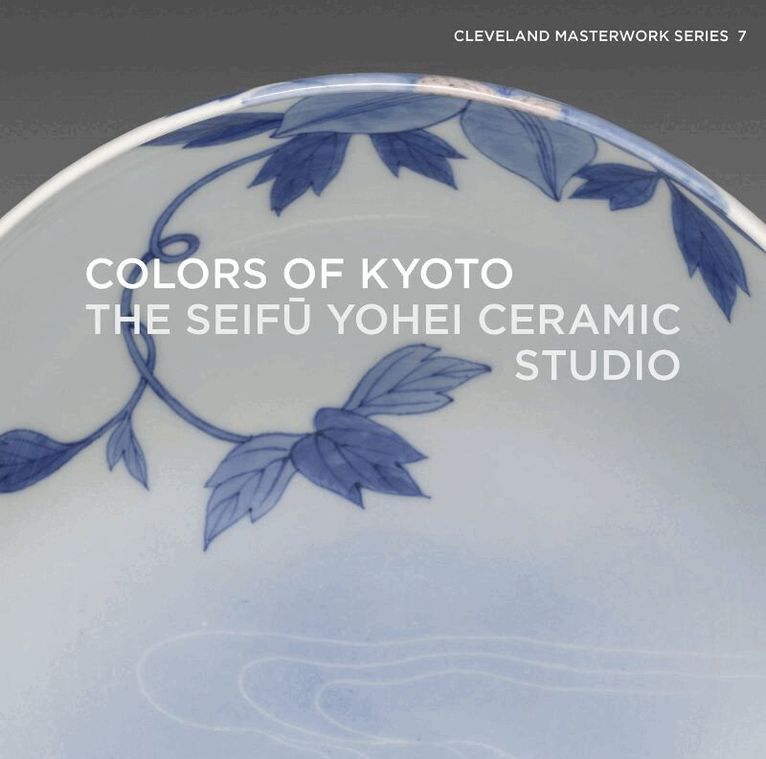
This is the first comprehensive look in English at the Seifu Yohei Ceramic Studio in Kyoto, from the Meiji period (1868 1912) to the mid Showa period (1926 89), the James and Christine Heusinger Collection at the Cleveland Museum of Art as its core material. The principal essay provides a biography of Seifu Yohei III, the star of the studio and the first ceramist to be named an Imperial Household Artist, as well as an overview of the studio that contextualises it in the world of literati painting, sencha (steeped green tea) and international trade. A second essay offers a brief history of porcelain production in Kyoto, as well as a discussion of objects produced by the Seifu studio for sencha. This catalogue of a hundred works examines the wide variety of forms, decorative techniques and glazes that made the studio's works unique. AUTHORS: Shinya Maezaki is a professor at Kyoto Women's University. Sinead Vilbar is curator of Japanese Art at the Cleveland Museum of Art. SELLING POINTS: . Features the Seifu Yohei Ceramic Studio in Kyoto from the Meiji period (1868-1912) to early Showa period (1926-89) . Focuses on the domestic market vs. international market, modernization vs. Westernization, and China as a cultural model . Biographical essay on Seifu Yohei III . Essay on sencha . Great photography of Seifu works displaying a great variety of techniques, glazes, and forms 160 colour illustrations