Cognitive Approaches to Literature and Culture Series – serie
Visar alla böcker i serien Cognitive Approaches to Literature and Culture Series. Handla med fri frakt och snabb leverans.
14 produkter
14 produkter
344 kr
Skickas inom 10-15 vardagar
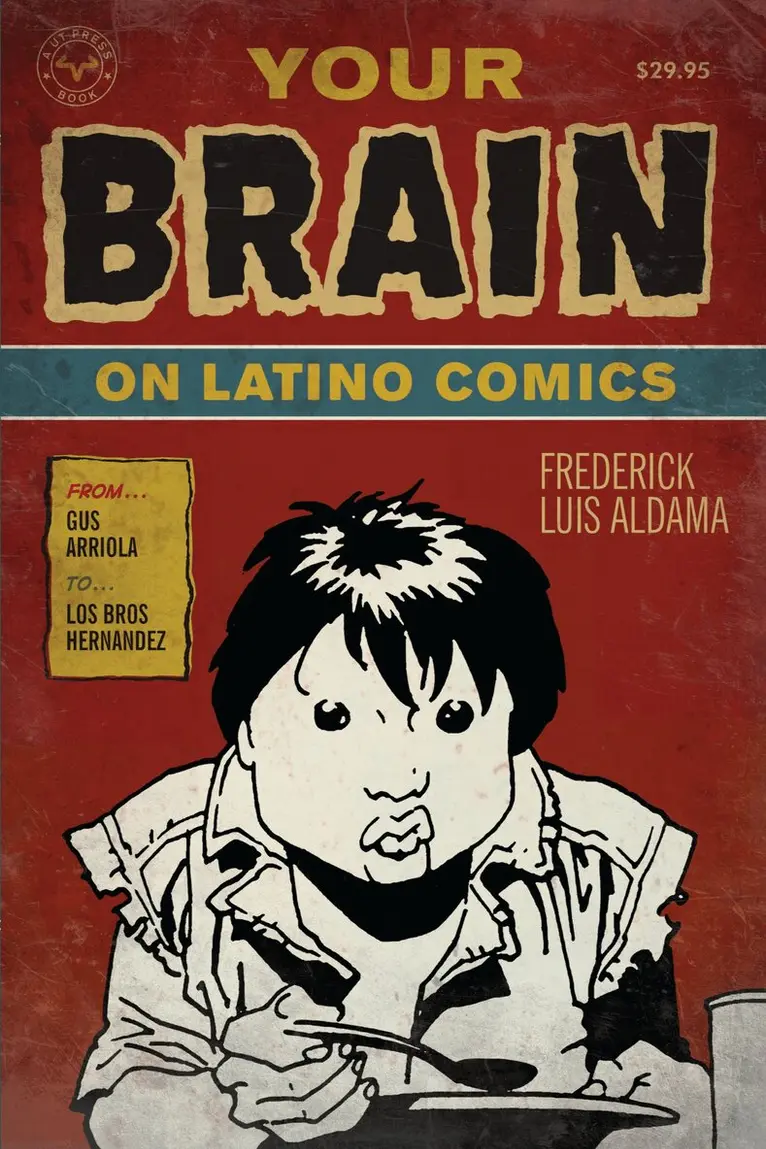
Though the field of comic book studies has burgeoned in recent years, Latino characters and creators have received little attention. Putting the spotlight on this vibrant segment, Your Brain on Latino Comics illuminates the world of superheroes Firebird, Vibe, and the new Blue Beetle while also examining the effects on readers who are challenged to envision such worlds. Exploring mainstream companies such as Marvel and DC as well as rising stars from other segments of the industry, Frederick Aldama provides a new reading of race, ethnicity, and the relatively new storytelling medium of comics themselves. Overview chapters cover the evolution of Latino influences in comics, innovations, and representations of women, demonstrating Latino transcendence of many mainstream techniques. The author then probes the rich and complex ways in which such artists affect the cognitive and emotional responses of readers as they imagine past, present, and future worlds. Twenty-one interviews with Latino comic book and comic strip authors and artists, including Laura Molina, Frank Espinosa, and Rafael Navarro, complete the study, yielding captivating commentary on the current state of the trade, cultural perceptions, and the intentions of creative individuals who shape their readers in powerful ways.
329 kr
Skickas inom 7-10 vardagar
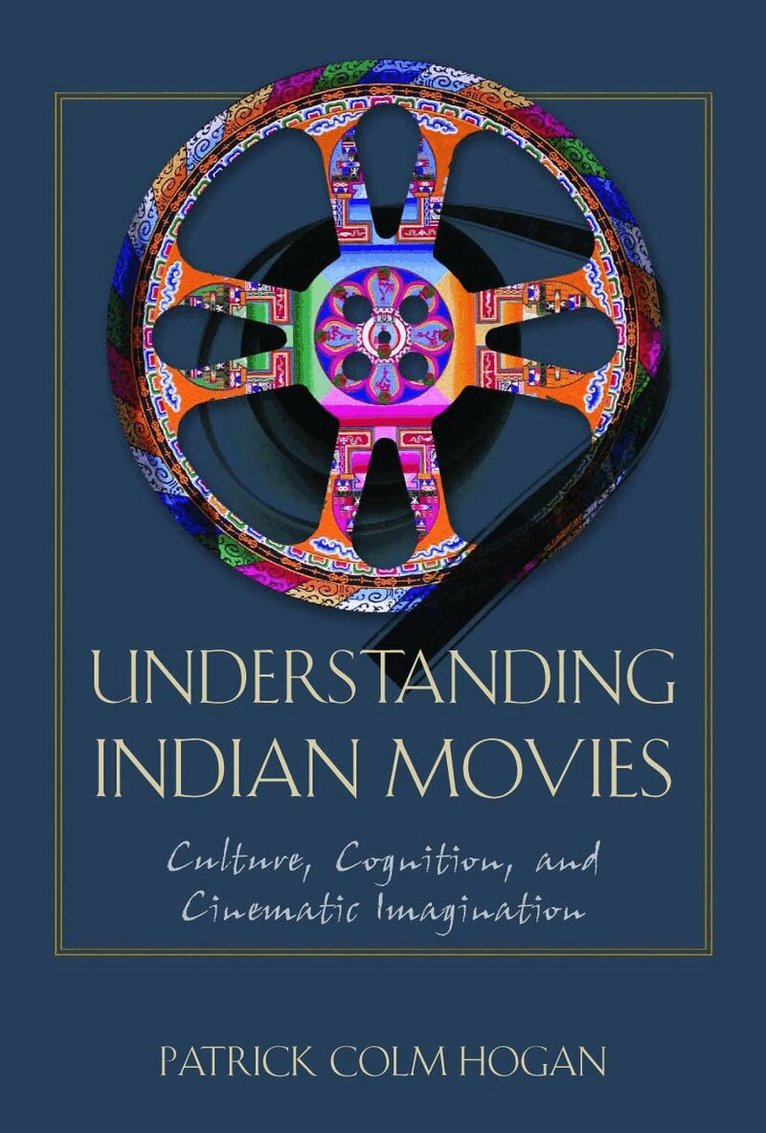
Indian movies are among the most popular in the world. However, despite increased availability and study, these films remain misunderstood and underappreciated in much of the English-speaking world, in part for cultural reasons. In this book, Patrick Colm Hogan sets out through close analysis and explication of culturally particular information about Indian history, Hindu metaphysics, Islamic spirituality, Sanskrit aesthetics, and other Indian traditions to provide necessary cultural contexts for understanding Indian films. Hogan analyzes eleven important films, using them as the focus to explore the topics of plot, theme, emotion, sound, and visual style in Indian cinema. These films draw on a wide range of South Asian cultural traditions and are representative of the greater whole of Indian cinema. By learning to interpret these examples with the tools Hogan provides, the reader will be able to take these skills and apply them to other Indian films. But this study is not simply culturalist. Hogan also takes up key principles from cognitive neuroscience to illustrate that all cultures share perceptual, cognitive, and emotional elements that, when properly interpreted, can help to bridge gaps between seemingly disparate societies. Hogan locates the specificity of Indian culture in relation to human universals, and illustrates this cultural-cognitive synthesis through his detailed interpretations of these films. This book will help both scholars and general readers to better understand and appreciate Indian cinema.
652 kr
Skickas inom 10-15 vardagar
Multicultural Comics: From Zap to Blue Beetle is the first comprehensive look at comic books by and about race and ethnicity. The thirteen essays tease out for the general reader the nuances of how such multicultural comics skillfully combine visual and verbal elements to tell richly compelling stories that gravitate around issues of race, ethnicity, gender, and sexuality within and outside the U.S. comic book industry. Among the explorations of mainstream and independent comic books are discussions of the work of Adrian Tomine, Grant Morrison, and Jessica Abel as well as Marv Wolfman and Gene Colan's The Tomb of Dracula; Native American Anishinaabe-related comics; mixed-media forms such as Kerry James Marshall's comic-book/community performance; DJ Spooky's visual remix of classic film; the role of comics in India; and race in the early Underground Comix movement. The collection includes a "one-stop shop" for multicultural comic book resources, such as archives, websites, and scholarly books. Each of the essays shows in a systematic, clear, and precise way how multicultural comic books work in and of themselves and also how they are interconnected with a worldwide tradition of comic-book storytelling.
269 kr
Skickas inom 10-15 vardagar
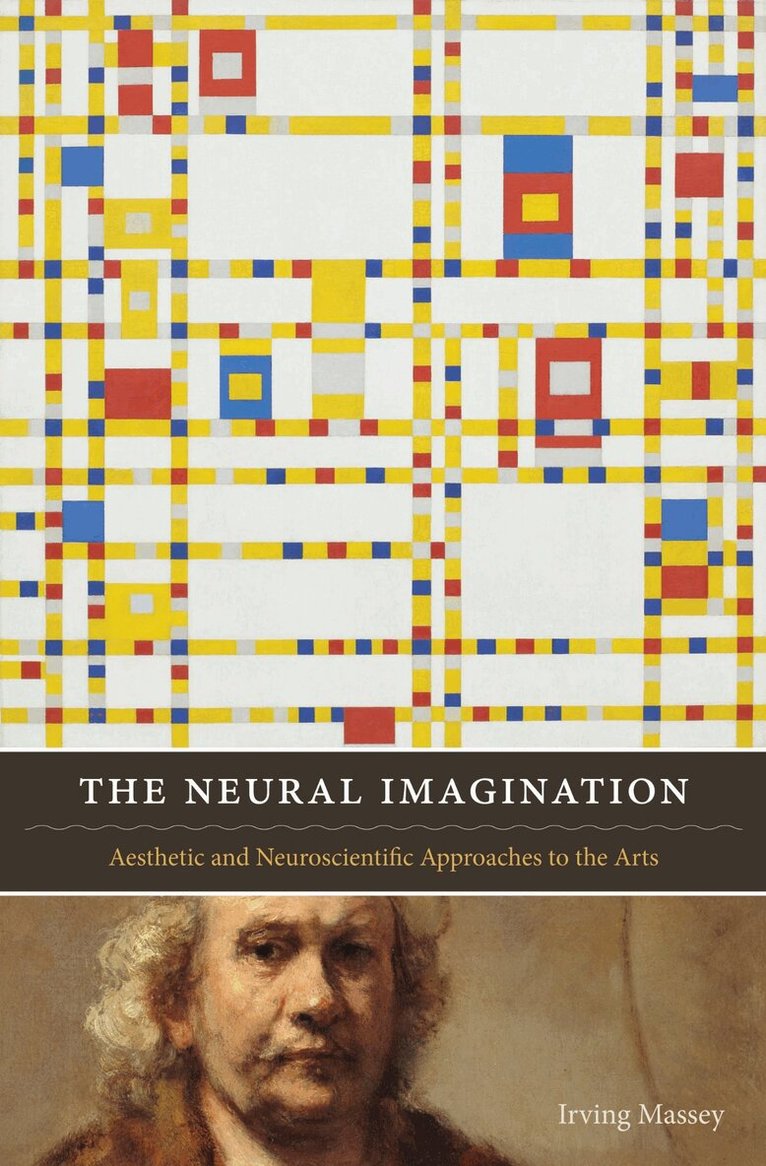
Art and technology have been converging rapidly in the past few years; an important example of this convergence is the alliance of neuroscience with aesthetics, which has produced the new field of neuroaesthetics. Irving Massey examines this alliance, in large part to allay the fears of artists and audiences alike that brain science may "explain away" the arts. The first part of the book shows how neuroscience can enhance our understanding of certain features of art. The second part of the book illustrates a humanistic approach to the arts; it is written entirely without recourse to neuroscience, in order to show the differences in methodology between the two approaches. The humanistic style is marked particularly by immersion in the individual work and by evaluation, rather than by detachment in the search for generalizations. In the final section Massey argues that, despite these differences, once the reality of imagination is accepted neuroscience can be seen as the collaborator, not the inquisitor, of the arts.
Literature, Analytically Speaking
Explorations in the Theory of Interpretation, Analytic Aesthetics, and Evolution
Häftad, Engelska, 2010
300 kr
Skickas inom 10-15 vardagar
In a new approach to interdisciplinary literary theory, Literature, Analytically Speaking integrates literary studies with analytic aesthetics, girded by neo-Darwinian evolution. Scrutinizing narrative fiction through a lens provided by analytic philosophy, revered literary theorist Peter Swirski puts new life into literary theory while fashioning a set of practical guidelines for critics in the interpretive trenches. Dismissing critical inquirers who deny intention its key role in the study of literary reception, Swirski extends the defense of intentionality to art and to human behavior in general. In the process, Swirski takes stock of the recent work in evolutionary theory, arguing that the analysis of narrative truth may be grounded in the neo-Darwinian paradigm which forms the empirical backbone behind his analytic approach. Literature, Analytically Speaking provides a series of precepts designed to capture the ways in which we do interpret (and ought to interpret) works of literature. Reflecting a resounding shift from the poststructuralist paradigm, Swirski's lively and colorful presentation, backed up by a dazzling variety of examples and case studies, reconceptualizes the aesthetics of literature and literary studies.
392 kr
Skickas inom 10-15 vardagar
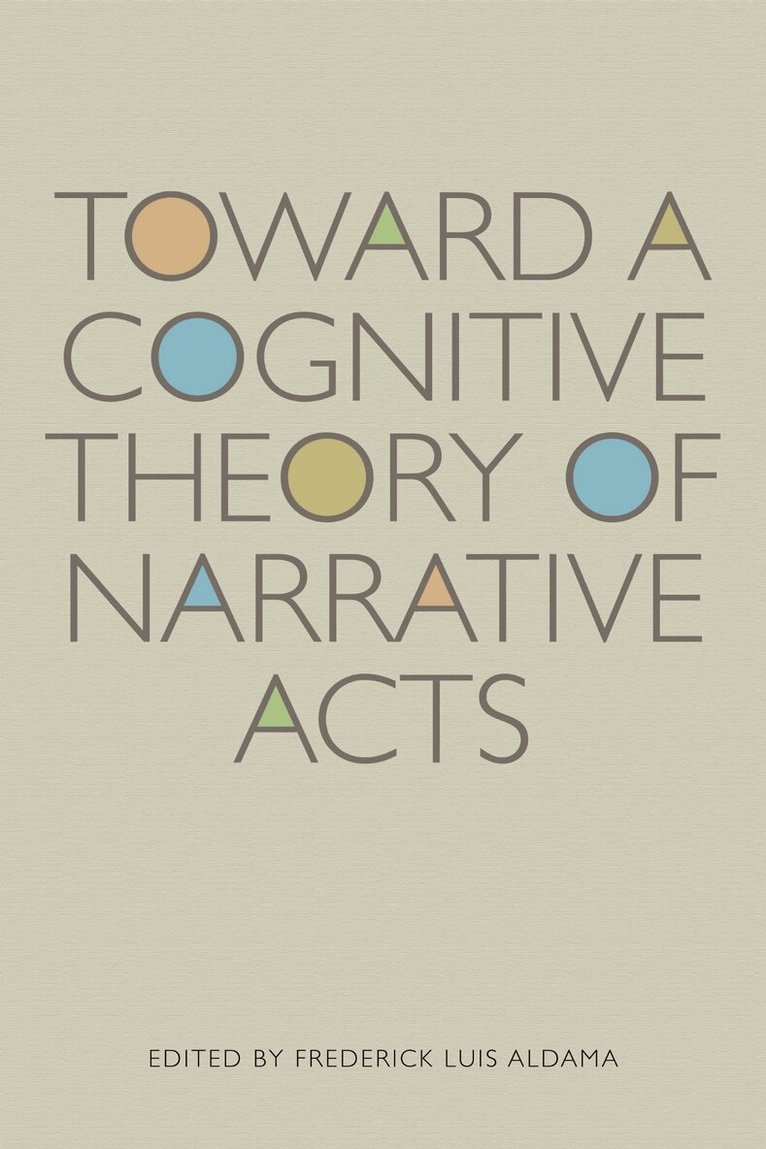
Toward a Cognitive Theory of Narrative Acts brings together in one volume cutting-edge research that turns to recent findings in cognitive and neurobiological sciences, psychology, linguistics, philosophy, and evolutionary biology, among other disciplines, to explore and understand more deeply various cultural phenomena, including art, music, literature, and film. The essays fulfilling this task for the general reader as well as the specialist are written by renowned authors H. Porter Abbott, Patrick Colm Hogan, Suzanne Keen, Herbert Lindenberger, Lisa Zunshine, Katja Mellman, Lalita Pandit Hogan, Klarina Priborkin, Javier GutiÉrrez-Rexach, Ellen Spolsky, and Richard Walsh. Among the works analyzed are plays by Samuel Beckett, novels by Maxine Hong Kingston, music compositions by Igor Stravinsky, art by Jean-Baptiste-Simeon Chardin, and films by Michael Haneke. Each of the essays shows in a systematic, clear, and precise way how music, art, literature, and film work in and of themselves and also how they are interconnected. Finally, while each of the essays is unique in style and methodological approach, together they show the way toward a unified knowledge of artistic creativity.
286 kr
Skickas inom 10-15 vardagar
Multicultural Comics: From Zap to Blue Beetle is the first comprehensive look at comic books by and about race and ethnicity. The thirteen essays tease out for the general reader the nuances of how such multicultural comics skillfully combine visual and verbal elements to tell richly compelling stories that gravitate around issues of race, ethnicity, gender, and sexuality within and outside the U.S. comic book industry. Among the explorations of mainstream and independent comic books are discussions of the work of Adrian Tomine, Grant Morrison, and Jessica Abel as well as Marv Wolfman and Gene Colan's The Tomb of Dracula; Native American Anishinaabe-related comics; mixed-media forms such as Kerry James Marshall's comic-book/community performance; DJ Spooky's visual remix of classic film; the role of comics in India; and race in the early Underground Comix movement. The collection includes a "one-stop shop" for multicultural comic book resources, such as archives, websites, and scholarly books. Each of the essays shows in a systematic, clear, and precise way how multicultural comic books work in and of themselves and also how they are interconnected with a worldwide tradition of comic-book storytelling.
300 kr
Skickas inom 10-15 vardagar
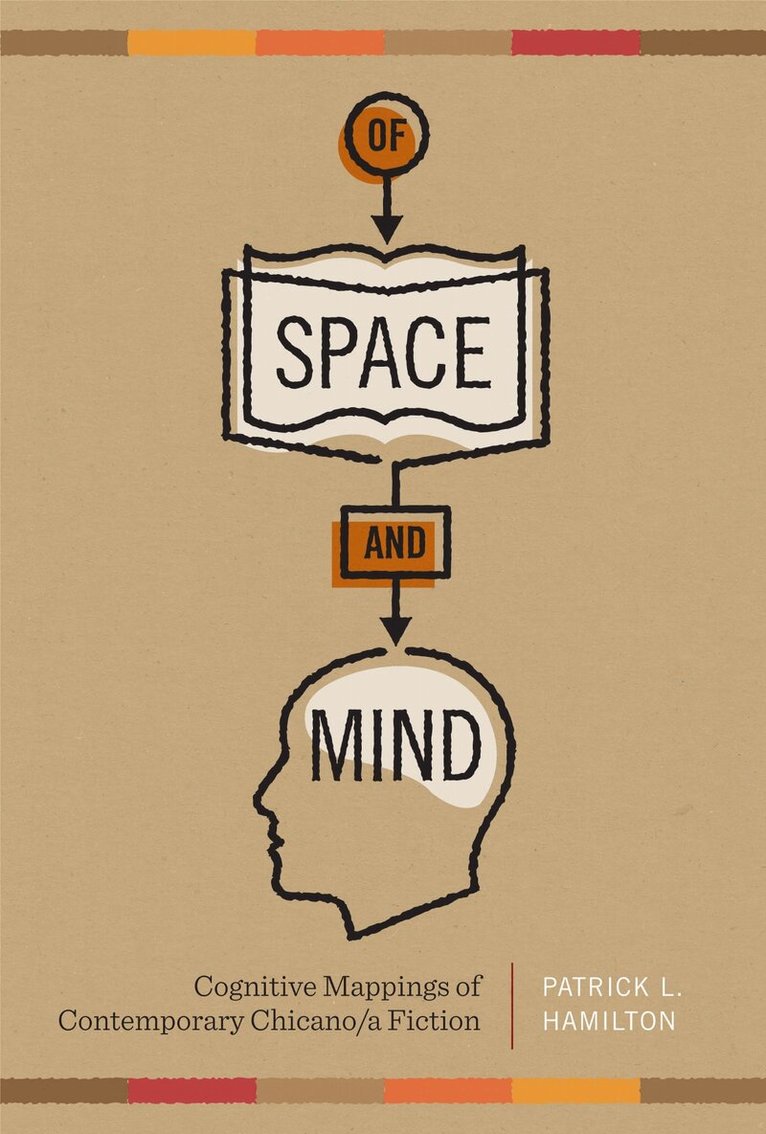
Chicano/a fiction is often understood as a literature of resistance to the dominant U.S. Anglo culture and society. But reducing this rich literary production to a single, binary opposition distorts it in fundamental ways. It conflates literature with life, potentially substituting a literature of protest for social activism that could provoke real changes in society. And it overlooks the complex range of responses to Anglo society that actually animates Chicano/a fiction. In this paradigm-shifting book, Patrick L. Hamilton analyzes works by Rudolfo Anaya, Ana Castillo, Denise ChÁvez, Rolando Hinojosa, Arturo Islas, John Rechy, Alfredo VÉa, and Helena MarÍa Viramontes to expand our understandings of the cultural interactions within the United States that are communicated by Chicano/a fiction. He argues that the narrative ethics of "resistance" within the Chicano/a canon is actually complemented by ethics of "persistence" and "transformation" that imagine cultural differences within the United States as participatory and irreducible to simple oppositions. To demonstrate these alternative ethics, Hamilton adapts the methodology of cognitive mapping; that is, he treats the chosen fictional texts as mental maps that are constructed around and communicative of the narrative's ethics. As he reads these cognitive maps, which envision Chicano/a culture as being part of U.S. society rather than as "resistant" and separate, Hamilton asserts that the authors' conception of cultural difference speaks more usefully to current sociopolitical debates, such as those about gay marriage and immigration reform, than does the traditional "resistant" paradigm.
392 kr
Skickas inom 10-15 vardagar
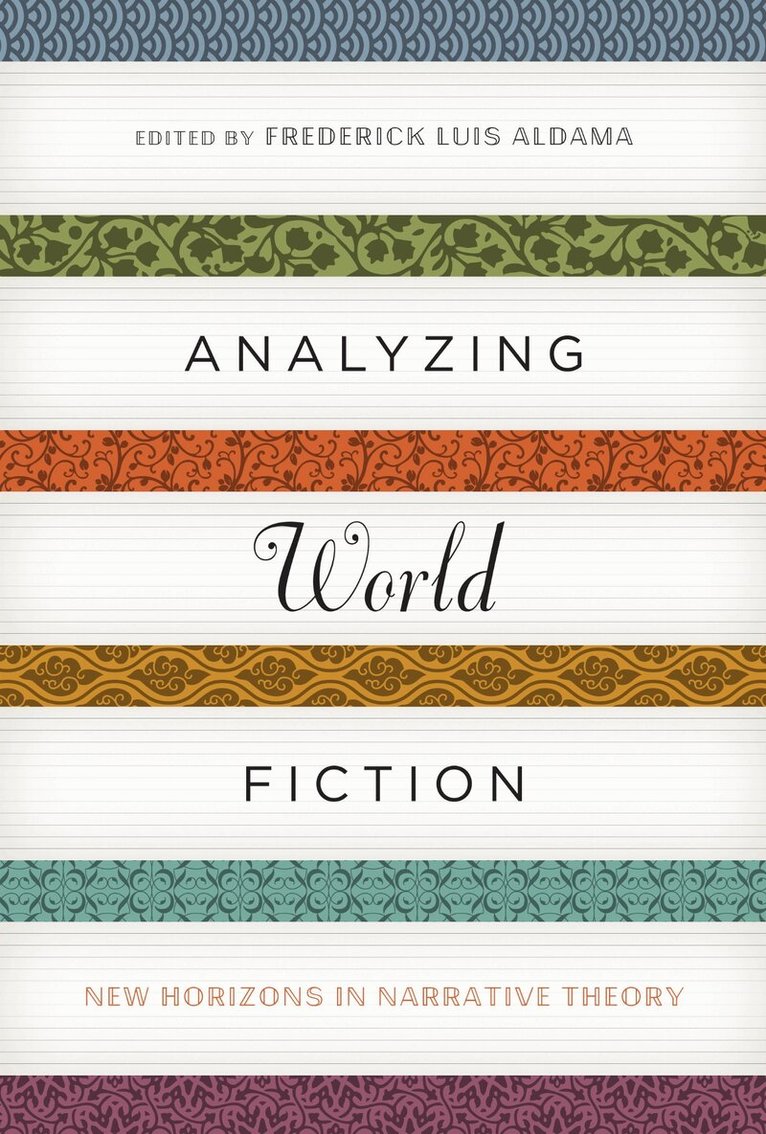
Why are many readers drawn to stories that texture ethnic experiences and identities other than their own? How do authors such as Salman Rushdie and Maxine Hong Kingston, or filmmakers in Bollywood or Mexico City produce complex fiction that satisfies audiences worldwide? In Analyzing World Fiction, fifteen renowned luminaries use tools of narratology and insights from cognitive science and neurobiology to provide answers to these questions and more.With essays ranging from James Phelan's "Voice, Politics, and Judgments in Their Eyes Were Watching God" and Hilary Dannenberg's "Narrating Multiculturalism in British Media: Voice and Cultural Identity in Television" to Ellen McCracken's exploration of paratextual strategies in Chicana literature, this expansive collection turns the tide on approaches to postcolonial and multicultural phenomena that tend to compress author and narrator, text and real life. Striving to celebrate the art of fiction, the voices in this anthology explore the "ingredients" that make for powerful, universally intriguing, deeply human story-weaving.Systematically synthesizing the tools of narrative theory along with findings from the brain sciences to analyze multicultural and postcolonial film, literature, and television, the contributors pioneer new techniques for appreciating all facets of the wonder of storytelling.
331 kr
Skickas inom 10-15 vardagar
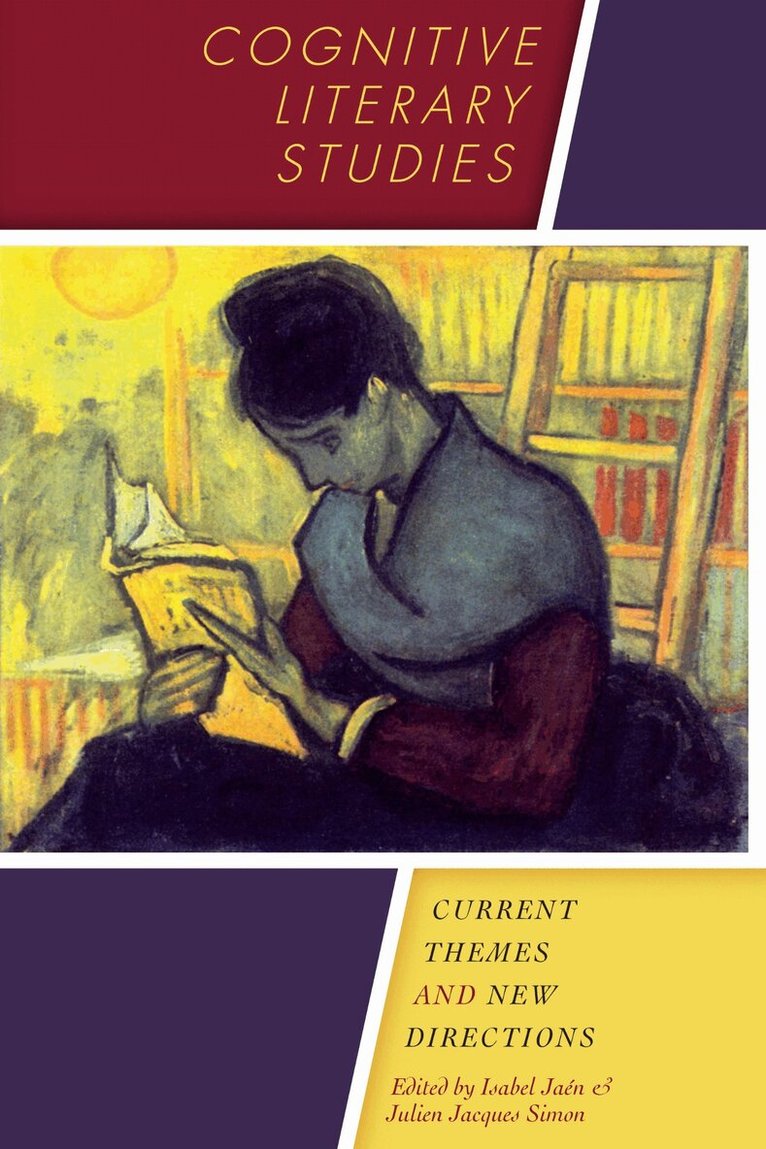
In the first decade of the twenty-first century, our understanding of the cognition of literature was transformed by scientific discoveries, such as the mirror neuron system and its role in empathy. Addressing questions such as why we care so deeply about fictional characters, what brain activities are sparked when we read literature, and how literary works and scholarship can inform the cognitive sciences, this book surveys the exciting recent developments in the field of cognitive literary studies and includes contributions from leading scholars in both the humanities and the sciences.Beginning with an overview of the evolution of literary studies, the editors trace the recent shift from poststructuralism and its relativism to a growing interdisciplinary interest in the empirical realm of neuroscience. In illuminating essays that examine the cognitive processes at work when we experience fictional worlds, with findings on the brain's creativity sites, this collection also explores the impact of literature on self and society, ending with a discussion on the present and future of the psychology of fiction. Contributors include Literature and the Brain author Norman N. Holland, on the neuroscience of metafiction reflected in Don Quixote; clinical psychologist Aaron Mishara on the neurology of self in the hypnagogic (between waking and sleeping) state and its manifestations in Kafka's stories; and literary scholar Brad Sullivan's exploration of Romantic poetry as a didactic tool, applying David Hartley's eighteenth-century theories of sensory experience.
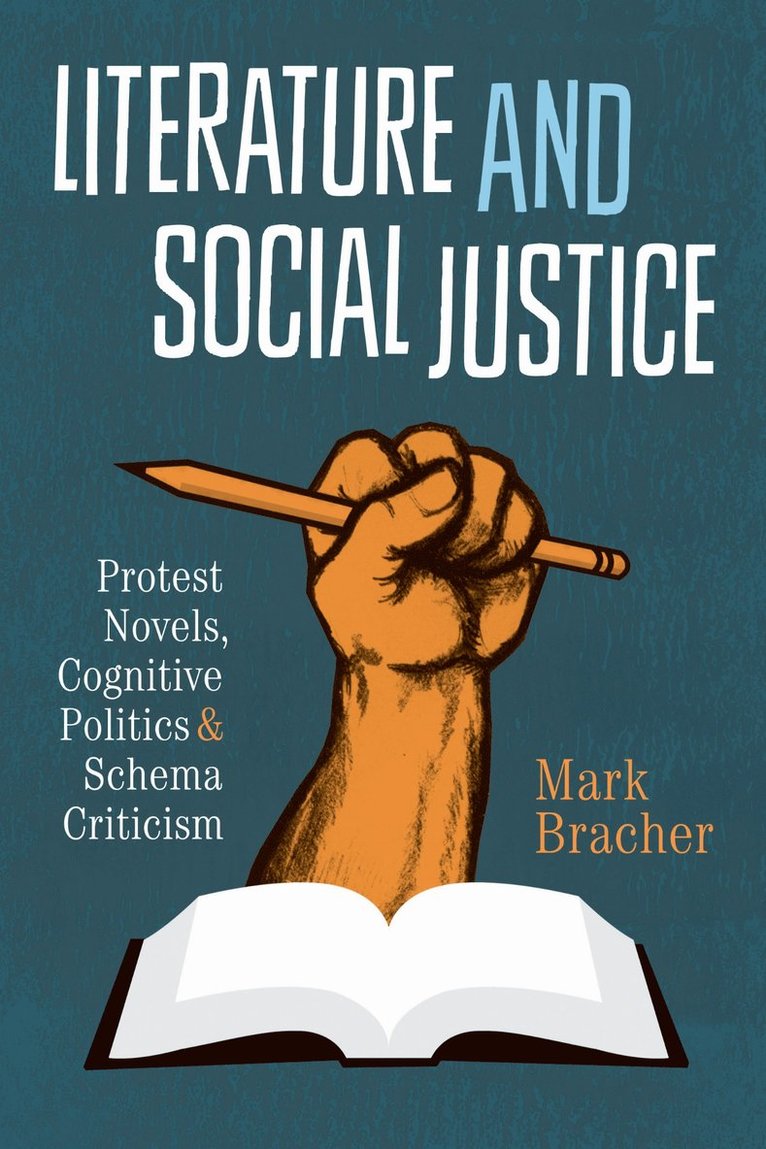
Literature and Social Justice
Protest Novels, Cognitive Politics, and Schema Criticism
Häftad, Engelska, 2013
423 kr
Skickas inom 10-15 vardagar
Can reading social protest novels actually produce a more just world? Literature and Social Justice offers a scientifically informed, evidence-based affirmative answer to that crucial question, arguing that literature has the potential—albeit largely unrealized—to produce lasting, socially transformative psychological changes in readers. Moving beyond traditional social criticism in its various forms, including feminist, gender, queer, and postcolonialist approaches, Mark Bracher uses new knowledge concerning the cognitive structures and processes that constitute the psychological roots of social injustice to develop a detailed, systematic critical strategy that he calls "schema criticism," which can be applied to literature and other discourses to maximize and extend their potential for promoting social justice.Bracher draws on studies in social cognition, social neuroscience, evolutionary psychology, political psychology, and psychoanalysis to uncover the root cognitive structures that cause misunderstandings among people and give rise to social injustice. Using the novels The Jungle, The Grapes of Wrath, and Native Son, he then demonstrates how schema criticism can correct these faulty cognitive structures and enable readers to develop more accurate and empathetic views of those they deem "Other," as well as become more aware of their own cognitive processes. Calling the book "insightful, erudite, and humane," Cognitive Approaches to Literature and Culture Series coeditor Patrick Colm Hogan says, "This inspiring book should be welcomed by literary critics, political activists, and anyone who cares about social justice."
300 kr
Skickas inom 10-15 vardagar
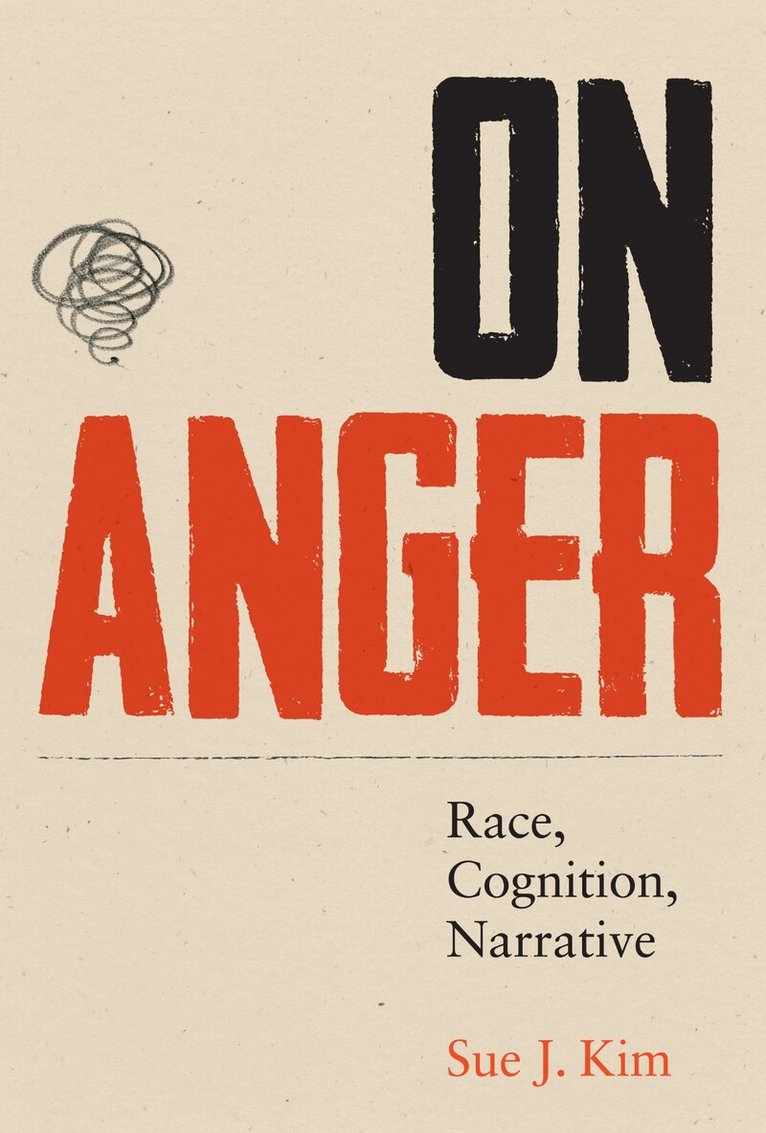
Anger is an emotion that affects everyone regardless of culture, class, race, or gender-but at the same time, being angry always results from the circumstances in which people find themselves. In On Anger, Sue J. Kim opens a stimulating dialogue between cognitive studies and cultural studies to argue that anger is always socially and historically constructed and complexly ideological, and that the predominant individualistic conceptions of anger are insufficient to explain its collective, structural, and historical nature.On Anger examines the dynamics of racial anger in global late capitalism, bringing into conversation work on political anger in ethnic, postcolonial, and cultural studies with recent studies on emotion in cognitive studies. Kim uses a variety of literary and media texts to show how narratives serve as a means of reflecting on experiences of anger and also how we think about anger-its triggers, its deeper causes, its wrongness or rightness. The narratives she studies include the film Crash, Maxine Hong Kingston’s The Woman Warrior, Tsitsi Dangarembga’s Nervous Conditions and The Book of Not, Ngugi wa Thiong’o’s Devil on the Cross and Wizard of the Crow, and the HBO series The Wire. Kim concludes by distinguishing frustration and outrage from anger through a consideration of StÉphane Hessel’s call to arms, Indignez-vous! One of the few works that focuses on both anger and race, On Anger demonstrates that race-including whiteness-is central to our conceptions and experiences of anger.
300 kr
Skickas inom 10-15 vardagar
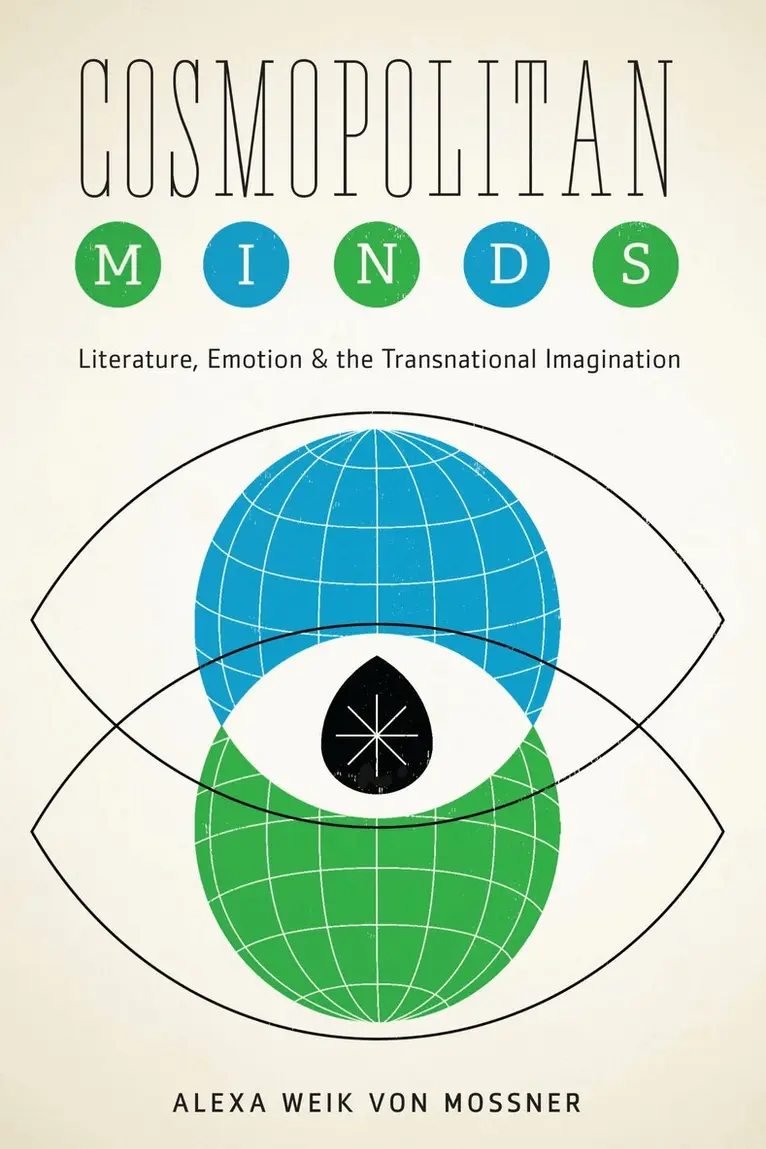
During World War II and the early Cold War period, factors such as race, gender, sexual orientation, or class made a number of American writers feel marginalized in U.S. society. Cosmopolitan Minds focuses on a core of transnational writers-Kay Boyle, Pearl S. Buck, William Gardner Smith, Richard Wright, and Paul Bowles-who found themselves prompted to seek experiences outside of their home country, experiences that profoundly changed their self-understanding and creative imagination as they encountered alternative points of views and cultural practices in Europe, Asia, and Africa.Alexa Weik von Mossner offers a new perspective on the affective underpinnings of critical and reflexive cosmopolitanism by drawing on theories of emotion and literary imagination from cognitive psychology, philosophy, and cognitive literary studies. She analyzes how physical dislocation, and the sometimes violent shifts in understanding that result from our affective encounters with others, led Boyle, Buck, Smith, Wright, and Bowles to develop new, cosmopolitan solidarities across national, ethnic, and religious boundaries. She also shows how, in their literary texts, these writers employed strategic empathy to provoke strong emotions such as love, sympathy, compassion, fear, anger, guilt, shame, and disgust in their readers in order to challenge their parochial worldviews and practices. Reading these texts as emotionally powerful indictments of institutionalized racism and national violence inside and outside of the United States, Weik von Mossner demonstrates that our emotional engagements with others-real and imagined-are crucially important for the development of transnational and cosmopolitan imaginations.
283 kr
Skickas inom 10-15 vardagar
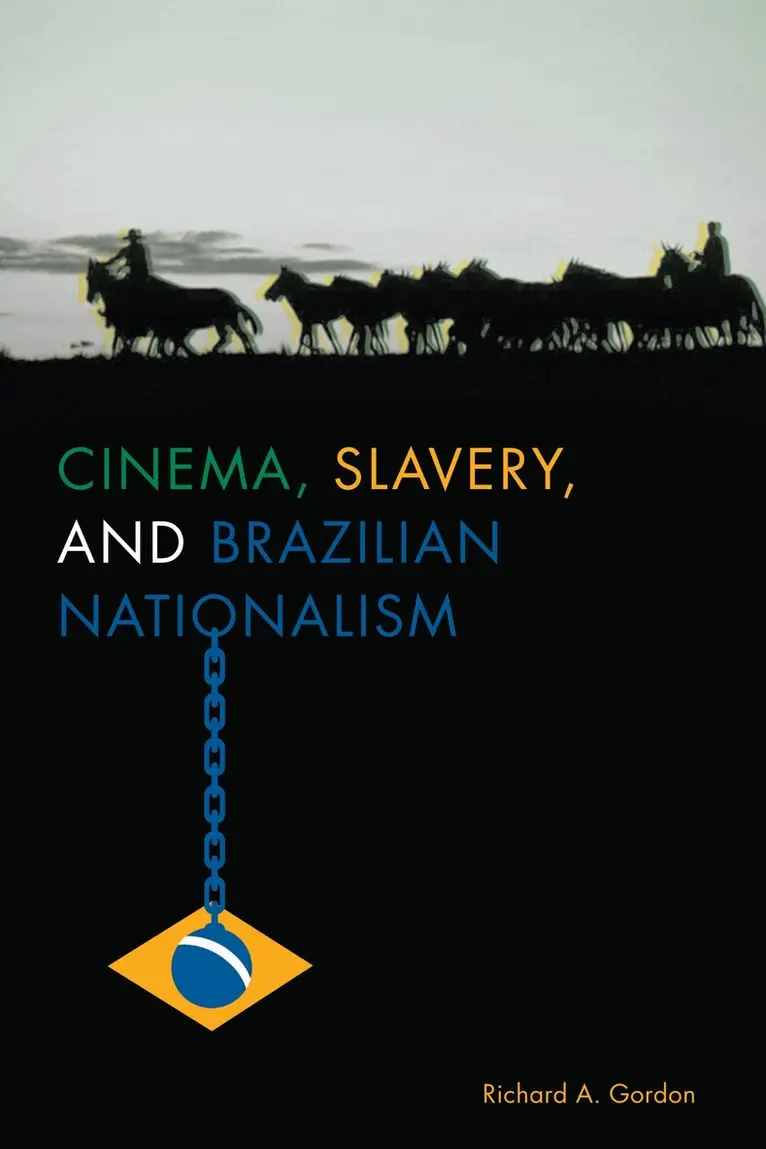
A unique contribution to film studies, Richard Gordon’s Cinema, Slavery, and Brazilian Nationalism is the first full-length book on Brazilian films about slavery. By studying Brazilian films released between 1976 and 2005, Gordon examines how the films both define the national community and influence viewer understandings of Brazilianness. Though the films he examines span decades, they all communicate their revised version of Brazilian national identity through a cinematic strategy with a dual aim: to upset ingrained ways of thinking about Brazil and to persuade those who watch the films to accept a new way of understanding their national community.By examining patterns in this heterogeneous group of films, Gordon proposes a new way of delineating how these films attempt to communicate with and change the minds of audience members. Gordon outlines five key aspects that each film incorporates, which describe their shared formula for and role in constructing social identity. These elements include the ways in which the films attempt to create links between the past and the viewers’ present and their methods of encouraging viewers to identify with their protagonists, who are often cast as a prototype for the nation. By aligning themselves with this figure, viewers arrive at a definition of their national identity that, while Afrocentric, also promotes racial and ethnic inclusiveness. Gordon’s innovative analysis transcends the context of his work, and his conclusions can be applied to questions of national identity and film across cultures.