Comprehensive History of the Holocaust - Böcker
Visar alla böcker i serien Comprehensive History of the Holocaust. Handla med fri frakt och snabb leverans.
5 produkter
5 produkter
558 kr
Skickas inom 10-15 vardagar
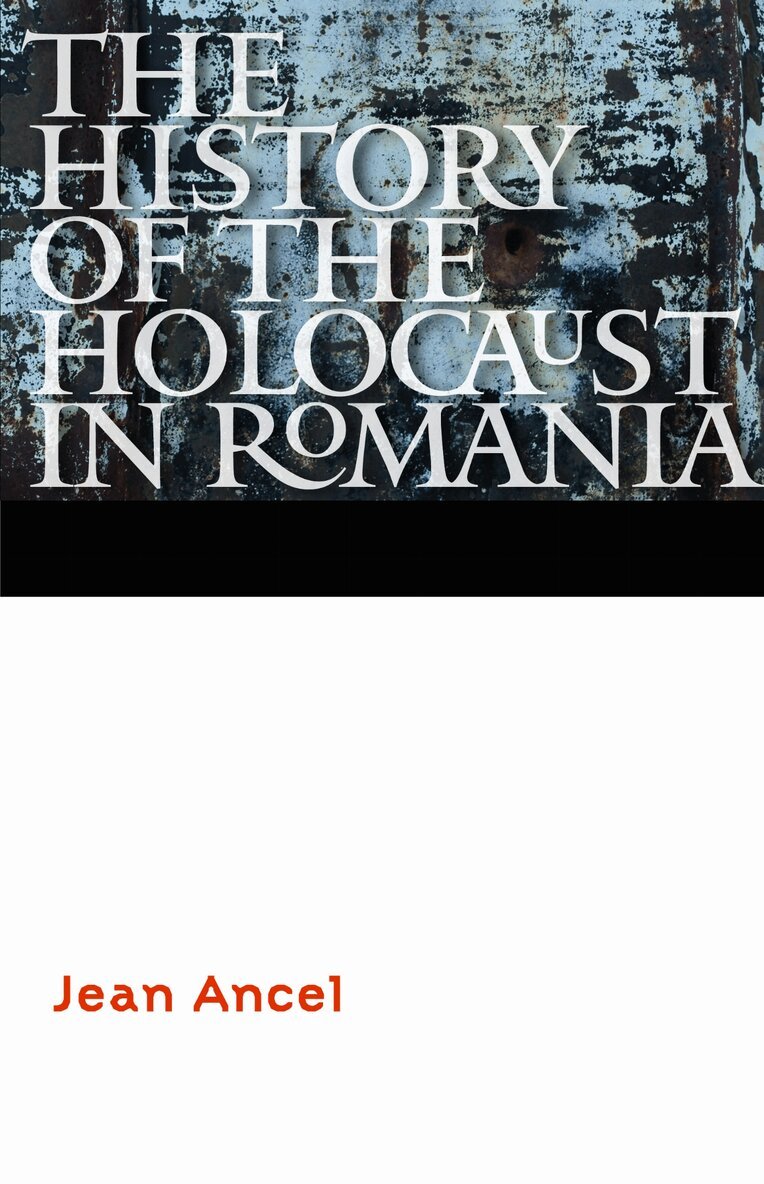
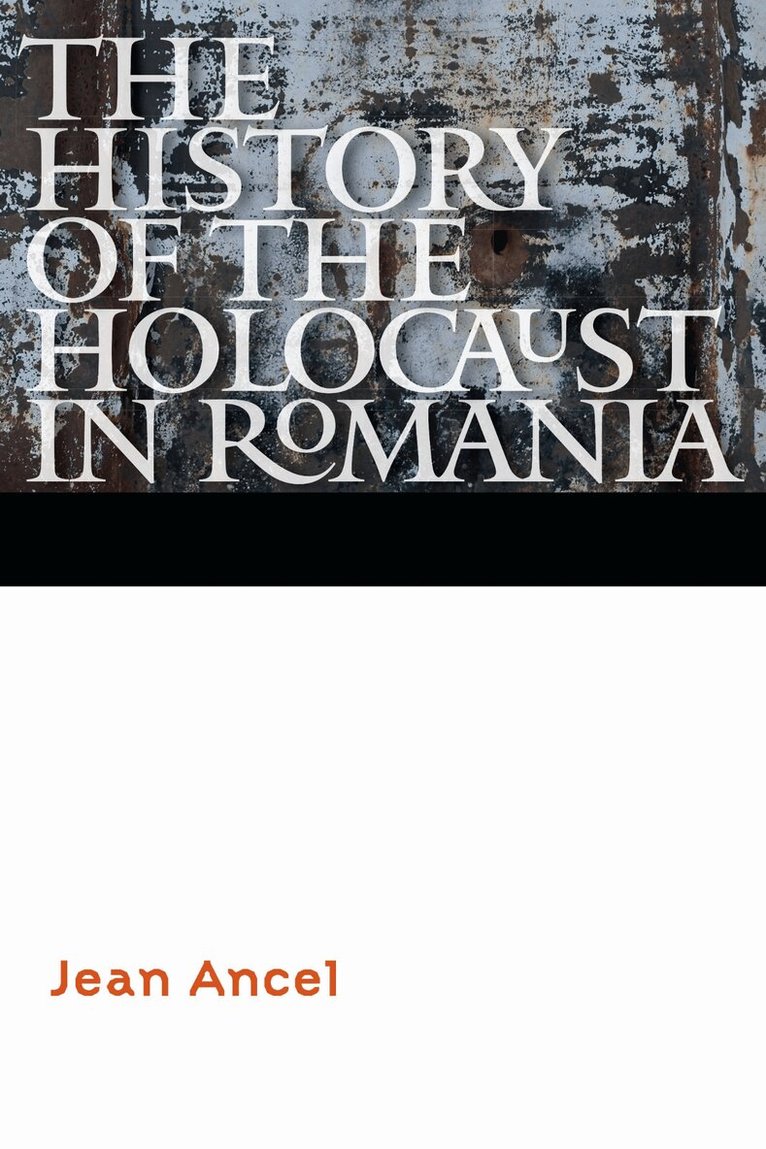
Drawing from an exhaustive collection of original Jewish accounts and sources not available until the fall of Nicolae Ceausescu in the late 1980s, Jean Ancel provides a detailed analysis of the path of antisemitism that led to the unspeakable horrors of the Holocaust in Romania. The Romanians and other nations inside and outside the Balkans related differently to “their Jews” and “other Jews,” that is, those living in districts annexed to Romania after the First World War and those in areas occupied and annexed to the Romanian military administration after the Soviet invasion in June 1941. The Jews of the Regat, the core Romanian principality, suffered pogroms, decrees, and degradation, but on the whole they survived the Holocaust. Although more Jews survived in Romania than in any other non-occupied country allied with Germany, contemporary Romanian sources show that the Antonescu regime and Romania itself killed at least 400,000 Jews, including 180,000 Ukranian Jews. Among Nazi Germany’s allies, Romania contributed most to the extermination of the Jewish people.
489 kr
Skickas inom 10-15 vardagar
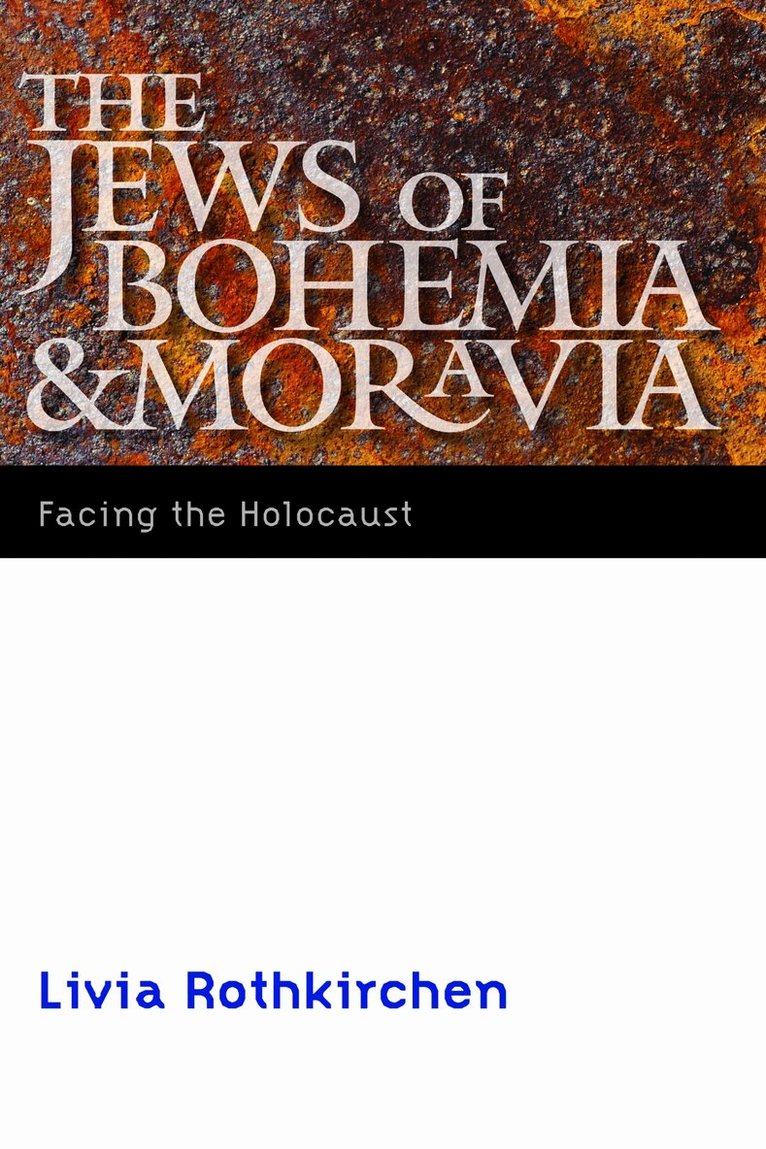
Published by the University of Nebraska Press, Lincoln, and Yad Vashem, Jerusalem "We were both small nations whose existence could never be taken for granted," Vaclav Havel said of the Czechs and the Jews of Israel in 1990, and indeed, the complex and intimate link between the fortunes of these two peoples is unique in European history. This book, by one of the world's leading authorities on the history of Czech and Slovak Jewry during the Nazi period, is the first to thoroughly document this singular relationship and to trace its impact, both practical and profound, on the fate of the Jews of Bohemia and Moravia during the Holocaust. Livia Rothkirchen provides a detailed and comprehensive history of how Nazi rule in the Czech lands was shaped as much by local culture and circumstances as by military policy. The extraordinary nature of the Czech Jews' experience emerges clearly in chapters on the role of the Jewish minority in Czech life; the crises of the Munich agreement and the German occupation, the reaction of the local population to the persecution of the Jews, the policies of the London-based government in exile, the question of Jewish resistance, and the special case of the Terezin (Theresienstadt) ghetto. The Jews of Bohemia and Moravia is based on a wealth of primary documents, many uncovered only after the 1989 November Revolution. With an epilogue on the post-1945 period, this richly woven historical narrative supplies information essential to an understanding of the history of the Jews in Europe.
434 kr
Skickas inom 10-15 vardagar
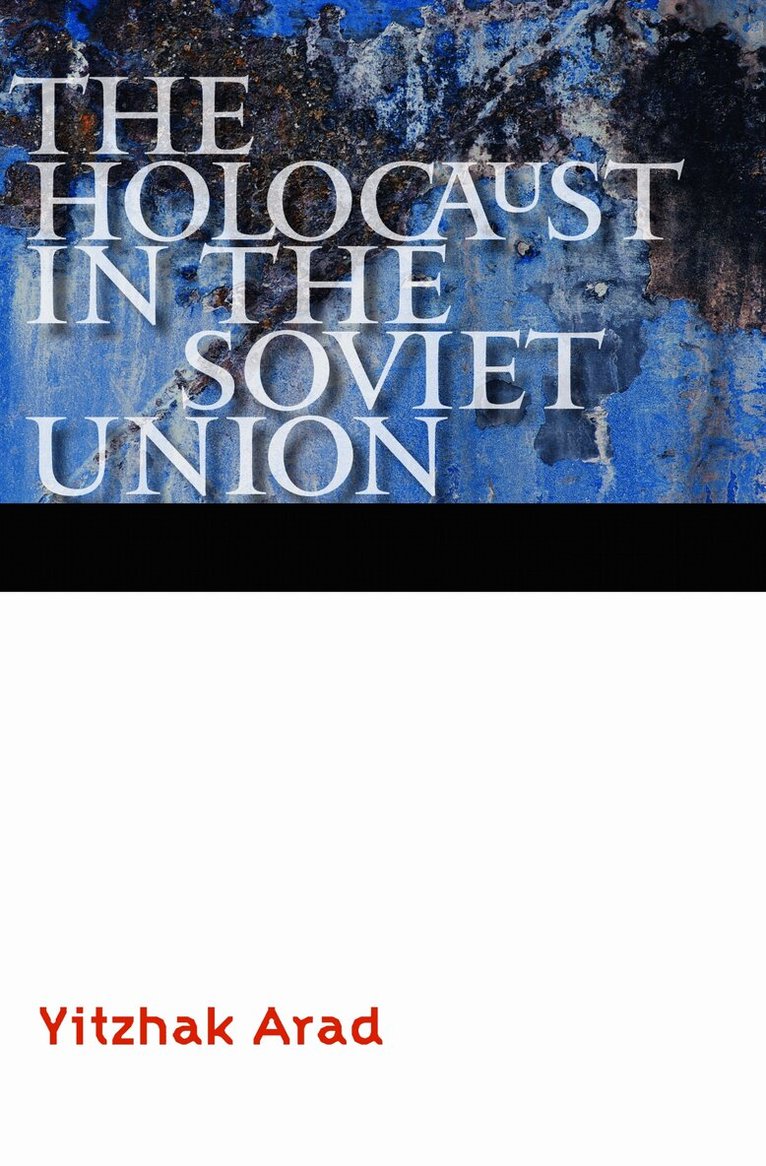
Published by the University of Nebraska Press, Lincoln, and Yad Vashem, Jerusalem The Holocaust in the Soviet Union is the most complete account to date of the Soviet Jews during the World War II and the Holocaust (1941–45). Reports, records, documents, and research previously unavailable in English enable Yitzhak Arad to trace the Holocaust in the German-occupied territories of the Soviet Union through three separate periods in which German political and military goals in the occupied territories dictated the treatment of the Jews. Arad's examination of the differences between the Holocaust in the Soviet Union compared to other European nations reveals how Nazi ideological attacks on the Soviet Union, which included war on "Judeo-Bolshevism," led to harsher treatment of Jews in the Soviet Union than in most other occupied territories. This historical narrative presents a wealth of information from German, Russian, and Jewish archival sources that will be invaluable to scholars, researchers, and the general public for years to come.
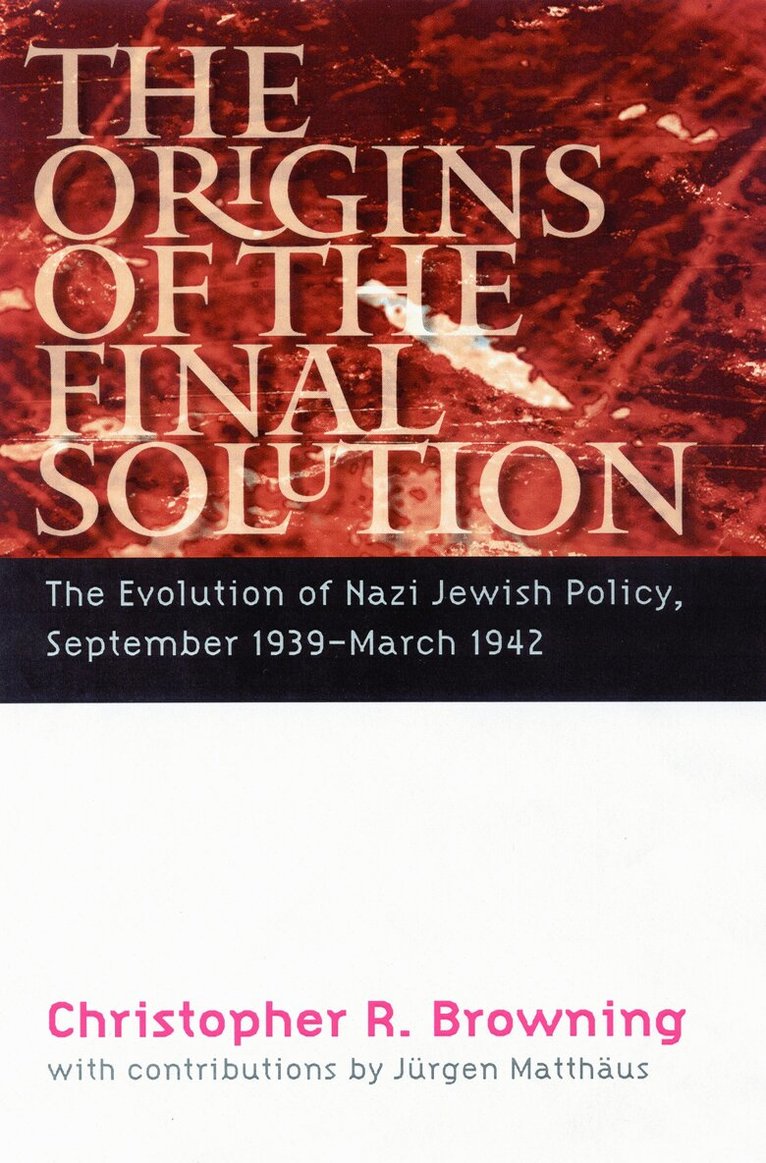
Origins of the Final Solution
The Evolution of Nazi Jewish Policy, September 1939-March 1942
Häftad, Engelska, 2007
434 kr
Skickas inom 10-15 vardagar
Published by the University of Nebraska Press, Lincoln, and Yad Vashem, Jerusalem In 1939, the Nazi regime's plans for redrawing the demographic map of Eastern Europe entailed the expulsion of millions of Jews. By the fall of 1941, these plans had shifted from expulsion to systematic and total mass murder of all Jews within the Nazi grasp. The Origins of the Final Solution is the most detailed and comprehensive analysis ever written of what took place during this crucial period—of how, precisely, the Nazis' racial policies evolved from persecution and "ethnic cleansing" to the Final Solution of the Holocaust. Focusing on the months between the German conquest of Poland in September 1939–which brought nearly two million additional Jews under Nazi control—and the beginning of the deportation of Jews to the death camps in the spring of 1942, Christopher R. Browning describes how Poland became a laboratory for experiments in racial policies, from expulsion and decimation to ghettoization and exploitation under local occupation authorities. He reveals how the subsequent attack on the Soviet Union opened the door for an immense radicalization of Nazi Jewish policy—and marked the beginning of the Final Solution. Meticulously documenting the process that led to this fatal development, Browning shows that Adolf Hitler was the key decision-maker throughout, approving major escalations in Nazi persecution of the Jews at victory-induced moments of euphoria. Thoroughly researched and lucidly written, this groundbreaking work provides an essential chapter in the history of the Holocaust.
434 kr
Skickas inom 10-15 vardagar
Drawing from an exhaustive collection of original Jewish accounts and sources not available until the fall of Nicolae Ceausescu in the late 1980s, Jean Ancel provides a detailed analysis of the path of antisemitism that led to the unspeakable horrors of the Holocaust in Romania. The Romanians and other nations inside and outside the Balkans related differently to “their Jews” and “other Jews,” that is, those living in districts annexed to Romania after the First World War and those in areas occupied and annexed to the Romanian military administration after the Soviet invasion in June 1941. The Jews of the Regat, the core Romanian principality, suffered pogroms, decrees, and degradation, but on the whole they survived the Holocaust. Although more Jews survived in Romania than in any other non-occupied country allied with Germany, contemporary Romanian sources show that the Antonescu regime and Romania itself killed at least 400,000 Jews, including 180,000 Ukranian Jews. Among Nazi Germany’s allies, Romania contributed most to the extermination of the Jewish people.