Confronting Atrocity: Human Rights and Restorative Justice Series – Serie
Visar alla böcker i serien Confronting Atrocity: Human Rights and Restorative Justice Series. Handla med fri frakt och snabb leverans.
2 produkter
2 produkter
422 kr
Kommande
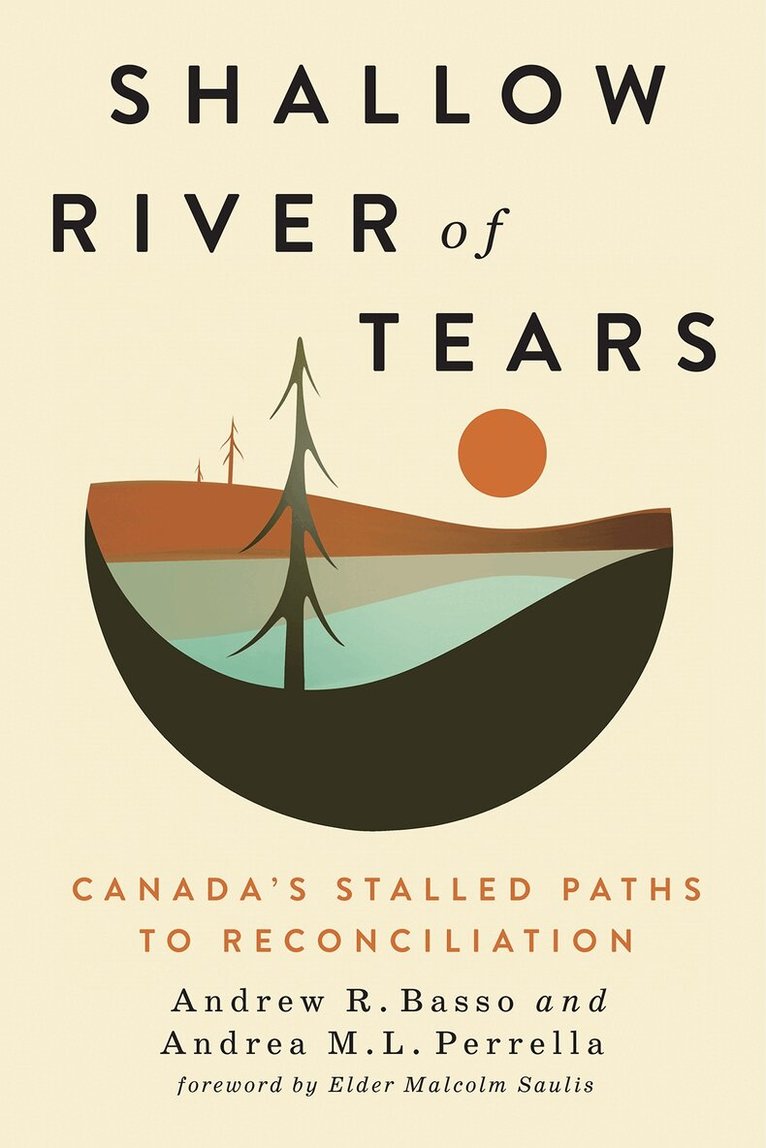
The Truth and Reconciliation Commission of Canada’s final report marked a new moment in national consciousness: a recognition of Indigenous histories, an awareness of the injustices committed by Settlers and their governments, and an understanding of the need for redress and the restoration of rights. At the time, Settler populations largely voiced support for these recommendations and committed to a more just future; in the years since, words have eclipsed actions.In Shallow River of Tears Andrew Basso and Andrea Perrella mobilize four years of survey research to understand why Reconciliation has stalled. They draw from one of the largest databases of Settler attitudes to explain support for – and resistance to – what they term “Reconciliaction”: real change that fosters individual and community success while remedying past and ongoing harms. The authors identify and analyze key stages preceding action on the part of Settlers: denial, recognition, sympathy, and empathy. These variables are measured against public opinion to offer a solid empirical foundation for effecting sociopolitical change and moving Reconciliation forward.Thoughtful and provocative, this book provides guidance for students, scholars, practitioners – indeed, all systemically empowered Settlers – so they may choose to act in support of Reconciliation and the second chance it provides.
357 kr
Kommande
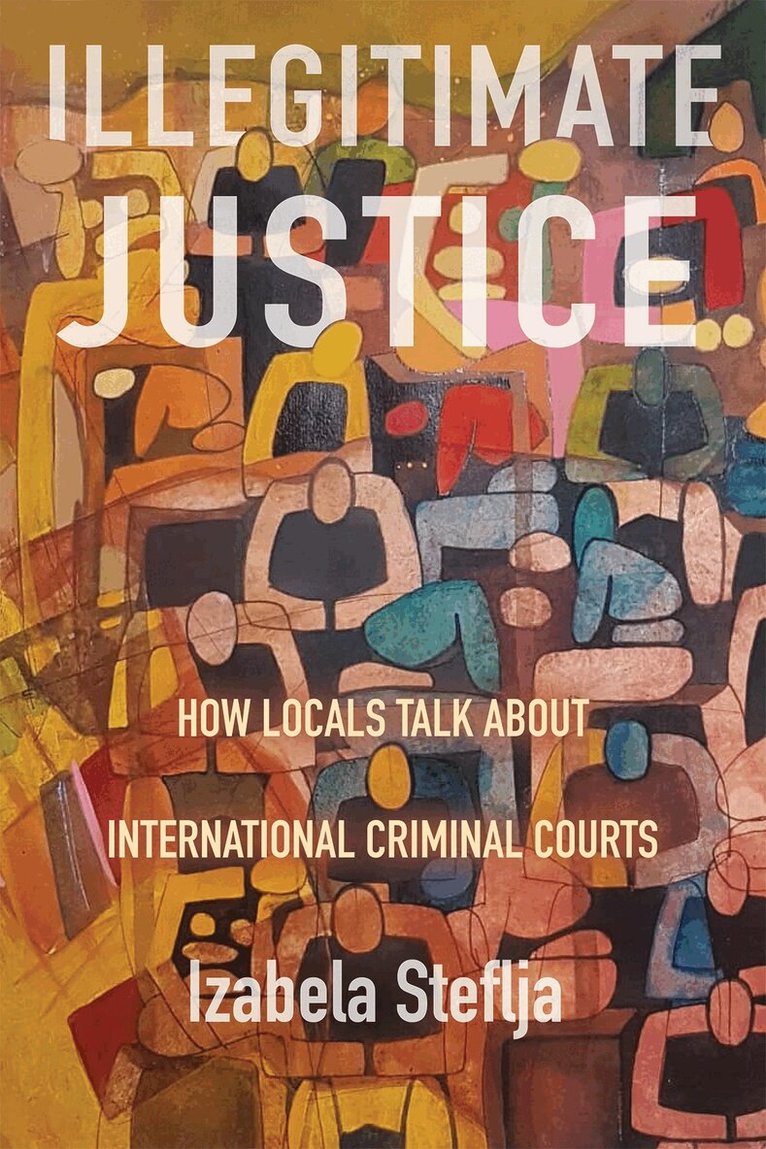
International criminal courts exist to help countries and communities move forward after atrocities and to bring those accused of war crimes to justice. Yet local residents and witnesses often perceive them to lack political legitimacy.Drawn from extensive primary research in Rwanda, Bosnia-Herzegovina, Serbia, and Kenya, Illegitimate Justice challenges the view that as long as international courts are striving for the concept of justice, establishing legal precedents, and prosecuting war criminals, they are fulfilling their purpose. Through interviews with individuals in the fields of education, law, religion, politics, the media, and civil society, Izabela Steflja listens to the people affected by conflict and by the justice processes meant to repair harm. She reveals how international courts have failed local communities through lack of accountability – even, at times, active disregard. The stories local people tell about international courts differ radically from those the international community tells itself about justice and reconciliation.Combining field research with an original comparative narrative model, Illegitimate Justice will be invaluable reading for people active in post-conflict communities and work, as well as for legal, political, and human rights students and scholars.