Contemporary Approaches to Film and Media Studies - Böcker
Visar alla böcker i serien Contemporary Approaches to Film and Media Studies. Handla med fri frakt och snabb leverans.
14 produkter
14 produkter
423 kr
Skickas inom 10-15 vardagar
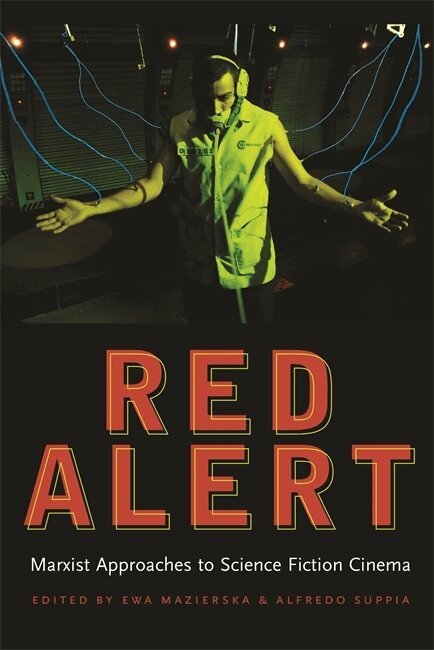
In Red Alert: Marxist Approaches to Science Fiction Cinema, editors Ewa Mazierska and Alfredo Suppia argue that Marxist philosophy, science fiction, and filmshare important connections concerning imaginings of the future. Contributors look at themes across a wide variety of films, including many international co-productions to explore individualism versus collectivism, technological obstacles to travel through time and space, the accumulation of capital and colonization, struggles of oppressed groups, the dangers of false ideologies, and the extension of the concept of labor due to technological advances.Red Alert considers a wide swath of contemporary international films, from the rarely studied to mainstream science fiction blockbusters like The Matrix. Contributors explore early Czechoslovak science fiction, the Polish-Estonian co-productions of director Marek Piestrak, and science fiction elements in 1970s American blaxploitation films. The collection includes analyses of recent films like Transfer (Damir Lukacevic), Avalon (Mamoru Oshii), Gamer (Mark Neveldine and Brian Taylor), and District 9 and Elysium (Neill Blomkamp), along with more obscure films like Alex Rivera’s materialist science fiction works and the Latin American zombie films of Pablo Parés, Hernán Sáez, and Alejandro Brugués. Contributors show that the ambivalence and inner contradictions highlighted by the films illustrate both the richness of Marx’s legacy and the heterogeneity and complexity of the science fiction genre.This collection challenges the perception that science fiction cinema is a Western or specifically American genre, showing that a broader, transnational approach is necessary to fully understand its scope. Scholars and students of film, sciencefiction, and Marxist culture will enjoy Red Alert.
368 kr
Skickas inom 10-15 vardagar
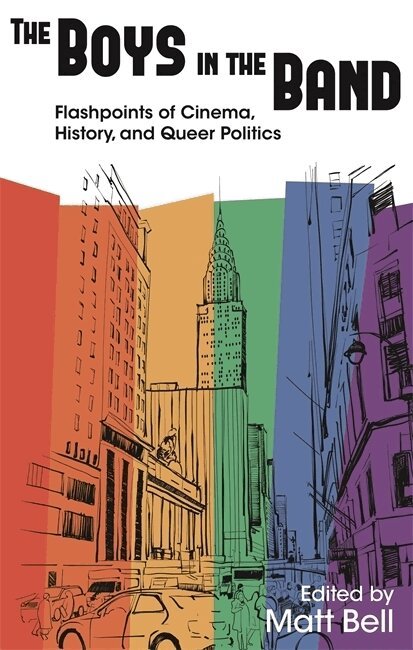
The Boys in the Band’s debut was revolutionary for its fictional but frank presentation of a male homosexual subculture in Manhattan. Based on Mart Crowley’s hit Off-Broadway play from 1968, the film’s two-hour running time approximates real time, unfolding at a birthday party attended by nine men whose language, clothing, and behavior evoke a range of urban gay ""types."" Although various popular critics, historians, and film scholars over the years have offered cursory acknowledgment of the film’s importance, more substantive research and analysis have been woefully lacking. The film’s neglect among academics belies a rich and rewarding object of study. The Boys in the Band merits not only the close reading that should accompany such a well-made text but also recognition as a landmark almost ideally situated to orient us amid the highly complex, shifting cultural terrain it occupied upon its release—and has occupied since.The scholars assembled here bring an invigorating variety of methods to their considerations of this singular film. Coming from a wide range of academic disciplines, they pose and answer questions about the film in remarkably different ways. Cultural analysis, archival research, interviews, study of film traditions, and theoretical framing intensify their revelatory readings of the film. Many of the essays take inventive approaches to longstanding debates about identity politics, and together they engage with current academic work across a variety of fields that include queer theory, film theory, gender studies, race and ethnic studies, and Marxist theory. Addressing The Boys in the Band from multiple perspectives, these essays identify and draw out the film’s latent flashpoints—aspects of the film that express the historical, cinematic, and queer-political crises not only of its own time, but also of today.The Boys in the Band is an accessible touchstone text in both queer studies and film studies. Scholars and students working in the disciplines of film studies, queer studies, history, theater, and sociology will surely find the book invaluable and a shaping influence on these fields in the coming years.
376 kr
Skickas inom 7-10 vardagar
348 kr
Skickas inom 10-15 vardagar
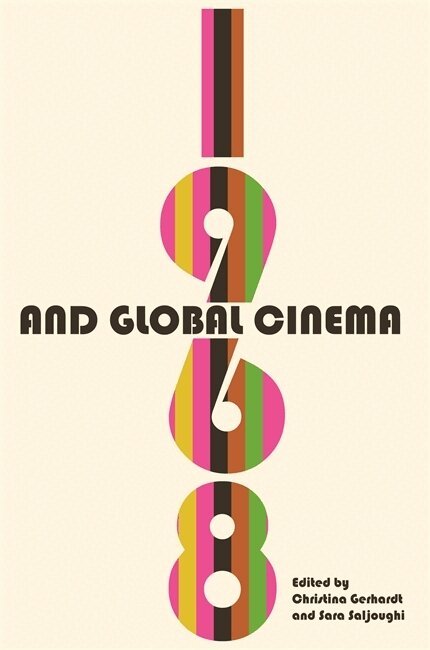
Examines the political cinema of 1968 in relation to global events.1968 and Global Cinema addresses a notable gap in film studies. Although scholarship exists on the late 1950s and 1960s New Wave films research that puts cinemas on 1968 into dialogue with one another across national boundaries is surprisingly lacking. Only in recent years have histories of 1968 begun to consider the interplay among social movements globally. The essays in this volume, edited by Christina Gerhardt and Sara Saljoughi, cover a breadth of cinematic movements that were part of the era’s radical politics and independence movements. Focusing on history, aesthetics, and politics, each contribution illuminates conventional understandings of the relationship of cinema to the events of 1968, or ""the long Sixties.""The volume is organized chronologically, highlighting the shifts and developments in ideology in different geographic contexts. The first section examines both the visuals of new cinemas as wellas new readings of the period’s politics in various geopolitical iterations. This half of the book begins with an argument that while the impact of Italian Neorealism and the French New Wave on subsequent global new waves is undeniable, the influence of cinemas of the so-called Global South is pivotal for the eras cinema as well. The second section considers the lasting impact of 1968 and related cinematic new waves into the 1970s. The essays in this section range from China's Cultural Revolution in cinema to militancy and industrial struggle in 1070s worker's films in Spain. In these ways, the volume provides fresh takes and allows for new discoveries of the cinemas of the long 1968.1968 and Global Cinema aims to achieve balance between new readings of well-known films filmmakers and movements as well as new research that engages lesser-known bodies of films and film tests. The volume is ideal for graduate and undergraduate courses on the long sixties, political cinema, 1968, and new waves in art history, cultural studies and film and media studies.Contributors: Robert Stam, Lily Saint, Rocco Giansante, Peter Hames, Rita de Grandis, Morgan Adamson, David Desser, Graeme Stout, Mauro Resmini, Man-tat Terence Leung, Allyson Nadia Field, Sarah Hamblin, J. M. Tyree, Victor Fan, Laurence Coderre, Pablo La Parra-Perez, Paula Rabinowitz, Sara Saljoughi, Christina Gerhardt.
399 kr
Skickas inom 7-10 vardagar
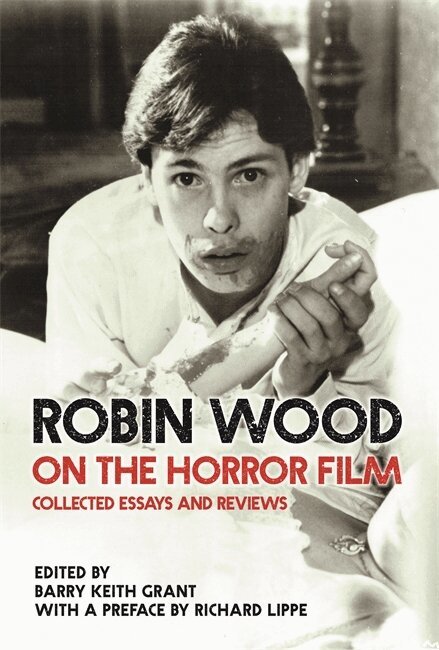
Robin Wood’s writing on the horror film, published over five decades, collected in one volume.Robin Wood—one of the foremost critics of cinema—has laid the groundwork for anyone writing about the horror film in the last half-century. Wood’s interest in horror spanned his entire career and was a form of popular cinema to which he devoted unwavering attention. Robin Wood on the Horror Film: Collected Essays and Reviews compiles over fifty years of his groundbreaking critiques.In September 1979, Wood and Richard Lippe programmed an extensive series of horror films for the Toronto International Film Festival and edited a companion piece: The American Nightmare: Essays on the Horror Film - the first serious collection of critical writing on the horror genre. Robin Wood onthe Horror Film now contains all of Wood’s writings from The American Nightmare and nearly everything else he wrote over the years on horror—published in a range of journals and magazines—gathered together for the first time. It begins with the first essay Wood ever published, ""Psychoanalysis of Psycho,"" which appeared in1960 and already anticipated many of the ideas explored later in his touchstone book, Hitchcock’s Films. The volume ends, fittingly, with, ""What Lies Beneath?"", written almost five decades later, an essay in which Wood reflects on the state of the horror film and criticism since the genre's renaissance in the 1970s. Wood's prose iseloquent, lucid, and convincing as he brings together his parallel interests in genre, authorship, and ideology.Deftly combining Marxist, Freudian, and feminist theory, Wood’s prolonged attention to classic and contemporary horror films explains much about the genre's meanings and cultural functions. Robin Wood on the Horror Film will be an essential addition to the library of anyone interested in horror, science fiction, and film genre.
958 kr
Skickas inom 10-15 vardagar
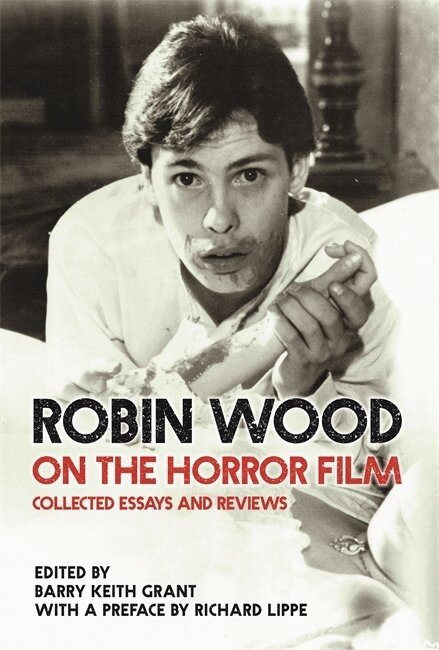
Robin Wood’s writing on the horror film, published over five decades, collected in one volume.Robin Wood—one of the foremost critics of cinema—has laid the groundwork for anyone writing about the horror film in the last half-century. Wood’s interest in horror spanned his entire career and was a form of popular cinema to which he devoted unwavering attention. Robin Wood on the Horror Film: Collected Essays and Reviews compiles over fifty years of his groundbreaking critiques.In September 1979, Wood and Richard Lippe programmed an extensive series of horror films for the Toronto International Film Festival and edited a companion piece: The American Nightmare: Essays on the Horror Film - the first serious collection of critical writing on the horror genre. Robin Wood onthe Horror Film now contains all of Wood’s writings from The American Nightmare and nearly everything else he wrote over the years on horror—published in a range of journals and magazines—gathered together for the first time. It begins with the first essay Wood ever published, ""Psychoanalysis of Psycho,"" which appeared in1960 and already anticipated many of the ideas explored later in his touchstone book, Hitchcock’s Films. The volume ends, fittingly, with, ""What Lies Beneath?"", written almost five decades later, an essay in which Wood reflects on the state of the horror film and criticism since the genre's renaissance in the 1970s. Wood's prose iseloquent, lucid, and convincing as he brings together his parallel interests in genre, authorship, and ideology.Deftly combining Marxist, Freudian, and feminist theory, Wood’s prolonged attention to classic and contemporary horror films explains much about the genre's meanings and cultural functions. Robin Wood on the Horror Film will be an essential addition to the library of anyone interested in horror, science fiction, and film genre.
986 kr
Skickas inom 10-15 vardagar
Examines the political cinema of 1968 in relation to global events.1968 and Global Cinema addresses a notable gap in film studies. Although scholarship exists on the late 1950s and 1960s New Wave films research that puts cinemas on 1968 into dialogue with one another across national boundaries is surprisingly lacking. Only in recent years have histories of 1968 begun to consider the interplay among social movements globally. The essays in this volume, edited by Christina Gerhardt and Sara Saljoughi, cover a breadth of cinematic movements that were part of the era’s radical politics and independence movements. Focusing on history, aesthetics, and politics, each contribution illuminates conventional understandings of the relationship of cinema to the events of 1968, or ""the long Sixties.""The volume is organized chronologically, highlighting the shifts and developments in ideology in different geographic contexts. The first section examines both the visuals of new cinemas as wellas new readings of the period’s politics in various geopolitical iterations. This half of the book begins with an argument that while the impact of Italian Neorealism and the French New Wave on subsequent global new waves is undeniable, the influence of cinemas of the so-called Global South is pivotal for the eras cinema as well. The second section considers the lasting impact of 1968 and related cinematic new waves into the 1970s. The essays in this section range from China's Cultural Revolution in cinema to militancy and industrial struggle in 1070s worker's films in Spain. In these ways, the volume provides fresh takes and allows for new discoveries of the cinemas of the long 1968.1968 and Global Cinema aims to achieve balance between new readings of well-known films filmmakers and movements as well as new research that engages lesser-known bodies of films and film tests. The volume is ideal for graduate and undergraduate courses on the long sixties, political cinema, 1968, and new waves in art history, cultural studies and film and media studies.Contributors: Robert Stam, Lily Saint, Rocco Giansante, Peter Hames, Rita de Grandis, Morgan Adamson, David Desser, Graeme Stout, Mauro Resmini, Man-tat Terence Leung, Allyson Nadia Field, Sarah Hamblin, J. M. Tyree, Victor Fan, Laurence Coderre, Pablo La Parra-Perez, Paula Rabinowitz, Sara Saljoughi, Christina Gerhardt.
903 kr
Skickas inom 10-15 vardagar
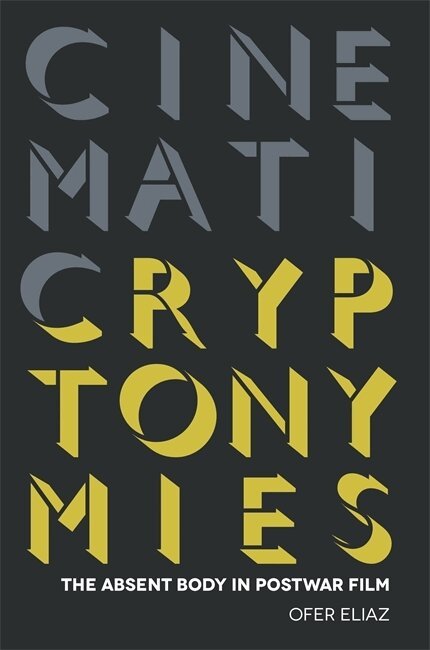
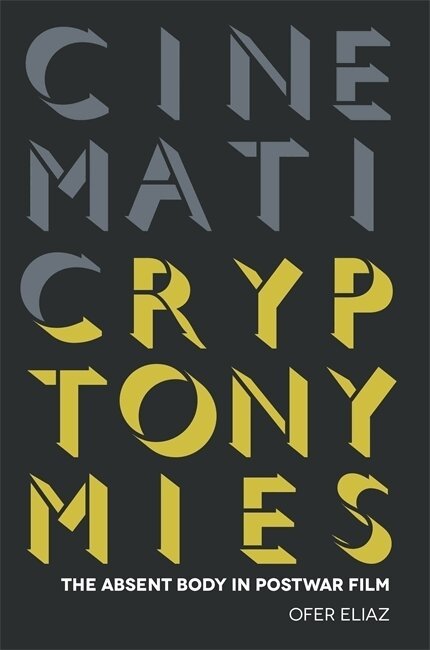
How postwar film represents absent bodies via the cinematic practices of audiovisual erasure by key filmmakers.Following World War II, the world had to confront the unmournable specters of those who had been erased socially and historically. Cinematic Cryptonymies: The Absent Body in Postwar Film explores how cinema addressed these missing bodies through an in-depth analysis of key filmmakers from the immediate postwar moment through the present. Ofer Eliaz provides a cinematic history as well as a theoretical framework rooted in psychoanalysis that allows the reader to see and understand the absence and erasure of bodies in film as a response to historical trauma.Drawing on a psychoanalytic technique focused on what one leaves unspoken, Cinematic Cryptonymies investigates a diverse range of postwar film. The first chapter examines how Georges Franju deployed Paris as a city that hides the horrors of its past—here the vanished bodies of the victims of the Holocaust—behind its facade. Eliaz then looks at intergenerational haunting in the early horror films of Mario Bava, in which unacknowledged violence and loss is passed down across generations during the time of Italy’s economic miracle. The unique use of montage in the late films of Jean-Luc Godard is the focus of the third chapter through which the viewer only receives a fragmented and partial image of struggle—an attempt to address the failure of cinema to bear witness to the horrors of the wars and mass killings of the 1990s. Eliaz ends in the 2000s by examining the transnational films of Naomi Uman, whose experimental films engage the violence and loss experienced in different forms of border crossings, including national and social borders.Centered on the question of how one can mourn losses that are so traumatic they become unspeakable, Cinematic Cryptonymies is an important contribution to conversations on postwar film, trauma and the intersection of psychoanalysis and the humanities. Scholars interested in postwar film and history, trauma and war or psychoanalytic theory will all find this volume of interest.
314 kr
Skickas inom 7-10 vardagar
How postwar film represents absent bodies via the cinematic practices of audiovisual erasure by key filmmakers.Following World War II, the world had to confront the unmournable specters of those who had been erased socially and historically. Cinematic Cryptonymies: The Absent Body in Postwar Film explores how cinema addressed these missing bodies through an in-depth analysis of key filmmakers from the immediate postwar moment through the present. Ofer Eliaz provides a cinematic history as well as a theoretical framework rooted in psychoanalysis that allows the reader to see and understand the absence and erasure of bodies in film as a response to historical trauma.Drawing on a psychoanalytic technique focused on what one leaves unspoken, Cinematic Cryptonymies investigates a diverse range of postwar film. The first chapter examines how Georges Franju deployed Paris as a city that hides the horrors of its past—here the vanished bodies of the victims of the Holocaust—behind its facade. Eliaz then looks at intergenerational haunting in the early horror films of Mario Bava, in which unacknowledged violence and loss is passed down across generations during the time of Italy’s economic miracle. The unique use of montage in the late films of Jean-Luc Godard is the focus of the third chapter through which the viewer only receives a fragmented and partial image of struggle—an attempt to address the failure of cinema to bear witness to the horrors of the wars and mass killings of the 1990s. Eliaz ends in the 2000s by examining the transnational films of Naomi Uman, whose experimental films engage the violence and loss experienced in different forms of border crossings, including national and social borders.Centered on the question of how one can mourn losses that are so traumatic they become unspeakable, Cinematic Cryptonymies is an important contribution to conversations on postwar film, trauma and the intersection of psychoanalysis and the humanities. Scholars interested in postwar film and history, trauma and war or psychoanalytic theory will all find this volume of interest.
373 kr
Skickas inom 7-10 vardagar
1 038 kr
Skickas inom 7-10 vardagar
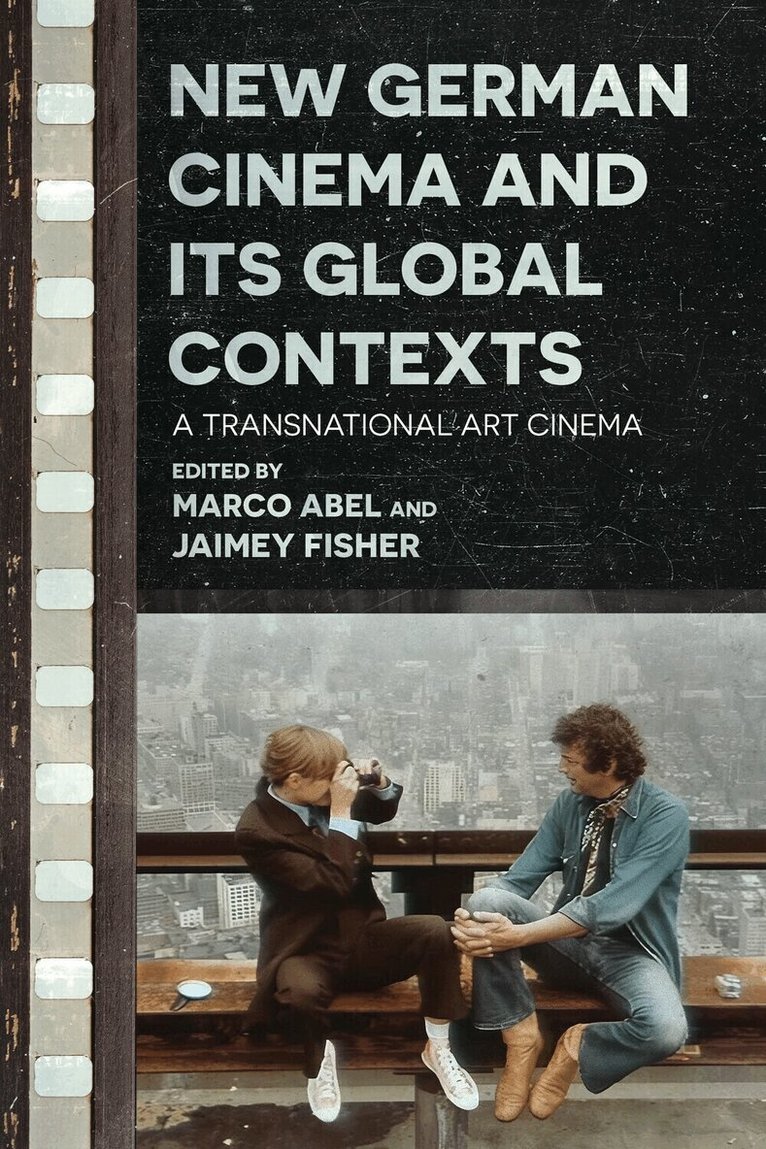
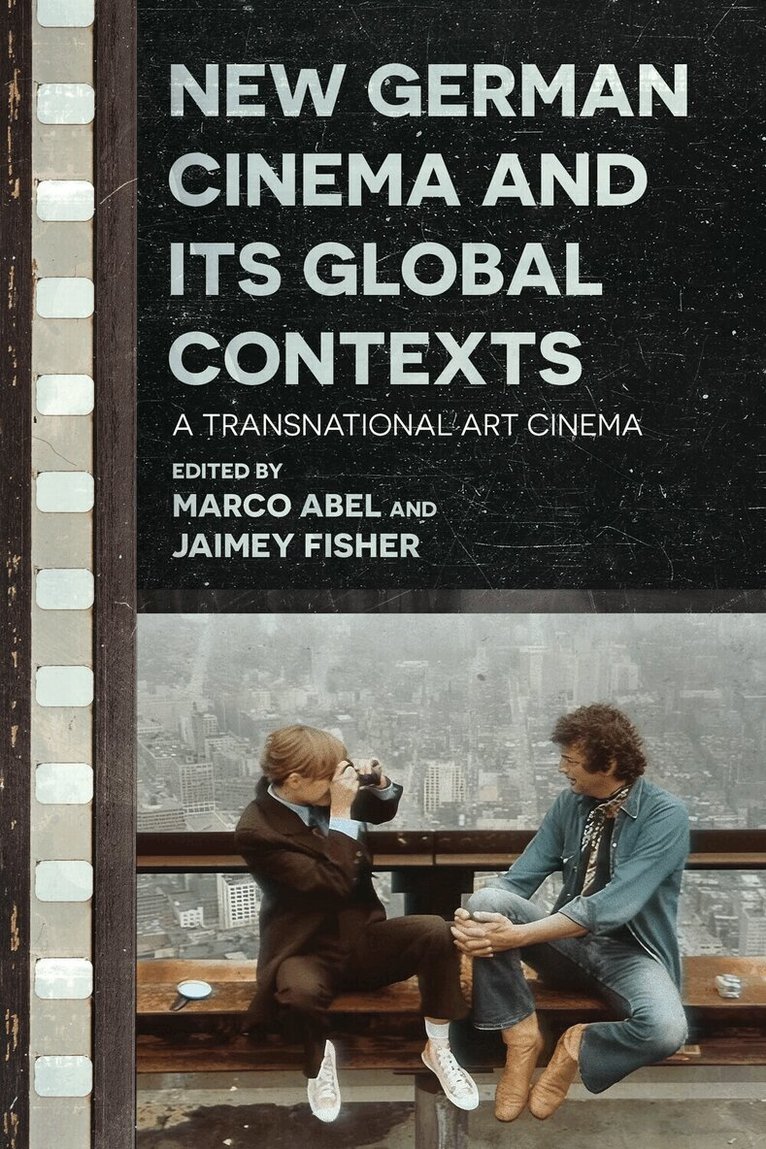
The last of the so-called new waves in film, New German Cinema of the 1970s and early 1980s represents much more than a national phenomenon; it impacted and was influenced by films from around the world. Filmmakers such as the famous troika of Rainer Werner Fassbinder, Werner Herzog, and Wim Wenders, as well as directors, such as Margarethe von Trotta, Helma Sanders-Brahms, and Helke Sander, and Volker Schlöndorff received much critical acclaim both in Germany and abroad. These directors, their films, and their often-infamous reputations constitute one of the most intriguing and consequential legacies of European cinema and world culture. In this groundbreaking view of New German Cinema through a global lens, editors Marco Abel and Jaimey Fisher approach these celebrated years of German art film from diverse and innovative perspectives. Contributors explore these films' transnational circuits of production, distribution, and exhibition, as well as how the films were made and received, thereby inviting us to reexamine the roots of what New German Cinema was and imagine what it might yet become.
363 kr
Skickas inom 7-10 vardagar
955 kr
Skickas inom 7-10 vardagar
1 034 kr
Skickas inom 7-10 vardagar