Contemporary Perspectives on LGBTQ Advocacy in Societies – serie
Visar alla böcker i serien Contemporary Perspectives on LGBTQ Advocacy in Societies. Handla med fri frakt och snabb leverans.
8 produkter
8 produkter
519 kr
Skickas inom 7-10 vardagar
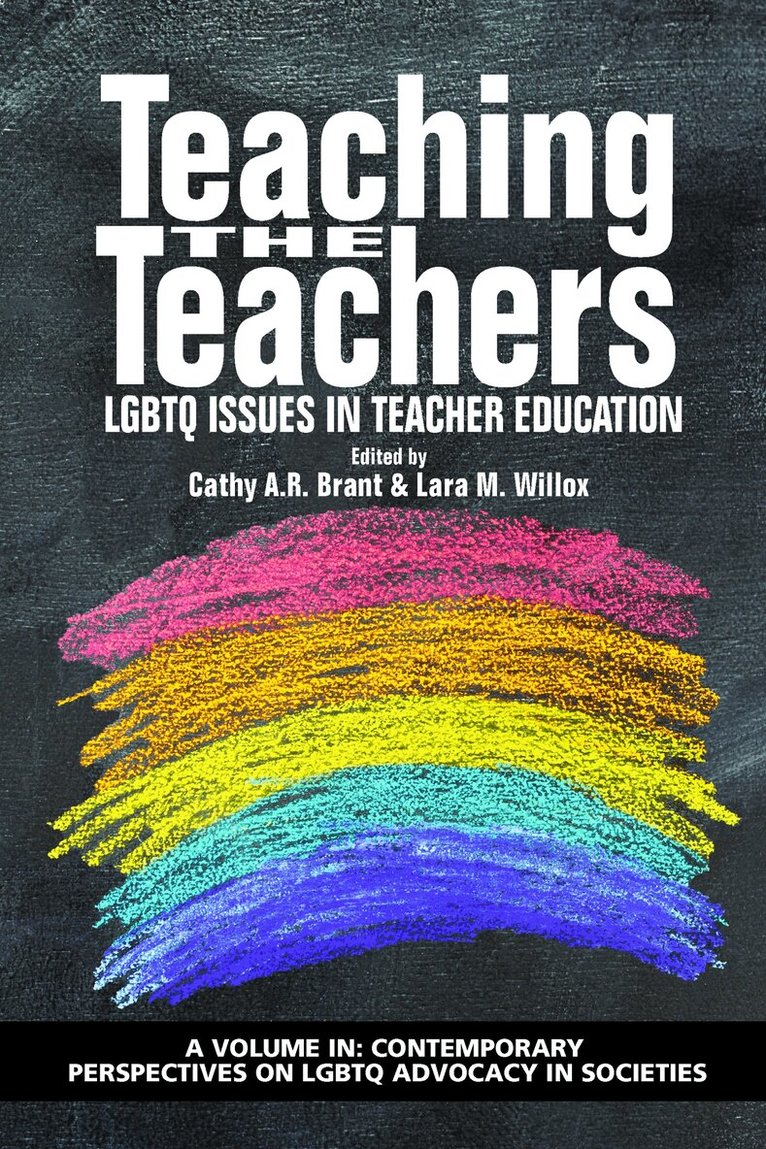
Teacher educators have opportunities to include issues of multicultural education, equity, and social justice in the work done with preservice teachers. Including the educational and societal experiences of historically marginalized populations in curriculum creates spaces for teacher educators to model multicultural and social justice based pedagogies, while preparing teachers to work with and work for these students.The most effective way for teacher educators to address the unique perspectives of historically and currently marginalized populations is to integrate various perspectives throughout the curriculum (Grant & Zwier, 2012). Most teacher education programs address diverse populations via an integrated approach. In fact, Sherwin and Jennings (2006) found that potential student experiences regarding social class, race, and special needs populations were typically integrated into the curriculum, however, lesbian, gay bisexual, and transgender (LGBT) issues were not. There is research that demonstrates how carefully planned and implemented educational interventions can have a positive effect on preservice teachers’ knowledge of and attitudes toward gays and lesbians (Butler, 1999).Despite the positive impact of addressing LGBTQ issues as a part of the teacher preparation program, Gorski et al. (2013) found that LGBTQ issues receive significantly less class time than other issues, especially race, and are, in fact, eight times more likely to actually be omitted from multicultural teacher educator courses. The inclusion of LGBT topics is important for a myriad of reasons. Most importantly, studies (GLSEN & Harris Interactive, 2012; Kosciw, Greytak, Diaz, Bartkiewicz, 2010, 2012; Kosciw, Greytak, Palmer, Boesen, 2014; Kosciw, Greytak, Giga, & Danischewski, 2016) have revealed a negative school climate for students who identify as gay, lesbian, bisexual, or transgender; this hostile environment can have dire consequences for these students. The impact of bullying and harassment due to LGBTQ students’ gender and/or sexual identities can produce a number of negative effects, including isolation from friends and family, depression, drug and/or alcohol use and addiction, low selfesteem, lack of engagement in school, academic failure, and fighting (Beam, 2007; Holmes & Cahill, 2004; Kosciw et al., 2010, 2012; Kosciw et al, 2014; Kosciw et al, 2016, Meyer, 2010; Wilkinson & Pearson, 2009).The negative climate does not just come from peer-to-peer negative interactions. In the most recent GLSEN study (Kosciw et al, 2016) it was found that• 57.6% of LGBTQ students who were harassed or assaulted in school did not report the incident to school staff, most commonly because they doubted that effective intervention would occur or the situation could become worse if reported.• 63.5% of the students who did report an incident said that school staff did nothing in response or told the student to ignore it.• 56.2% of students reported hearing homophobic remarks from their teachers or other school staff, and 63.5% of students reported hearing negative remarks about gender expression from teachers or other school staffThe aim of this book is to support teacher educators as they engage in the work of preparing pre-service teacher to work with and work for LGBTQ youth through explicit discussions of gender and sexuality. Chapters for this book include personal anecdotes regarding shifts in author’s thinking about including LGBTQ as a part of teacher preparation; specific pedagogical practices employed by authors to present LGBTQ focused material as a part of their coursework; the resistance authors have faced from students, parents and administration and their responses.
958 kr
Skickas inom 7-10 vardagar
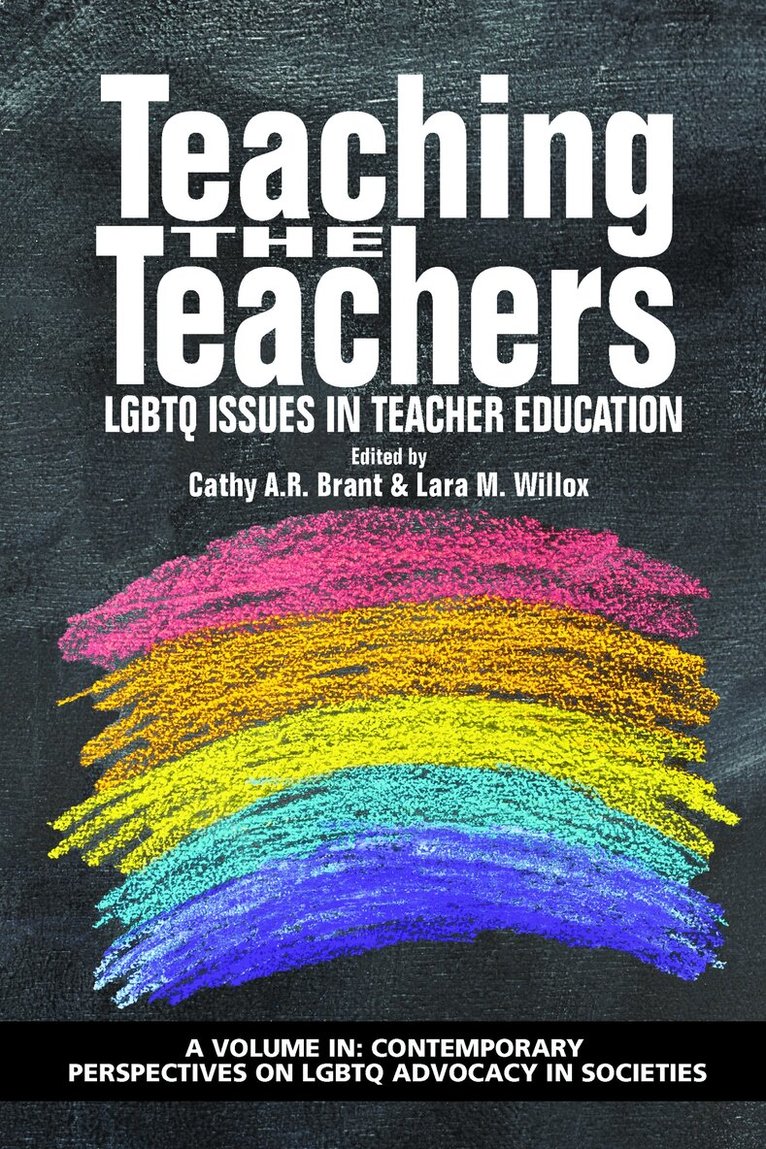
Teacher educators have opportunities to include issues of multicultural education, equity, and social justice in the work done with preservice teachers. Including the educational and societal experiences of historically marginalized populations in curriculum creates spaces for teacher educators to model multicultural and social justice based pedagogies, while preparing teachers to work with and work for these students.The most effective way for teacher educators to address the unique perspectives of historically and currently marginalized populations is to integrate various perspectives throughout the curriculum (Grant & Zwier, 2012). Most teacher education programs address diverse populations via an integrated approach. In fact, Sherwin and Jennings (2006) found that potential student experiences regarding social class, race, and special needs populations were typically integrated into the curriculum, however, lesbian, gay bisexual, and transgender (LGBT) issues were not. There is research that demonstrates how carefully planned and implemented educational interventions can have a positive effect on preservice teachers’ knowledge of and attitudes toward gays and lesbians (Butler, 1999).Despite the positive impact of addressing LGBTQ issues as a part of the teacher preparation program, Gorski et al. (2013) found that LGBTQ issues receive significantly less class time than other issues, especially race, and are, in fact, eight times more likely to actually be omitted from multicultural teacher educator courses. The inclusion of LGBT topics is important for a myriad of reasons. Most importantly, studies (GLSEN & Harris Interactive, 2012; Kosciw, Greytak, Diaz, Bartkiewicz, 2010, 2012; Kosciw, Greytak, Palmer, Boesen, 2014; Kosciw, Greytak, Giga, & Danischewski, 2016) have revealed a negative school climate for students who identify as gay, lesbian, bisexual, or transgender; this hostile environment can have dire consequences for these students. The impact of bullying and harassment due to LGBTQ students’ gender and/or sexual identities can produce a number of negative effects, including isolation from friends and family, depression, drug and/or alcohol use and addiction, low selfesteem, lack of engagement in school, academic failure, and fighting (Beam, 2007; Holmes & Cahill, 2004; Kosciw et al., 2010, 2012; Kosciw et al, 2014; Kosciw et al, 2016, Meyer, 2010; Wilkinson & Pearson, 2009).The negative climate does not just come from peer-to-peer negative interactions. In the most recent GLSEN study (Kosciw et al, 2016) it was found that• 57.6% of LGBTQ students who were harassed or assaulted in school did not report the incident to school staff, most commonly because they doubted that effective intervention would occur or the situation could become worse if reported.• 63.5% of the students who did report an incident said that school staff did nothing in response or told the student to ignore it.• 56.2% of students reported hearing homophobic remarks from their teachers or other school staff, and 63.5% of students reported hearing negative remarks about gender expression from teachers or other school staffThe aim of this book is to support teacher educators as they engage in the work of preparing pre-service teacher to work with and work for LGBTQ youth through explicit discussions of gender and sexuality. Chapters for this book include personal anecdotes regarding shifts in author’s thinking about including LGBTQ as a part of teacher preparation; specific pedagogical practices employed by authors to present LGBTQ focused material as a part of their coursework; the resistance authors have faced from students, parents and administration and their responses.
534 kr
Skickas inom 7-10 vardagar
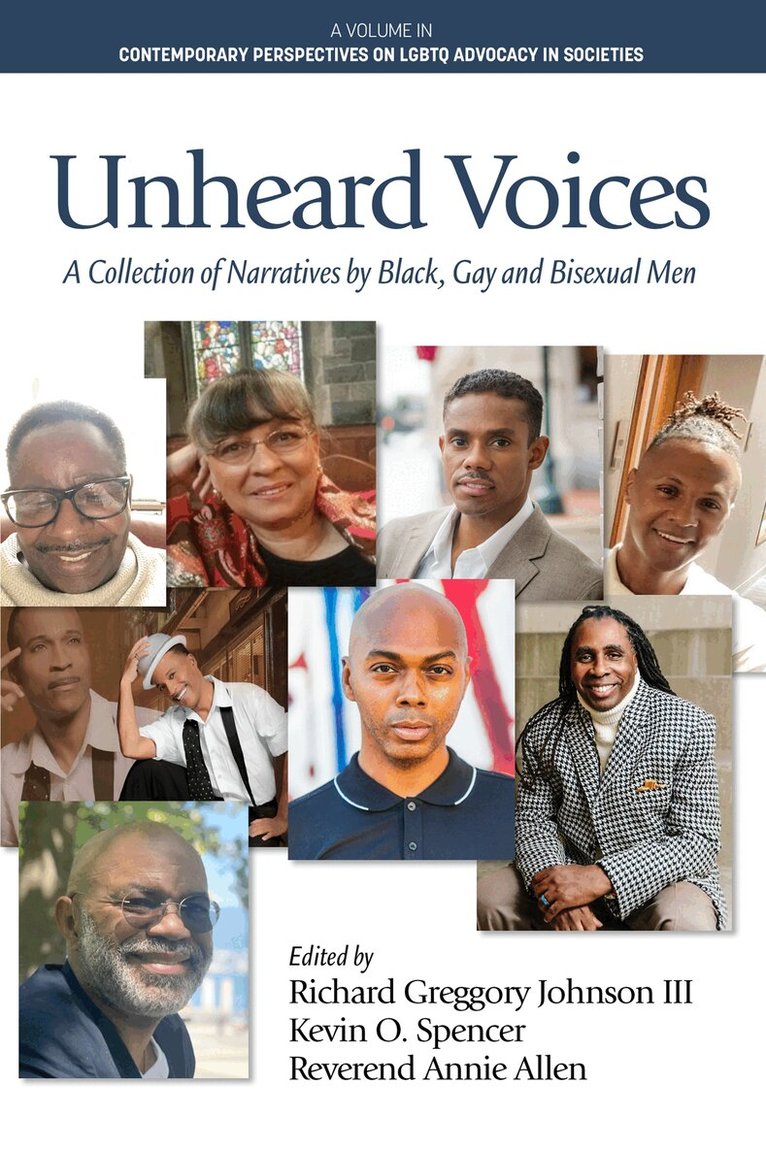
The lives of African American gay men have greatly gone unnoticed in the American consciousness. Despite the fact that Black gay men have made great contributions to our global society. For example, James Baldwin served as a literature giant. Bayard Rustin was one of the key organizers of the 1963 March on Washington. Alphonso David is the first person of color to lead the HRC (Human Rights Campaign).The purpose of this book is to discuss the narratives of Black gay men. There is no doubt that American history has done a nonexistent job of portraying the lives of these Black gay men. Most of these lives have been relegated to the background of society. This book purposes to change that narrative by having 10 to 12 gentlemen discuss their background and how it brought them to where they are in life now. The goal of this book is to also discuss the victory for each of the authors.
986 kr
Skickas inom 7-10 vardagar
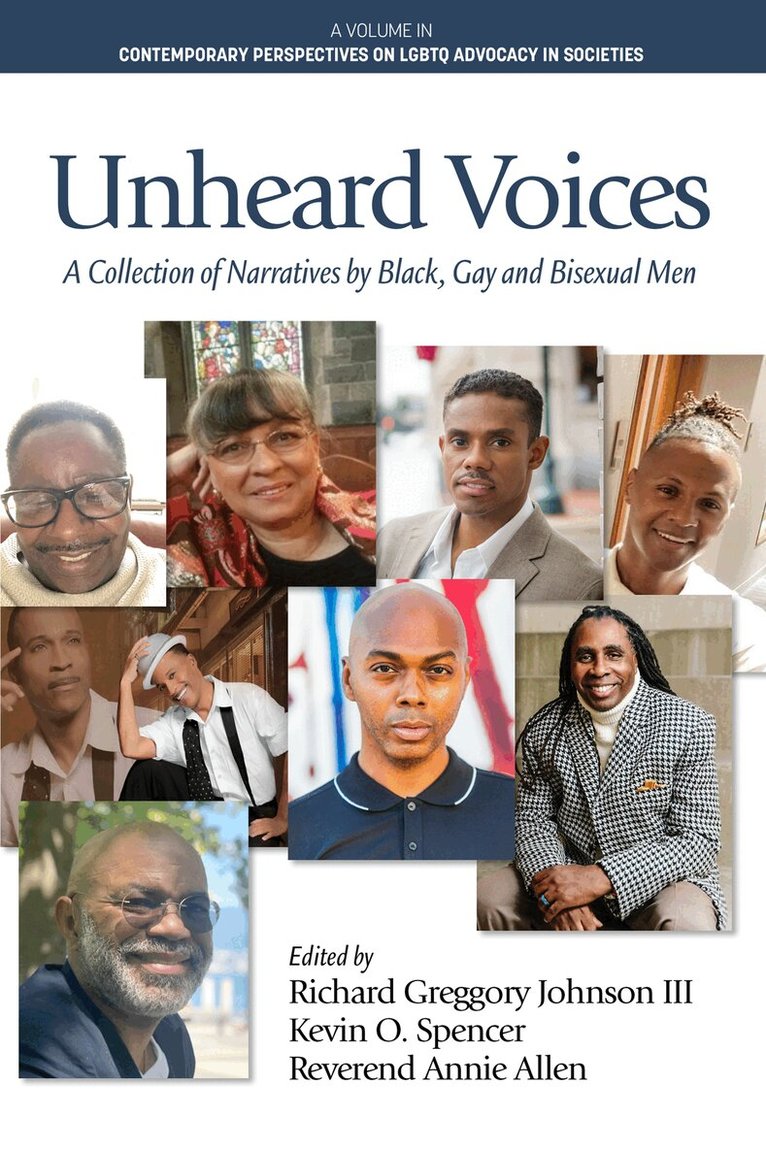
The lives of African American gay men have greatly gone unnoticed in the American consciousness. Despite the fact that Black gay men have made great contributions to our global society. For example, James Baldwin served as a literature giant. Bayard Rustin was one of the key organizers of the 1963 March on Washington. Alphonso David is the first person of color to lead the HRC (Human Rights Campaign).The purpose of this book is to discuss the narratives of Black gay men. There is no doubt that American history has done a nonexistent job of portraying the lives of these Black gay men. Most of these lives have been relegated to the background of society. This book purposes to change that narrative by having 10 to 12 gentlemen discuss their background and how it brought them to where they are in life now. The goal of this book is to also discuss the victory for each of the authors.
455 kr
Skickas inom 7-10 vardagar
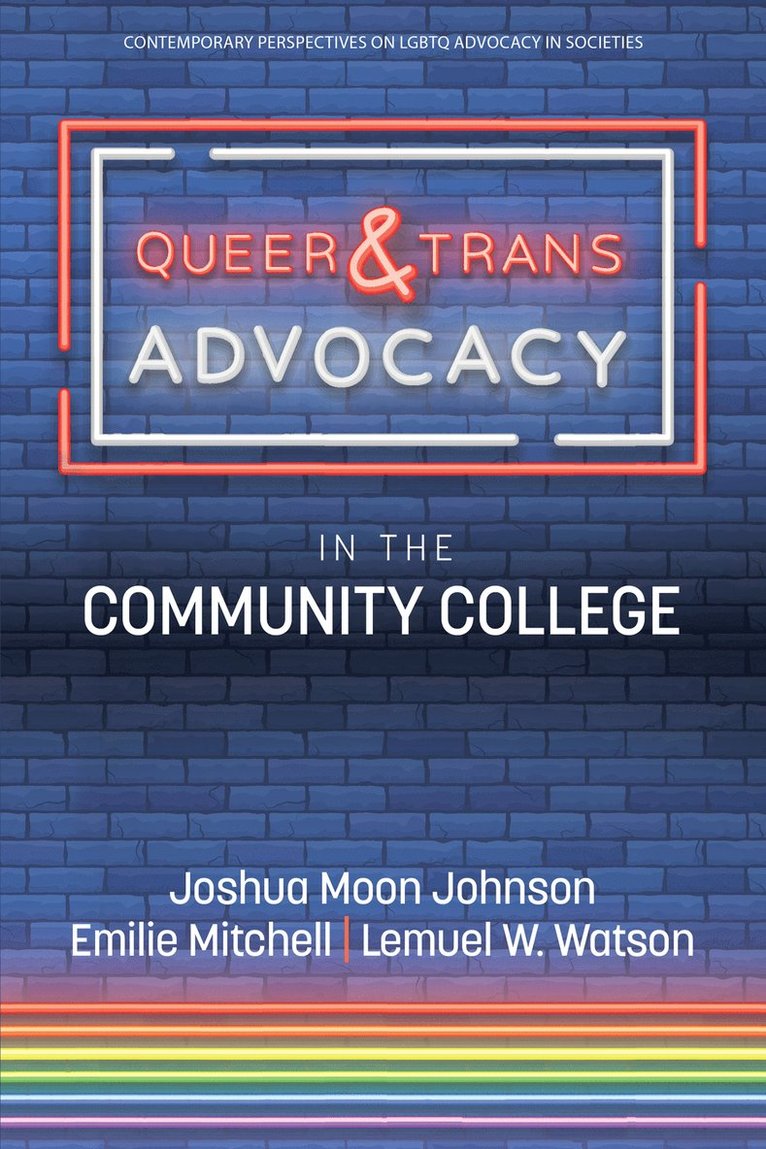
LGBTQ+ advocacy and support continues to be a priority in the U.S. higher education, and recent research shows this as a critical population who continues to be marginalized and mistreated on college and university campuses. Over the last few decades there has been significant research describing how LGBTQ students experience higher education and highlighting that these students are not graduating or succeeding at the same rates as the general population. However, few if any research studies or articles address LGBTQ advocacy on community college campuses. There are more than 1,000 community colleges in the U.S. Even with the extraordinary number of students that the community college system educates, approximately 15 institutions nationally have paid staff to provide LGBTQ services to students. That being said, community colleges are now putting a larger emphasis on understanding and supporting this community. For example, The California Community College (CCC) system’s 116 colleges now require all campuses to create a plan on how to improve success rates of LGBTQ+ students. The CCC is the largest higher education system in the country serving over 2 million students. This comprehensive practitioner focused book will combine relevant research and guidance on practices to aid colleges in establishing services and programs to build effective LGBTQ+ services on their college campuses.
840 kr
Skickas inom 7-10 vardagar
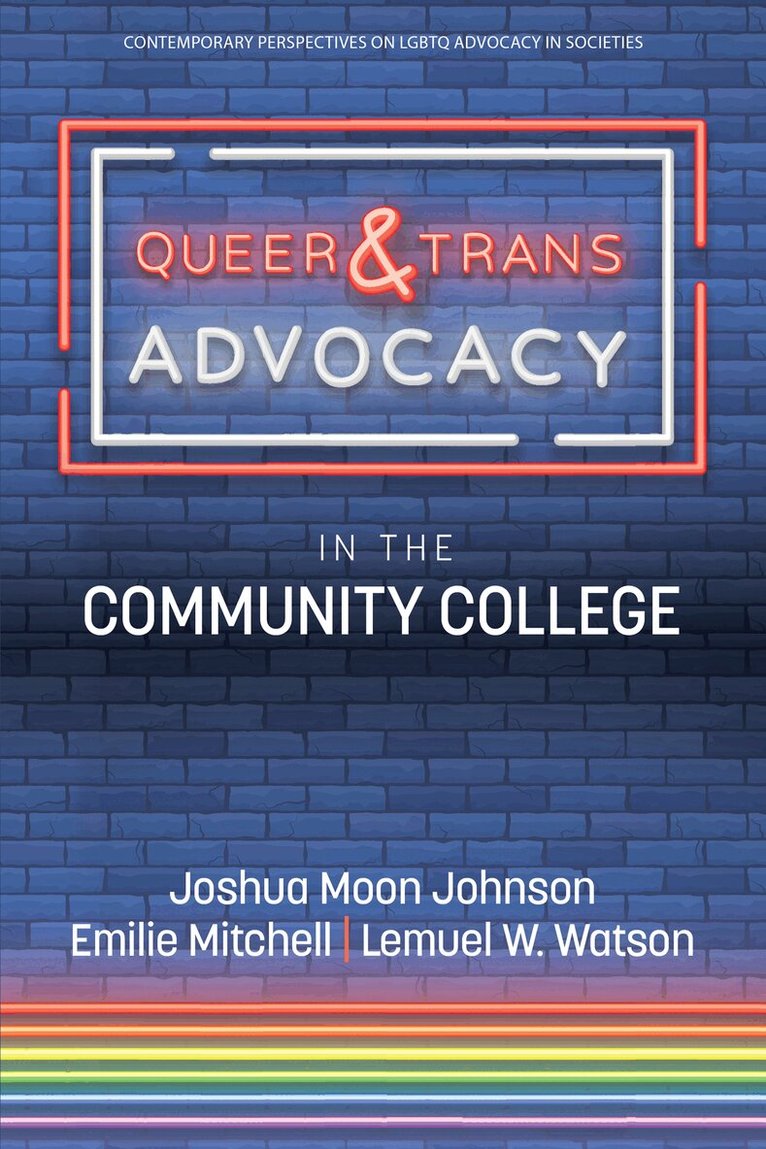
LGBTQ+ advocacy and support continues to be a priority in the U.S. higher education, and recent research shows this as a critical population who continues to be marginalized and mistreated on college and university campuses. Over the last few decades there has been significant research describing how LGBTQ students experience higher education and highlighting that these students are not graduating or succeeding at the same rates as the general population. However, few if any research studies or articles address LGBTQ advocacy on community college campuses. There are more than 1,000 community colleges in the U.S. Even with the extraordinary number of students that the community college system educates, approximately 15 institutions nationally have paid staff to provide LGBTQ services to students. That being said, community colleges are now putting a larger emphasis on understanding and supporting this community. For example, The California Community College (CCC) system’s 116 colleges now require all campuses to create a plan on how to improve success rates of LGBTQ+ students. The CCC is the largest higher education system in the country serving over 2 million students. This comprehensive practitioner focused book will combine relevant research and guidance on practices to aid colleges in establishing services and programs to build effective LGBTQ+ services on their college campuses.
519 kr
Skickas inom 7-10 vardagar
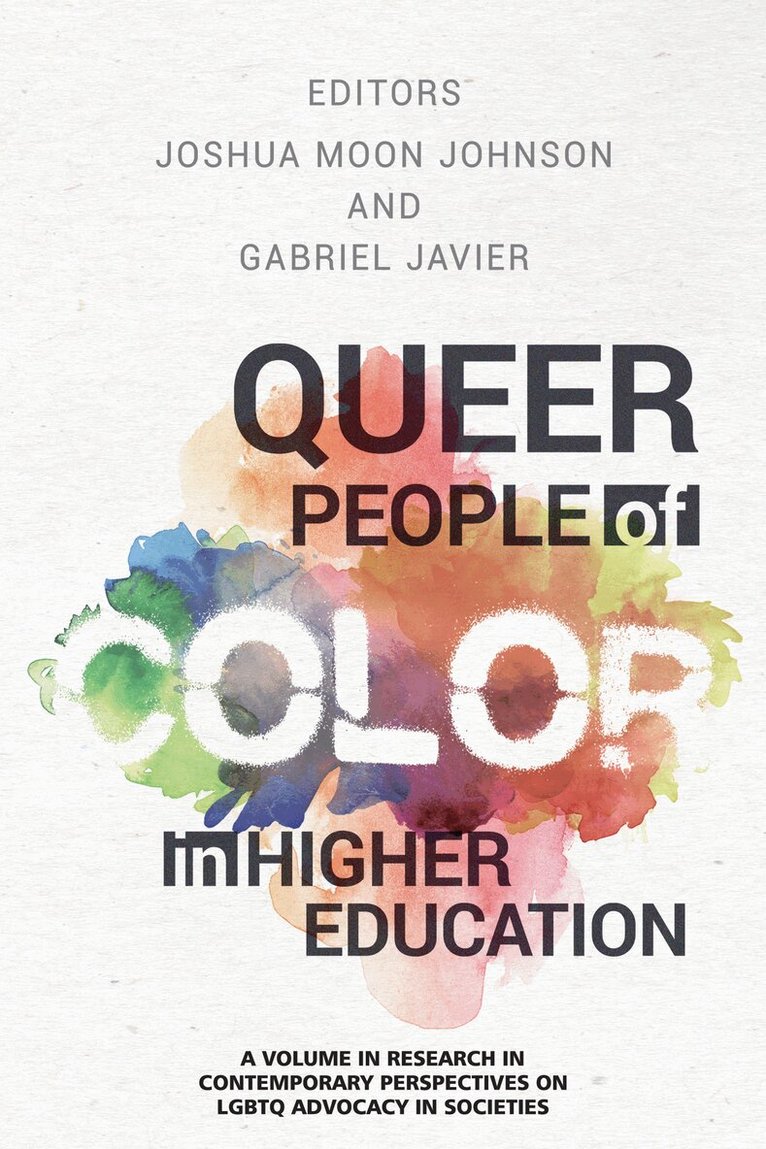
Queer People of Color in Higher Education (QPOC) is a comprehensive work discussing the lived experiences of queer people of color on college campuses. This book will create conversations and provide resources to best support students, faculty, and staff of color who are people of color and identify as LGBTQ. The edited volume covers emerging issues that are affecting higher education around the country. Leading researchers and practitioners have remarkable writing that concisely summarizes current literature while also adding new ways to address issues of injustice related to racism, sexism, homophobia, heterosexism, and transphobia.QPOC in Higher Education insightfully combines research with practical implications on services, systems, campus climate and ways to hostility, violence, and unrest on campuses. This book rises out of places of turmoil and pain and brings attention to broken systems on higher education.QPOC in Higher Education is a must-read for anyone who wants to transform their society, campus, or community into places that fully value the complex and beautiful intersections that our diverse communities come from. This book takes diversity to a deeper level and speaks from a social justice philosophy of looking big pictures at our systems and cultures instead of simply at our oppressed groups as the problems.
958 kr
Skickas inom 7-10 vardagar
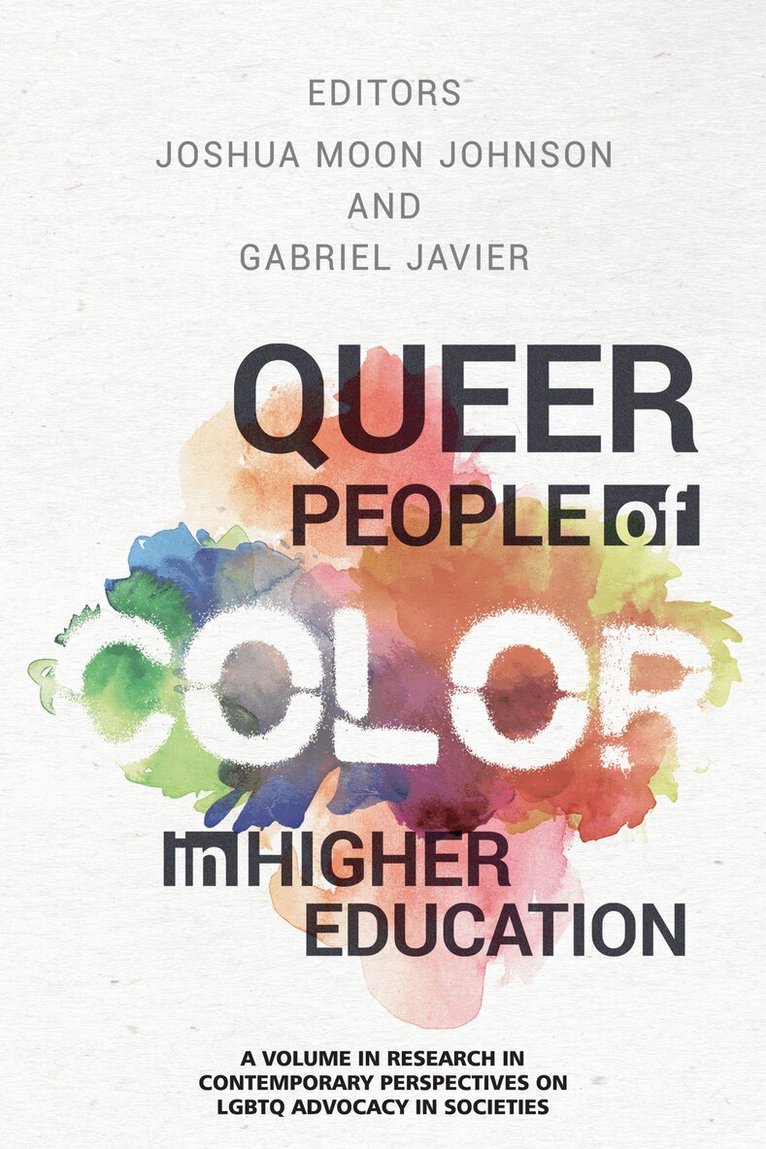
Queer People of Color in Higher Education (QPOC) is a comprehensive work discussing the lived experiences of queer people of color on college campuses. This book will create conversations and provide resources to best support students, faculty, and staff of color who are people of color and identify as LGBTQ. The edited volume covers emerging issues that are affecting higher education around the country. Leading researchers and practitioners have remarkable writing that concisely summarizes current literature while also adding new ways to address issues of injustice related to racism, sexism, homophobia, heterosexism, and transphobia.QPOC in Higher Education insightfully combines research with practical implications on services, systems, campus climate and ways to hostility, violence, and unrest on campuses. This book rises out of places of turmoil and pain and brings attention to broken systems on higher education.QPOC in Higher Education is a must-read for anyone who wants to transform their society, campus, or community into places that fully value the complex and beautiful intersections that our diverse communities come from. This book takes diversity to a deeper level and speaks from a social justice philosophy of looking big pictures at our systems and cultures instead of simply at our oppressed groups as the problems.