Cathy A. R. Brant - Böcker
Visar alla böcker från författaren Cathy A. R. Brant. Handla med fri frakt och snabb leverans.
4 produkter
4 produkter
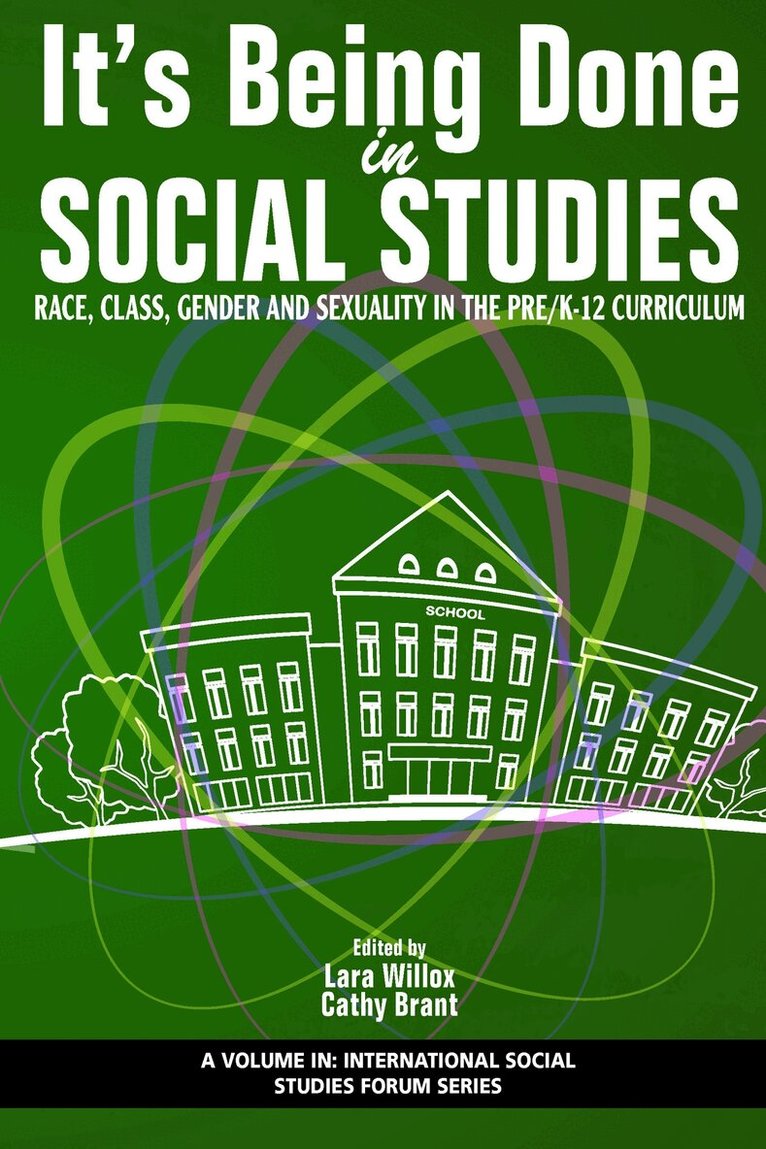
It's Being Done in Social Studies
Race, Class, Gender and Sexuality in the Pre/K-12 Curriculum
Häftad, Engelska, 2018
579 kr
Skickas inom 7-10 vardagar
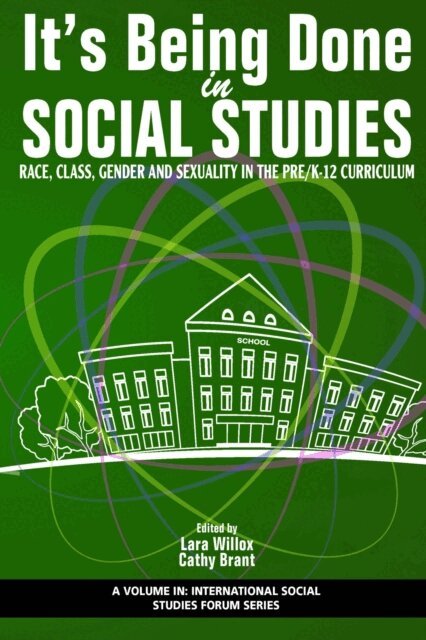
After a recent CUFA conference, many social studies teacher educators came to realize that pre-service teachers are skeptical of calls to integrate sensitive topics in the curriculum because they do not see it in their field experiences. The purpose of this edited book is to share examples of Pre/K - 12 grade teachers, schools, or school systems that infuse race, class, gender and sexuality in the curriculum. This book offers concrete examples of social studies teachers, schools and schools systems committed to the inclusion of topics often deemed as sensitive or controversial.Care was taken to provide examples from diverse geographic areas, school types (public, charter, private etc.), and grade levels. Researchers teamed with practicing professionals to highlight teachers and schools that successfully integrate race, class, gender and/or sexuality in the curriculum. The chapters provide specific examples of content inclusion, share high leverage practices, and provide advice for others infusing race, class, gender, and sexuality in the curriculum.
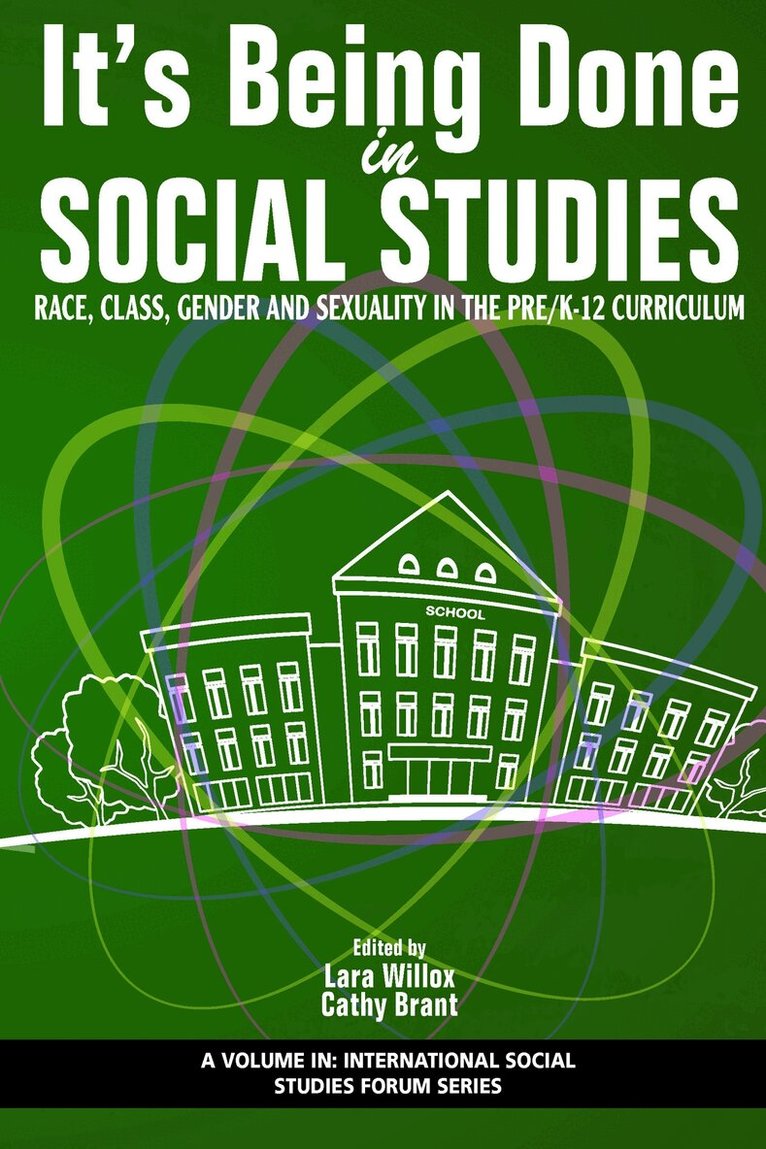
It's Being Done in Social Studies
Race, Class, Gender and Sexuality in the Pre/K-12 Curriculum
Inbunden, Engelska, 2018
1 023 kr
Skickas inom 7-10 vardagar
After a recent CUFA conference, many social studies teacher educators came to realize that pre-service teachers are skeptical of calls to integrate sensitive topics in the curriculum because they do not see it in their field experiences. The purpose of this edited book is to share examples of Pre/K - 12 grade teachers, schools, or school systems that infuse race, class, gender and sexuality in the curriculum. This book offers concrete examples of social studies teachers, schools and schools systems committed to the inclusion of topics often deemed as sensitive or controversial.Care was taken to provide examples from diverse geographic areas, school types (public, charter, private etc.), and grade levels. Researchers teamed with practicing professionals to highlight teachers and schools that successfully integrate race, class, gender and/or sexuality in the curriculum. The chapters provide specific examples of content inclusion, share high leverage practices, and provide advice for others infusing race, class, gender, and sexuality in the curriculum.
515 kr
Skickas inom 7-10 vardagar
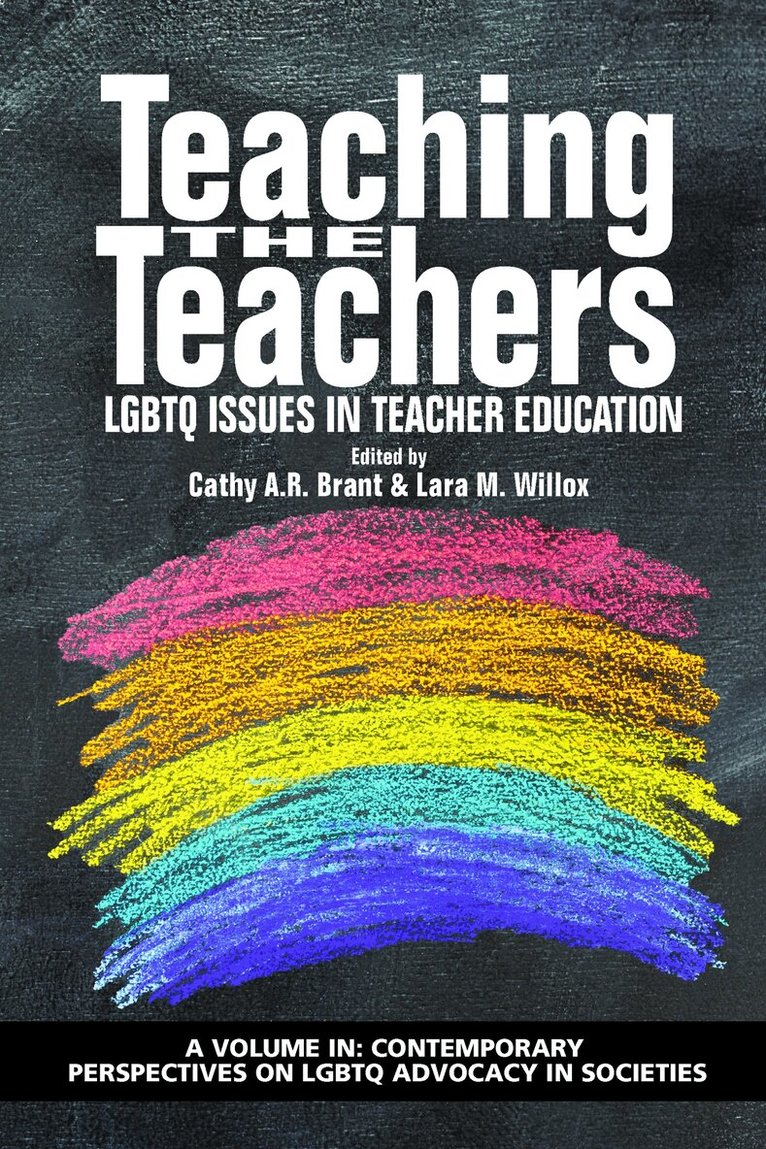
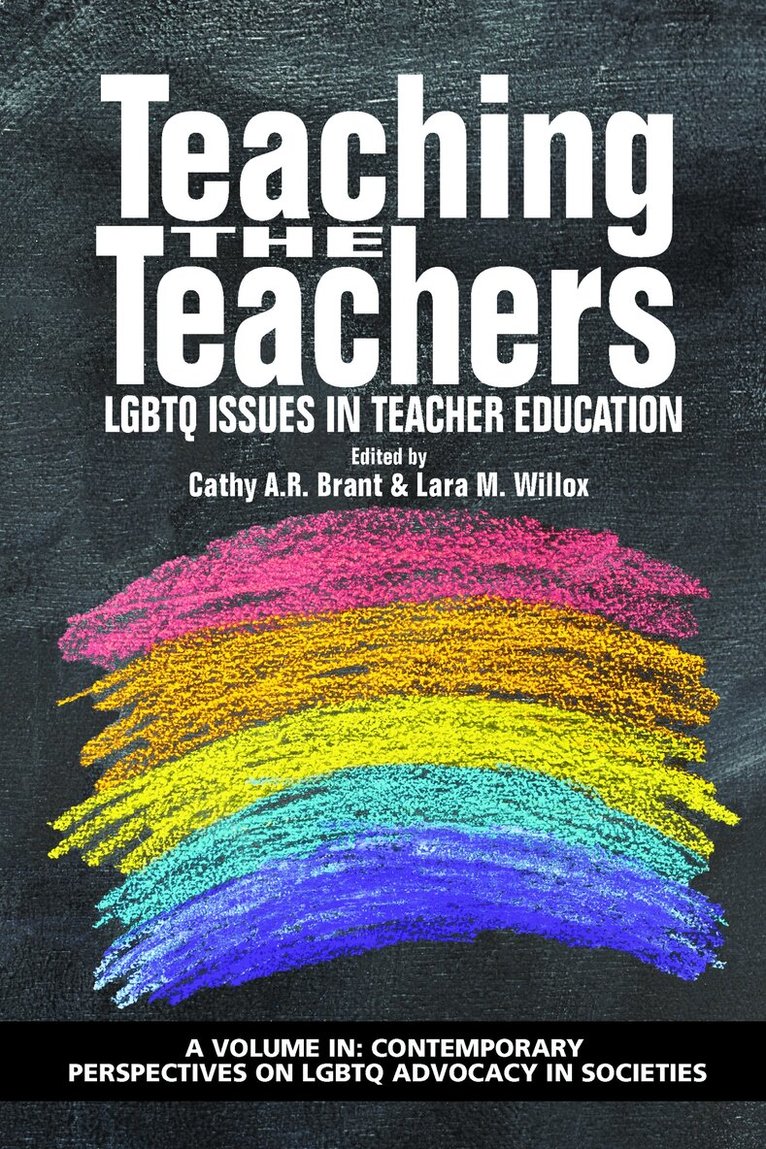
Teacher educators have opportunities to include issues of multicultural education, equity, and social justice in the work done with preservice teachers. Including the educational and societal experiences of historically marginalized populations in curriculum creates spaces for teacher educators to model multicultural and social justice based pedagogies, while preparing teachers to work with and work for these students.The most effective way for teacher educators to address the unique perspectives of historically and currently marginalized populations is to integrate various perspectives throughout the curriculum (Grant & Zwier, 2012). Most teacher education programs address diverse populations via an integrated approach. In fact, Sherwin and Jennings (2006) found that potential student experiences regarding social class, race, and special needs populations were typically integrated into the curriculum, however, lesbian, gay bisexual, and transgender (LGBT) issues were not. There is research that demonstrates how carefully planned and implemented educational interventions can have a positive effect on preservice teachers’ knowledge of and attitudes toward gays and lesbians (Butler, 1999).Despite the positive impact of addressing LGBTQ issues as a part of the teacher preparation program, Gorski et al. (2013) found that LGBTQ issues receive significantly less class time than other issues, especially race, and are, in fact, eight times more likely to actually be omitted from multicultural teacher educator courses. The inclusion of LGBT topics is important for a myriad of reasons. Most importantly, studies (GLSEN & Harris Interactive, 2012; Kosciw, Greytak, Diaz, Bartkiewicz, 2010, 2012; Kosciw, Greytak, Palmer, Boesen, 2014; Kosciw, Greytak, Giga, & Danischewski, 2016) have revealed a negative school climate for students who identify as gay, lesbian, bisexual, or transgender; this hostile environment can have dire consequences for these students. The impact of bullying and harassment due to LGBTQ students’ gender and/or sexual identities can produce a number of negative effects, including isolation from friends and family, depression, drug and/or alcohol use and addiction, low selfesteem, lack of engagement in school, academic failure, and fighting (Beam, 2007; Holmes & Cahill, 2004; Kosciw et al., 2010, 2012; Kosciw et al, 2014; Kosciw et al, 2016, Meyer, 2010; Wilkinson & Pearson, 2009).The negative climate does not just come from peer-to-peer negative interactions. In the most recent GLSEN study (Kosciw et al, 2016) it was found that• 57.6% of LGBTQ students who were harassed or assaulted in school did not report the incident to school staff, most commonly because they doubted that effective intervention would occur or the situation could become worse if reported.• 63.5% of the students who did report an incident said that school staff did nothing in response or told the student to ignore it.• 56.2% of students reported hearing homophobic remarks from their teachers or other school staff, and 63.5% of students reported hearing negative remarks about gender expression from teachers or other school staffThe aim of this book is to support teacher educators as they engage in the work of preparing pre-service teacher to work with and work for LGBTQ youth through explicit discussions of gender and sexuality. Chapters for this book include personal anecdotes regarding shifts in author’s thinking about including LGBTQ as a part of teacher preparation; specific pedagogical practices employed by authors to present LGBTQ focused material as a part of their coursework; the resistance authors have faced from students, parents and administration and their responses.
950 kr
Skickas inom 7-10 vardagar
Teacher educators have opportunities to include issues of multicultural education, equity, and social justice in the work done with preservice teachers. Including the educational and societal experiences of historically marginalized populations in curriculum creates spaces for teacher educators to model multicultural and social justice based pedagogies, while preparing teachers to work with and work for these students.The most effective way for teacher educators to address the unique perspectives of historically and currently marginalized populations is to integrate various perspectives throughout the curriculum (Grant & Zwier, 2012). Most teacher education programs address diverse populations via an integrated approach. In fact, Sherwin and Jennings (2006) found that potential student experiences regarding social class, race, and special needs populations were typically integrated into the curriculum, however, lesbian, gay bisexual, and transgender (LGBT) issues were not. There is research that demonstrates how carefully planned and implemented educational interventions can have a positive effect on preservice teachers’ knowledge of and attitudes toward gays and lesbians (Butler, 1999).Despite the positive impact of addressing LGBTQ issues as a part of the teacher preparation program, Gorski et al. (2013) found that LGBTQ issues receive significantly less class time than other issues, especially race, and are, in fact, eight times more likely to actually be omitted from multicultural teacher educator courses. The inclusion of LGBT topics is important for a myriad of reasons. Most importantly, studies (GLSEN & Harris Interactive, 2012; Kosciw, Greytak, Diaz, Bartkiewicz, 2010, 2012; Kosciw, Greytak, Palmer, Boesen, 2014; Kosciw, Greytak, Giga, & Danischewski, 2016) have revealed a negative school climate for students who identify as gay, lesbian, bisexual, or transgender; this hostile environment can have dire consequences for these students. The impact of bullying and harassment due to LGBTQ students’ gender and/or sexual identities can produce a number of negative effects, including isolation from friends and family, depression, drug and/or alcohol use and addiction, low selfesteem, lack of engagement in school, academic failure, and fighting (Beam, 2007; Holmes & Cahill, 2004; Kosciw et al., 2010, 2012; Kosciw et al, 2014; Kosciw et al, 2016, Meyer, 2010; Wilkinson & Pearson, 2009).The negative climate does not just come from peer-to-peer negative interactions. In the most recent GLSEN study (Kosciw et al, 2016) it was found that• 57.6% of LGBTQ students who were harassed or assaulted in school did not report the incident to school staff, most commonly because they doubted that effective intervention would occur or the situation could become worse if reported.• 63.5% of the students who did report an incident said that school staff did nothing in response or told the student to ignore it.• 56.2% of students reported hearing homophobic remarks from their teachers or other school staff, and 63.5% of students reported hearing negative remarks about gender expression from teachers or other school staffThe aim of this book is to support teacher educators as they engage in the work of preparing pre-service teacher to work with and work for LGBTQ youth through explicit discussions of gender and sexuality. Chapters for this book include personal anecdotes regarding shifts in author’s thinking about including LGBTQ as a part of teacher preparation; specific pedagogical practices employed by authors to present LGBTQ focused material as a part of their coursework; the resistance authors have faced from students, parents and administration and their responses.