Contemporary Perspectives on Supervision and Instructional Leadership – Serie
Visar alla böcker i serien Contemporary Perspectives on Supervision and Instructional Leadership. Handla med fri frakt och snabb leverans.
4 produkter
4 produkter
Advancing Supervision in Clinically Based Teacher Education
Advances, Opportunities, and Explorations
Häftad, Engelska, 2022
519 kr
Skickas inom 7-10 vardagar
Supervision in teacher education is entering an exciting time. In the last decade, national reports calling for the transformation of teacher preparation have advocated for greater school-university collaboration and increased clinical preparation of teachers (AACTE, 2018; NCATE, 2010). Thus, institutions with teacher preparation should be increasingly concerned with the clinical component of their teacher certification programs (AACTE, 2010; 2018; NCATE, 2001; NEA, 2014). However, supervision in teacher preparation has historically been held in low regard, (Beck & Kosnik, 2002; Feiman-Nemser, 2001; The Holmes Group, 1986; Hoover, O’Shea, & Carroll, 1988; Soder & Sirotnik, 1990) even though research has shown that high-quality supervision promotes teacher candidate learning (Bates, Drits, & Ramirez, 2011; Burns, Jacobs, & Yendol-Hoppey, 2016; Darling-Hammond, 2014; Gimbert & Nolan, 2003; Lee, 2011). In fact, university supervisors “may be the most undervalued actors in the entire teacher preparation equation when one considers the knowledge, skills, and dispositions they must have to teach about teaching in the field” (Burns & Badiali, 2016, p. 156). Despite this research, the function of supervision has often been relegated to adjunct faculty or even removed the university-based supervisor altogether in some colleges/schools of education (McIntyre & McIntyre, 2020; NCATE, 2010; Slick, 1998; Zeichner, 1992, 2005). These practices are incredibly problematic for actualizing clinically based teacher education. Thus, the road to transforming teacher education must involve addressing such long standing misperceptions about what supervision is, what purpose it serves, and how it can be renewed from an afterthought to become the driving engine of high quality teacher preparation.Advancing Supervision in Clinically Based Teacher Education: Advances, Opportunities, and Explorations aims to elevate supervision and supervisors, as undervalued actors, by disseminating high-quality manuscripts on this critical area of study. The chapters in this book tackle the persistent issue of devaluing and marginalizing supervision in some institutions of higher education by sharing current research, illuminating challenges of supervising in the current high stakes accountability climate, and offering innovative ideas that can improve supervision in clinically based teacher education.
Advancing Supervision in Clinically Based Teacher Education
Advances, Opportunities, and Explorations
Inbunden, Engelska, 2022
958 kr
Skickas inom 7-10 vardagar
Supervision in teacher education is entering an exciting time. In the last decade, national reports calling for the transformation of teacher preparation have advocated for greater school-university collaboration and increased clinical preparation of teachers (AACTE, 2018; NCATE, 2010). Thus, institutions with teacher preparation should be increasingly concerned with the clinical component of their teacher certification programs (AACTE, 2010; 2018; NCATE, 2001; NEA, 2014). However, supervision in teacher preparation has historically been held in low regard, (Beck & Kosnik, 2002; Feiman-Nemser, 2001; The Holmes Group, 1986; Hoover, O’Shea, & Carroll, 1988; Soder & Sirotnik, 1990) even though research has shown that high-quality supervision promotes teacher candidate learning (Bates, Drits, & Ramirez, 2011; Burns, Jacobs, & Yendol-Hoppey, 2016; Darling-Hammond, 2014; Gimbert & Nolan, 2003; Lee, 2011). In fact, university supervisors “may be the most undervalued actors in the entire teacher preparation equation when one considers the knowledge, skills, and dispositions they must have to teach about teaching in the field” (Burns & Badiali, 2016, p. 156). Despite this research, the function of supervision has often been relegated to adjunct faculty or even removed the university-based supervisor altogether in some colleges/schools of education (McIntyre & McIntyre, 2020; NCATE, 2010; Slick, 1998; Zeichner, 1992, 2005). These practices are incredibly problematic for actualizing clinically based teacher education. Thus, the road to transforming teacher education must involve addressing such long standing misperceptions about what supervision is, what purpose it serves, and how it can be renewed from an afterthought to become the driving engine of high quality teacher preparation.Advancing Supervision in Clinically Based Teacher Education: Advances, Opportunities, and Explorations aims to elevate supervision and supervisors, as undervalued actors, by disseminating high-quality manuscripts on this critical area of study. The chapters in this book tackle the persistent issue of devaluing and marginalizing supervision in some institutions of higher education by sharing current research, illuminating challenges of supervising in the current high stakes accountability climate, and offering innovative ideas that can improve supervision in clinically based teacher education.
583 kr
Skickas inom 7-10 vardagar
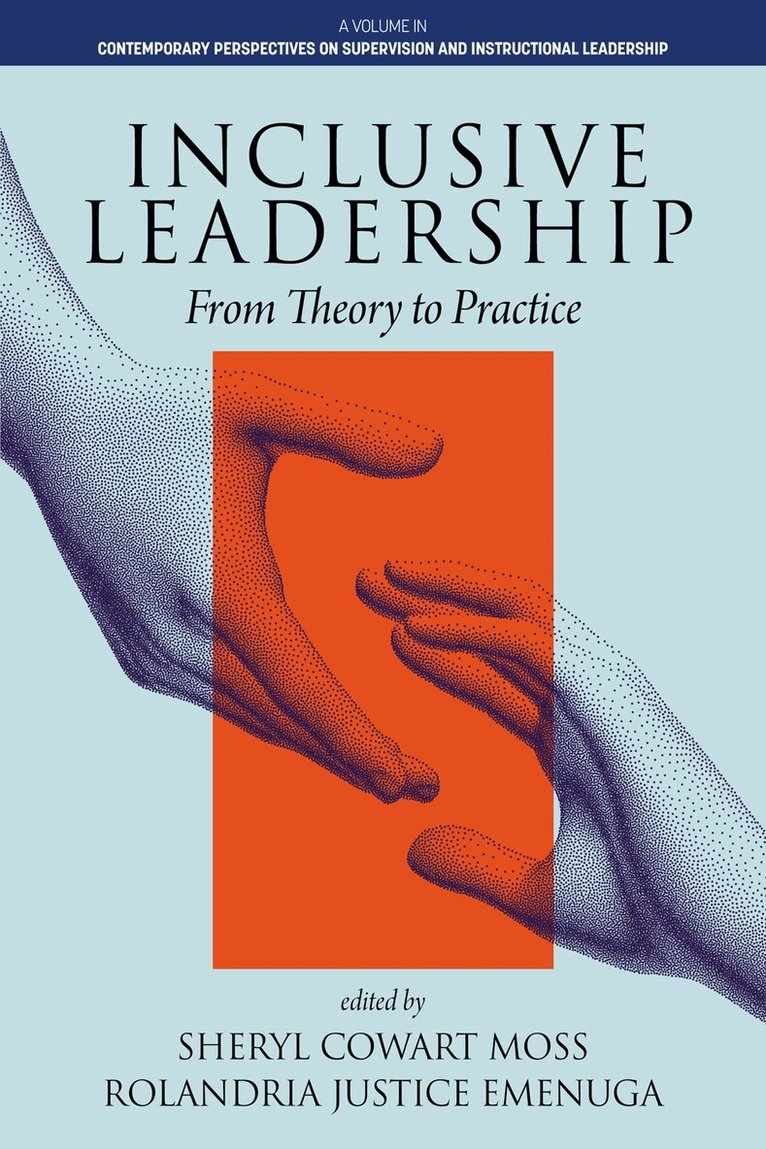
Inclusive leaders create strong cultures with systems to respond to unique needs and encourage hidden potential. Inclusive leaders think in terms of each rather than all, and they strive to engage each child and adult. This perspective values individual cultural capital. (Cowart Moss, 2020; DeMatthews, 2018; McLeskey, Waldron, & Redd, 2019). Inclusive leadership requires district and school leaders to be intentional, hypervigilant, and to contextualize their work. These actions must be ongoing. They are not accomplishments, rather they must be a way of leading and seeing the world. (Berry, Cowart Moss & Gore, 2018; Mette, 2019).Leaders can break down barriers or create obstacles. Ironically, leaders may perceive themselves as promoting inclusion while still operating within areas of implicit bias (Arnold, 2019; Theoharis & Causton-Theoharis, 2008; Willey & Magee, 2018). Barriers to inclusion may reside outside of a leader’s direct control. They may be systemic, or they may arise in unforeseen and unpredictable crises, like the COVID-19 pandemic. While our schools continue to face enormous challenges from COVID-19, they also face stress from increasing awareness and reactions to systemic racism and political polarization. History shows collaboration and strong relationships can greatly impact responses to a crisis and the quality of rebuilding efforts after a crisis. (Stern, Cetron, & Markel 2009). It is increasingly important for school leaders to cultivate inclusive approaches, building repertoires of skills to meet the needs of the diverse, marginalized, and unsettled members of their school communities. Leaders must have theoretical and pedagogical tools for assessing their capacities and for reflecting on their progress. They must have access to resources and support for continued growth.The ideal of inclusion is synonymous with belonging and caring, but ideals must be more than talking points. Inclusive leaders can parse out the subtleties that separate more abstract notions of justice and caring (Noddings, 2015) from specific actions that result in inclusive cultures. These leaders bridge the gap between theory and practice. This volume, Inclusive Leadership: From Theory to Practice, seeks to provide a more nuanced view of what it means to be an inclusive leader as it explores current research, practical applications, and personal narratives.
1 032 kr
Skickas inom 7-10 vardagar
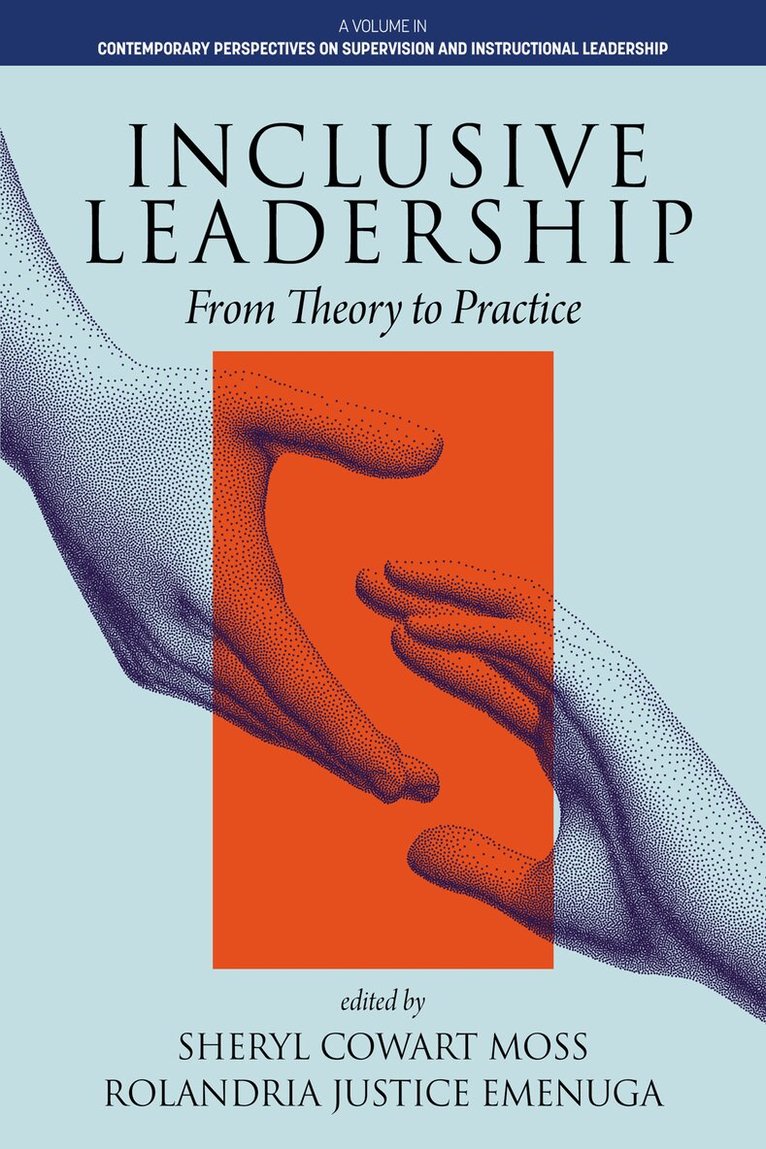
Inclusive leaders create strong cultures with systems to respond to unique needs and encourage hidden potential. Inclusive leaders think in terms of each rather than all, and they strive to engage each child and adult. This perspective values individual cultural capital. (Cowart Moss, 2020; DeMatthews, 2018; McLeskey, Waldron, & Redd, 2019). Inclusive leadership requires district and school leaders to be intentional, hypervigilant, and to contextualize their work. These actions must be ongoing. They are not accomplishments, rather they must be a way of leading and seeing the world. (Berry, Cowart Moss & Gore, 2018; Mette, 2019).Leaders can break down barriers or create obstacles. Ironically, leaders may perceive themselves as promoting inclusion while still operating within areas of implicit bias (Arnold, 2019; Theoharis & Causton-Theoharis, 2008; Willey & Magee, 2018). Barriers to inclusion may reside outside of a leader’s direct control. They may be systemic, or they may arise in unforeseen and unpredictable crises, like the COVID-19 pandemic. While our schools continue to face enormous challenges from COVID-19, they also face stress from increasing awareness and reactions to systemic racism and political polarization. History shows collaboration and strong relationships can greatly impact responses to a crisis and the quality of rebuilding efforts after a crisis. (Stern, Cetron, & Markel 2009). It is increasingly important for school leaders to cultivate inclusive approaches, building repertoires of skills to meet the needs of the diverse, marginalized, and unsettled members of their school communities. Leaders must have theoretical and pedagogical tools for assessing their capacities and for reflecting on their progress. They must have access to resources and support for continued growth.The ideal of inclusion is synonymous with belonging and caring, but ideals must be more than talking points. Inclusive leaders can parse out the subtleties that separate more abstract notions of justice and caring (Noddings, 2015) from specific actions that result in inclusive cultures. These leaders bridge the gap between theory and practice. This volume, Inclusive Leadership: From Theory to Practice, seeks to provide a more nuanced view of what it means to be an inclusive leader as it explores current research, practical applications, and personal narratives.