Contemporary Research in Education - Böcker
Visar alla böcker i serien Contemporary Research in Education. Handla med fri frakt och snabb leverans.
14 produkter
14 produkter
613 kr
Skickas inom 7-10 vardagar
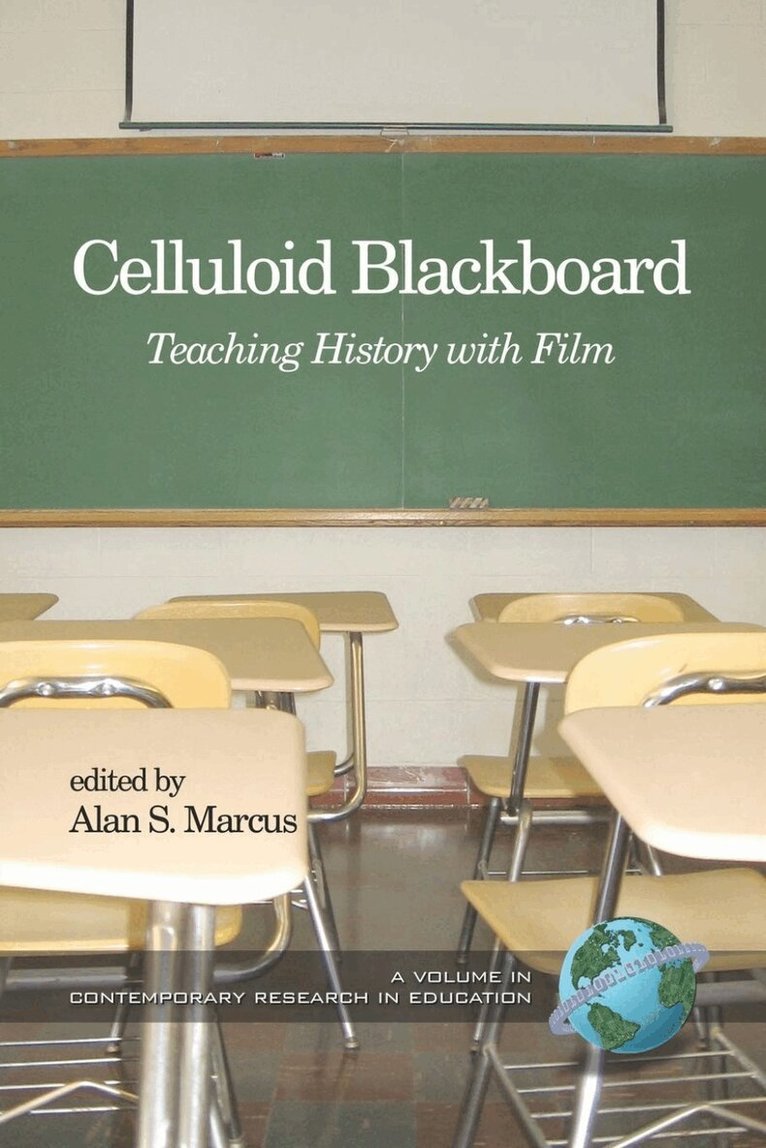
This volume advocates for including feature films in secondary history classrooms through examining the ways in which films can promote students’ historical understanding while also addressing the potential drawbacks to using film. In part one the essays explore three frameworks for the analysis of film by secondary students. Part two fills a void in the scholarship, reporting on four recent studies that explore how the use of film may encourage the development of students’ historical understanding. Finally, part three describes the results from two secondary teachers incorporating film into their history classrooms.
1 023 kr
Skickas inom 7-10 vardagar
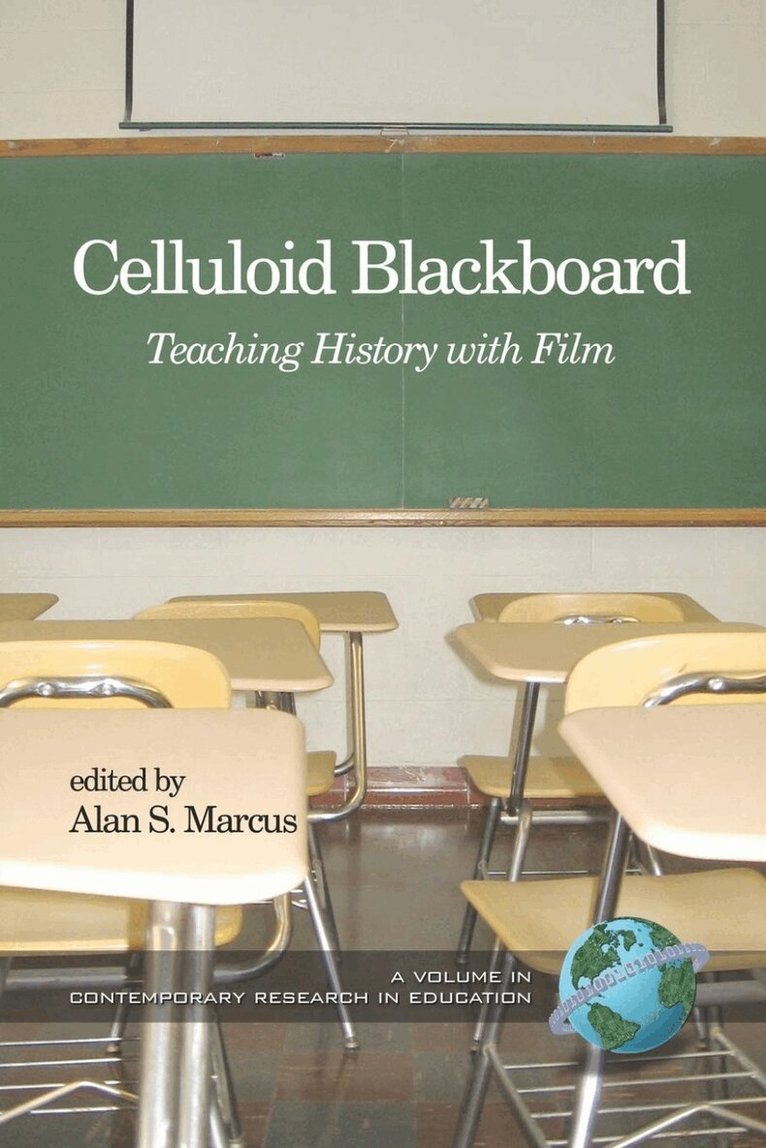
This volume advocates for including feature films in secondary history classrooms through examining the ways in which films can promote students’ historical understanding while also addressing the potential drawbacks to using film. In part one the essays explore three frameworks for the analysis of film by secondary students. Part two fills a void in the scholarship, reporting on four recent studies that explore how the use of film may encourage the development of students’ historical understanding. Finally, part three describes the results from two secondary teachers incorporating film into their history classrooms.
579 kr
Skickas inom 7-10 vardagar
The purpose of this text is to further flesh out some of the factors--specific dimensions of our n-dimensional hyperspace--important to inquiry in the classroom. As such, some of the of the factors have already been introduced, others will be new to the conversation. In our discussions that lead to the preparation of this manuscript, it became clear that each of us was interested in classroom inquiry, and so we each wanted to situate our analysis in these classrooms. For that purpose, our discussions are organized into sections. Each section begins with one (or more) vignette--snippets of science classrooms--that the authors then discuss how this vignette demonstrates some aspect of the specific dimension that they are charged with discussing. Because inquiry is so multifaceted and its portrayals are often complex and nuanced, the discussion of the dimension is broken into separate essays--each of which addresses the focal dimension in different ways. Following the essay, a broader discussion across the essays is offered to support your sense making.As we began this effort, we selected what we understood to be the most influential dimensions of inquiry in the classroom. But certainly there are others that can and should have been included, (i.e., the role of curriculum in supporting (or confining) the enactment of inquiry, the manner in which inquiry can shape students' knowledge, the role systemic efforts can have in enabling inquiry). But given the confines of one text, we've chosen what we understood to be the central components, and these have been arranged into 6 sections. Our vision is that each of these sections can be self-supporting, so their appearance in the text doesn't represent the order in which they must be read. Ideally, the reader would engage in the introduction, then select the section that addresses the dimension influencing classroom inquiry that is of greatest importance. The only exception to this is section 6, which is a specific form of enactment of classroom inquiry; engagement with this section may be best augmented after reading the sections that interest you.
1 023 kr
Skickas inom 7-10 vardagar
The purpose of this text is to further flesh out some of the factors--specific dimensions of our n-dimensional hyperspace--important to inquiry in the classroom. As such, some of the of the factors have already been introduced, others will be new to the conversation. In our discussions that lead to the preparation of this manuscript, it became clear that each of us was interested in classroom inquiry, and so we each wanted to situate our analysis in these classrooms. For that purpose, our discussions are organized into sections. Each section begins with one (or more) vignette--snippets of science classrooms--that the authors then discuss how this vignette demonstrates some aspect of the specific dimension that they are charged with discussing. Because inquiry is so multifaceted and its portrayals are often complex and nuanced, the discussion of the dimension is broken into separate essays--each of which addresses the focal dimension in different ways. Following the essay, a broader discussion across the essays is offered to support your sense making.As we began this effort, we selected what we understood to be the most influential dimensions of inquiry in the classroom. But certainly there are others that can and should have been included, (i.e., the role of curriculum in supporting (or confining) the enactment of inquiry, the manner in which inquiry can shape students' knowledge, the role systemic efforts can have in enabling inquiry). But given the confines of one text, we've chosen what we understood to be the central components, and these have been arranged into 6 sections. Our vision is that each of these sections can be self-supporting, so their appearance in the text doesn't represent the order in which they must be read. Ideally, the reader would engage in the introduction, then select the section that addresses the dimension influencing classroom inquiry that is of greatest importance. The only exception to this is section 6, which is a specific form of enactment of classroom inquiry; engagement with this section may be best augmented after reading the sections that interest you.
515 kr
Skickas inom 7-10 vardagar
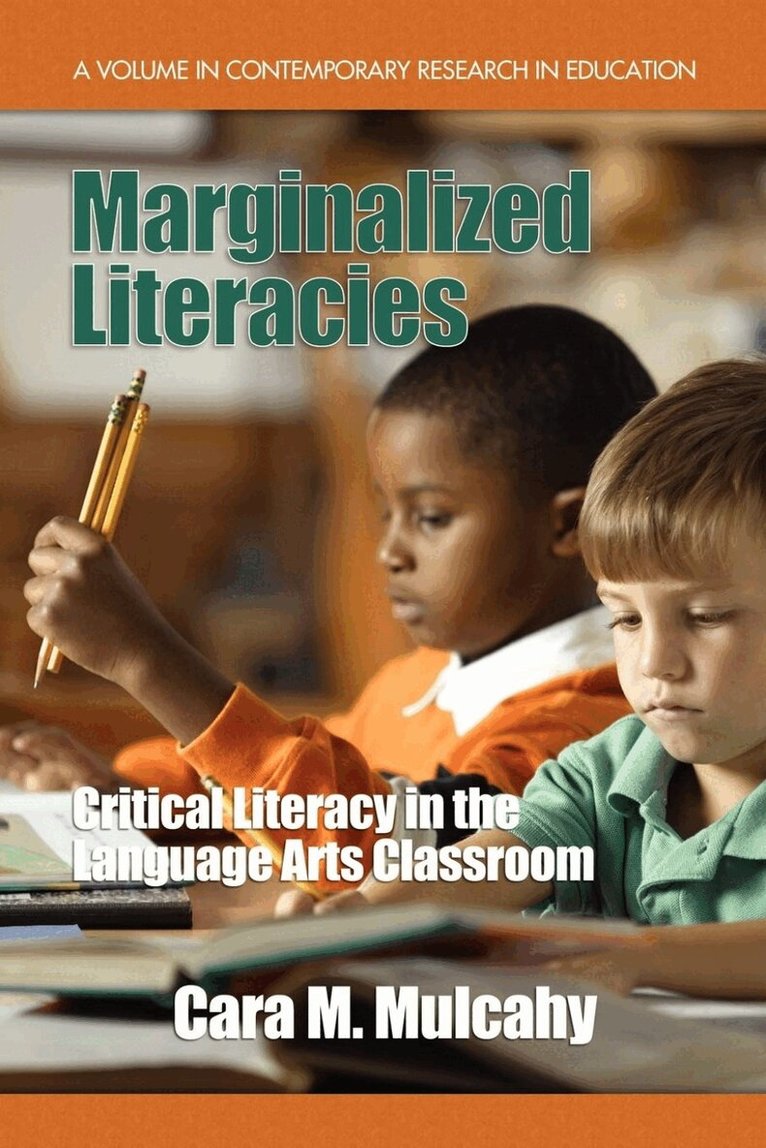
Functional literacy, cultural literacy, and progressive literacy are just a few of the many terms one can invoke when attempting to define literacy. From a critical perspective, for a democratic society to exist, a critical literacy is of crucial importance. Critical literacy aims to empower individuals and transform society. It is grounded in critical theory and, like critical pedagogy, investigates ways in which social, cultural, racial, sexual, and economic inequalities are reproduced. By investigating the ideological, political, and social structures that perpetuate such inequalities, it hopes to raise consciousness and move towards creating a more socially just society.This book examines the approaches set forth by Atwell, Calkins, and Rief in their books, In the Middle (1998); The Art of Teaching Writing (1994); and Seeking Diversity (1992), respectively. This book is of relevance to teacher educators and English Language Arts teachers. It enables one to become familiar with the main components of the Readers’/Writers’ workshop and develop an awareness of how literacy may be conceptualized and reconceptualized through this approach. Teacher educators will find this text useful for raising preservice teachers’ awareness of the ideologies that inform literacy education and in developing their understanding for how students are positioned socially, culturally, politically and economically by such ideologies. English Language Arts teachers will find this book informative in understanding how they can be positioned by teacher texts to teach towards certain ideologies of literacy. Finally, it allows teacher educators and English Language Arts teachers to consider what kind of literacy education is provided for through the Readers’/Writers’ workshop, and whether space may be negotiated within the Readers’/Writers’ workshop, for the teaching of critical literacy.
950 kr
Skickas inom 7-10 vardagar
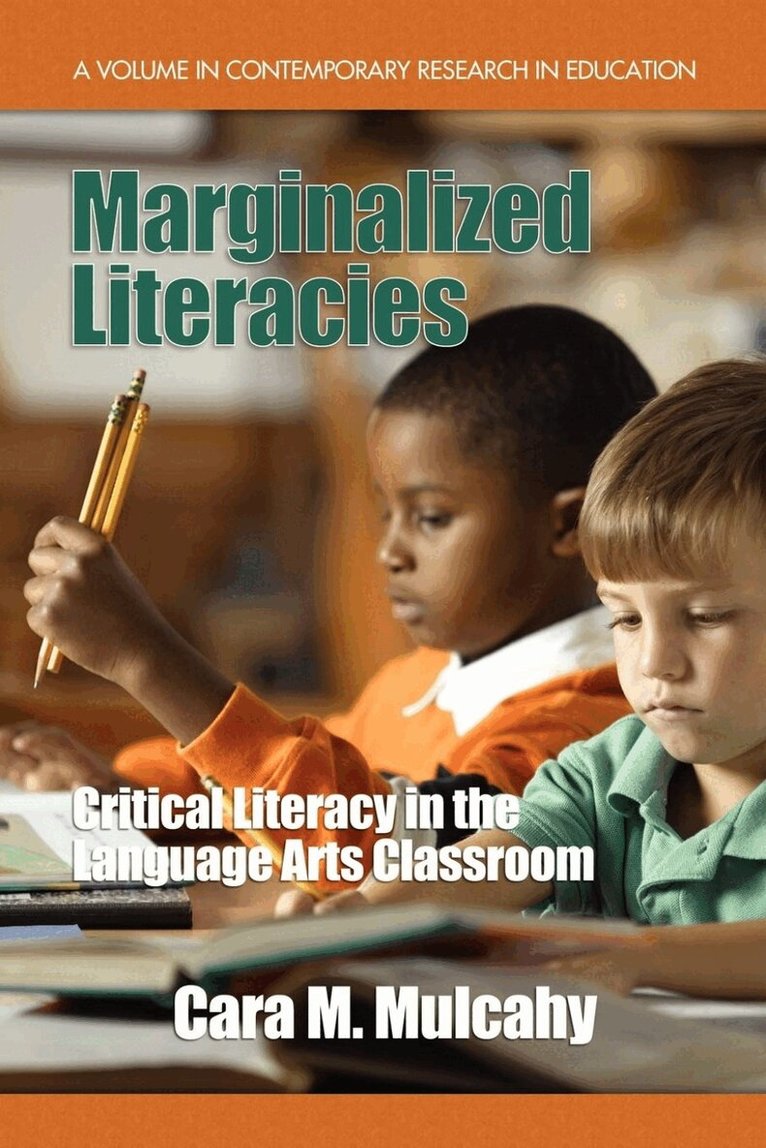
Functional literacy, cultural literacy, and progressive literacy are just a few of the many terms one can invoke when attempting to define literacy. From a critical perspective, for a democratic society to exist, a critical literacy is of crucial importance. Critical literacy aims to empower individuals and transform society. It is grounded in critical theory and, like critical pedagogy, investigates ways in which social, cultural, racial, sexual, and economic inequalities are reproduced. By investigating the ideological, political, and social structures that perpetuate such inequalities, it hopes to raise consciousness and move towards creating a more socially just society.This book examines the approaches set forth by Atwell, Calkins, and Rief in their books, In the Middle (1998); The Art of Teaching Writing (1994); and Seeking Diversity (1992), respectively. This book is of relevance to teacher educators and English Language Arts teachers. It enables one to become familiar with the main components of the Readers’/Writers’ workshop and develop an awareness of how literacy may be conceptualized and reconceptualized through this approach. Teacher educators will find this text useful for raising preservice teachers’ awareness of the ideologies that inform literacy education and in developing their understanding for how students are positioned socially, culturally, politically and economically by such ideologies. English Language Arts teachers will find this book informative in understanding how they can be positioned by teacher texts to teach towards certain ideologies of literacy. Finally, it allows teacher educators and English Language Arts teachers to consider what kind of literacy education is provided for through the Readers’/Writers’ workshop, and whether space may be negotiated within the Readers’/Writers’ workshop, for the teaching of critical literacy.
452 kr
Skickas inom 7-10 vardagar
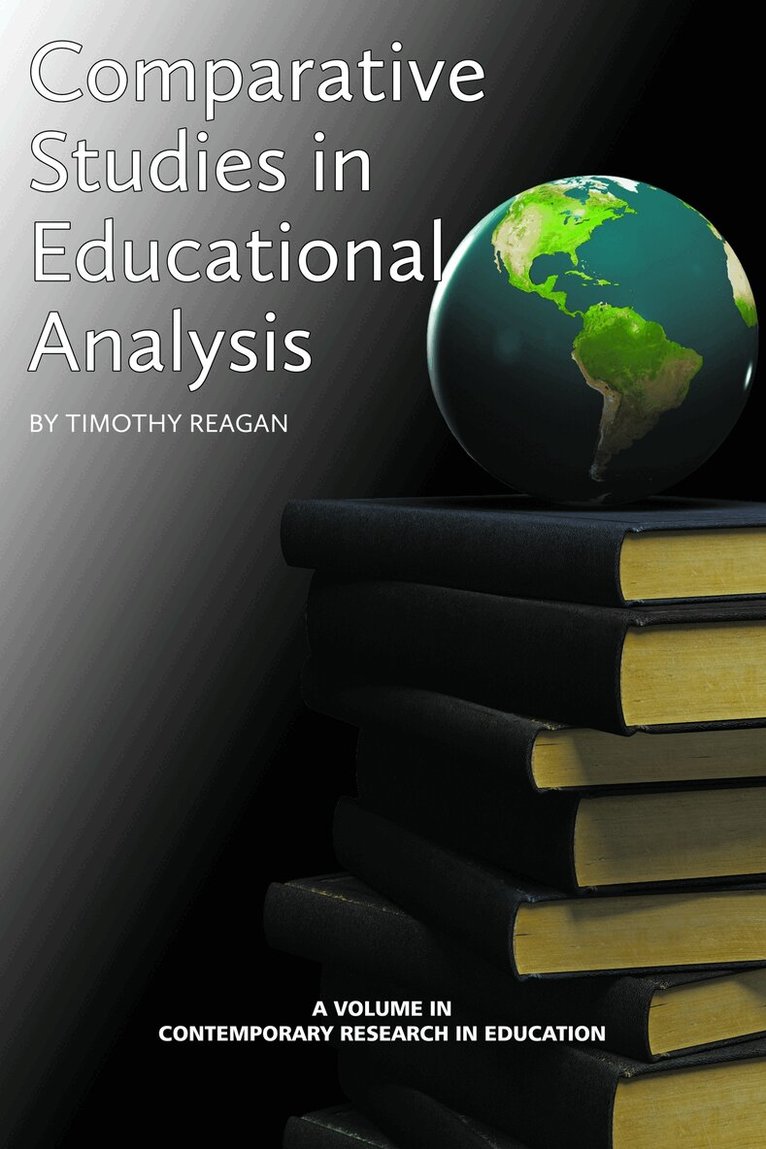
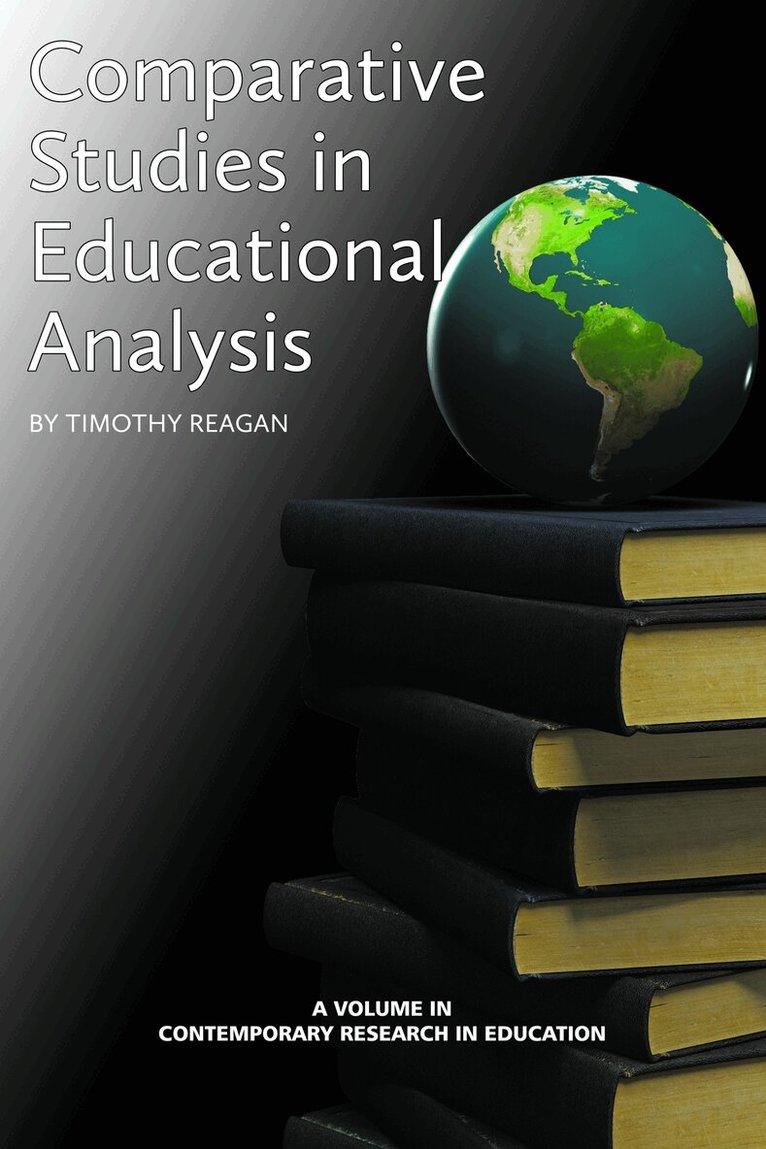
This book has a pedagogical goal in mind; it is not a scholarly work so much as an applied text informed by scholarship and research. The book’s goal is to provide individuals who are teaching courses in comparative and international education, educational administration, educational policy, and politics of education with a supplementary text that can be used to help their students develop skills in policy analysis, evaluation and development. As is explained in the book, the problem that we face with respect to having students engage in “hands-on” study of particular cases is that by focusing on real cases, students are faced with either virtually unlimited data, or insufficient data (or, indeed, paradoxically with both problems). In addition, students come to such cases with all sorts of preconceptions that can cloud judgment in a host of ways. By making use of fictitious case studies, though, we can carefully limit the amount of data with which students need to deal, and we can also minimize the challenges presented by the “baggage” that students might bring with them about particular real nations.
833 kr
Skickas inom 7-10 vardagar
This book has a pedagogical goal in mind; it is not a scholarly work so much as an applied text informed by scholarship and research. The book’s goal is to provide individuals who are teaching courses in comparative and international education, educational administration, educational policy, and politics of education with a supplementary text that can be used to help their students develop skills in policy analysis, evaluation and development. As is explained in the book, the problem that we face with respect to having students engage in “hands-on” study of particular cases is that by focusing on real cases, students are faced with either virtually unlimited data, or insufficient data (or, indeed, paradoxically with both problems). In addition, students come to such cases with all sorts of preconceptions that can cloud judgment in a host of ways. By making use of fictitious case studies, though, we can carefully limit the amount of data with which students need to deal, and we can also minimize the challenges presented by the “baggage” that students might bring with them about particular real nations.
515 kr
Skickas inom 7-10 vardagar
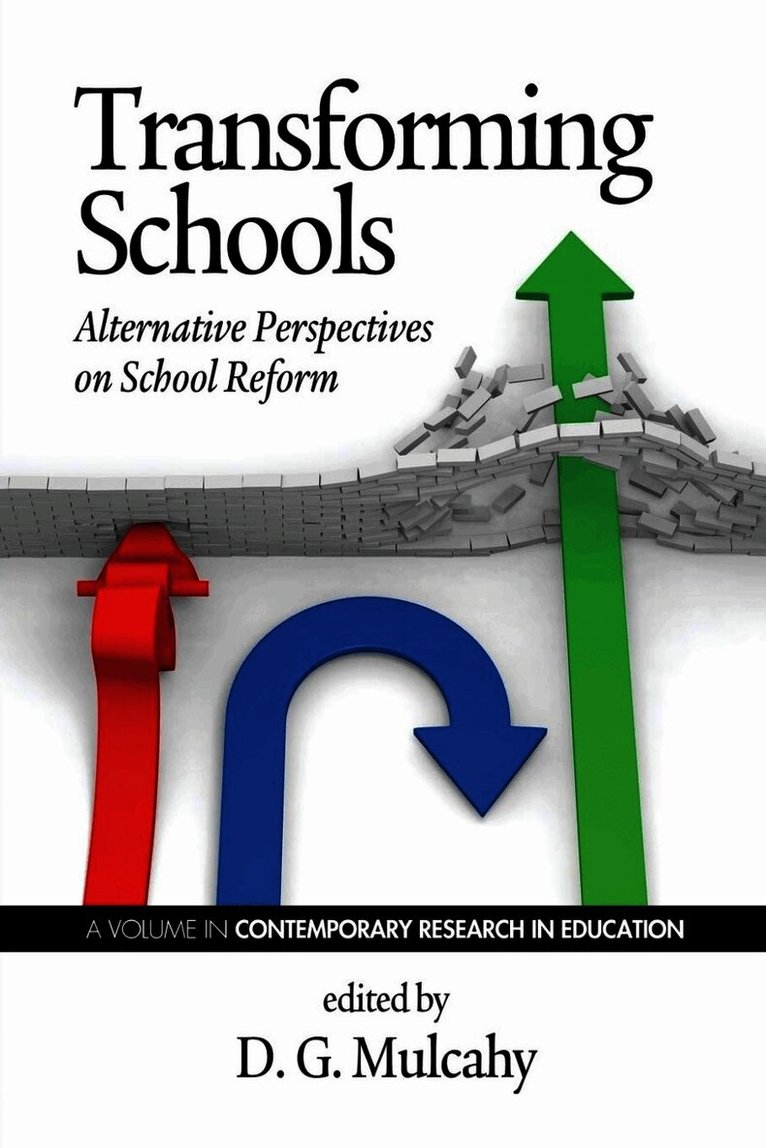
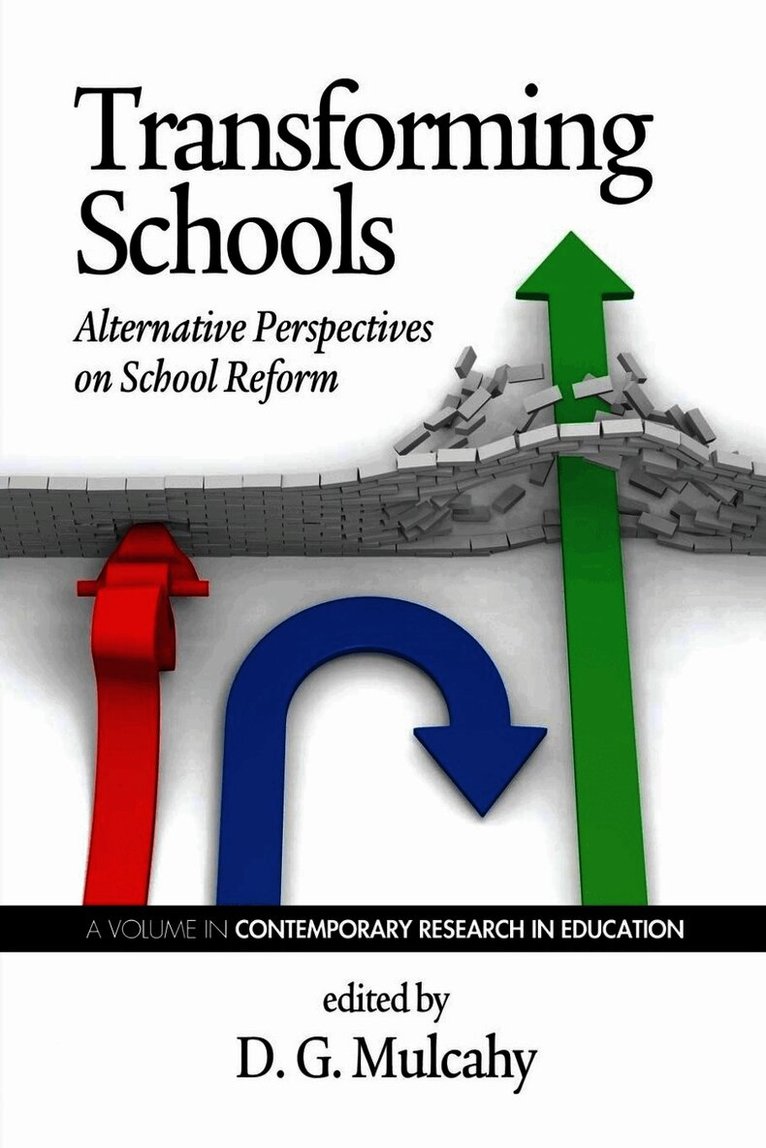
President Obama has on a number of occasions rejected policies that have been tried and do not work. Legislation such as No Child Left Behind and policies such as Race to the Top are neither effective nor based on sound research. Educational policy-making is now, more than ever, the preserve of politicians, advocacy foundations, and lobbyists parading as corporate leaders. Teachers have little voice; their role is merely to be held responsible for policies foisted upon them.In Transforming Schools: Alternative Perspectives on School Reform, our aim is to provide alternative perspectives to the dead-end educational policies by which our governments have become consumed. We turn the spotlight on a select range of topics that have become the focus of concern and we consider the implications for school improvement. These topics include school reform in general, the achievement gap, literacy, standardized assessment, social justice and ecojustice, aesthetic and moral education, and general education.
950 kr
Skickas inom 7-10 vardagar
President Obama has on a number of occasions rejected policies that have been tried and do not work. Legislation such as No Child Left Behind and policies such as Race to the Top are neither effective nor based on sound research. Educational policy-making is now, more than ever, the preserve of politicians, advocacy foundations, and lobbyists parading as corporate leaders. Teachers have little voice; their role is merely to be held responsible for policies foisted upon them.In Transforming Schools: Alternative Perspectives on School Reform, our aim is to provide alternative perspectives to the dead-end educational policies by which our governments have become consumed. We turn the spotlight on a select range of topics that have become the focus of concern and we consider the implications for school improvement. These topics include school reform in general, the achievement gap, literacy, standardized assessment, social justice and ecojustice, aesthetic and moral education, and general education.
515 kr
Skickas inom 7-10 vardagar
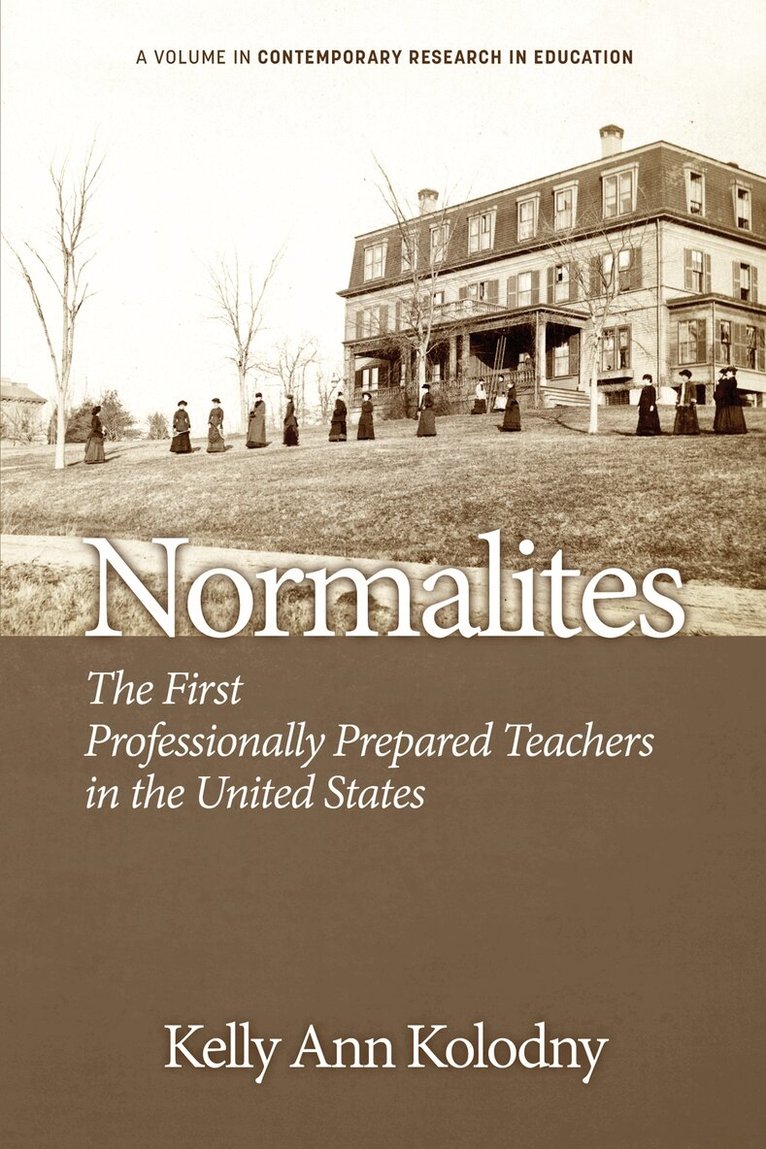
Normalites: The First Professionally Prepared Teachers in the United States is a new original work which explores the experiences of three women, Lydia Stow, Mary Swift and Louisa Harris, who were pioneers in the movement in teacher education as members of the first class of the nation's first state normal school established in Lexington, Massachusetts in 1839. The book is biographical, offering new insights derived from exceptional research into the development of the normal school movement from the perspectives of the students. While studies have provided analysis of the movement as a whole, as well as some of the leaders of the initiative, such as Horace Mann and Henry Barnard, there is a lack of rich, published information about the first groups of students. Understanding their accounts and experiences, however, provides a critical foreground to comprehending not only the complexity of the nineteenth century normal school movement but, more broadly, educational reform during this period.Arranged chronologically and in four parts, this book explores the experiences of Lydia Stow, Mary Swift and Louisa Harris during their normal school studies, their entrance into the world and commencement of their careers, the transitions in their personal and professional lives, and the building of their life work. Throughout these periods, their formal educational experiences, as well as broader moments of transformation, are considered and how life paths were shaped.This book will be of interest to undergraduate and graduate students and faculty connected to teacher preparation programs. More than 100,000 students are currently awarded baccalaureate degrees each year in Education. Over 80,000 of these students are women. Their experiences are rooted in the pioneering efforts of Lydia Stow, Mary Swift, and Louisa Harris at our nation's first state normal school. It is a particularly fitting time to share their experiences as the 175th anniversary of the start of formal, state sponsored teacher education, the normal school movement, will be celebrated in 2014.
950 kr
Skickas inom 7-10 vardagar
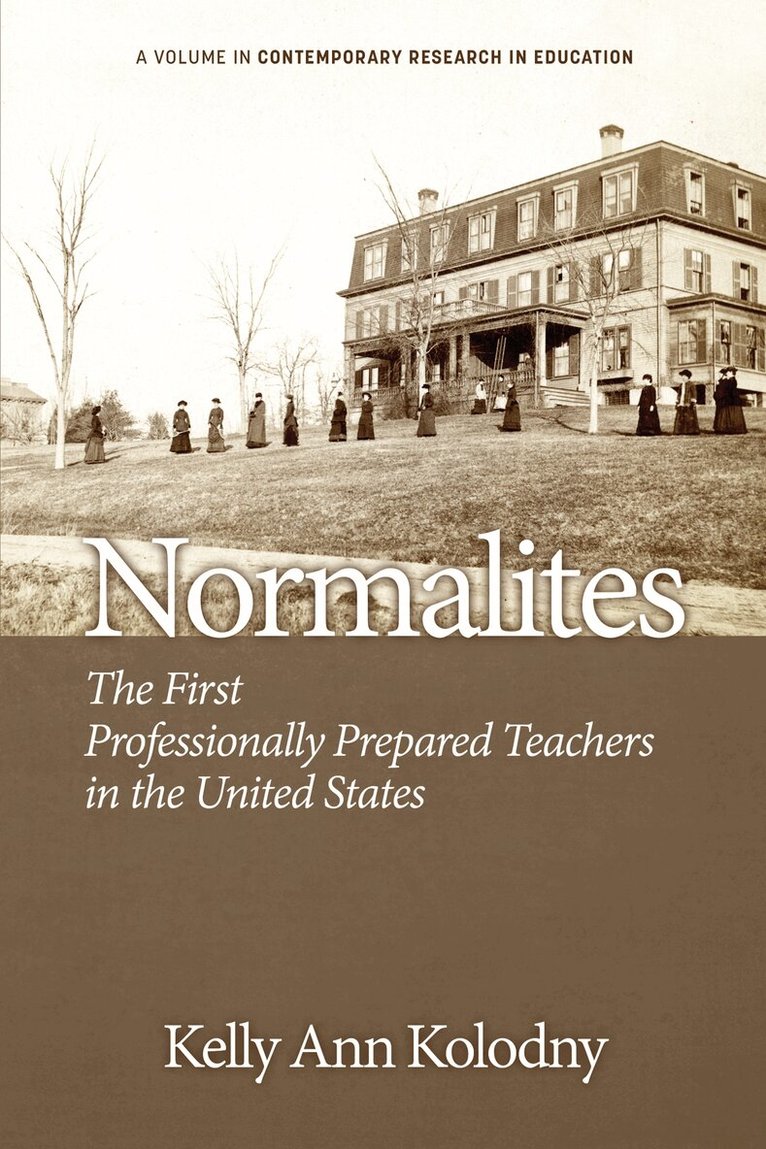
Normalites: The First Professionally Prepared Teachers in the United States is a new original work which explores the experiences of three women, Lydia Stow, Mary Swift and Louisa Harris, who were pioneers in the movement in teacher education as members of the first class of the nation's first state normal school established in Lexington, Massachusetts in 1839. The book is biographical, offering new insights derived from exceptional research into the development of the normal school movement from the perspectives of the students. While studies have provided analysis of the movement as a whole, as well as some of the leaders of the initiative, such as Horace Mann and Henry Barnard, there is a lack of rich, published information about the first groups of students. Understanding their accounts and experiences, however, provides a critical foreground to comprehending not only the complexity of the nineteenth century normal school movement but, more broadly, educational reform during this period.Arranged chronologically and in four parts, this book explores the experiences of Lydia Stow, Mary Swift and Louisa Harris during their normal school studies, their entrance into the world and commencement of their careers, the transitions in their personal and professional lives, and the building of their life work. Throughout these periods, their formal educational experiences, as well as broader moments of transformation, are considered and how life paths were shaped.This book will be of interest to undergraduate and graduate students and faculty connected to teacher preparation programs. More than 100,000 students are currently awarded baccalaureate degrees each year in Education. Over 80,000 of these students are women. Their experiences are rooted in the pioneering efforts of Lydia Stow, Mary Swift, and Louisa Harris at our nation's first state normal school. It is a particularly fitting time to share their experiences as the 175th anniversary of the start of formal, state sponsored teacher education, the normal school movement, will be celebrated in 2014.
Moments That Matter in the Learning and Development of Children
Reflections from Educators
Häftad, Engelska, 2020
452 kr
Skickas inom 7-10 vardagar
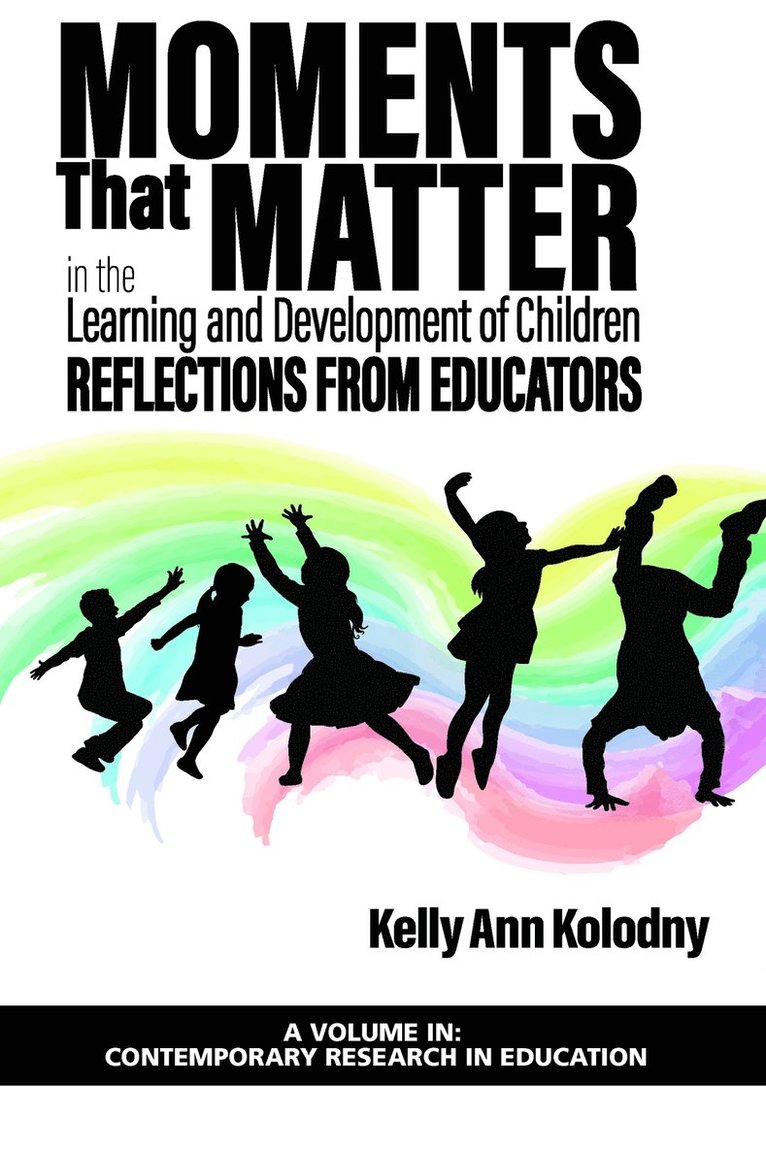
Moments that Matter in the Learning and Development of Children: Reflections from Educators explores the significant moments that unfold for young people in their schooling from the perspectives of teachers and school staff. Educators often reflect on “moments” as being a critical piece of their work with children. They can help make things better for students and produce a difference in lives. They are meaningful for young people, as well as consequential for teachers and school staff as they reflect on the outcomes of their efforts. Yet, as they are difficult to define and capture, these moments often are not studied for the value they offer. This book promotes awareness of these moments, as well as their connected meanings and possibilities. Recognizing the significance of moments extends an opportunity to situate schooling in broader contexts and to understand learners as whole embodied beings, engaged in social interactions, making sense of their surrounding world, and generating transformations in it. When educators reflect deeply about the possibilities connected to the moments they share with children, they recognize the multitude of opportunities that support their learning and development. They become “awake” to some of moments’ promises.
Moments That Matter in the Learning and Development of Children
Reflections from Educators
Inbunden, Engelska, 2020
833 kr
Skickas inom 7-10 vardagar
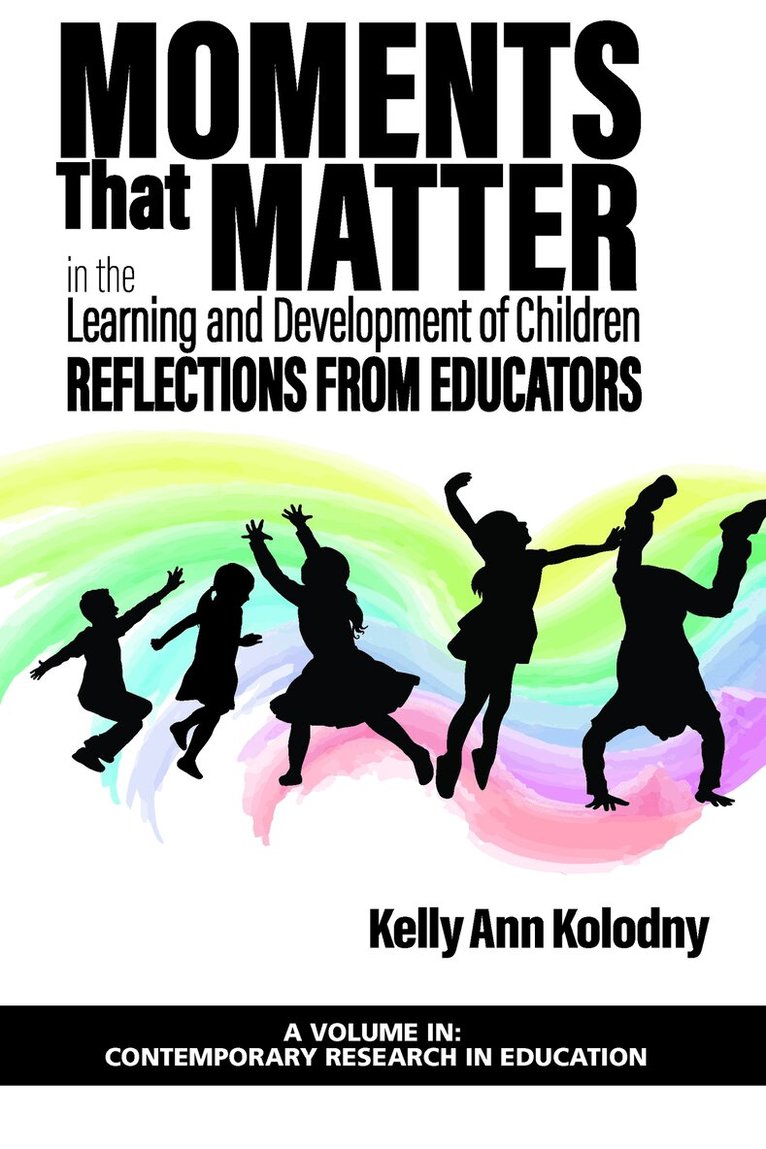
Moments that Matter in the Learning and Development of Children: Reflections from Educators explores the significant moments that unfold for young people in their schooling from the perspectives of teachers and school staff. Educators often reflect on “moments” as being a critical piece of their work with children. They can help make things better for students and produce a difference in lives. They are meaningful for young people, as well as consequential for teachers and school staff as they reflect on the outcomes of their efforts. Yet, as they are difficult to define and capture, these moments often are not studied for the value they offer. This book promotes awareness of these moments, as well as their connected meanings and possibilities. Recognizing the significance of moments extends an opportunity to situate schooling in broader contexts and to understand learners as whole embodied beings, engaged in social interactions, making sense of their surrounding world, and generating transformations in it. When educators reflect deeply about the possibilities connected to the moments they share with children, they recognize the multitude of opportunities that support their learning and development. They become “awake” to some of moments’ promises.