Cornell Studies in Comparative History – serie
Visar alla böcker i serien Cornell Studies in Comparative History. Handla med fri frakt och snabb leverans.
6 produkter
6 produkter
1 604 kr
Skickas inom 10-15 vardagar
As a contribution to multicausal analysis of social change, this is a major work. And, as a general introduction to European imperialism, its theoretical sophistication, broad sweep, and the clear presentation and organization of historical detail leave it with few peers.― American Journal of SociologyAlthough empires have shaped the political development of virtually all the states of the modern world, "imperialism" has not figured largely in the mainstream of scholarly literature. This book seeks to account for the imperial phenomenon and to establish its importance as a subject in the study of the theory of world politics. Michael Doyle believes that empires can best be defined as relationships of effective political control imposed by some political societies-those called metropoles-on other political societies-called peripheries. To build an explanation of the birth, life, and death of empires, he starts with an overview and critique of the leading theories of imperialism. Supplementing theoretical analysis with historical description, he considers episodes from the life cycles of empires from the classical and modern world, concentrating on the nineteenth-century scramble for Africa. He describes in detail the slow entanglement of the peripheral societies on the Nile and the Niger with metropolitan power, the survival of independent Ethiopia, Bismarck's manipulation of imperial diplomacy for European ends, the race for imperial possession in the 1880s, and the rapid setting of the imperial sun. Combining a sensitivity to historical detail with a judicious search for general patterns, Empires will engage the attention of social scientists in many disciplines.
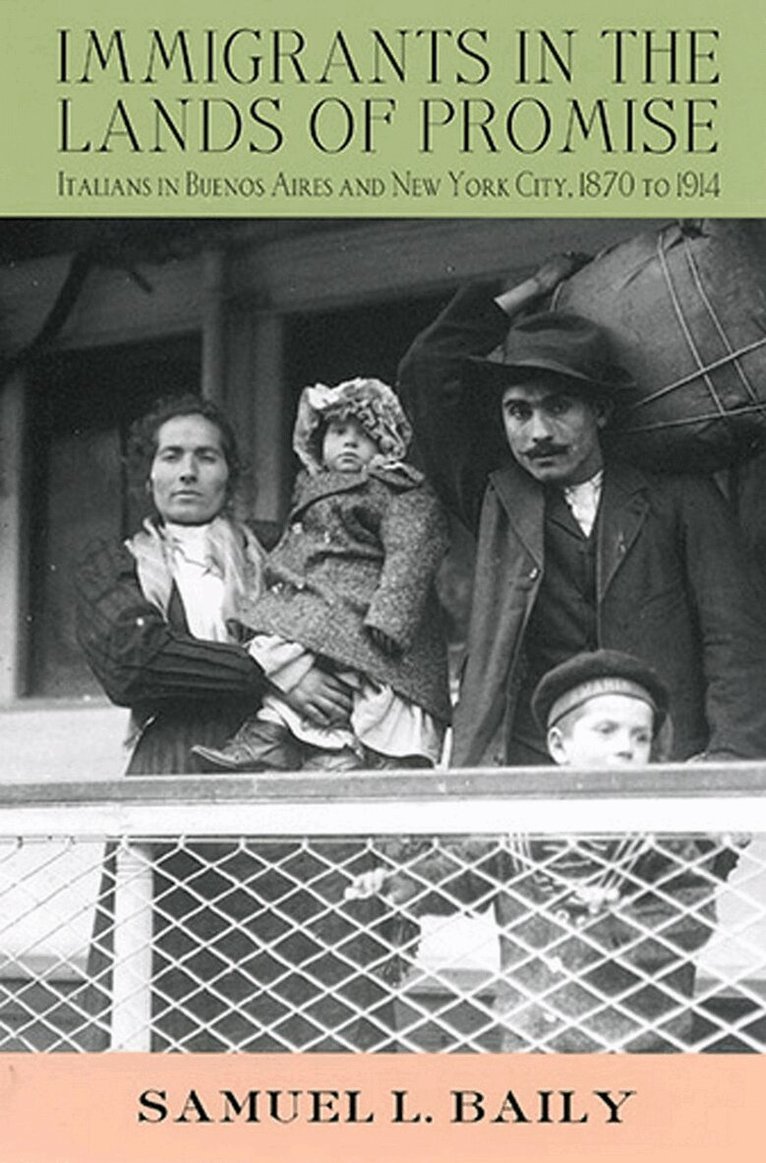
Immigrants in the Lands of Promise
Italians in Buenos Aires and New York City, 1870–1914
Inbunden, Engelska, 1999
1 136 kr
Skickas inom 10-15 vardagar
Most studies of immigration to the New World have focused on the United States. Samuel L. Baily's eagerly awaited book broadens that perspective through a comparative analysis of Italian immigrants to Buenos Aires and New York City before World War I. It is one of the few works to trace Italians from their villages of origin to different destinations abroad.Baily examines the adjustment of Italians in the two cities, comparing such factors as employment opportunities, skill levels, pace of migration, degree of prejudice, and development of the Italian community. Of the two destinations, Buenos Aires offered Italians more extensive opportunities, and those who elected to move there tended to have the appropriate education or training to succeed. These immigrants, who adjusted more rapidly than their North American counterparts, adopted a long-term strategy of investing savings in their New World home. In New York, in contrast, the immigrants found fewer skilled and white-collar jobs, more competition from previous immigrant groups, greater discrimination, and a less supportive Italian enclave. As a result, rather than put down roots, many sought to earn money as rapidly as possible and send their earnings back to family in Italy.Baily views the migration process as a global phenomenon. Building on his richly documented case studies, the author briefly examines Italian communities in San Francisco, Toronto, and Sao Paulo. He establishes a continuum of immigrant adjustment in urban settings, creating a landmark study in both immigration and comparative history.
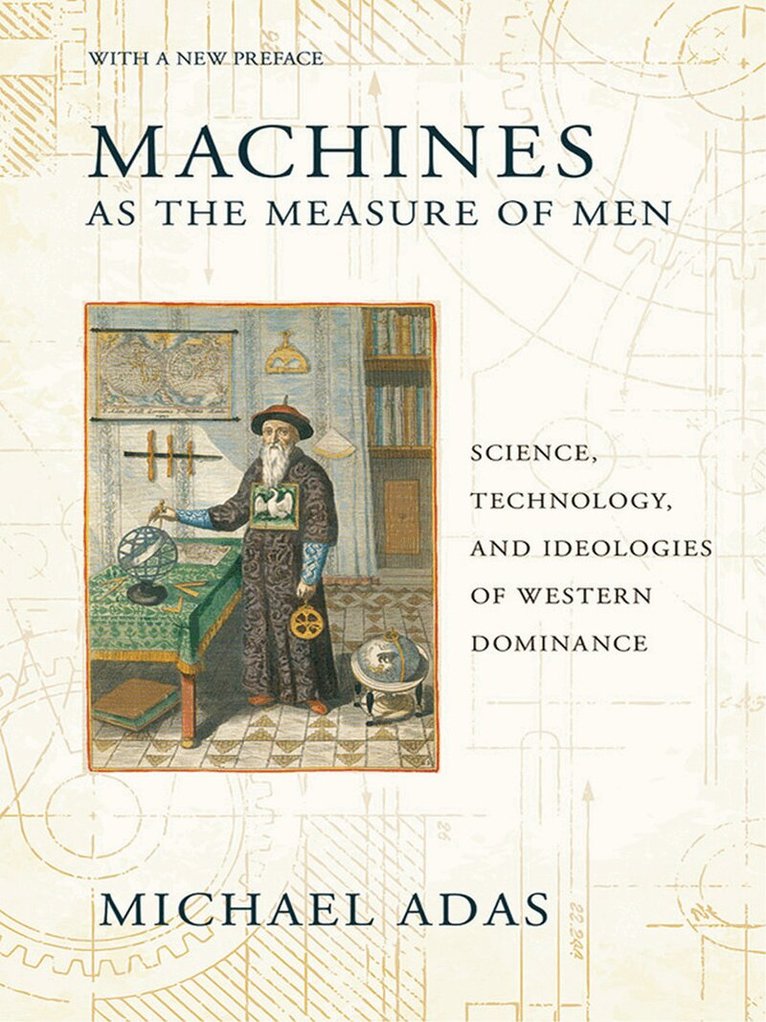
Machines As the Measure of Men
Science, Technology, and Ideologies of Western Dominance
Häftad, Engelska, 2015
434 kr
Skickas inom 10-15 vardagar
Over the past five centuries, advances in Western understanding of and control over the material world have strongly influenced European responses to non-Western peoples and cultures. In Machines as the Measure of Men, Michael Adas explores the ways in which European perceptions of their scientific and technological superiority shaped their interactions with people overseas. Adopting a broad, comparative perspective, he analyzes European responses to the cultures of sub-Saharan Africa, India, and China, cultures that they judged to represent lower levels of material mastery and social organization.Beginning with the early decades of overseas expansion in the sixteenth century, Adas traces the impact of scientific and technological advances on European attitudes toward Asians and Africans and on their policies for dealing with colonized societies. He concentrates on British and French thinking in the nineteenth century, when, he maintains, scientific and technological measures of human worth played a critical role in shaping arguments for the notion of racial supremacy and the "civilizing mission" ideology which were used to justify Europe's domination of the globe. Finally, he examines the reasons why many Europeans grew dissatisfied with and even rejected this gauge of human worth after World War I, and explains why it has remained important to Americans.Showing how the scientific and industrial revolutions contributed to the development of European imperialist ideologies, Machines as the Measure of Men highlights the cultural factors that have nurtured disdain for non-Western accomplishments and value systems. It also indicates how these attitudes, in shaping policies that restricted the diffusion of scientific knowledge, have perpetuated themselves, and contributed significantly to chronic underdevelopment throughout the developing world. Adas's far-reaching and provocative book will be compelling reading for all who are concerned about the history of Western imperialism and its legacies.First published to wide acclaim in 1989, Machines as the Measure of Men is now available in a new edition that features a preface by the author that discusses how subsequent developments in gender and race studies, as well as global technology and politics, enter into conversation with his original arguments.
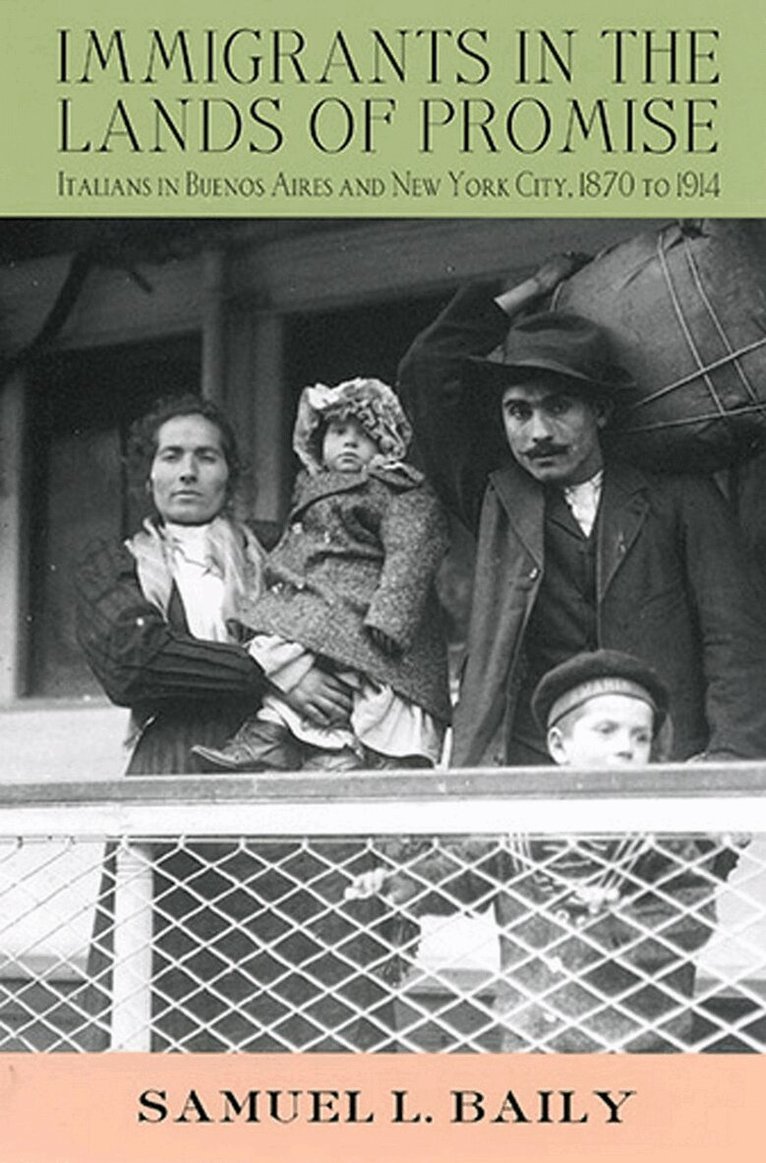
Immigrants in the Lands of Promise
Italians in Buenos Aires and New York City, 1870–1914
Häftad, Engelska, 2004
338 kr
Skickas inom 10-15 vardagar
Most studies of immigration to the New World have focused on the United States. Samuel L. Baily's eagerly awaited book broadens that perspective through a comparative analysis of Italian immigrants to Buenos Aires and New York City before World War I. It is one of the few works to trace Italians from their villages of origin to different destinations abroad.Baily examines the adjustment of Italians in the two cities, comparing such factors as employment opportunities, skill levels, pace of migration, degree of prejudice, and development of the Italian community. Of the two destinations, Buenos Aires offered Italians more extensive opportunities, and those who elected to move there tended to have the appropriate education or training to succeed. These immigrants, who adjusted more rapidly than their North American counterparts, adopted a long-term strategy of investing savings in their New World home. In New York, in contrast, the immigrants found fewer skilled and white-collar jobs, more competition from previous immigrant groups, greater discrimination, and a less supportive Italian enclave. As a result, rather than put down roots, many sought to earn money as rapidly as possible and send their earnings back to family in Italy.Baily views the migration process as a global phenomenon. Building on his richly documented case studies, the author briefly examines Italian communities in San Francisco, Toronto, and Sao Paulo. He establishes a continuum of immigrant adjustment in urban settings, creating a landmark study in both immigration and comparative history.
434 kr
Skickas inom 10-15 vardagar
As a contribution to multicausal analysis of social change, this is a major work. And, as a general introduction to European imperialism, its theoretical sophistication, broad sweep, and the clear presentation and organization of historical detail leave it with few peers.― American Journal of SociologyAlthough empires have shaped the political development of virtually all the states of the modern world, "imperialism" has not figured largely in the mainstream of scholarly literature. This book seeks to account for the imperial phenomenon and to establish its importance as a subject in the study of the theory of world politics. Michael Doyle believes that empires can best be defined as relationships of effective political control imposed by some political societies-those called metropoles-on other political societies-called peripheries. To build an explanation of the birth, life, and death of empires, he starts with an overview and critique of the leading theories of imperialism. Supplementing theoretical analysis with historical description, he considers episodes from the life cycles of empires from the classical and modern world, concentrating on the nineteenth-century scramble for Africa. He describes in detail the slow entanglement of the peripheral societies on the Nile and the Niger with metropolitan power, the survival of independent Ethiopia, Bismarck's manipulation of imperial diplomacy for European ends, the race for imperial possession in the 1880s, and the rapid setting of the imperial sun. Combining a sensitivity to historical detail with a judicious search for general patterns, Empires will engage the attention of social scientists in many disciplines.
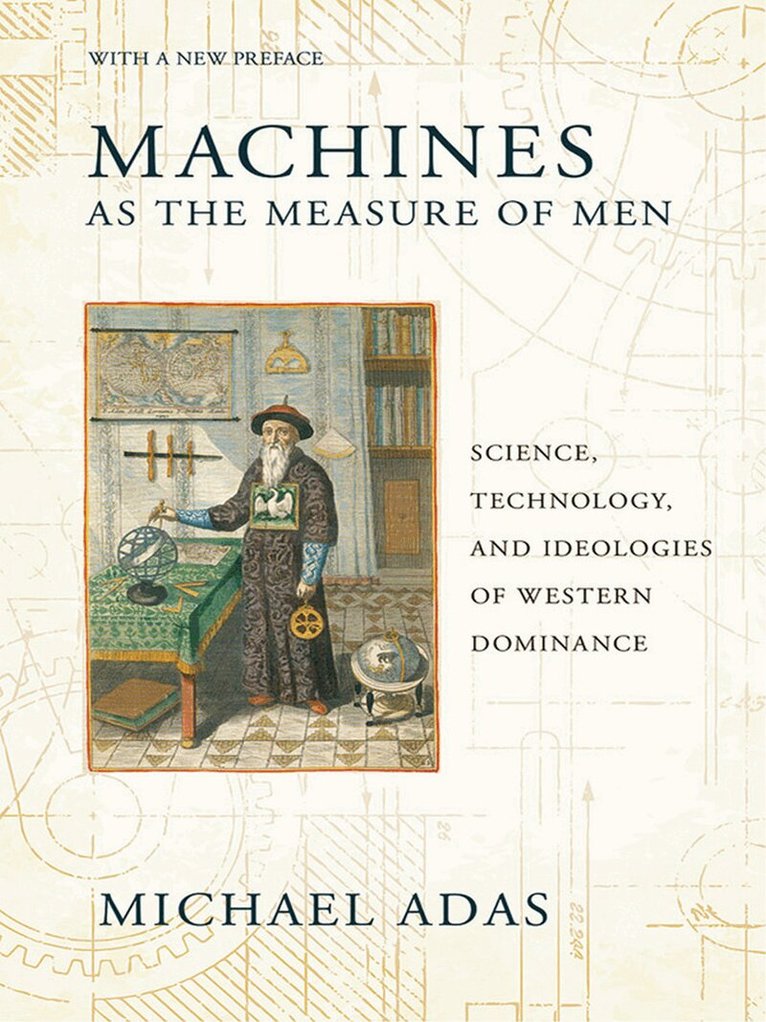
Machines As the Measure of Men
Science, Technology, and Ideologies of Western Dominance
Inbunden, Engelska, 2015
599 kr
Skickas inom 10-15 vardagar
Over the past five centuries, advances in Western understanding of and control over the material world have strongly influenced European responses to non-Western peoples and cultures. In Machines as the Measure of Men, Michael Adas explores the ways in which European perceptions of their scientific and technological superiority shaped their interactions with people overseas. Adopting a broad, comparative perspective, he analyzes European responses to the cultures of sub-Saharan Africa, India, and China, cultures that they judged to represent lower levels of material mastery and social organization.Beginning with the early decades of overseas expansion in the sixteenth century, Adas traces the impact of scientific and technological advances on European attitudes toward Asians and Africans and on their policies for dealing with colonized societies. He concentrates on British and French thinking in the nineteenth century, when, he maintains, scientific and technological measures of human worth played a critical role in shaping arguments for the notion of racial supremacy and the "civilizing mission" ideology which were used to justify Europe's domination of the globe. Finally, he examines the reasons why many Europeans grew dissatisfied with and even rejected this gauge of human worth after World War I, and explains why it has remained important to Americans.Showing how the scientific and industrial revolutions contributed to the development of European imperialist ideologies, Machines as the Measure of Men highlights the cultural factors that have nurtured disdain for non-Western accomplishments and value systems. It also indicates how these attitudes, in shaping policies that restricted the diffusion of scientific knowledge, have perpetuated themselves, and contributed significantly to chronic underdevelopment throughout the developing world. Adas's far-reaching and provocative book will be compelling reading for all who are concerned about the history of Western imperialism and its legacies.First published to wide acclaim in 1989, Machines as the Measure of Men is now available in a new edition that features a preface by the author that discusses how subsequent developments in gender and race studies, as well as global technology and politics, enter into conversation with his original arguments.