Cornerstones of Military History – serie
Visar alla böcker i serien Cornerstones of Military History. Handla med fri frakt och snabb leverans.
2 produkter
2 produkter
269 kr
Skickas inom 10-15 vardagar
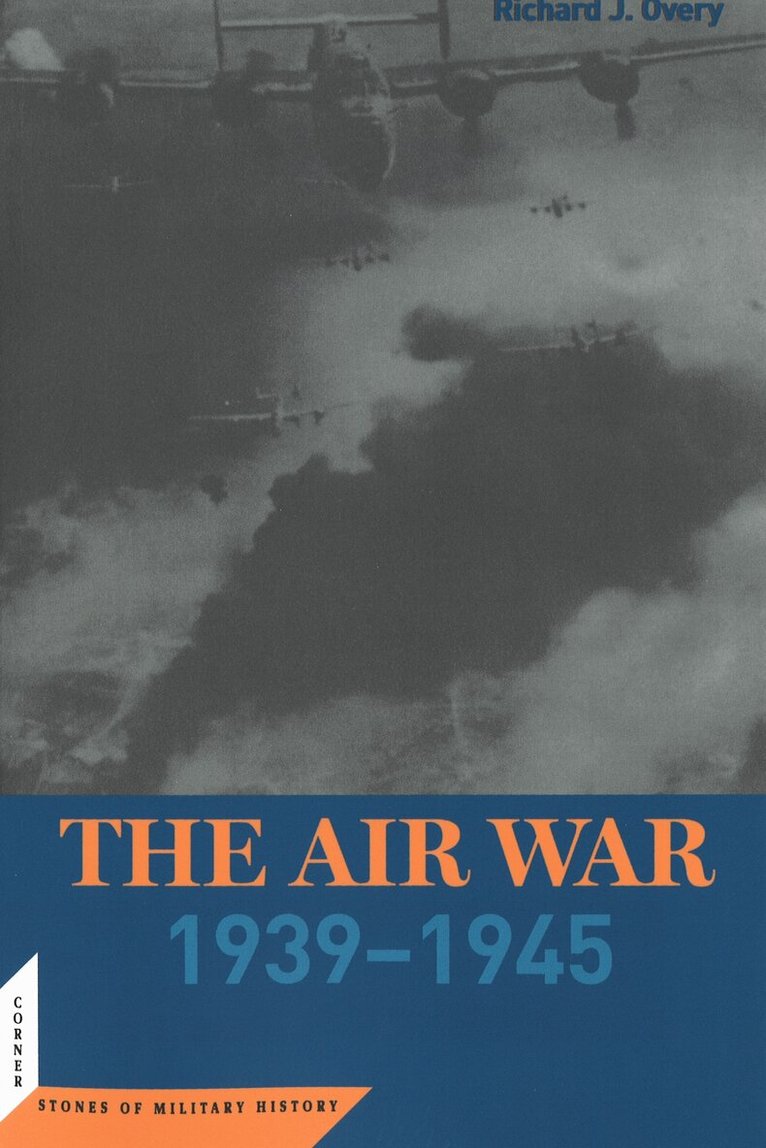
Originally published in 1980 and still the best one-volume aerial history of World War II, Richard Overy's classic work remains profound and highly origi-nal. Far from just an account of the various air battles, Professor Overy treats the air war as a complex and fascinating historical web, woven out of grand strategy, economic mobilization, the recruitment of science, and the nature of leadership and training. Analyzing the achievements and failures of the aerial component of the war, he places it in perspective by explaining the role aviation played in the overall conflict. He points out that while the Axis powers tended to limit their use of air power to one major role, such as support of ground forces, the Allies exploited all aspects of aerial doctrine: air defense, strategic bombardment, air-naval cooperation, and ground support. He also demonstrates how aircraft ensured that the Second World War became a people's war and how success in the air war was, in a very real sense, a test of a nation's modernity. The air war was won and lost not only in the skies but also in the factories and the research institutes. Finally, the author dispels many popular myths and in particular reveals that although air power in the form of strategic bombing by itself did not deter-mine the war's final outcome, its use dramatically illustrated the complexities of managing modern war. Richard Overy's The Air War thus deepens our under-standing not only of World War II but of military history in general.
283 kr
Skickas inom 10-15 vardagar
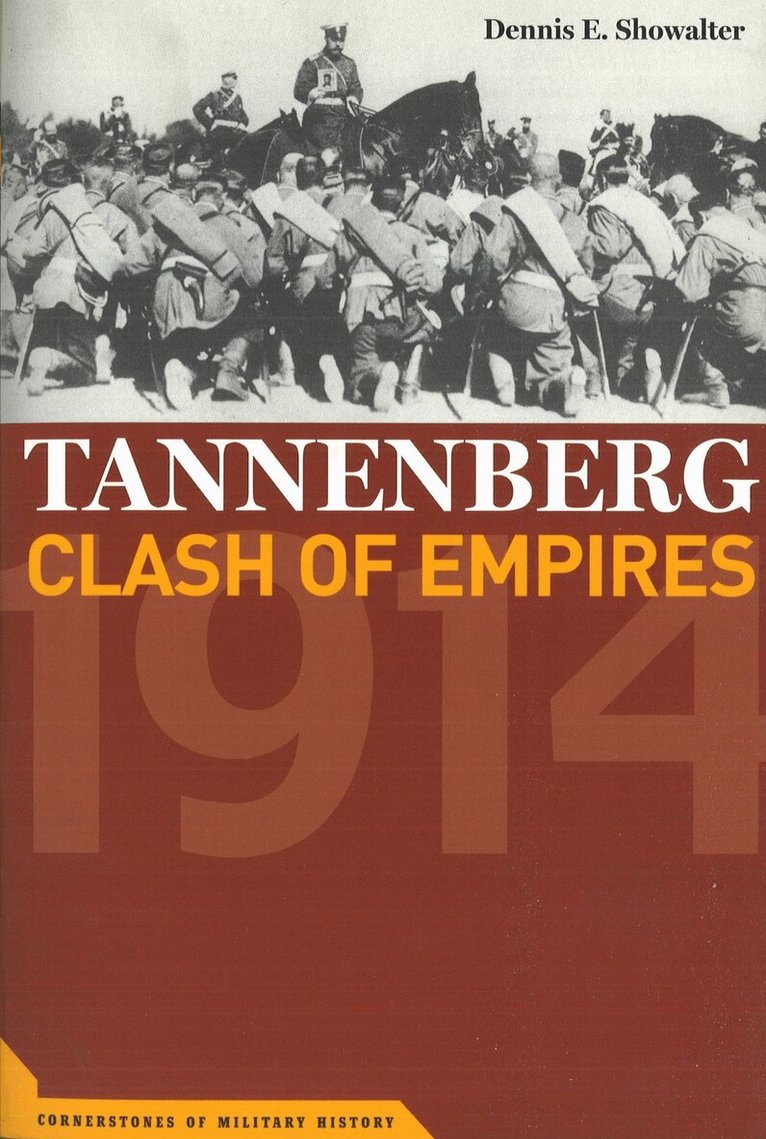
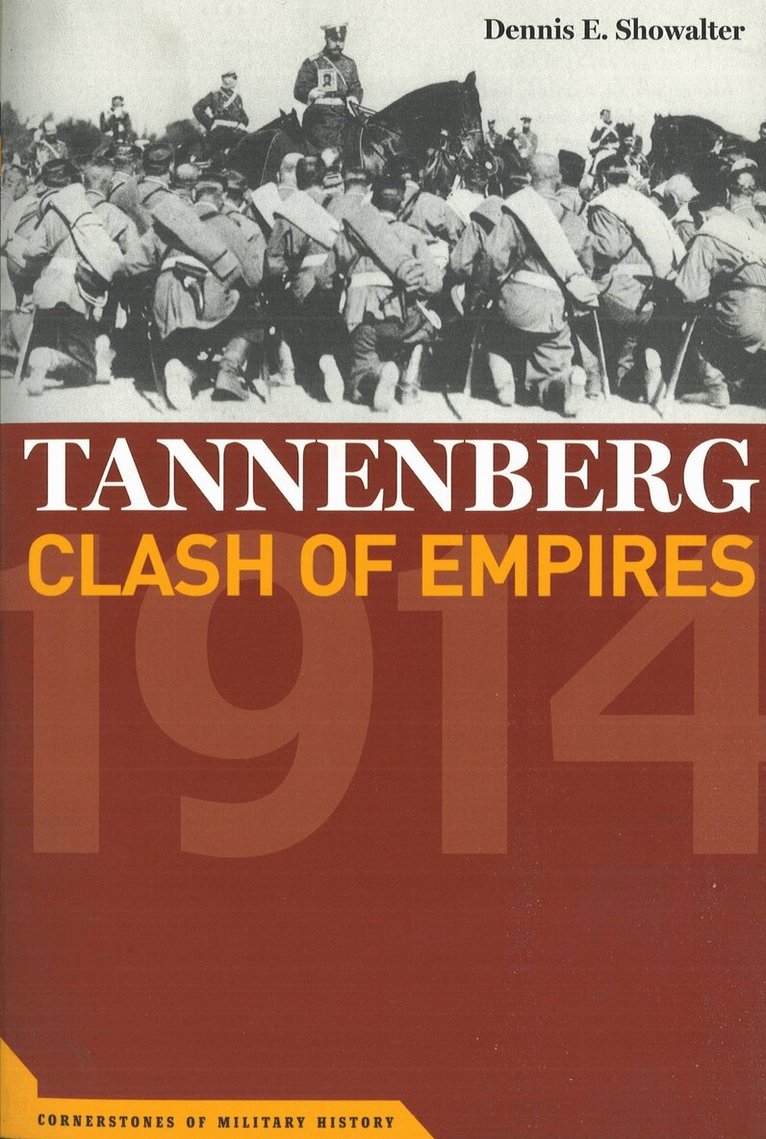
The battle of Tannenberg (August 27–30, 1914) opened World War I with a decisive German victory over Russia-indeed the Kaiser’s only clear-cut victory in a non-attritional battle during four years of war. In this first paperback edition of the classic work, historian Dennis Showalter analyzes this battle’s causes, effects, and implications for subsequent German military policy. The author carefully guides the reader through what actually happened on the battlefield, from its grand strategy down to the level of improvised squad actions. Examining the battle in the context of contemporary diplomatic, political, and economic affairs, Showalter also reviews both armies’ social settings and military doctrine, and shows how the battle may be understood as a case study of problems that military organizations face in the initial stages of a major war. In addition, he demolishes many myths about the battle, such as the supposed superiority of the German military, the animosity among Russian field commanders, and the assumption that the Germans viewed their opponents as a horde of uniformed illiterates.Tannenberg’s mystique later served the Weimar Republic and Third Reich propagandists. For years its legends helped to shape German nationalist ideology and military policy. In 1941, Hitler’s Wehrmacht grossly underestimated Soviet military capability, leading to disaster in World War II.