Richard Overy – författare
Visar alla böcker från författaren Richard Overy. Handla med fri frakt och snabb leverans.
83 produkter
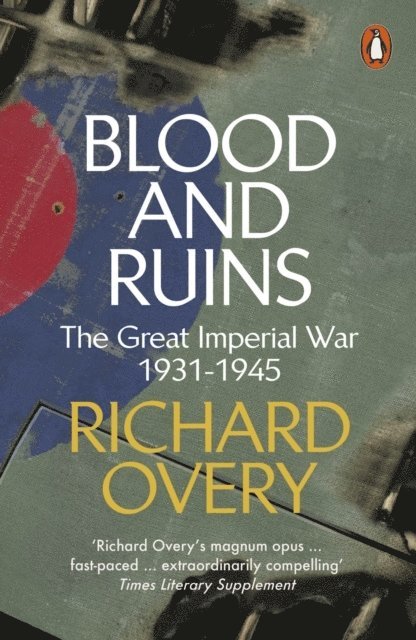
Blood and Ruins
The Great Imperial War, 1931-1945
Häftad, 2023
214 kr
Lägg i varukorg
A NEW YORK TIMES BESTSELLERWINNER OF THE DUKE OF WELLINGTON MEDAL FOR MILITARY HISTORYSHORTLISTED FOR THE GILDER LEHRMAN PRIZE FOR MILITARY HISTORY'A masterpiece. It puts all previous single-volume works of the conflict in the shade' Saul David, The TimesA bold new approach to the Second World War …
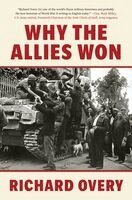
Why The Allies Won
Häftad, 2006
187 kr
Lägg i varukorg
'Outstanding...Overy has written a masterpiece of analytical history, posing and answering one of the great questions of the century' Niall Ferguson, Sunday TimesThe Allied victory in 1945 – though comprehensive – was far from inevitable. By 1942 almost the entire resources of continental Europe …
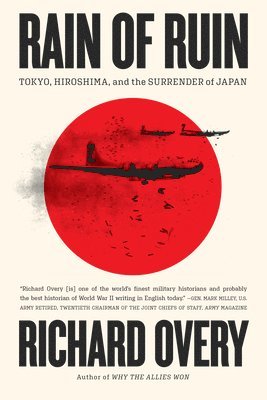
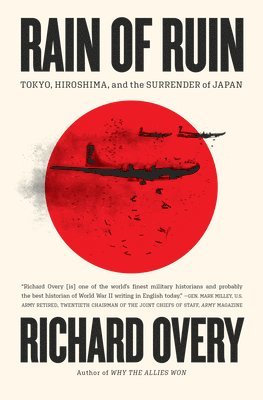
Rain of Ruin
Tokyo, Hiroshima, and the Surrender of Japan
Häftad, 2026
266 kr
Lägg i varukorg
With the development of the B-29 "Superfortress" in summer 1944, strategic bombing, a central component of the Allied war effort against Germany, arrived in the Pacific theater. In 1945 Japan experienced the three most deadly bombing attacks of the war. The firebombing of Tokyo in March burned the …
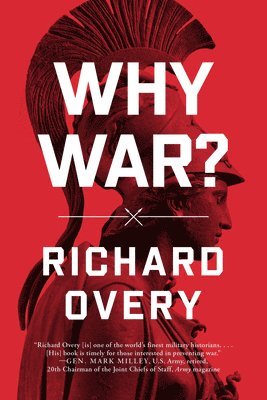
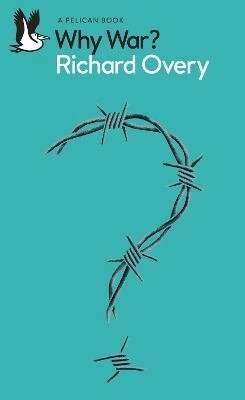
Why War?
Häftad, 2025
136 kr
Lägg i varukorg
A richly absorbing book... Overy is unquestionably one of our finest living historians - The Daily TelegraphWhy has warfare always been part of the human story?From biology to belief, what explains the persistence of violent conflict?What light can this shed on humanity’s past – and its …
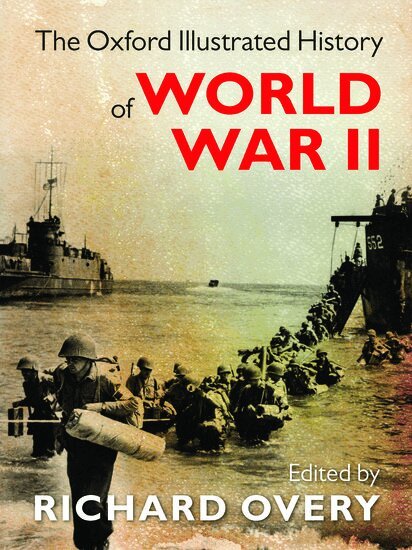
The Oxford Illustrated History of World War Two
Inbunden, 2015
4,0 utav 5 stjärnor. Totalt antal röster: (1)
421 kr
Lägg i varukorg
World War Two was the most devastating conflict in recorded human history. It was both global in extent and total in character. It has understandably left a long and dark shadow across the decades. Yet it is three generations since hostilities formally ended in 1945 and the conflict is now a lived …
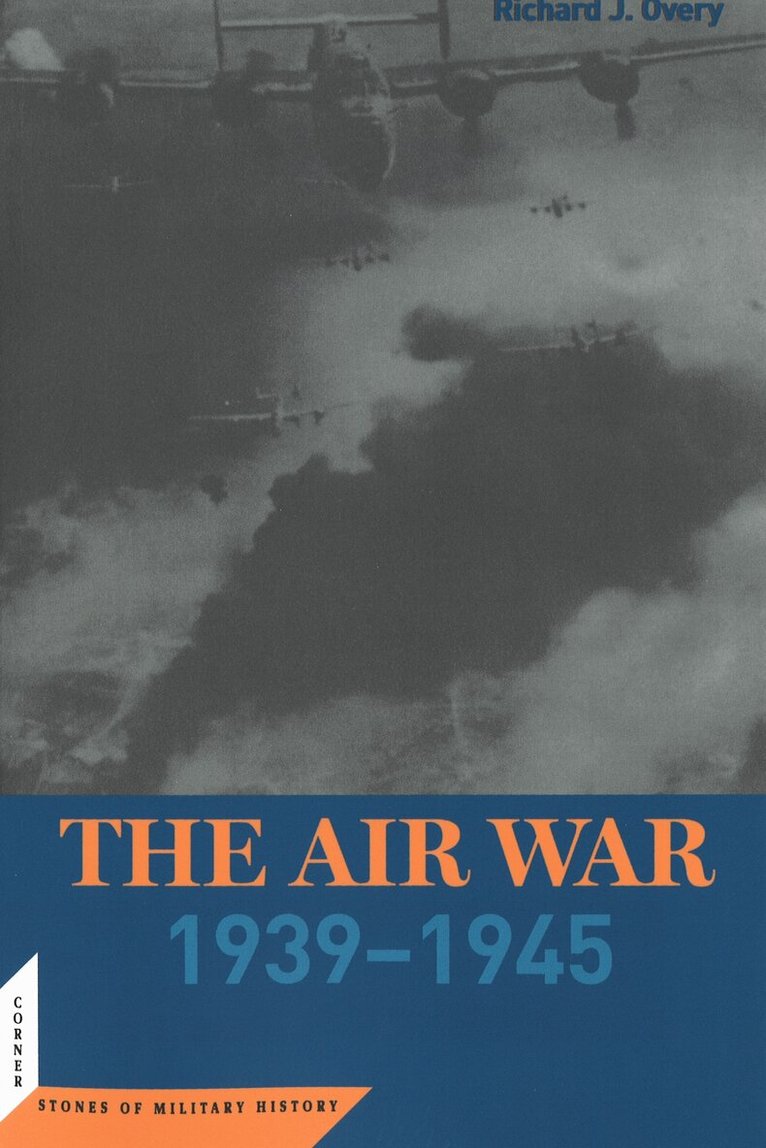
Air War
1939-45
Häftad, 2005, 15+ år
284 kr
Lägg i varukorg
Originally published in 1980 and still the best one-volume aerial history of World War II, Richard Overy's classic work remains profound and highly origi-nal. Far from just an account of the various air battles, Professor Overy treats the air war as a complex and fascinating historical web, woven …
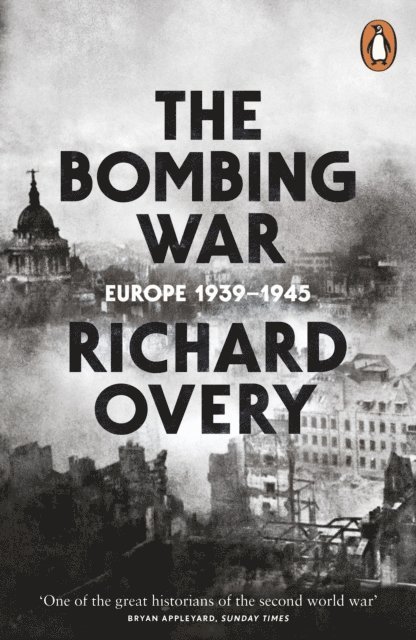
Bombing War
Europe, 1939-1945
Häftad, 2014
220 kr
Lägg i varukorg
The ultimate history of the Blitz and bombing in the Second World War, from Wolfson Prize-winning historian and author Richard OveryThe use of massive fleets of bombers to kill and terrorize civilians was an aspect of the Second World War which continues to challenge the idea that Allies …
Why the Allies Won
Häftad, 2026
266 kr
Lägg i varukorg
The Allied victory in 1945 has since come to seem inevitable, but it was not. In 1942, Germany controlled almost the entire resources of continental Europe, Japan had wiped out the Western colonial presence in East Asia, the Soviet Union had lost its industrial heart, and the United States was not …
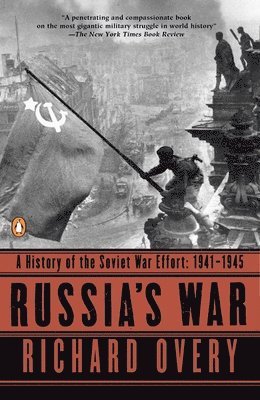
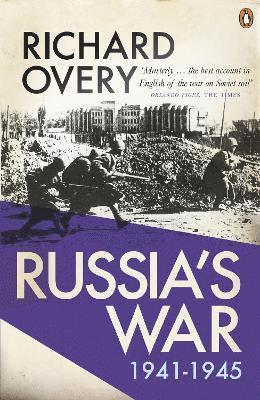
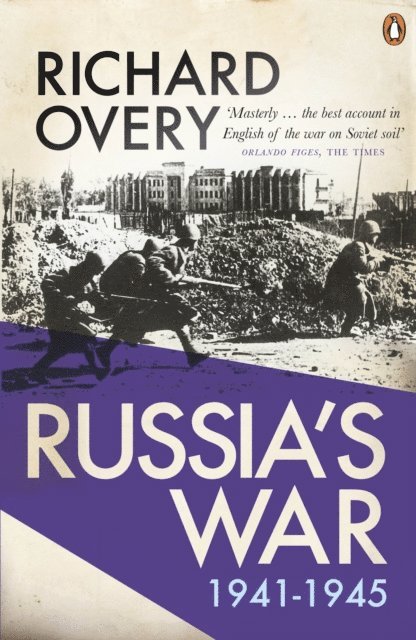
Russia's War
Häftad, 2010
192 kr
Lägg i varukorg
In Russia's War: 1941-1945, Richard Overy re-creates the Soviet Union's apocalyptic struggle against Nazi Germany, from the point of view both of the troops and of the ordinary civilians.In the course of human history there has probably been no more terrible place than Eastern Europe in 1941-45. …
Rain of Ruin - Tokyo, Hiroshima, and the Surrender of Japan
Tokyo, Hiroshima, and the Surrender of Japan
Inbunden, 2025
357 kr
Lägg i varukorg
A leading historian of World War II sheds new light on the purposes and impact of the U.S. incendiary and atomic bombing of Japan's cities in 1945.
Goering
The Iron Man
Häftad, 2020
368 kr
Lägg i varukorg
Published in the Bloomsbury Revelations series and featuring a new preface by the author, this classic biography by acclaimed historian Richard Overy takes the reader on a chilling journey into the heart of Hitler's inner circle.Hermann Goering was Hitler's most loyal supporter, his designated …
Times Complete History of the World
Inbunden, 2015
5,0 utav 5 stjärnor. Totalt antal röster: (1)
933 kr
Lägg i varukorg
The ultimate work of historical reference‘The Times Complete History of the World’ is the most comprehensive, authoritative and accessible work on world history available today. It has sold over 2.25 million copies and has been translated into 18 languages since its first publication in 1978. With …
Origins of the Second World War
Häftad, 2022
636 kr
Lägg i varukorg
Now in its fifth edition, The Origins of the Second World War explores the reasons why the Second World War broke out in September 1939 and why a European conflict developed into a war that spanned the globe.This book argues that the global conflict was not just ‘Hitler’s War’ but one that had its …
Times History of the World
E-bok, 2009
102 kr
Lägg i varukorg
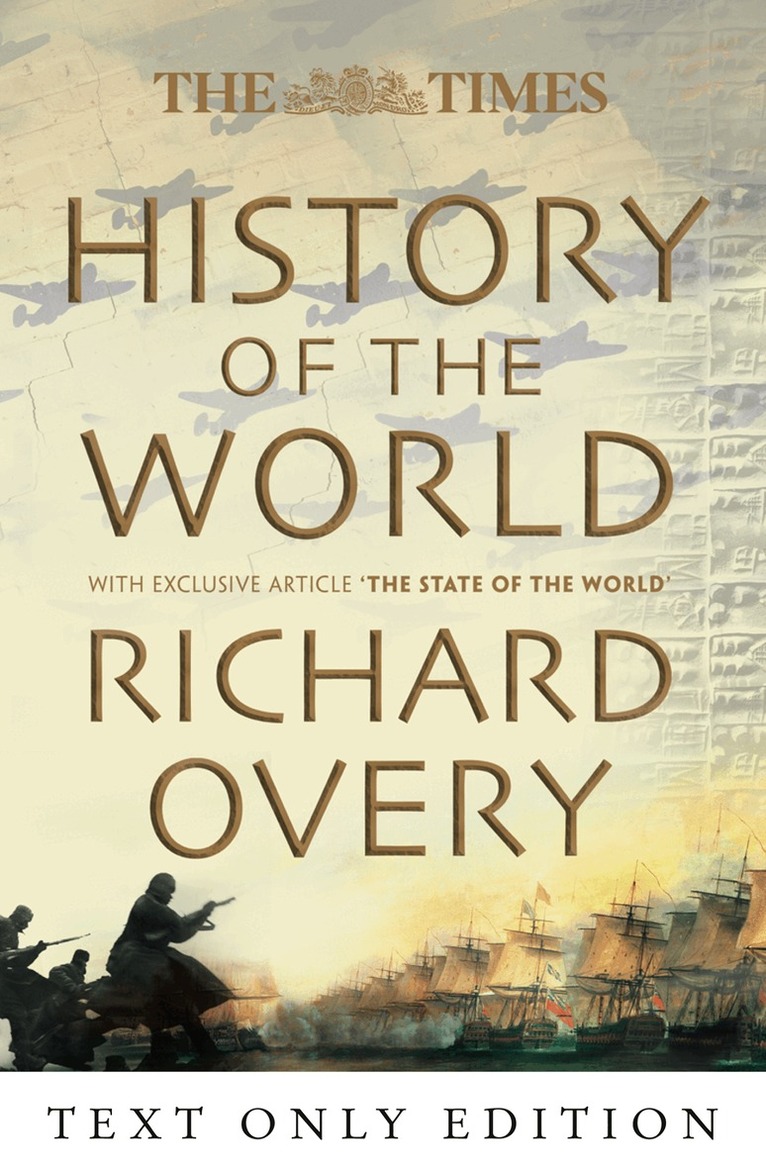
Discover the scope of the world’s history* With exclusive article by Richard Overy *Beginning with the story of early man, and culminating in the rise of global terrorism and environmental issues, the text is a breathtaking and unrivalled narrative which includes voyages of discovery, revolutions …
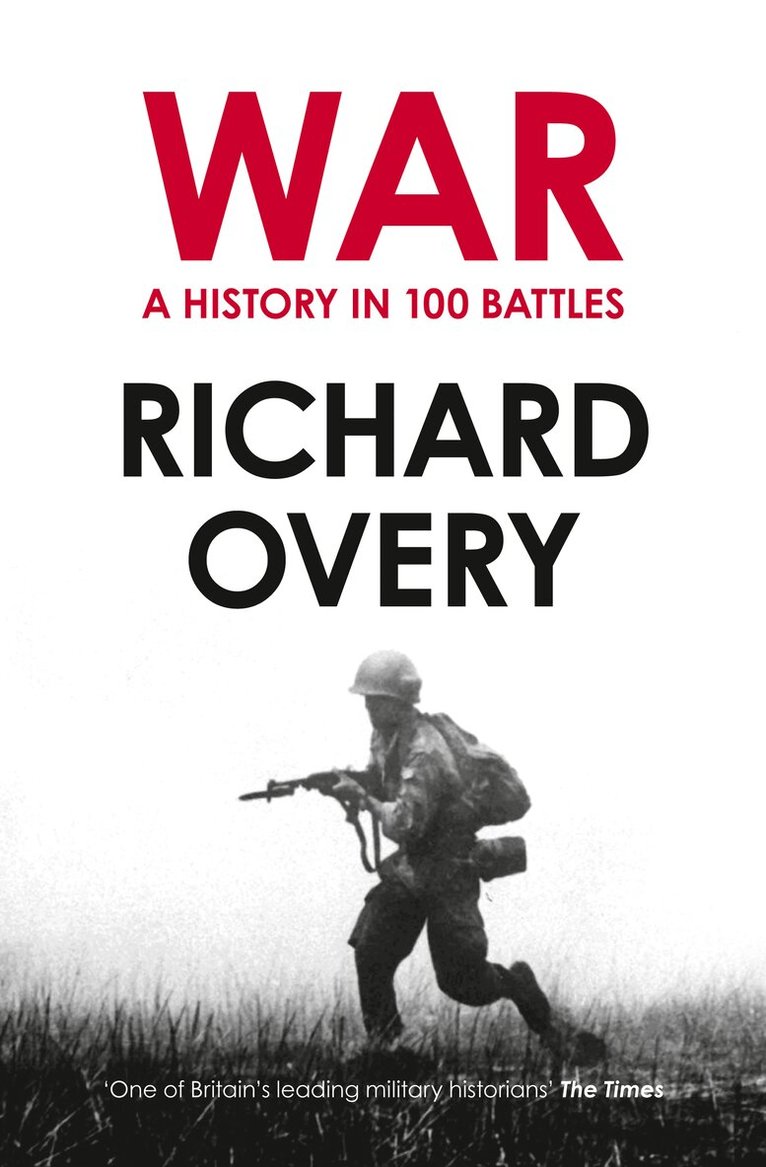
War
A History in 100 Battles
Häftad, 2016
157 kr
Lägg i varukorg
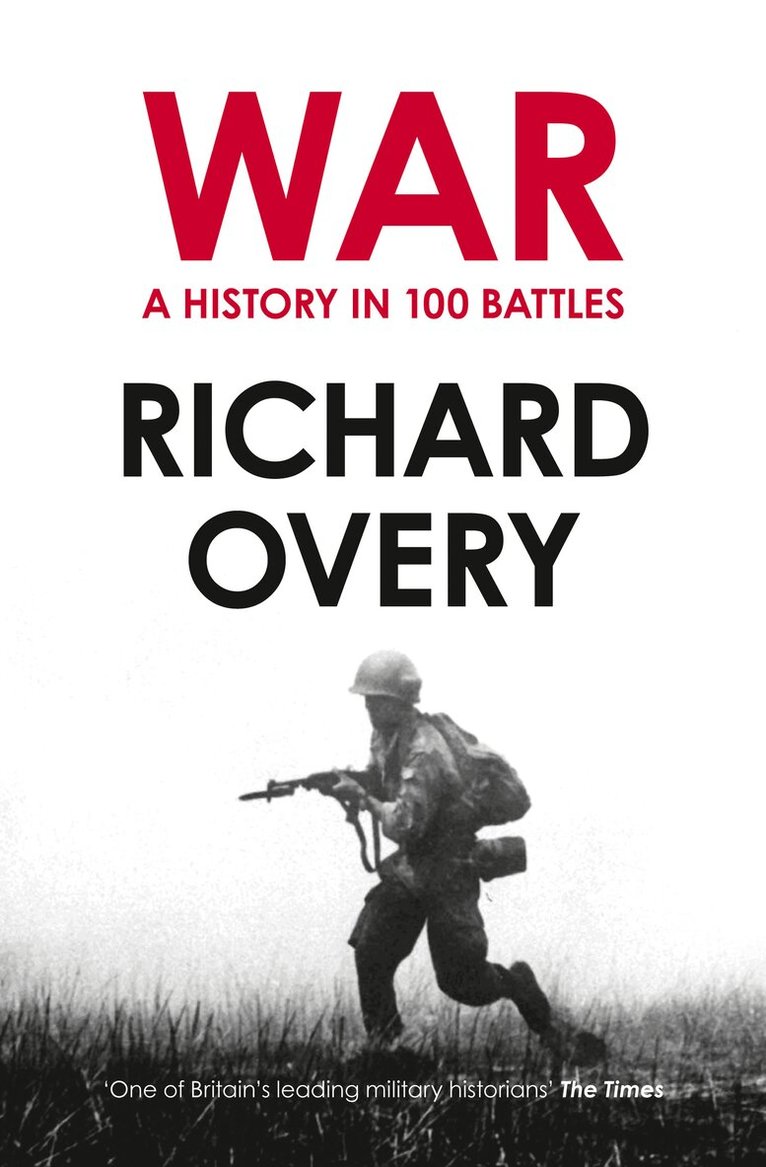
The object of this book is to introduce readers to a whole range of military history which has all the drama, dangers, horrors and excitement that we associate with Stalingrad or the Somme. Battles are acute moments of history whenever and wherever they have been fought. Through them we can …
History of War in 100 Battles
E-bok, 2014
102 kr
Lägg i varukorg
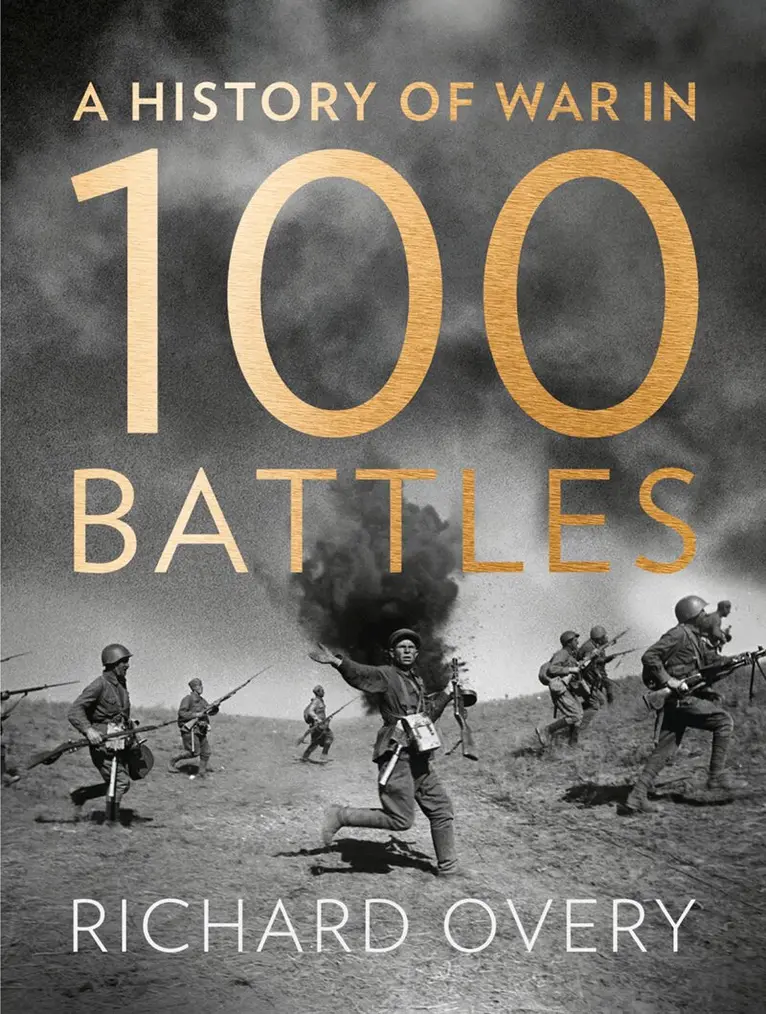
A history of warfare distilled into 100 momentous battles – epic moments that have shaped our world.From the earliest recorded skirmishes of the ancient world to the computerized conflicts of today, renowned military historian Richard Overy dramatically brings to life the sights and sounds of the …
War
A History in 100 Battles
Ljudbok, 2016
257 kr
Lägg i varukorg
The object of this book is to introduce readers to a whole range of military history which has all the drama, dangers, horrors and excitement that we associate with Stalingrad or the Somme. Battles are acute moments of history whenever and wherever they have been fought. Through them we can …
War
A History in 100 Battles
E-bok, 2016
100 kr
Lägg i varukorg
The object of this book is to introduce readers to a whole range of military history which has all the drama, dangers, horrors and excitement that we associate with Stalingrad or the Somme. Battles are acute moments of history whenever and wherever they have been fought. Through them we can …
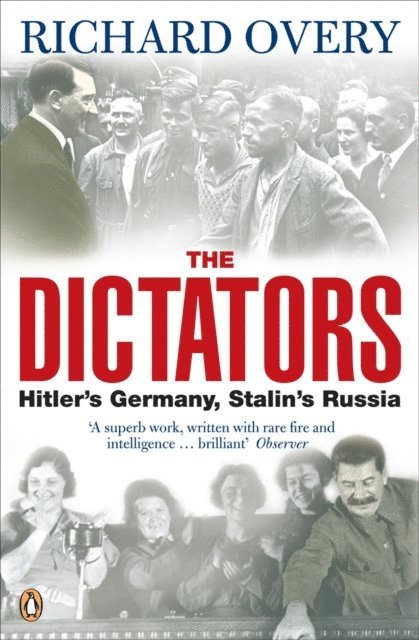
Dictators
Hitler's Germany and Stalin's Russia
Häftad, 2005
5,0 utav 5 stjärnor. Totalt antal röster: (1)
247 kr
Lägg i varukorg
Half a century after their deaths, the dictatorships of Stalin and Hitler still cast a long and terrible shadow over the modern world. They were the most destructive and lethal regimes in history, murdering millions. They fought the largest and costliest war in all history. Yet millions of Germans …
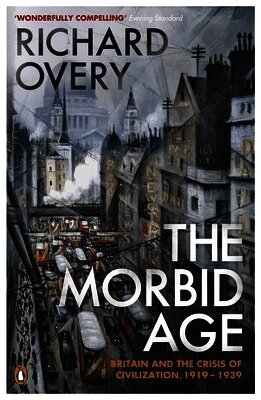
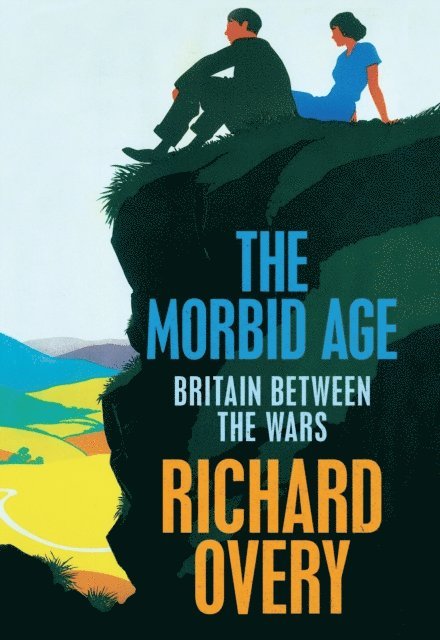
Morbid Age
Britain and the Crisis of Civilisation, 1919 - 1939
Häftad, 2010
192 kr
Lägg i varukorg
Richard Overy's The Morbid Age opens a window onto the creative but anxious period between the First and Second World Wars.British intellectual life between the wars stood at the heart of modernity; it was the golden age of the public intellectual and scientist: Arnold Toynbee, Aldous and Julian …
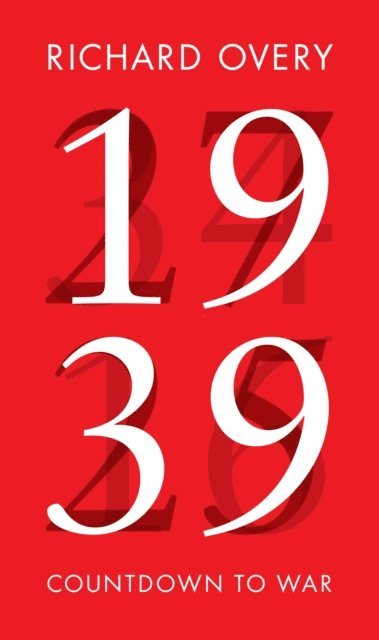
1939
Countdown to War
Häftad, 2010
160 kr
Lägg i varukorg
'A gripping analysis of the final days of peace ... indispensable' M. R. D. Foot, The TimesRichard Overy's 1939: Countdown to War re-creates hour-by-hour the last desperate attempts to salvage peace before the outbreak of World War Two.24 August 1939: The fate of the world is hanging in the …
Dictators
Hitler's Germany and Stalin's Russia
E-bok, 2005
204 kr
Lägg i varukorg
Half a century after their deaths, the dictatorships of Stalin and Hitler still cast a long and terrible shadow over the modern world. They were the most destructive and lethal regimes in history, murdering millions. They fought the largest and costliest war in all history. Yet millions of Germans …
Russia's War
E-bok, 1999
108 kr
Lägg i varukorg
RUSSIA'S WAR is the epic account of the greatest military encounter in human history. In a vivid, often shocking narrative, Richard Overy describes the astounding events of 1941-45 in which the Soviet Union, after initial catastrophes, destroyed Hitler's Third Reich and shaped European history for …
Bombing War
Europe, 1939-1945
E-bok, 2013
147 kr
Lägg i varukorg
The ultimate history of the Blitz and bombing in the Second World War, from Wolfson Prize-winning historian and author Richard OveryThe use of massive fleets of bombers to kill and terrorize civilians was an aspect of the Second World War which continues to challenge the idea that Allies …
Blood and Ruins
The Great Imperial War, 1931-1945
E-bok, 2021
147 kr
Lägg i varukorg
A NEW YORK TIMES BESTSELLERWINNER OF THE DUKE OF WELLINGTON MEDAL FOR MILITARY HISTORYSHORTLISTED FOR THE GILDER LEHRMAN PRIZE FOR MILITARY HISTORY'A masterpiece. It puts all previous single-volume works of the conflict in the shade' Saul David, The TimesA bold new approach to the Second World War …
Morbid Age
Britain and the Crisis of Civilisation, 1919 - 1939
E-bok, 2009
147 kr
Lägg i varukorg
British intellectual life between the wars stood at the heart of modernity. The combination of a liberal, uncensored society and a large educated audience for new ideas made Britain a laboratory for novel ways to understand the world. The Morbid Age opens a window onto this creative but anxious …
1939
Countdown to War
E-bok, 2009
96 kr
Lägg i varukorg
'A gripping analysis of the final days of peace ... indispensable' M. R. D. Foot, The TimesRichard Overy's 1939: Countdown to War re-creates hour-by-hour the last desperate attempts to salvage peace before the outbreak of World War Two.24 August 1939: The fate of the world is hanging in the …