Critical Humanities Across Cultures – serie
Visar alla böcker i serien Critical Humanities Across Cultures. Handla med fri frakt och snabb leverans.
11 produkter
11 produkter
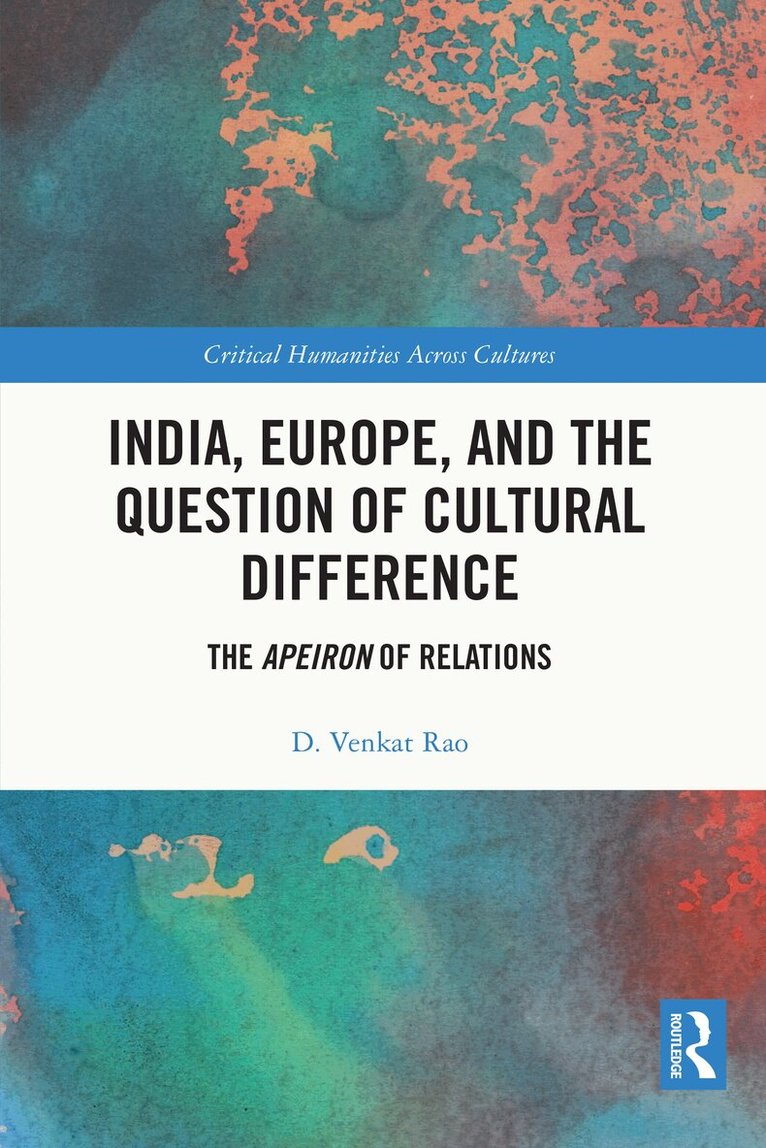
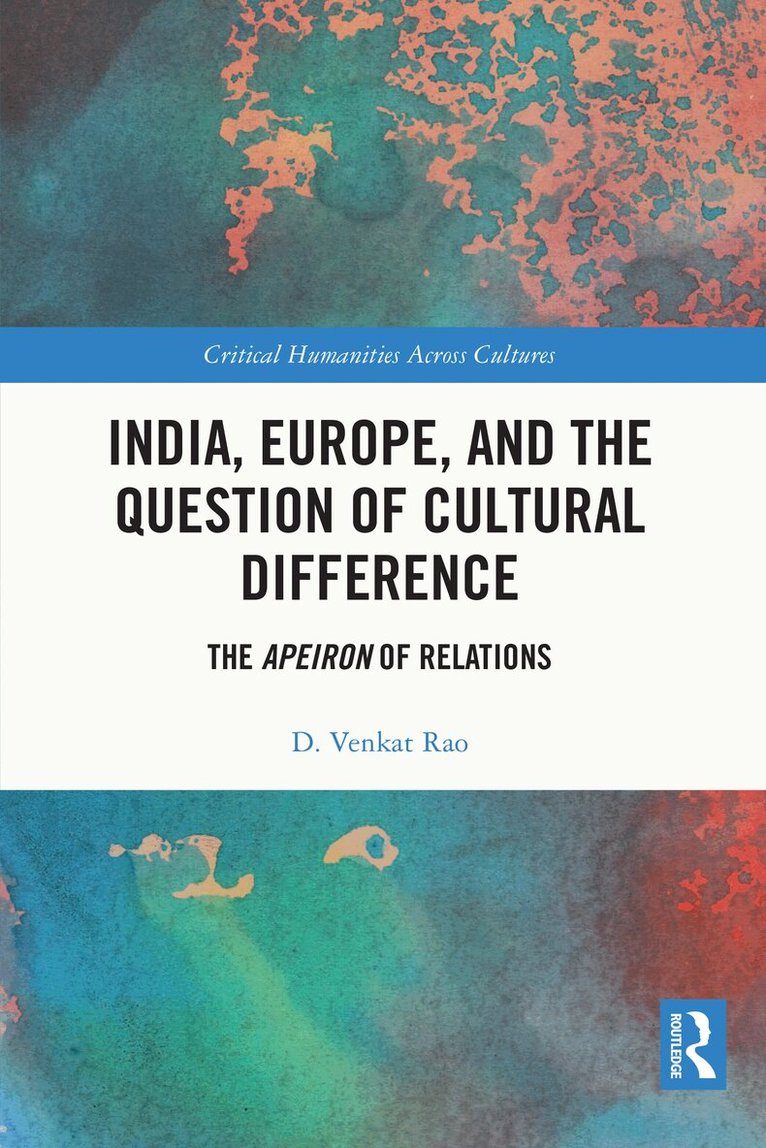
India, Europe and the Question of Cultural Difference
The Apeiron of Relations
Inbunden, Engelska, 2021
2 430 kr
Skickas inom 10-15 vardagar
This volume critically engages with the question of cultural difference and the idea of living with diversity in the context of India and Europe. It looks at certain essential European categories of learning such as art, nature, the human, literature, relation, philosophy, and the humanities and analyses texts from Sanskrit language (through Telugu resources) to argue that categories like prakriti, loka, jati, dharma, karma, sahitya, kala,etc. cannot be conflated with conceptual formations such as nature, world, caste, religion, (sanctioned) action, literature and art respectively. The book questions and unravels the efficacy of European concepts, theories and interpretive frames in understanding Indian reflective traditions and cultural forms. It also lays the groundwork for reorienting teaching and research in universities in the humanities on the basis of key cultural differences. By focusing on major themes in the humanities discourse and their limitations, the work engages with the writings of Heidegger, Derrida and Agamben, among others, from radically new vantage points of Sanskrit-Indian reflective traditions, and challenges prevailing ideas about Indian art, literature and culture.Part of the Critical Humanities Across Cultures series, this book will be an essential read for scholars and researchers of Indian languages and literature, comparative literature, art and aesthetics, postcolonial studies, cultural and heritage studies, philosophy, political philosophy, comparative philosophy, Sanskrit studies, India studies, South Asian studies, Global South studies, and for those working on education in the humanities/human sciences.
711 kr
Skickas inom 10-15 vardagar
This volume critically engages with the question of cultural difference and the idea of living with diversity in the context of India and Europe. It looks at certain essential European categories of learning such as art, nature, the human, literature, relation, philosophy, and the humanities and analyses texts from Sanskrit language (through Telugu resources) to argue that categories like prakriti, loka, jati, dharma, karma, sahitya, kala,etc. cannot be conflated with conceptual formations such as nature, world, caste, religion, (sanctioned) action, literature and art respectively. The book questions and unravels the efficacy of European concepts, theories and interpretive frames in understanding Indian reflective traditions and cultural forms. It also lays the groundwork for reorienting teaching and research in universities in the humanities on the basis of key cultural differences. By focusing on major themes in the humanities discourse and their limitations, the work engages with the writings of Heidegger, Derrida and Agamben, among others, from radically new vantage points of Sanskrit-Indian reflective traditions, and challenges prevailing ideas about Indian art, literature and culture.Part of the Critical Humanities Across Cultures series, this book will be an essential read for scholars and researchers of Indian languages and literature, comparative literature, art and aesthetics, postcolonial studies, cultural and heritage studies, philosophy, political philosophy, comparative philosophy, Sanskrit studies, India studies, South Asian studies, Global South studies, and for those working on education in the humanities/human sciences.
2 113 kr
Skickas inom 10-15 vardagar
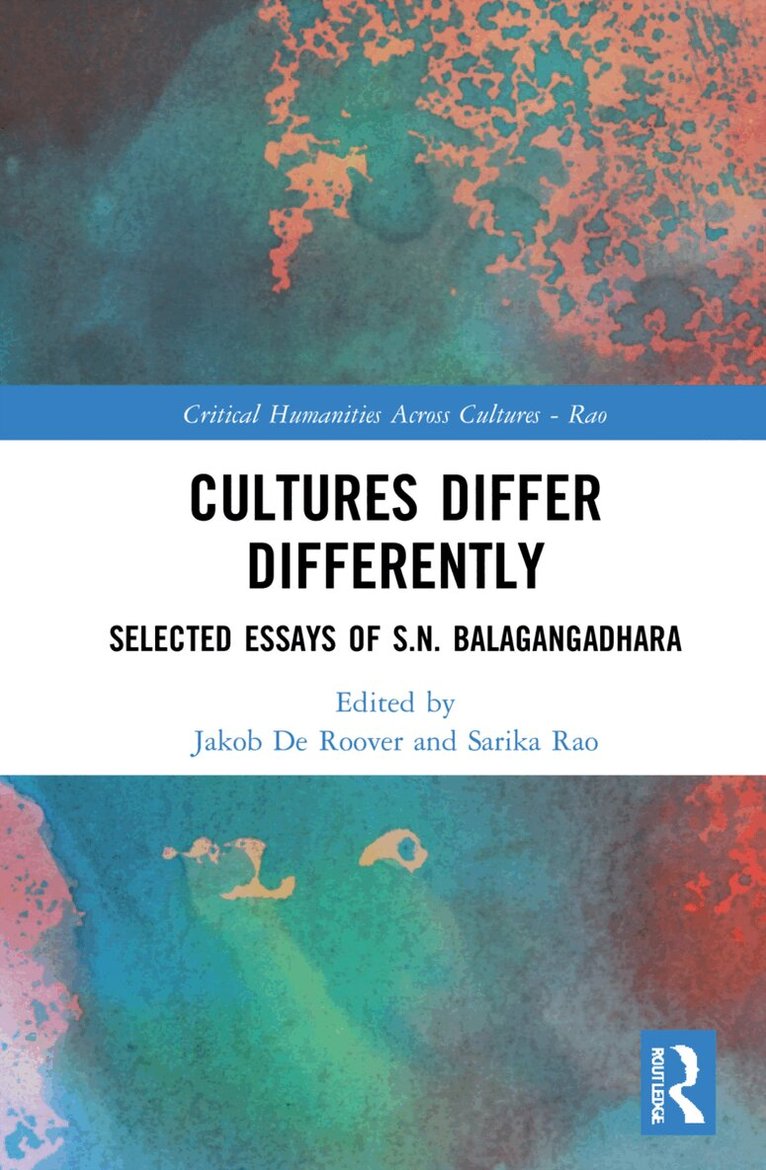
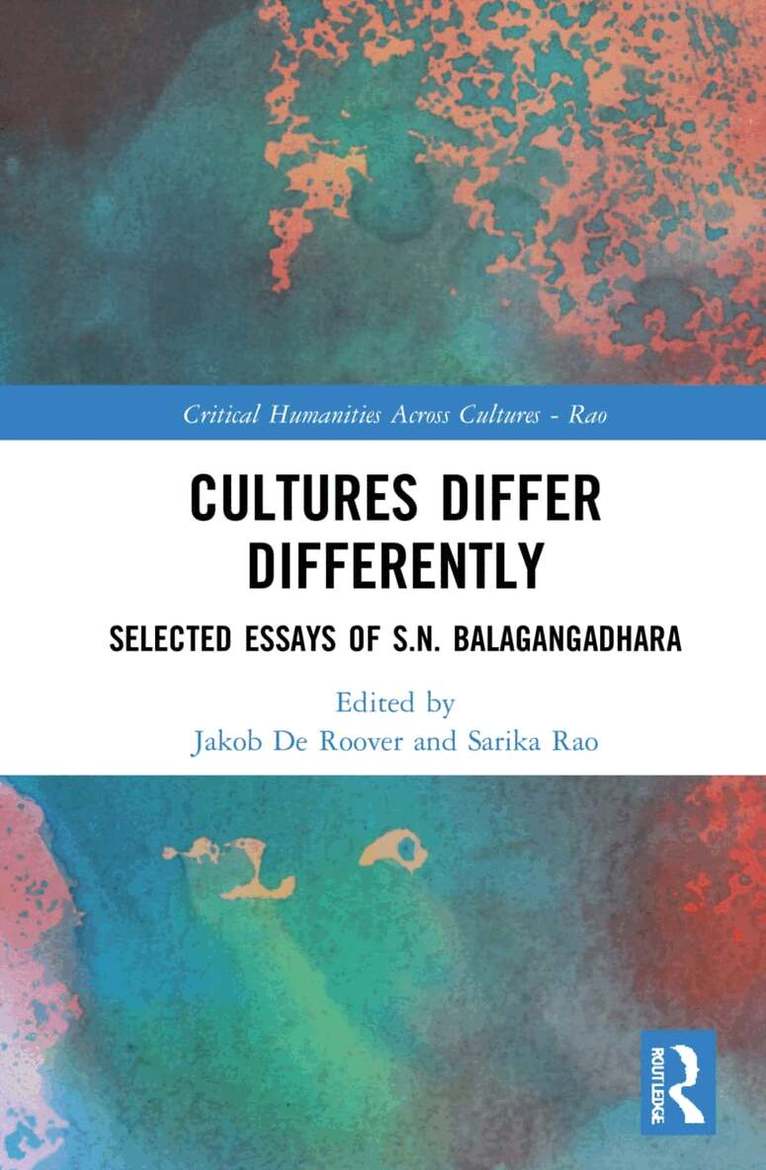
This volume brings together a collection of essays by contemporary thinker and social scientist S.N. Balagangadhara which develop an alternative theoretical framework for a comparative study of Western and Asian cultures. These essays illustrate how ‘decolonisation of social sciences’ is a cognitive task and offer novel hypotheses about human beings and society. They demonstrate the implications of cultural difference in the study of domains such as psychology, political theory, ethics, religion, sociology, translation, law, Indology, and philosophy. The book addresses new questions in the study of Western and Indian culture and social sciences, and discusses themes like selfless morality and the moral self; knowledge and action; critical representations of Indian traditions and classical literature; law, religion and culture; translation and interpretations; and varna and social systems.Part of the Critical Humanities Across Cultures series, this interdisciplinary volume will be an essential read for scholars and researchers of philosophy, philosophy of science, ethics, religious studies, postcolonial studies, sociology and social anthropology, cultural studies, literature, comparative studies and Global South studies.
2 113 kr
Skickas inom 10-15 vardagar
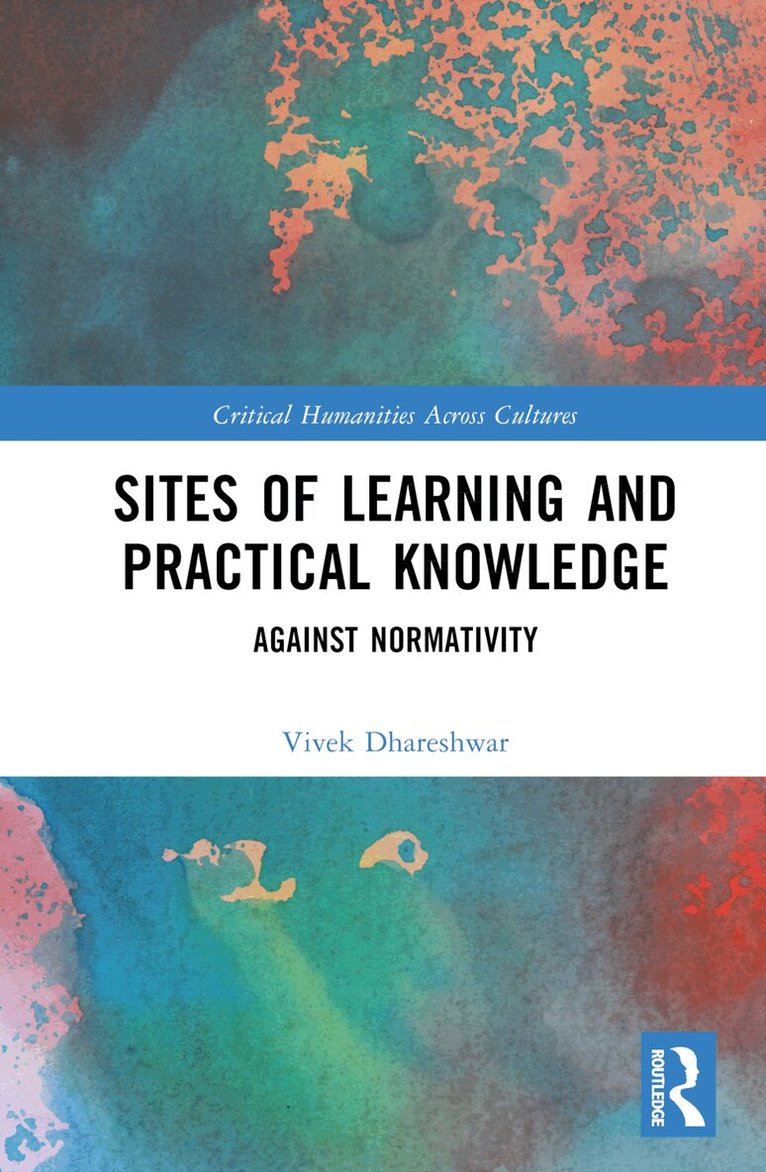
This book examines the relationship between cultural difference and practical knowledge and its implications for the study of humanities and the social sciences.It sketches a meta-theory of Western thought to grasp the conceptual distortions that result when a normatively structured theoretical way of understanding the world seeks to displace practical forms of understanding. The book draws on both Western thinkers such as Nietzsche, Marx, Wittgenstein and Foucault and Indian thinkers such as Gandhi, Tagore and Balagangadhara to formulate a practical epistemology that delimits theoretical knowledge by regenerating experiential knowledge that was the hallmark of Indian intellectual traditions and provides the intellectual resources for rejecting normativity. By thus preparing the ground for a radical reconceptualization of the human sciences it seeks to overcome the loss of concepts and the violence generated by the grafting of ill–understood and experience-occluding normative conceptual structures on the fabric of practical life. Finally, the author offers an alternative conceptualization of Indian sociality through the idea of a practitional matrix, which explains both why the West necessarily misunderstood or misdescribed India and how that misdescription enables us to theorize the West. Part of Critical Humanities across Cultures series, this book will be an essential read for scholars and researchers of philosophy, anthropology, sociology, religious studies, post-colonial studies, cultural studies, Indian studies and literature.
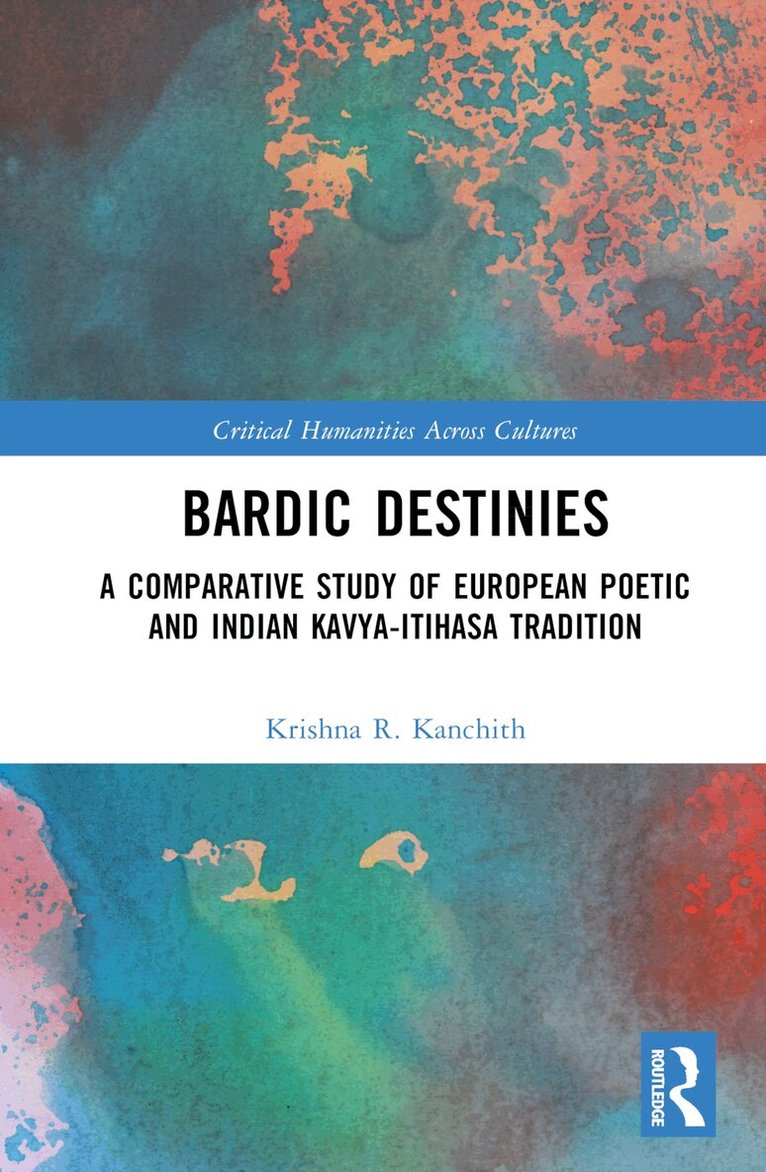
Bardic Destinies
A Comparative Study of European Poetic and Indian Kavya-Itihasa Tradition
Inbunden, Engelska, 2023
2 430 kr
Skickas inom 10-15 vardagar
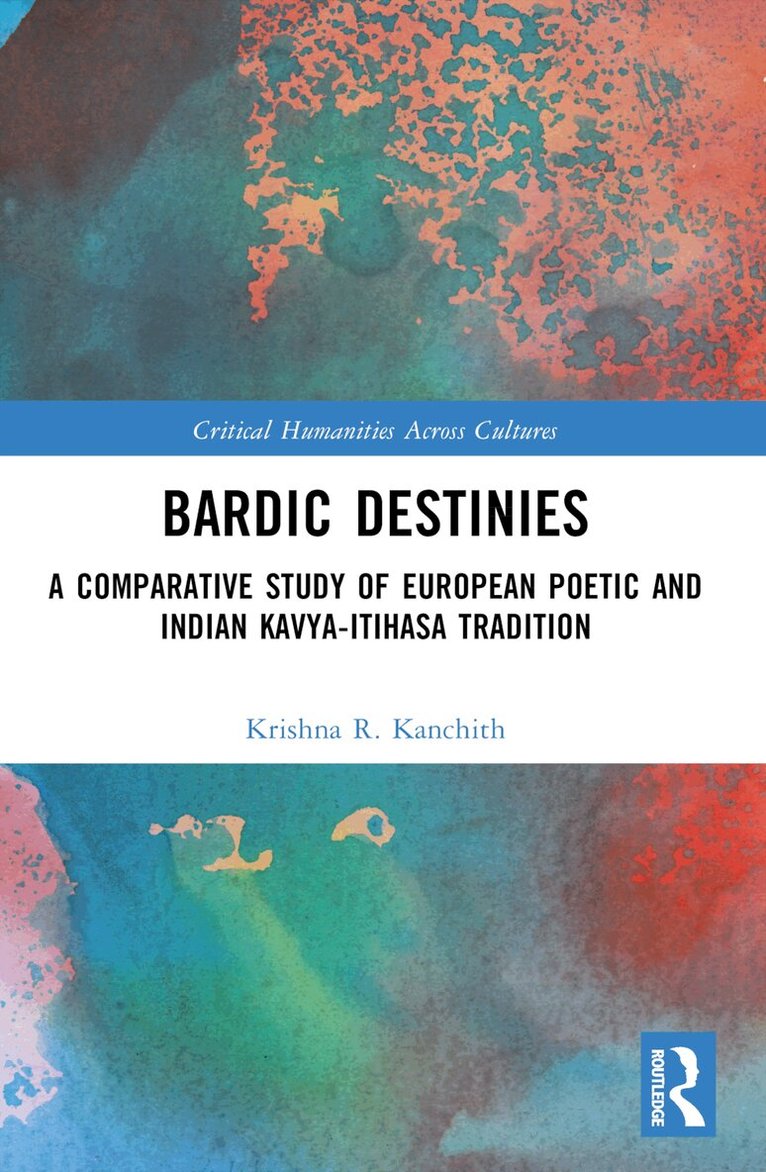
This volume critically explores the cultural significance and fate of the “literary” in the European and the Indian traditions as it traces the history of the reception of works that have had a deep hold on the lives and sensibilities of people across time and cultures.The book grapples with three major concepts in the humanities—the literary, the philosophical/theological and the historical. It looks at Homer’s reception by Plato; Virgil’s reception by Christianity; the many responses that The Mahabharata has received over centuries and across cultures in India; and the reception of Kumaravyasa’s Kumaravyasabharata, among other works, and analyses the understanding of truth, time and history that influence the reading of these works in different times and cultural contexts. Part of the Critical Humanities across Cultures series, this book will be useful for scholars and researchers of philosophy, literature, history, comparative literature, cultural studies and post-colonial studies.
2 113 kr
Skickas inom 10-15 vardagar
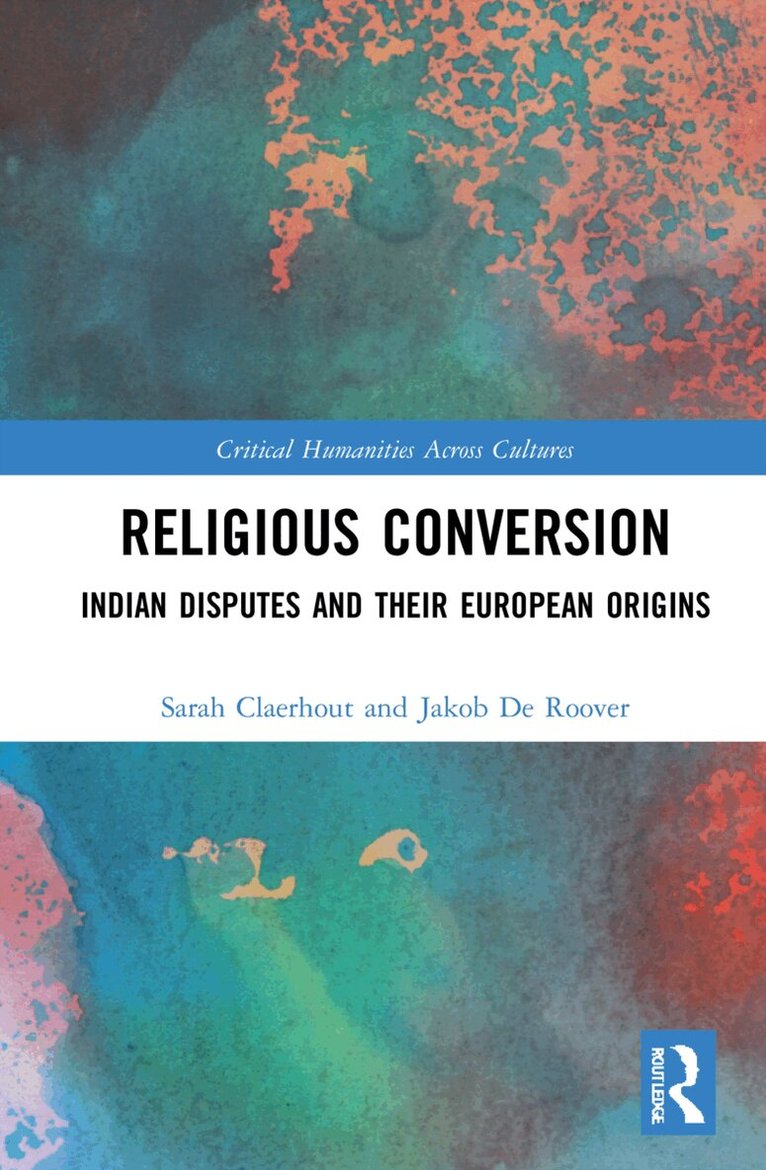
This book re-examines the issue of religious conversion, which has been a site of conflict in India for several centuries. It discusses wide-ranging themes such as conversion, education, and reform in colonial India; the process and practices of conversion in Christian Europe; Gandhi, conversion, and the equality of religions; perspectives from Hindu nationalism, secularism, and religious minorities; religious freedom and the limits of propagating religion; and conversion in constitutional law, commissions, and courts, to chart new directions for research on religion, tradition, and conversion. Tracing developments from the 19th-century colonial era to contemporary times, the book analyses cultural background frameworks and the origins of religious conversion and its conceptualisation in Western Christianity. It further delves into how Indian culture and its traditions have shaped responses to conversion.Part of the Critical Humanities Across Cultures series, this book will be useful to scholars and researchers of critical humanities, religion, cultural studies, sociology of religion, comparative religion, philosophy, anthropology, theology, Indology, history, politics, postcolonial studies, critical theory, and South Asian studies.
618 kr
Skickas inom 10-15 vardagar
This volume brings together a collection of essays by contemporary thinker and social scientist S.N. Balagangadhara which develop an alternative theoretical framework for a comparative study of Western and Asian cultures. These essays illustrate how ‘decolonisation of social sciences’ is a cognitive task and offer novel hypotheses about human beings and society. They demonstrate the implications of cultural difference in the study of domains such as psychology, political theory, ethics, religion, sociology, translation, law, Indology, and philosophy. The book addresses new questions in the study of Western and Indian culture and social sciences, and discusses themes like selfless morality and the moral self; knowledge and action; critical representations of Indian traditions and classical literature; law, religion and culture; translation and interpretations; and varna and social systems.Part of the Critical Humanities Across Cultures series, this interdisciplinary volume will be an essential read for scholars and researchers of philosophy, philosophy of science, ethics, religious studies, postcolonial studies, sociology and social anthropology, cultural studies, literature, comparative studies and Global South studies.
618 kr
Skickas inom 10-15 vardagar
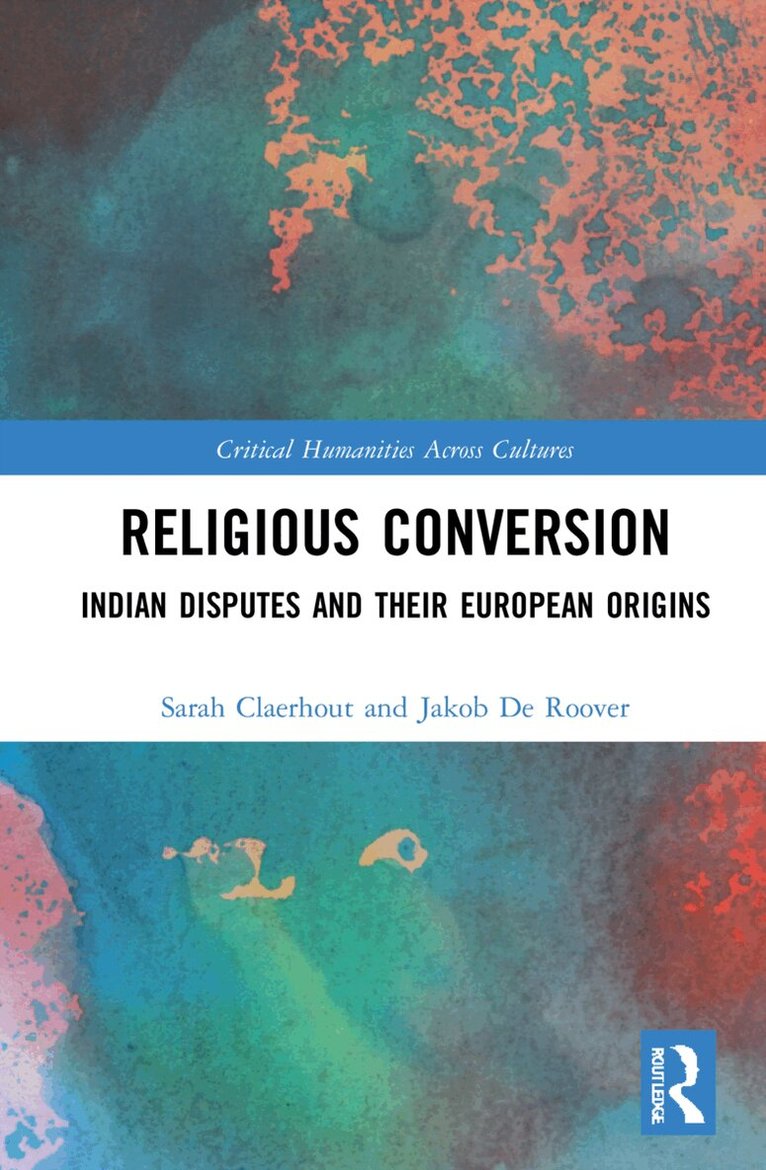
This book re-examines the issue of religious conversion, which has been a site of conflict in India for several centuries. It discusses wide-ranging themes such as conversion, education, and reform in colonial India; the process and practices of conversion in Christian Europe; Gandhi, conversion, and the equality of religions; perspectives from Hindu nationalism, secularism, and religious minorities; religious freedom and the limits of propagating religion; and conversion in constitutional law, commissions, and courts, to chart new directions for research on religion, tradition, and conversion. Tracing developments from the 19th-century colonial era to contemporary times, the book analyses cultural background frameworks and the origins of religious conversion and its conceptualisation in Western Christianity. It further delves into how Indian culture and its traditions have shaped responses to conversion.Part of the Critical Humanities Across Cultures series, this book will be useful to scholars and researchers of critical humanities, religion, cultural studies, sociology of religion, comparative religion, philosophy, anthropology, theology, Indology, history, politics, postcolonial studies, critical theory, and South Asian studies.
Bardic Destinies
A Comparative Study of European Poetic and Indian Kavya-Itihasa Tradition
Häftad, Engelska, 2025
727 kr
Skickas inom 10-15 vardagar
This volume critically explores the cultural significance and fate of the “literary” in the European and the Indian traditions as it traces the history of the reception of works that have had a deep hold on the lives and sensibilities of people across time and cultures.The book grapples with three major concepts in the humanities—the literary, the philosophical/theological and the historical. It looks at Homer’s reception by Plato; Virgil’s reception by Christianity; the many responses that The Mahabharata has received over centuries and across cultures in India; and the reception of Kumaravyasa’s Kumaravyasabharata, among other works, and analyses the understanding of truth, time and history that influence the reading of these works in different times and cultural contexts. Part of the Critical Humanities across Cultures series, this book will be useful for scholars and researchers of philosophy, literature, history, comparative literature, cultural studies and post-colonial studies.
727 kr
Skickas inom 10-15 vardagar
This book examines the relationship between cultural difference and practical knowledge and its implications for the study of humanities and the social sciences.It sketches a meta-theory of Western thought to grasp the conceptual distortions that result when a normatively structured theoretical way of understanding the world seeks to displace practical forms of understanding. The book draws on both Western thinkers such as Nietzsche, Marx, Wittgenstein and Foucault and Indian thinkers such as Gandhi, Tagore and Balagangadhara to formulate a practical epistemology that delimits theoretical knowledge by regenerating experiential knowledge that was the hallmark of Indian intellectual traditions and provides the intellectual resources for rejecting normativity. By thus preparing the ground for a radical reconceptualization of the human sciences it seeks to overcome the loss of concepts and the violence generated by the grafting of ill–understood and experience-occluding normative conceptual structures on the fabric of practical life. Finally, the author offers an alternative conceptualization of Indian sociality through the idea of a practitional matrix, which explains both why the West necessarily misunderstood or misdescribed India and how that misdescription enables us to theorize the West. Part of Critical Humanities across Cultures series, this book will be an essential read for scholars and researchers of philosophy, anthropology, sociology, religious studies, post-colonial studies, cultural studies, Indian studies and literature.
2 176 kr
Skickas inom 10-15 vardagar
This book transcends traditional historical analysis to explore the intricate tapestry of colonialism, modernity, and identity formation in Northeast India. Moving beyond a simplistic view of the region as the British Empire’s ‘backyard,’ it examines the transformative processes that turned Northeast India beyond Sylhet, the empire’s eastern outpost, into a vibrant frontier. While recognizing the importance of exploration and territorial expansion in establishing colonial dominance, the narrative emphasizes the crucial roles of resistance and local agency in shaping the region’s history.The volume critically analyzes the influence of the Church as a powerful force within the ‘civilizing mission,’ alongside military interventions. It dissects the complex relationship between colonialism and modernity, revealing how the rhetoric of progress often concealed motives of resource extraction and cultural disruption. Through a meticulous unraveling of structures, systems, and processes, the work weaves a compelling narrative of Northeast India, not as a passive recipient of colonial ideas, its imposition of alien rules and values but as a region actively shaped by the interplay of power, resistance, and adaptation.This book will be of interest to scholars, researchers, and students of history, sociology, colonial and postcolonial studies, cultural studies, and South Asian studies, especially those concerned with Northeast India.