Critical Inquiries in Comparative Philosophy - Böcker
Visar alla böcker i serien Critical Inquiries in Comparative Philosophy. Handla med fri frakt och snabb leverans.
7 produkter
7 produkter
1 142 kr
Skickas inom 10-15 vardagar
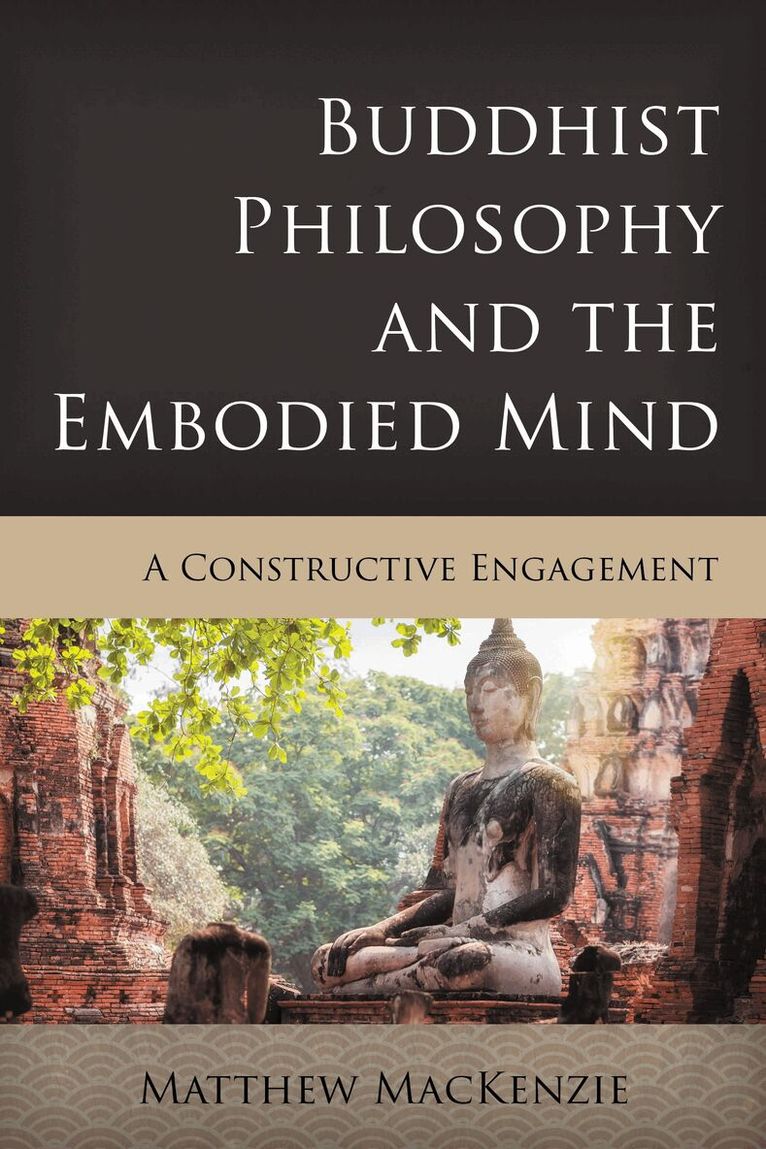
In the last 30 years, embodied, embedded, enactive, and extended (4E) accounts of mind and experience have flourished. A more cosmopolitan and pluralistic approach to the philosophy of mind has also emerged, drawing on analytic, phenomenological, pragmatist, and non-Western sources and traditions. This is the first book to fully engage the 4E approach and Buddhist philosophy, drawing on and integrating the intersection of enactivism and Buddhist thought. This book deepens and extends the dialogue between Buddhist philosophy and 4E philosophy of mind and phenomenology. It engages with core issues in the philosophy of mind broadly construed in and through the dialogue between Buddhism and enactivism. Indian philosophers developed and defended philosophically sophisticated and phenomenologically rich accounts of mind, self, cognition, perception, embodiment, and more. As a work of cross-cultural philosophy, the book investigates the nature of mind and experience in dialogue with Indian and Western thinkers. On the basis of this cross-traditional dialogue, the book articulates and defends a dynamic, non-substantialist, and embodied account of experience, subjectivity, and self.
434 kr
Skickas inom 10-15 vardagar
In the last 30 years, embodied, embedded, enactive, and extended (4E) accounts of mind and experience have flourished. A more cosmopolitan and pluralistic approach to the philosophy of mind has also emerged, drawing on analytic, phenomenological, pragmatist, and non-Western sources and traditions. This is the first book to fully engage the 4E approach and Buddhist philosophy, drawing on and integrating the intersection of enactivism and Buddhist thought. This book deepens and extends the dialogue between Buddhist philosophy and 4E philosophy of mind and phenomenology. It engages with core issues in the philosophy of mind broadly construed in and through the dialogue between Buddhism and enactivism. Indian philosophers developed and defended philosophically sophisticated and phenomenologically rich accounts of mind, self, cognition, perception, embodiment, and more. As a work of cross-cultural philosophy, the book investigates the nature of mind and experience in dialogue with Indian and Western thinkers. On the basis of this cross-traditional dialogue, the book articulates and defends a dynamic, non-substantialist, and embodied account of experience, subjectivity, and self.
1 833 kr
Skickas inom 10-15 vardagar
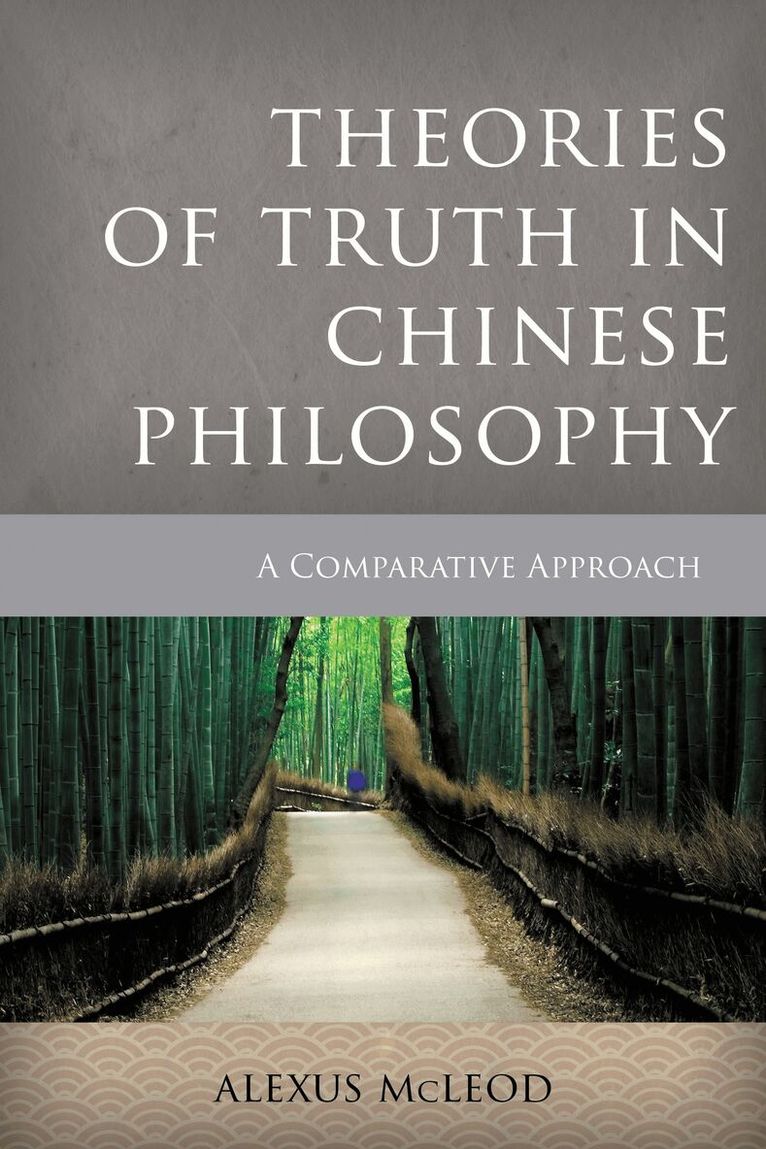
Theories of Truth in Chinese Philosophy deals with debates surrounding the concept of truth in early Chinese thought, from the earliest periods through to the Han dynasty. Alexus McLeod focuses first on the question of whether there is a concept of truth in early Chinese thought, giving a critical overview of the positions of contemporary scholars on this issue, outlining their arguments and considering objections and possible problems and alternatives. McLeod then goes on to consider a number of possible theories of truth in early Chinese philosophy, giving an overview of what he takes to be the main contenders for truth concepts in the early material, and surrounding concepts and positions.In addition, the author considers how these theories of truth might be relevant in contemporary debates surrounding truth, as well as in the context of theories of truth in the history of philosophy, both in Western and Indian thought.
675 kr
Skickas inom 10-15 vardagar
Theories of Truth in Chinese Philosophy deals with debates surrounding the concept of truth in early Chinese thought, from the earliest periods through to the Han dynasty. Alexus McLeod focuses first on the question of whether there is a concept of truth in early Chinese thought, giving a critical overview of the positions of contemporary scholars on this issue, outlining their arguments and considering objections and possible problems and alternatives. McLeod then goes on to consider a number of possible theories of truth in early Chinese philosophy, giving an overview of what he takes to be the main contenders for truth concepts in the early material, and surrounding concepts and positions.In addition, the author considers how these theories of truth might be relevant in contemporary debates surrounding truth, as well as in the context of theories of truth in the history of philosophy, both in Western and Indian thought.
1 703 kr
Skickas inom 10-15 vardagar
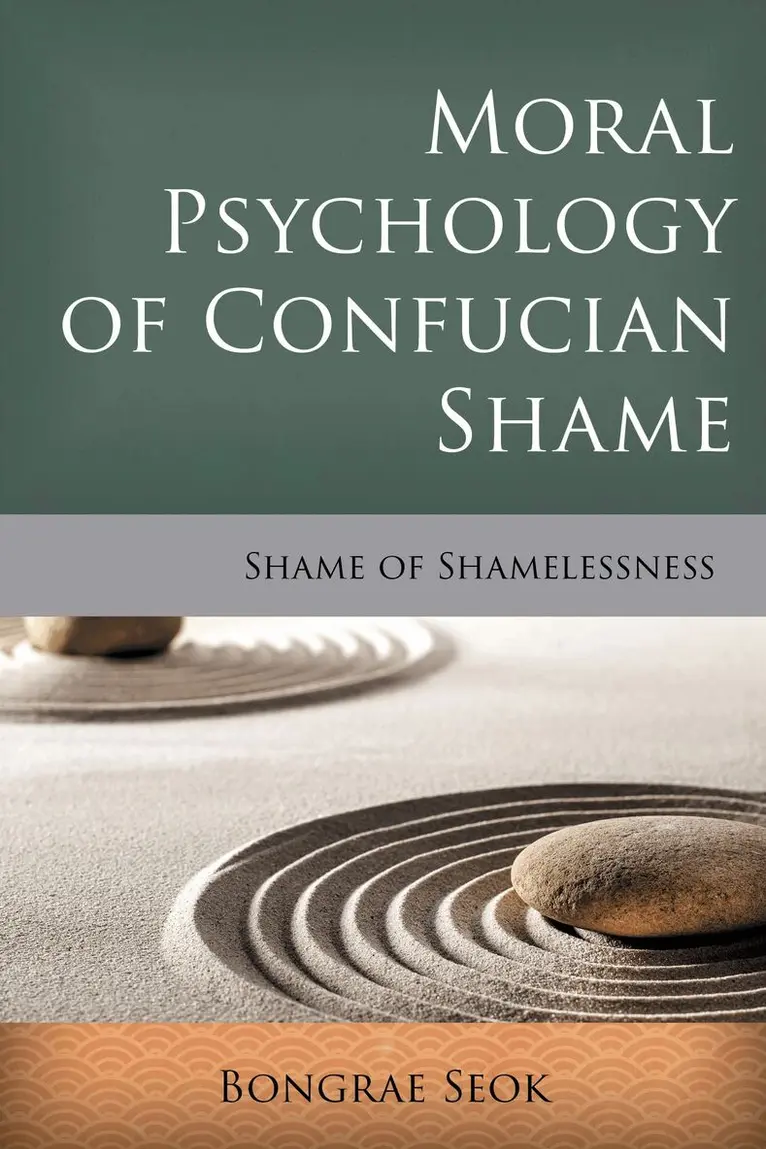
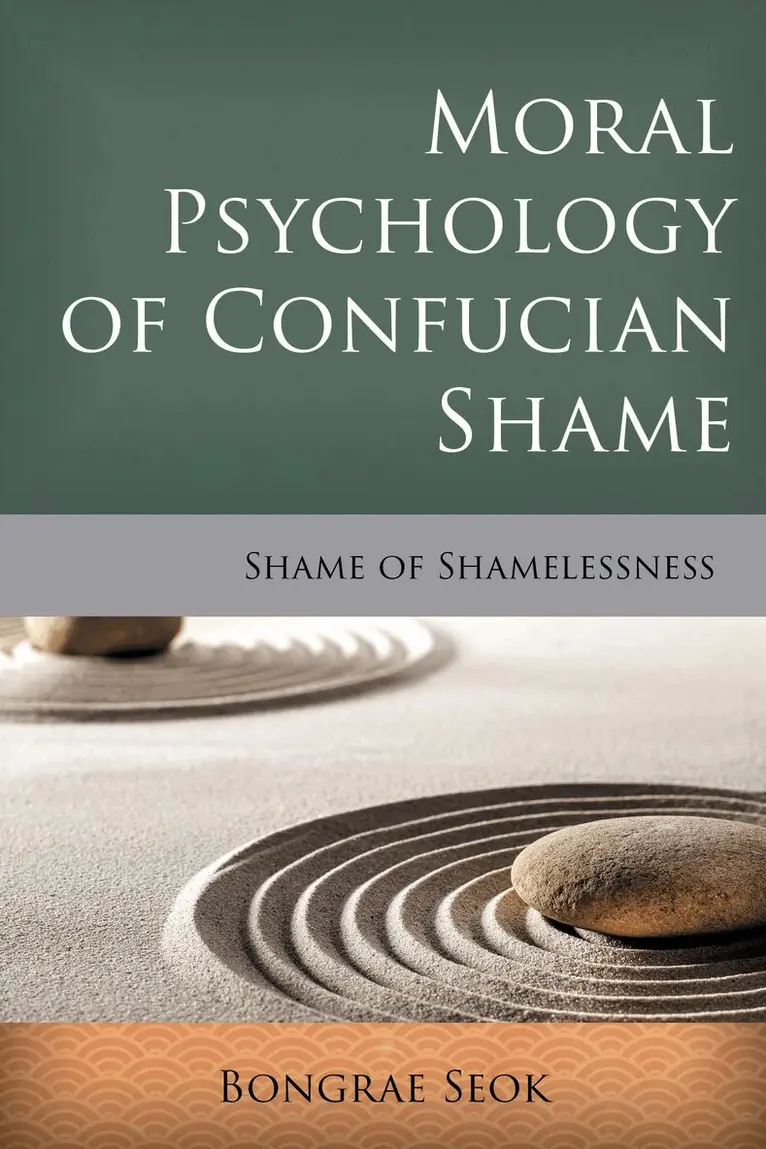
Early Confucian philosophers (notably Confucius and Mencius) emphasized moral significance of shame in self-cultivation and learning. In their discussion, shame is not just a painful sense of moral failure or transgression but also a moral disposition and a form of moral excellence (i.e., virtue) that is essential to Confucian self-cultivation. In Moral Psychology of Confucian Shame, Bongrae Seok argues that shame is a genuine moral emotion and moral disposition. Engaging with recent studies of social psychology, cultural psychology, biology, and anthropology, Seok explains that shame is a uniquely evolved form of moral emotion that is comparable to, but not identical with, guilt. The author goes on to develop an interpretation of Confucian shame that reveals the embodied, interactive, and transformative nature of the Confucian moral self.
595 kr
Skickas inom 10-15 vardagar
Early Confucian philosophers (notably Confucius and Mencius) emphasized moral significance of shame in self-cultivation and learning. In their discussion, shame is not just a painful sense of moral failure or transgression but also a moral disposition and a form of moral excellence (i.e., virtue) that is essential to Confucian self-cultivation. In Moral Psychology of Confucian Shame, Bongrae Seok argues that shame is a genuine moral emotion and moral disposition. Engaging with recent studies of social psychology, cultural psychology, biology, and anthropology, Seok explains that shame is a uniquely evolved form of moral emotion that is comparable to, but not identical with, guilt. The author goes on to develop an interpretation of Confucian shame that reveals the embodied, interactive, and transformative nature of the Confucian moral self.
995 kr
Kommande
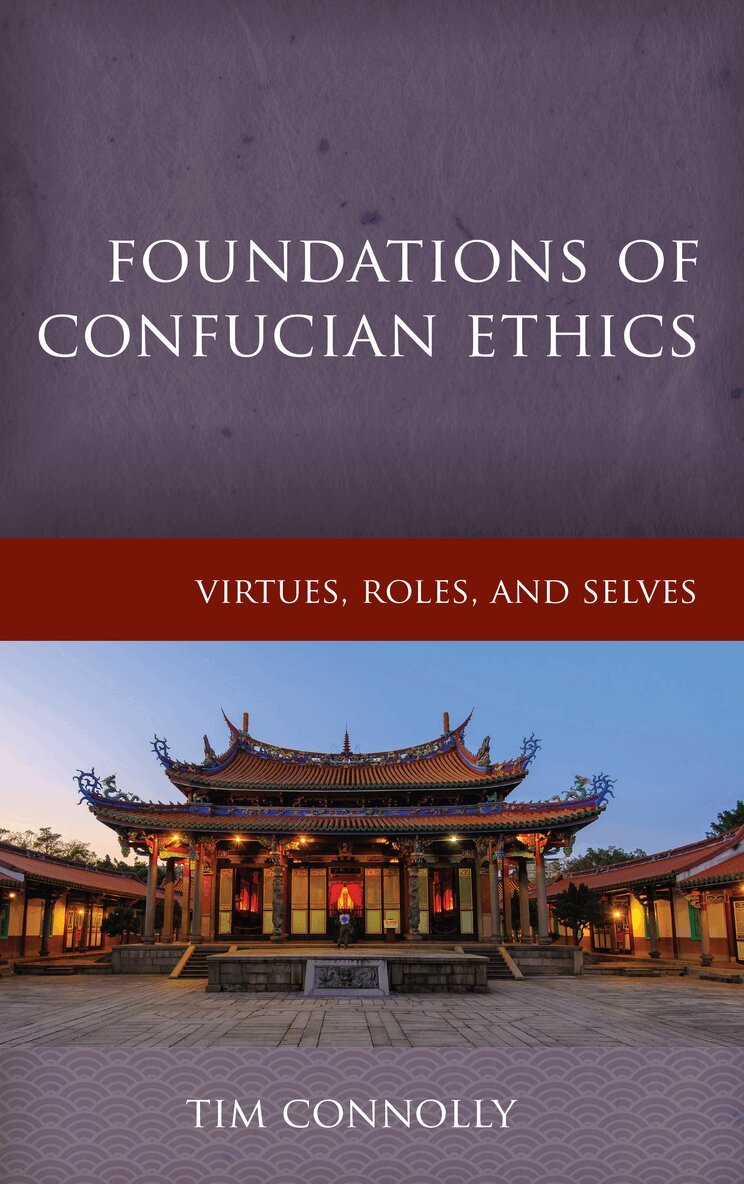
Many scholars believe that the early Confucians are best understood as virtue ethicists, who like Aristotle teach that human flourishing is achieved through virtue and its cultivation. Yet early Confucian texts also stress the importance of roles such as being a father, son, ruler, minister, and teacher. Given their focus on our particular roles and relationships, advocates of Confucian Role Ethics argue that thinkers like Confucius and Mencius are unique and cannot be understood in terms of Western philosophical categories. This book looks at the competing attempts of virtue ethics and role ethics to capture the foundations of Confucian ethics. Connecting Confucian Role Ethics with recent developments in exemplarist virtue theory, it argues that role ethics can contribute to our understanding of early Confucian and contemporary accounts of virtue.