Critical Perspectives on Disability - Böcker
Visar alla böcker i serien Critical Perspectives on Disability. Handla med fri frakt och snabb leverans.
6 produkter
6 produkter
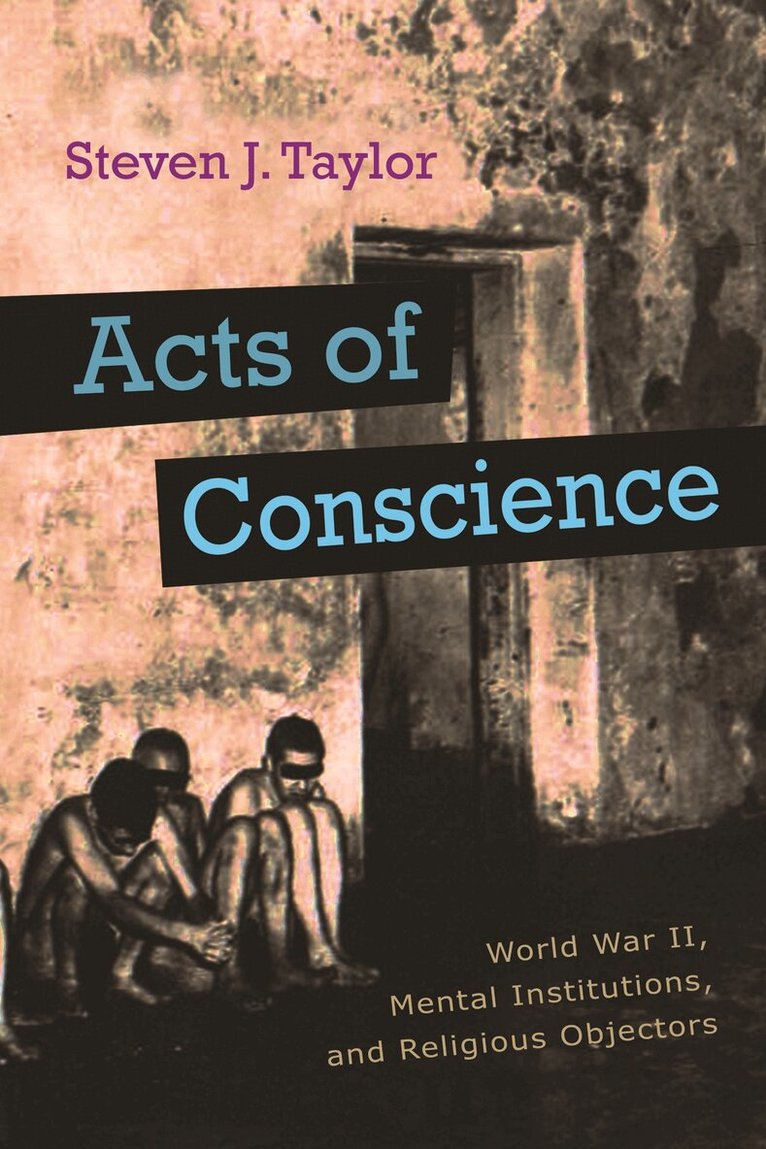
Acts of Conscience
World War II, Mental Institutions, and Religious Objectors
Inbunden, Engelska, 2009
476 kr
Skickas inom 3-6 vardagar
In the mid- to late 1940s, a group of young men rattled the psychiatric establishment by beaming a public spotlight on the squalid conditions and brutality in our nation's mental hospitals and training schools for people with psychiatric and intellectual disabilities. Bringing the abuses to the attention of newspapers and magazines across the country, they led a reform effort to change public attitudes and to improve the training and status of institutional staff. Prominent Americans, including Eleanor Roosevelt, ACLU founder Roger Baldwin, author Pearl S. Buck, actress Helen Hayes, and African-American activist Mary McLeod Bethune, supported the efforts of the young men. These young men were among the 12,000 World War II conscientious objectors who chose to perform civilian public service as an alternative to fighting in what is widely regarded as America's 'good war.' Three thousand of these men volunteered to work at state institutions, where they found conditions appalling. Acting on conscience a second time, they challenged America's treatment of its citizens with severe disabilities. ""Acts of Conscience"" brings to light the extraordinary efforts of these courageous men, drawing upon extensive archival research, interviews, and personal correspondence. The World War II conscientious objectors were not the first to expose public institutions, and they would not be the last. What distinguishes them from reformers of other eras is that their activities have faded from professional and popular memory. Steven J. Taylor's moving account is an indispensable contribution to the historical record.
311 kr
Skickas inom 7-10 vardagar
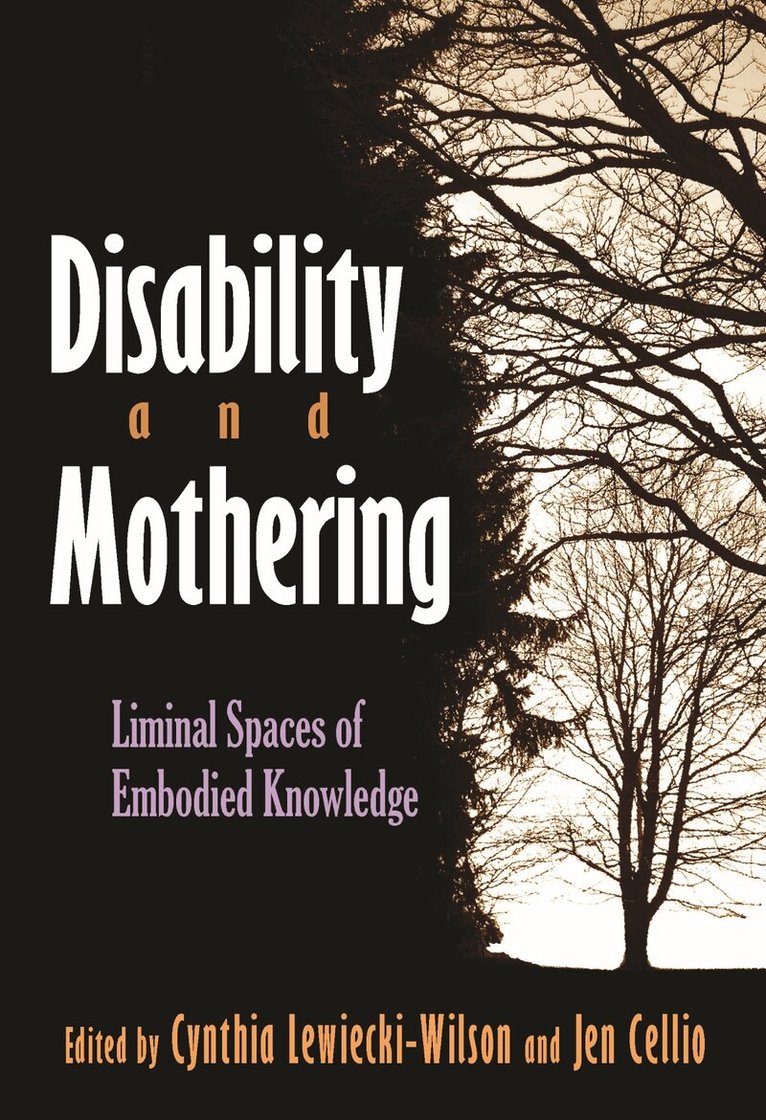
Editors Lewiecki-Wilson and Cellio have put together the first book to focus on the intersecting spaces, both cultural and personal, of disability and mothering. Derived from the Latin for threshold, the word "liminal" calls attention to the book’s focus on the transitional moments and spaces where the personal and social, inside and outside, self and other converge. The volume features twenty-one previously unpublished essays by new as well as established scholars and community activists. Contributors, some of whom are themselves disabled or mothers of children with disabilities, present moving personal accounts and accessible scholarship grounded in historical study, experiential and retrospective analysis, interviews, social research, and feminist and disability studies theories.In their introduction, the editors survey the theoretical frameworks of feminism and disability studies, locating the points of overlap crucial to a study of disability and mothering. Organized in five sections, the book engages questions about reproductive technologies; diagnoses and cultural scripts; the ability to rewrite narratives of mothering and disability; political activism; and the tensions formed by the overlapping identities of race, class, nation, and disability. The essays speak to a broad audience—from undergraduate and graduate students in women’s studies and disability studies, to therapeutic and health care professionals, to anyone grappling with issues such as genetic testing and counseling, raising a child with a disability, or being disabled and contemplating starting a family.
606 kr
Skickas inom 7-10 vardagar
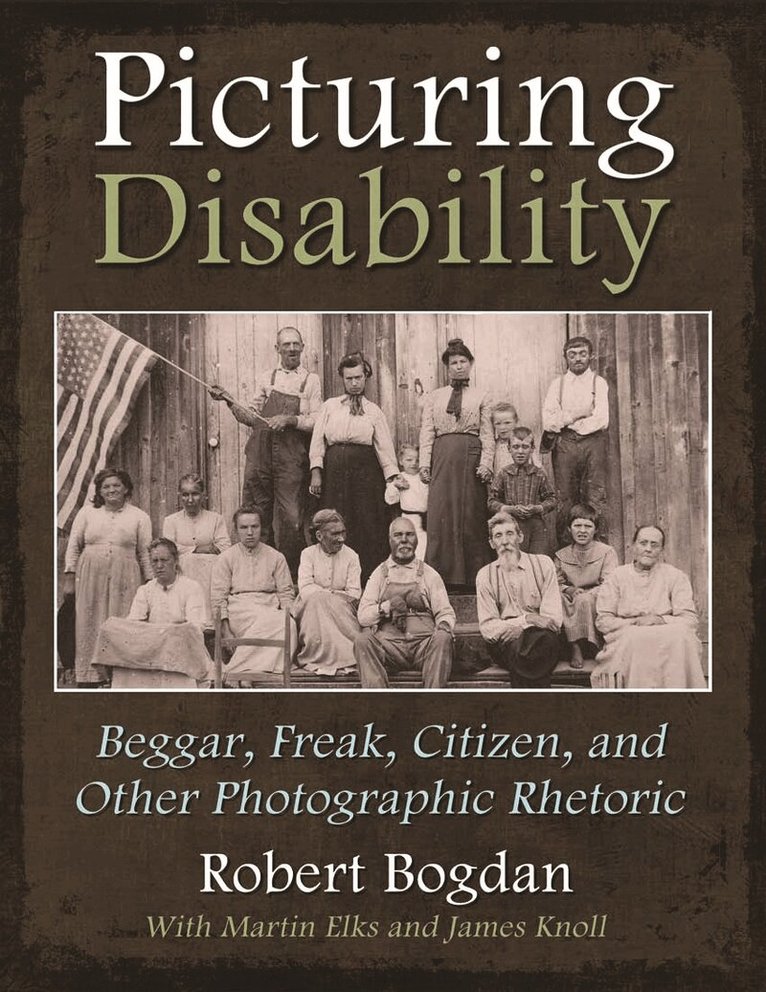
Midget, feeble-minded, crippled, lame, and insane: these terms and the historical photographs that accompany them may seem shocking to present-day audiences. A young woman with no arms wears a sequined tutu and smiles for the camera as she smokes a cigarette with her toes; a man holds up two prosthetic legs while his own legs are bared to the knees to show his missing feet. The photos were used as promotional material for circus sideshows, charity drives, and art galleries. They were found on begging cards and in family albums. In Picturing Disability, Bogdan and his collaborators gather over 200 historical photographs showing how people with disabilities have been presented and exploring the contexts in which they were photographed. Rather than focus on the subjects, Bogdan turns his gaze on the people behind the camera. He examines the historic and cultural environment of the photographs to decipher the relationship between the images and the perspectives of the picture makers. In analyzing the visual rhetoric of these photographs, Bogdan identifies the wide variety of genres, from sideshow souvenirs to clinical photographs. Ranging from the 1860s, when photographs first became readily available, to the 1970s, when the disability rights movement became a force for significant change, Bogdan chronicles the evolution of disability image creation. Picturing Disability takes the reader beyond judging images as positive or slanderous to reveal how particular contexts generate specific emotions and lasting depictions.
284 kr
Skickas inom 7-10 vardagar
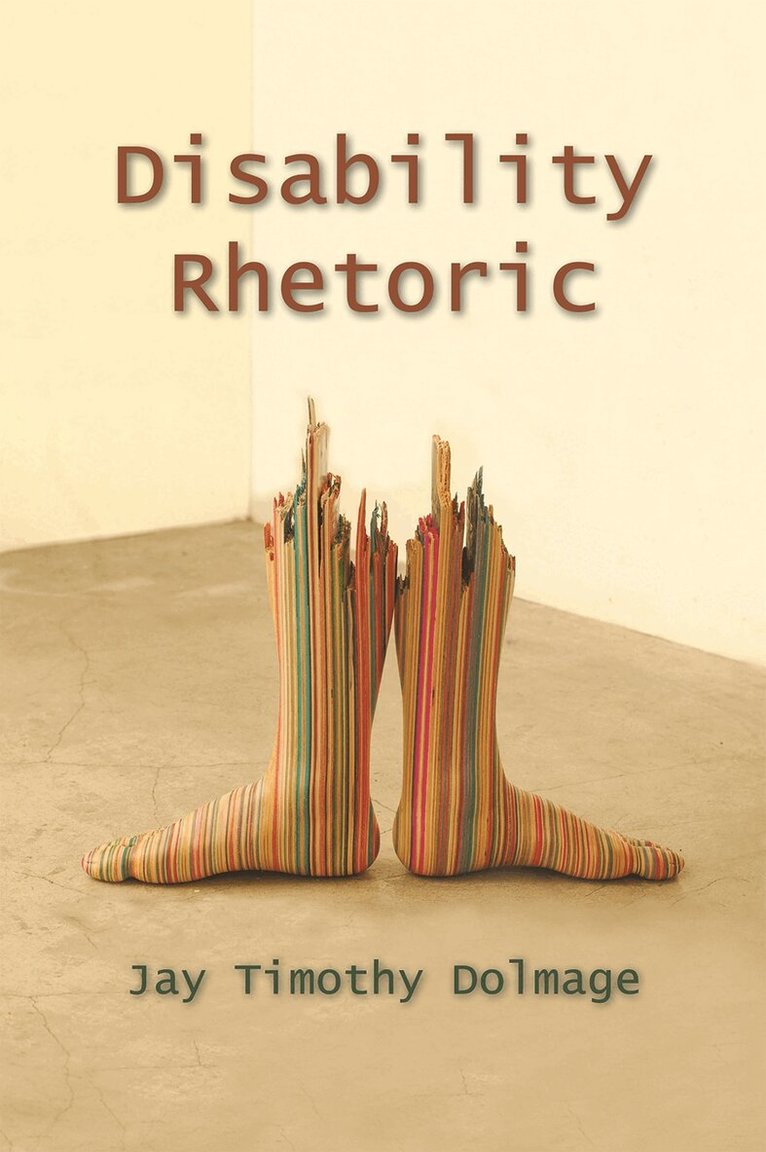
Disability Rhetoric is the first book to view rhetorical theory and history through the lens of disability studies. Traditionally, the body has been seen as, at best, a rhetorical distraction; at worst, those whose bodies do not conform to a narrow range of norms are disqualified from speaking. Yet, Dolmage argues that communication has always been obsessed with the meaning of the body and that bodily difference is always highly rhetorical. Following from this rewriting of rhetorical history, he outlines the development of a new theory, affirming the ideas that all communication is embodied, that the body plays a central role in all expression, and that greater attention to a range of bodies is therefore essential to a better understanding of rhetorical histories, theories, and possibilities.
456 kr
Skickas inom 7-10 vardagar
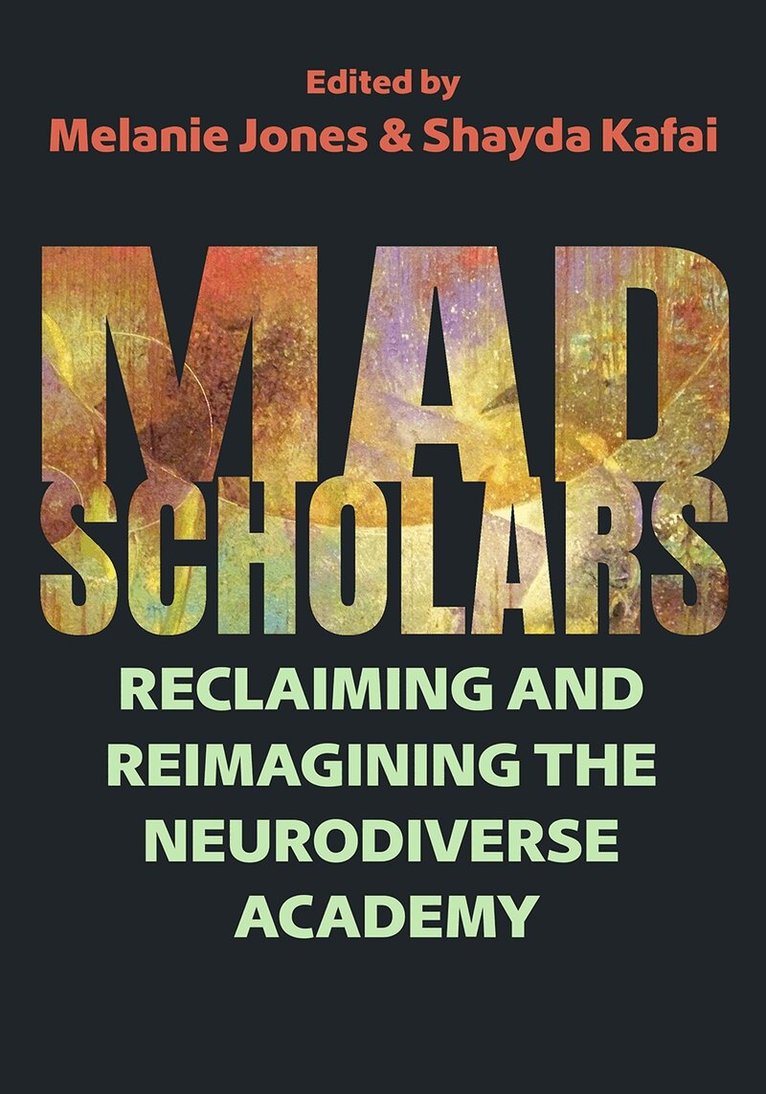
As universities rethink their approach to student and faculty mental health, Mad Scholar showcases academics who proudly embrace the label of the "mad scholar." In twenty-three essays from contributors working in nearly a dozen disciplines across three continents, the volume explores the infinite richness of neurodivergent scholars’ lived experiences, centering their stories in opposition to hegemonic sanism and ableism in the academy. These essays, valuable to any "mad scholar" at any point in their career, highlight the challenges of simply existing within the traditional university model as well as showcase celebrations of community building, self-identification, and connection with students.A corrective for neurodivergent scholars too used to having their experiences and stories told for them, this collection examines how a more open-minded administrative approach to academics who identify at the intersection of various marginalized identities would be a boon both to students and faculty. The essays provide an opportunity to envision a more hopeful, inclusive, and optimistic view of university culture and pedagogy, while offering concrete steps and strategies that radically reimagine the current landscape. Mad Scholars boldly dreams of a better future for anyone who claims the label, seeking to find fellowship, accommodation, and acceptance both within and outside of academia.
1 034 kr
Skickas inom 7-10 vardagar
As universities rethink their approach to student and faculty mental health, Mad Scholar showcases academics who proudly embrace the label of the "mad scholar." In twenty-three essays from contributors working in nearly a dozen disciplines across three continents, the volume explores the infinite richness of neurodivergent scholars’ lived experiences, centering their stories in opposition to hegemonic sanism and ableism in the academy. These essays, valuable to any "mad scholar" at any point in their career, highlight the challenges of simply existing within the traditional university model as well as showcase celebrations of community building, self-identification, and connection with students.A corrective for neurodivergent scholars too used to having their experiences and stories told for them, this collection examines how a more open-minded administrative approach to academics who identify at the intersection of various marginalized identities would be a boon both to students and faculty. The essays provide an opportunity to envision a more hopeful, inclusive, and optimistic view of university culture and pedagogy, while offering concrete steps and strategies that radically reimagine the current landscape. Mad Scholars boldly dreams of a better future for anyone who claims the label, seeking to find fellowship, accommodation, and acceptance both within and outside of academia.