Rhetoric & Public Culture: History, Theory, Critique – serie
Visar alla böcker i serien Rhetoric & Public Culture: History, Theory, Critique. Handla med fri frakt och snabb leverans.
5 produkter
5 produkter
Del 1 - Rhetoric & Public Culture: History, Theory, Critique
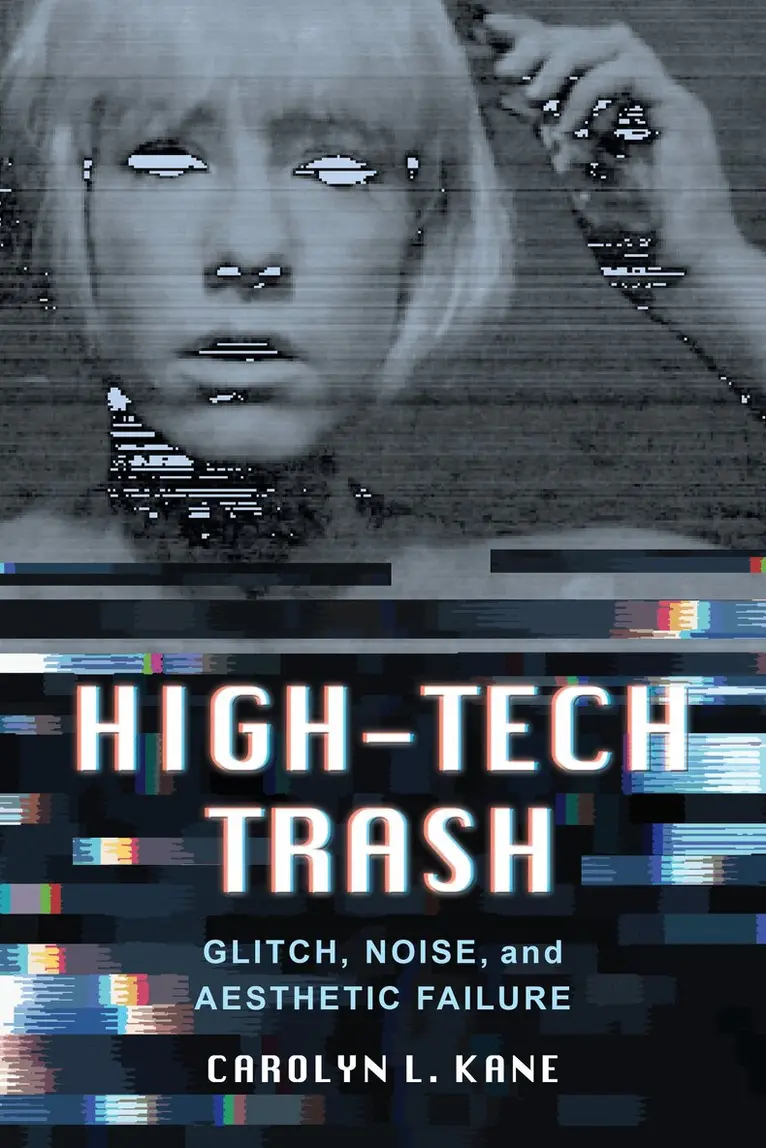
High-Tech Trash
Glitch, Noise, and Aesthetic Failure
Häftad, Engelska, 2019
292 kr
Skickas inom 7-10 vardagar
A free ebook version of this title will be available through Luminos, University of California Press’ Open Access publishing program for monographs. Visit www.luminosoa.org to learn more.High-Tech Trash analyzes creative strategies in glitch, noise, and error to chart the development of an aesthetic paradigm rooted in failure. Carolyn L. Kane explores how technologically influenced creative practices, primarily from the second half of the twentieth and first quarter of the twenty-first centuries, critically offset a broader culture of pervasive risk and discontent. In so doing, she questions how we continue onward, striving to do better and acquire more, despite inevitable disappointment. High-Tech Trash speaks to a paradox in contemporary society in which failure is disavowed yet necessary for technological innovation.
Del 2 - Rhetoric & Public Culture: History, Theory, Critique
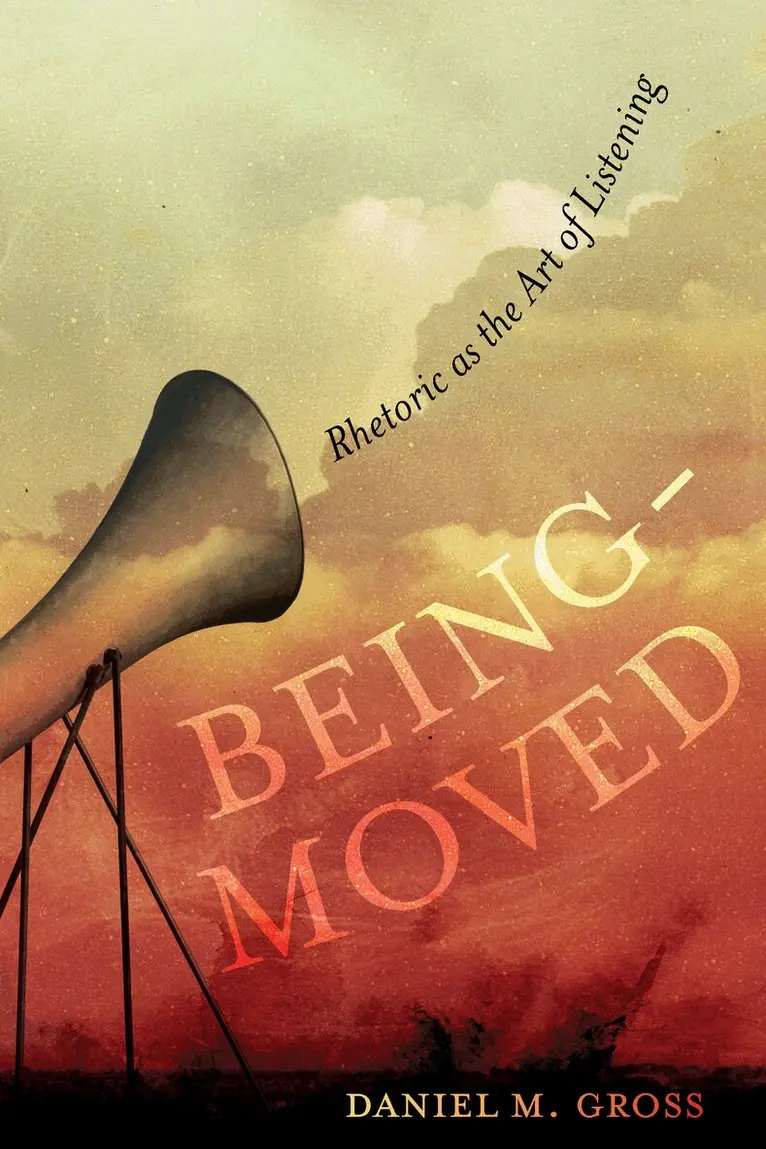
Being-Moved
Rhetoric as the Art of Listening
Inbunden, Engelska, 2020
781 kr
Skickas inom 7-10 vardagar
If rhetoric is the art of speaking, who is listening? In Being-Moved, Daniel M. Gross provides an answer, showing when and where the art of speaking parted ways with the art of listening – and what happens when they intersect once again. Much in the history of rhetoric must be rethought along the way. And much of this rethinking pivots around Martin Heidegger’s early lectures on Aristotle’s Rhetoric where his famous topic, Being, gives way to being-moved. The results, Gross goes on to show, are profound. Listening to the gods, listening to the world around us, and even listening to one another in the classroom – all of these experiences become different when rhetoric is reoriented from the voice to the ear.
Del 2 - Rhetoric & Public Culture: History, Theory, Critique
Being-Moved
Rhetoric as the Art of Listening
Häftad, Engelska, 2020
609 kr
Skickas inom 3-6 vardagar
If rhetoric is the art of speaking, who is listening? In Being-Moved, Daniel M. Gross provides an answer, showing when and where the art of speaking parted ways with the art of listening – and what happens when they intersect once again. Much in the history of rhetoric must be rethought along the way. And much of this rethinking pivots around Martin Heidegger’s early lectures on Aristotle’s Rhetoric where his famous topic, Being, gives way to being-moved. The results, Gross goes on to show, are profound. Listening to the gods, listening to the world around us, and even listening to one another in the classroom – all of these experiences become different when rhetoric is reoriented from the voice to the ear.
Del 3 - Rhetoric & Public Culture: History, Theory, Critique
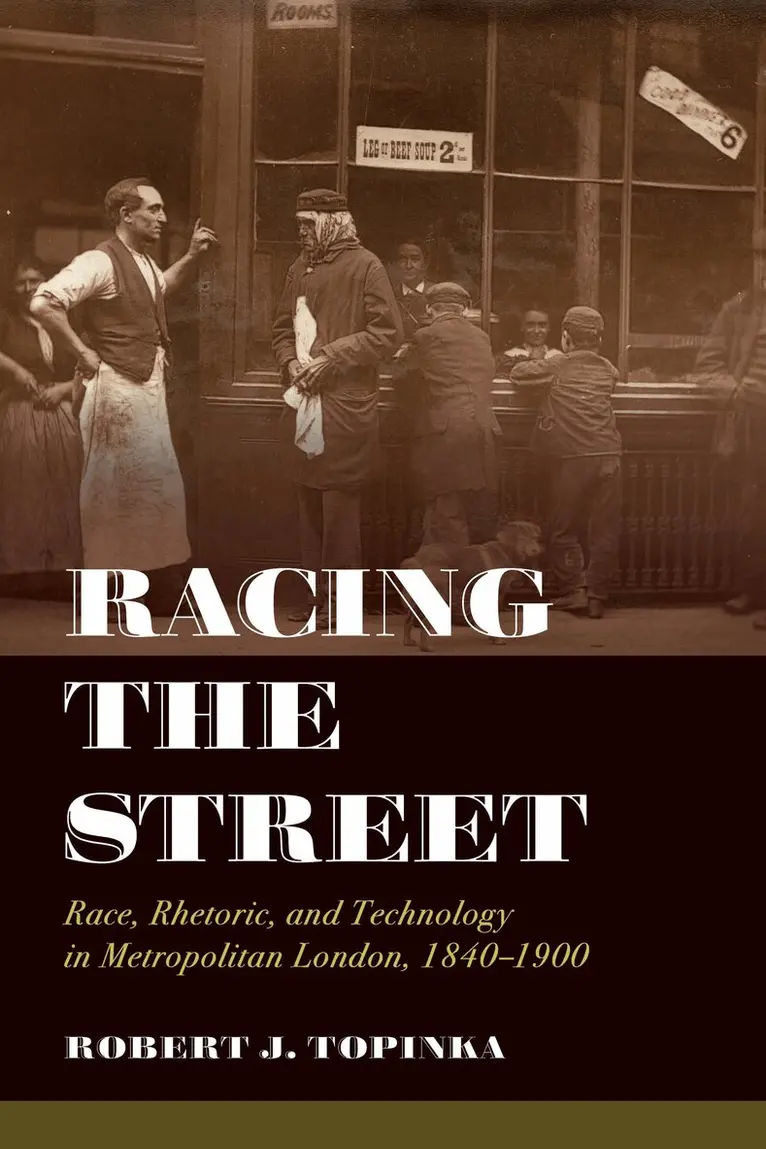
Racing the Street
Race, Rhetoric, and Technology in Metropolitan London, 1840-1900
Inbunden, Engelska, 2020
1 513 kr
Skickas inom 3-6 vardagar
Racing the Street traces the history of how race was used as a technology for gathering, assembling, and networking the early cosmopolitan city. Drawing on an archive that ranges from engineering blueprints and parliamentary committee reports to sensationalistic pamphlets and periodical press accounts, Robert J. Topinka conducts an original genealogy of the nineteenth-century London street, demonstrating how race as a technology gathers, sorts, and assembles the teeming particularities of the street into a manageable network. This interdisciplinary study offers a novel approach to the intersections of race, rhetoric, media, technology, and urban government.
Del 3 - Rhetoric & Public Culture: History, Theory, Critique
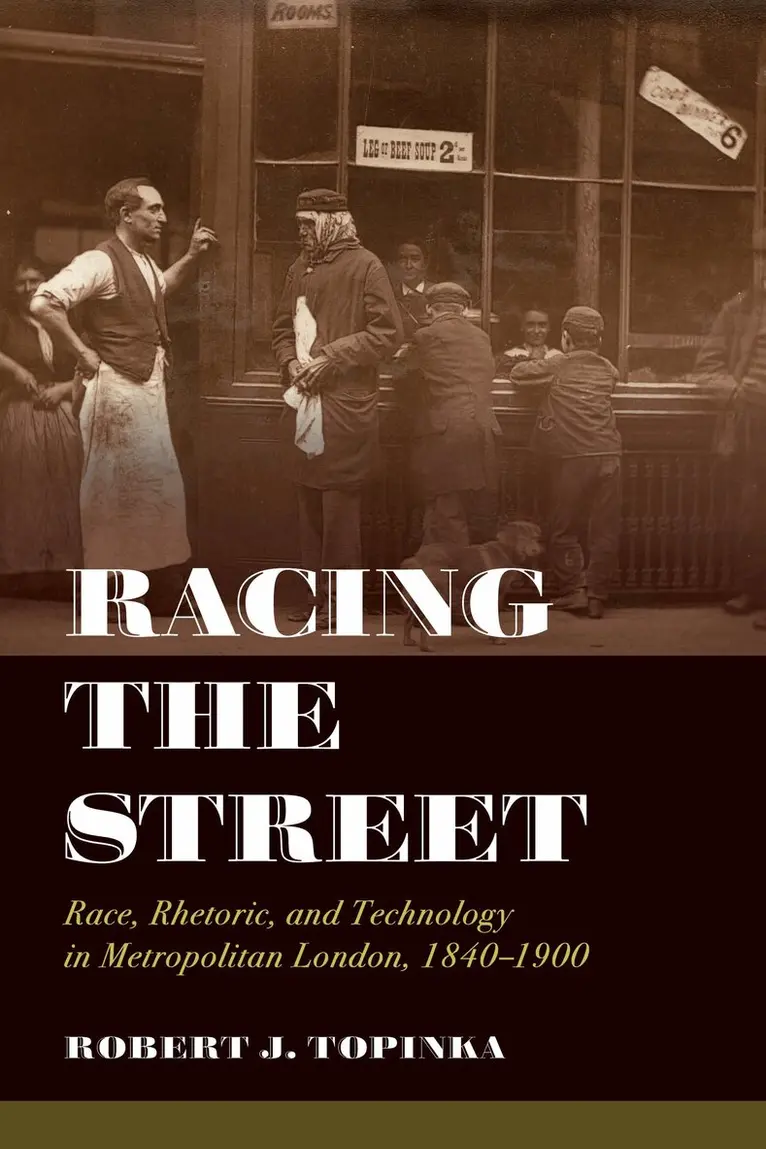
Racing the Street
Race, Rhetoric, and Technology in Metropolitan London, 1840-1900
Häftad, Engelska, 2020
609 kr
Skickas inom 3-6 vardagar
Racing the Street traces the history of how race was used as a technology for gathering, assembling, and networking the early cosmopolitan city. Drawing on an archive that ranges from engineering blueprints and parliamentary committee reports to sensationalistic pamphlets and periodical press accounts, Robert J. Topinka conducts an original genealogy of the nineteenth-century London street, demonstrating how race as a technology gathers, sorts, and assembles the teeming particularities of the street into a manageable network. This interdisciplinary study offers a novel approach to the intersections of race, rhetoric, media, technology, and urban government.