Daniel M. Gross – författare
Visar alla böcker från författaren Daniel M. Gross. Handla med fri frakt och snabb leverans.
11 produkter
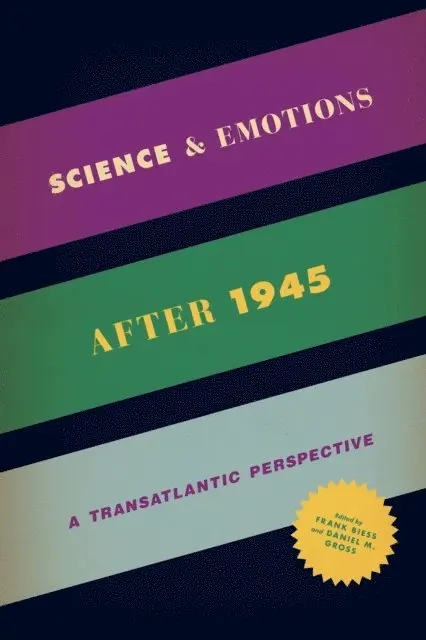
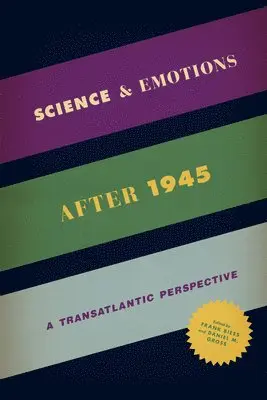
Science and Emotions after 1945
A Transatlantic Perspective
Av Frank Biess, Daniel M. Gross
Häftad, 2014
373 kr
Lägg i varukorg
Through the first half of the twentieth century, emotions were a legitimate object of scientific study across a variety of disciplines. After 1945, however, in the wake of Nazi irrationalism, emotions became increasingly marginalized and postwar rationalism took central stage. Emotion remained on …
Science and Emotions after 1945
A Transatlantic Perspective
Av Daniel M. Gross, Frank Biess
E-bok, 2014
839 kr
Lägg i varukorg
Through the first half of the twentieth century, emotions were a legitimate object of scientific study across a variety of disciplines. After 1945, however, in the wake of Nazi irrationalism, emotions became increasingly marginalized and postwar rationalism took central stage. Emotion remained on …
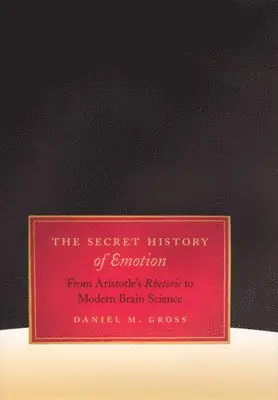
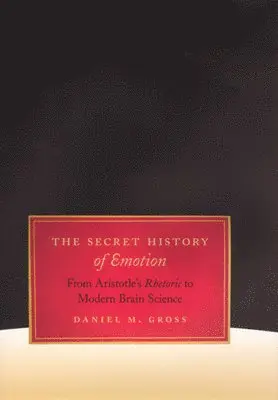
Secret History of Emotion
From Aristotle's Rhetoric to Modern Brain Science
Häftad, 2007
288 kr
Lägg i varukorg
Through a radical rereading of Aristotle, Seneca, Thomas Hobbes, Sarah Fielding, and Judith Butler, among others, Daniel Gross' "The Secret History of Emotion" reveals a persistent intellectual current that considers emotions as psychosocial phenomena. The Roman Stoics, for instance, offer insight …
Uncomfortable Situations
Emotion between Science and the Humanities
Inbunden, 2017
429 kr
Lägg i varukorg
What is a hostile environment? How exactly can feelings be mixed? What on earth might it mean when someone writes that he was "happily situated" as a slave? The answers, of course, depend upon whom you ask. Science and the humanities typically offer two different paradigms for thinking about …
Uncomfortable Situations
Emotion between Science and the Humanities
E-bok, 2017
836 kr
Lägg i varukorg
What is a hostile environment? How exactly can feelings be mixed? What on earth might it mean when someone writes that he was “happily situated” as a slave? The answers, of course, depend upon whom you ask. Science and the humanities typically offer two different paradigms for thinking about …
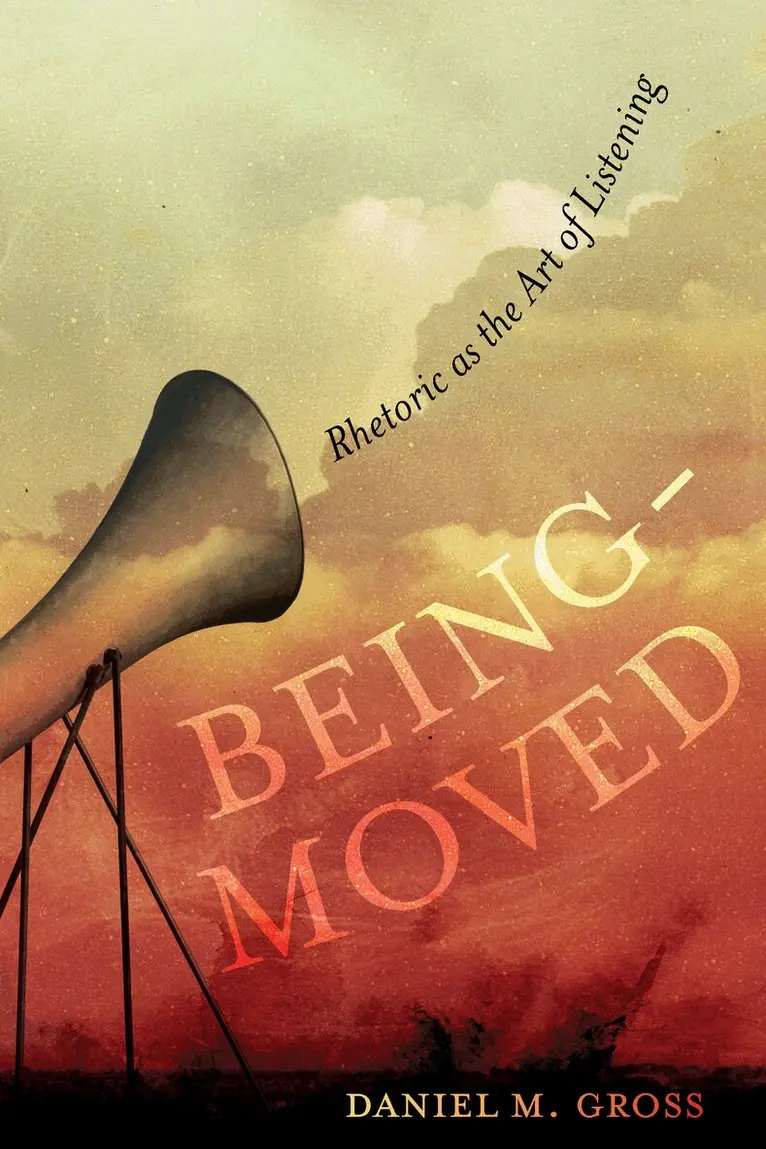
Being-Moved
Rhetoric as the Art of Listening
Inbunden, 2020
840 kr
Lägg i varukorg
If rhetoric is the art of speaking, who is listening? In Being-Moved, Daniel M. Gross provides an answer, showing when and where the art of speaking parted ways with the art of listening – and what happens when they intersect once again. Much in the history of rhetoric must be rethought along the …
Being-Moved
Rhetoric as the Art of Listening
Häftad, 2020
456 kr
Lägg i varukorg
If rhetoric is the art of speaking, who is listening? In Being-Moved, Daniel M. Gross provides an answer, showing when and where the art of speaking parted ways with the art of listening – and what happens when they intersect once again. Much in the history of rhetoric must be rethought along the …
Science and Emotions after 1945
A Transatlantic Perspective
Av Frank Biess, Daniel M. Gross
Inbunden, 2014
1105 kr
Tillfälligt slut
Through the first half of the twentieth century, emotions were a legitimate object of scientific study across a variety of disciplines. After 1945, however, in the wake of Nazi irrationalism, emotions became increasingly marginalized and postwar rationalism took central stage. Emotion remained on …
Secret History of Emotion
From Aristotle's Rhetoric to Modern Brain Science
Inbunden, 2006
456 kr
Tillfälligt slut
Princess Diana's death was a tragedy that provoked mourning across the globe; the death of a homeless person, more often than not, is met with apathy. How can we account for this uneven distribution of emotion? Can it simply be explained by the prevailing scientific understanding? Uncovering a rich …
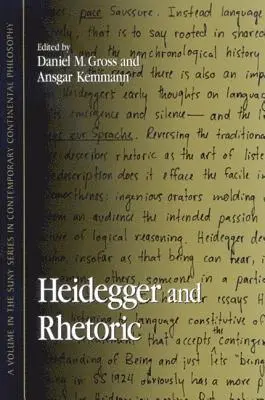
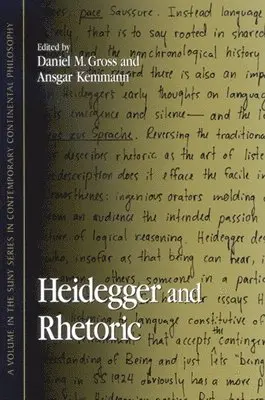
Heidegger and Rhetoric
Av Daniel M. Gross, Ansgar Kemmann
Inbunden, 2005
1087 kr
Tillfälligt slut
Leading scholars address Heidegger's 1924 lecture course, "Basic Concepts of Aristotelian Philosophy."Featuring essays by renowned scholars Michael J. Hyde, Theodore Kisiel, Mark Michalski, Otto Pöggeler, and Nancy S. Struever, this book provides the definitive treatment of Martin Heidegger's 1924 …
Heidegger and Rhetoric
Av Daniel M. Gross, Ansgar Kemmann
Häftad, 2006
401 kr
Tillfälligt slut
Leading scholars address Heidegger's 1924 lecture course, "Basic Concepts of Aristotelian Philosophy."Featuring essays by renowned scholars Michael J. Hyde, Theodore Kisiel, Mark Michalski, Otto Pöggeler, and Nancy S. Struever, this book provides the definitive treatment of Martin Heidegger's 1924 …