Cultures of Play – serie
Visar alla böcker i serien Cultures of Play. Handla med fri frakt och snabb leverans.
9 produkter
9 produkter
727 kr
Skickas inom 10-15 vardagar
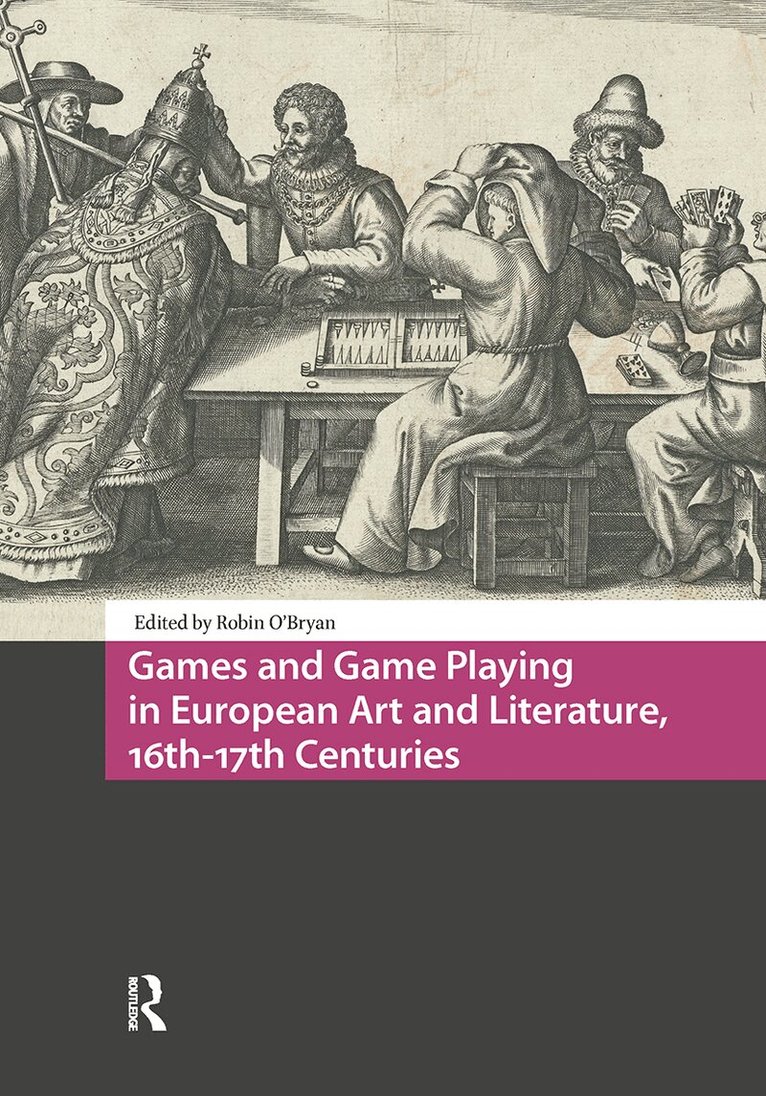
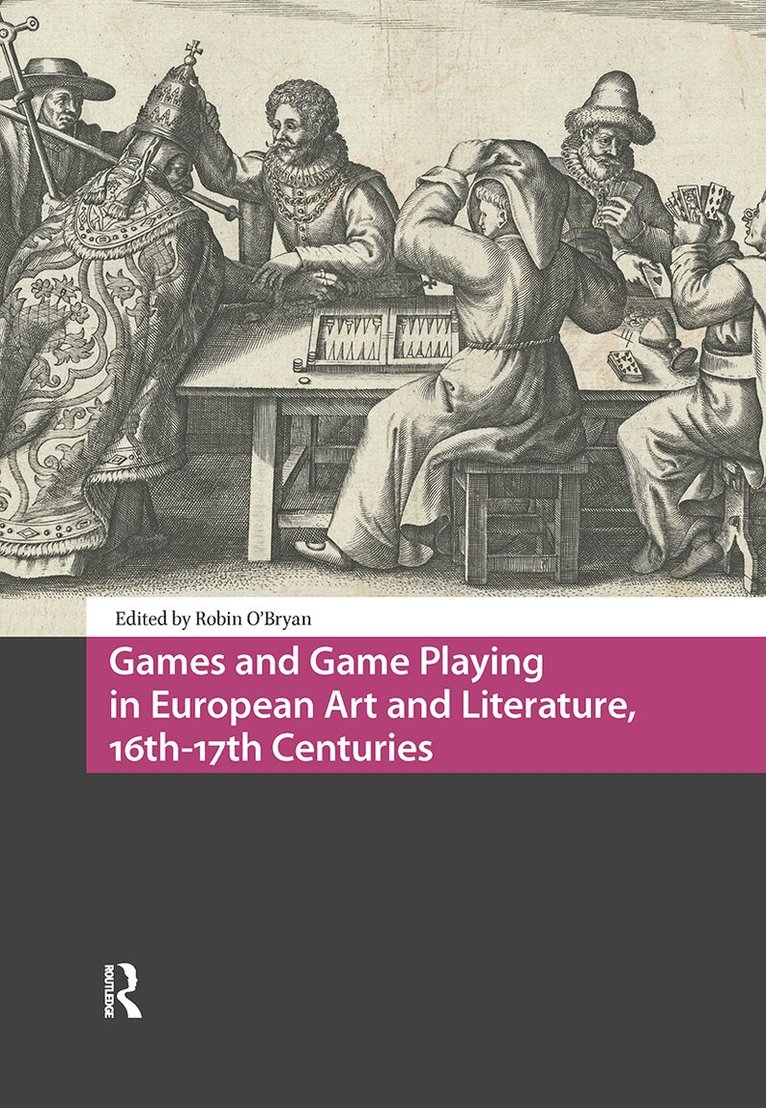
This collection of essays examines the vogue for games and game playing as expressed in art and literature in sixteenth- and seventeenth-century Europe. Focusing on games as a leitmotif of creative expression, these scholarly inquiries are framed as a response to two main questions: how were games used to convey special meanings in art and literature, and how did games speak to greater issues in European society? In chapters dealing with chess, playing cards, board games, dice, gambling, and outdoor and sportive games, essayists show how games were used by artists, writers, game makers and collectors, in the service of love and war, didactic and moralistic instruction, commercial enterprise, politics and diplomacy, and assertions of civic and personal identity. Offering innovative iconographical and literary interpretations, their analyses reveal how games“played, written about, illustrated and collected“functioned as metaphors for a host of broader cultural issues related to gender relations and feminine power, class distinctions and status, ethical and sexual comportment, philosophical and religious ideas, and conditions of the mind.
727 kr
Skickas inom 10-15 vardagar
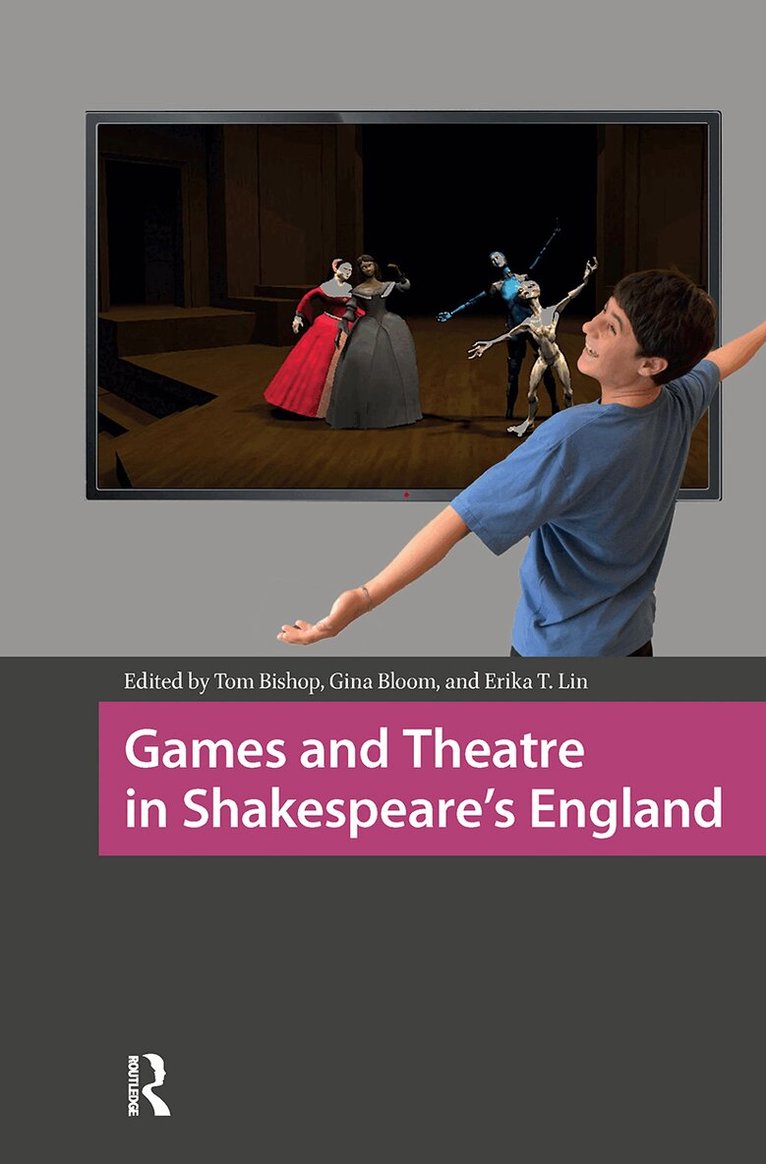
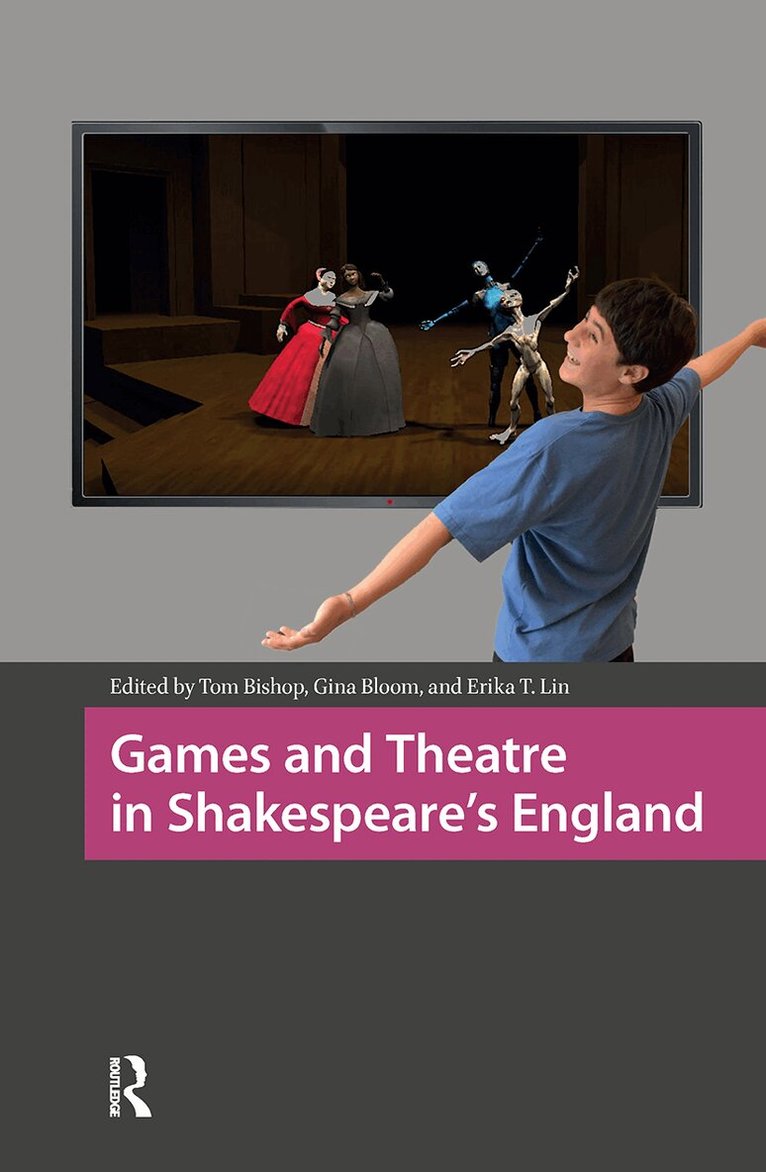
Games and Theatre in Shakespeare's England brings together theories of play and game with theatre and performance to produce new understandings of the history and design of early modern English drama. Through literary analysis and embodied practice, an international team of distinguished scholars examines a wide range of games—from dicing to bowling to role-playing to videogames—to uncover their fascinating ramifications for the stage in Shakespeare’s era and our own. Foregrounding ludic elements challenges the traditional view of drama as principally mimesis, or imitation, revealing stageplays to be improvisational experiments and participatory explorations into the motive, means, and value of recreation. Delving into both canonical masterpieces and hidden gems, this innovative volume stakes a claim for play as the crucial link between games and early modern theatre, and for the early modern theatre as a critical site for unraveling the continued cultural significance and performative efficacy of gameplay today.
727 kr
Skickas inom 10-15 vardagar
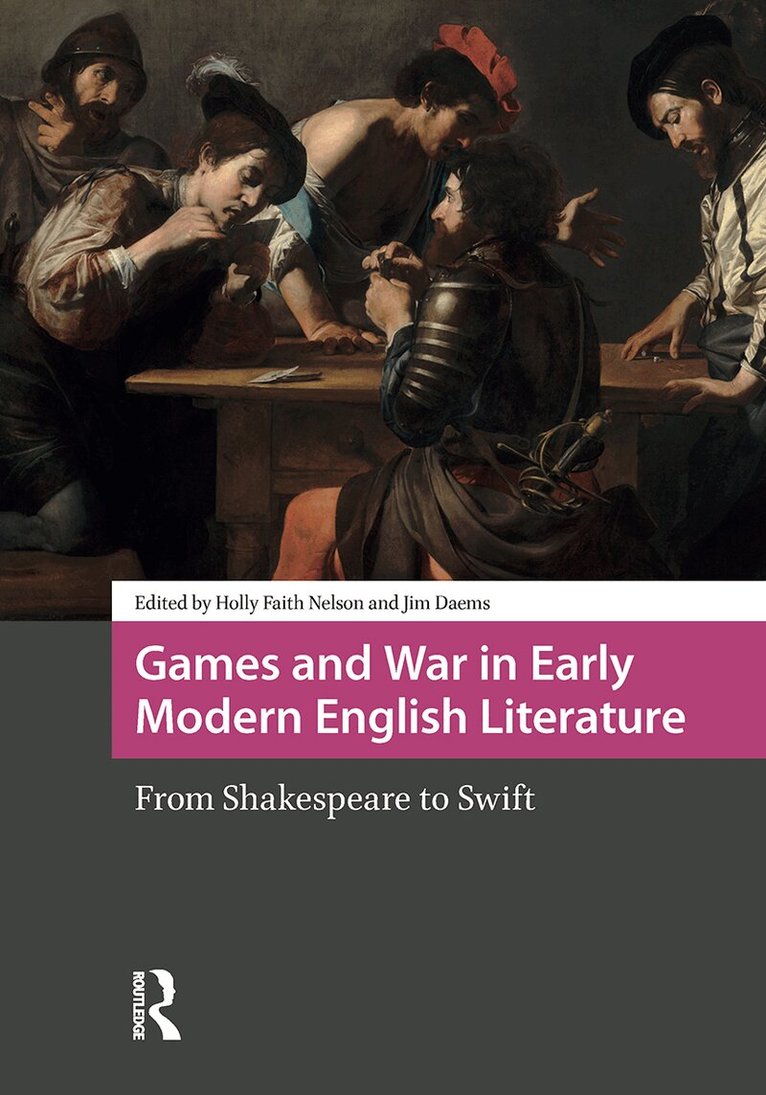
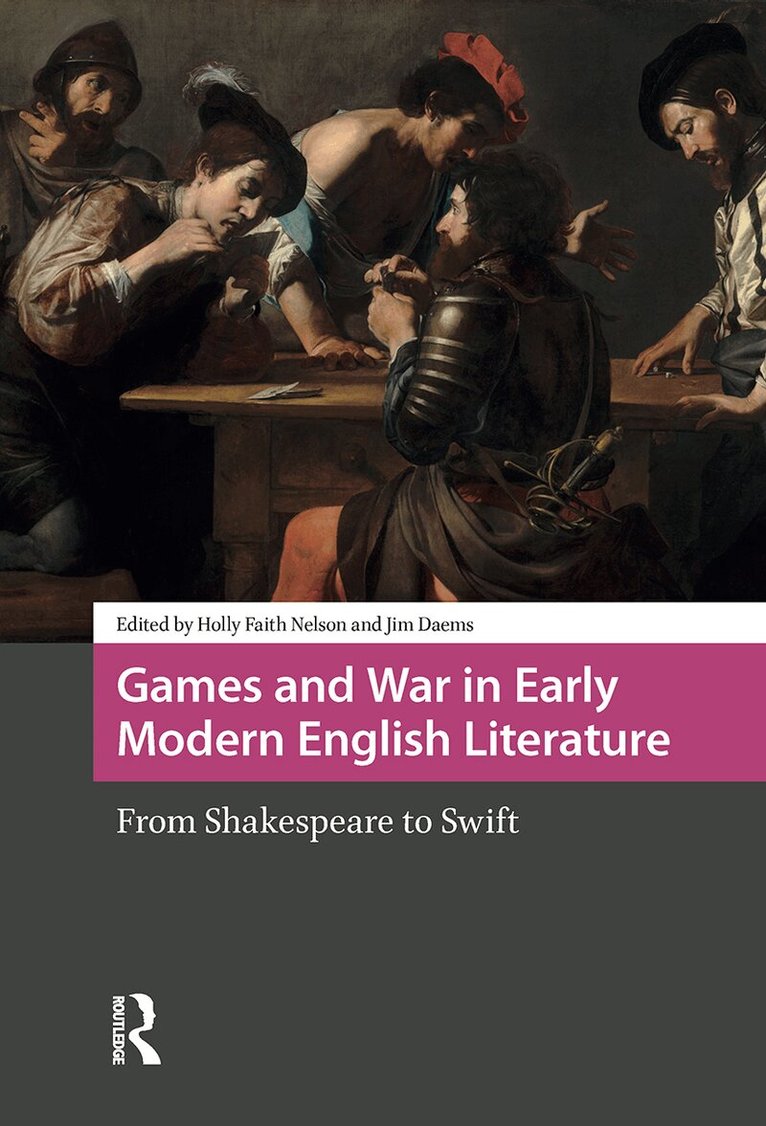
This pioneering collection of nine original essays carves out a new conceptual path in the field by theorizing the ways in which the language of games and warfare inform and illuminate each other in the early modern cultural imagination. They consider how warfare and games are mapped onto each other in aesthetically and ideologically significant ways in the early modern plays, poetry or prose of William Shakespeare, Thomas Morton, John Milton, Margaret Cavendish, Aphra Behn, and Jonathan Swift, among others. Contributors interpret the terms 'war games' or 'games of war' broadly, freeing them to uncover the more complex and abstract interplay of war and games in the early modern mind, taking readers from the cockpits and clowns of Shakespearean drama, through the intriguing manuals of cryptographers and the ingenious literary wargames of Restoration women authors, to the witty but rancorous paper wars of the late seventeenth and early eighteenth centuries.
727 kr
Skickas inom 10-15 vardagar
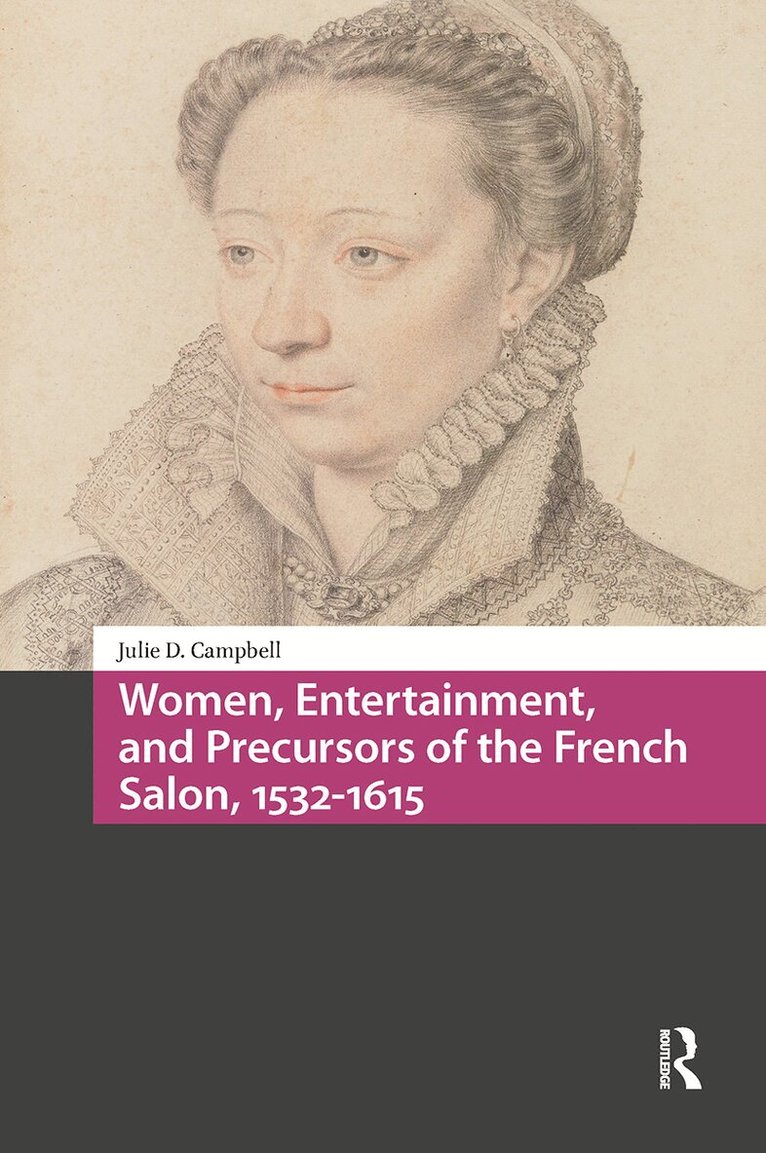
This study of ludic literary society in sixteenth-century France addresses Italianate practices of philosophical and literary sociability as they took root there. It asserts that entertainment activities of women-led circles illustrate the richly complex precursors of the seventeenth-century salons. Notions from the philosophy of play, such as those developed by Johan Huizinga, Eugen Fink, and Roger Caillois, who argue that play is critically intertwined with the development of society, provide a theoretical path across these periods of women’s engagement in literary culture. The barrister Estienne Pasquier, whose voluminous network of literary and legal connections permitted him entry into the society of such women, acts as an eyewitness to sixteenth-century circles. Ultimately, we see that the ludic activities in such society produced powerful influences that extended beyond the confines of the groups in question to shape ideas, attitudes, and activities—such as those of the salon cultural norms to come.
2 017 kr
Skickas inom 10-15 vardagar
Games and Theatre in Shakespeare's England brings together theories of play and game with theatre and performance to produce new understandings of the history and design of early modern English drama.
2 176 kr
Kommande
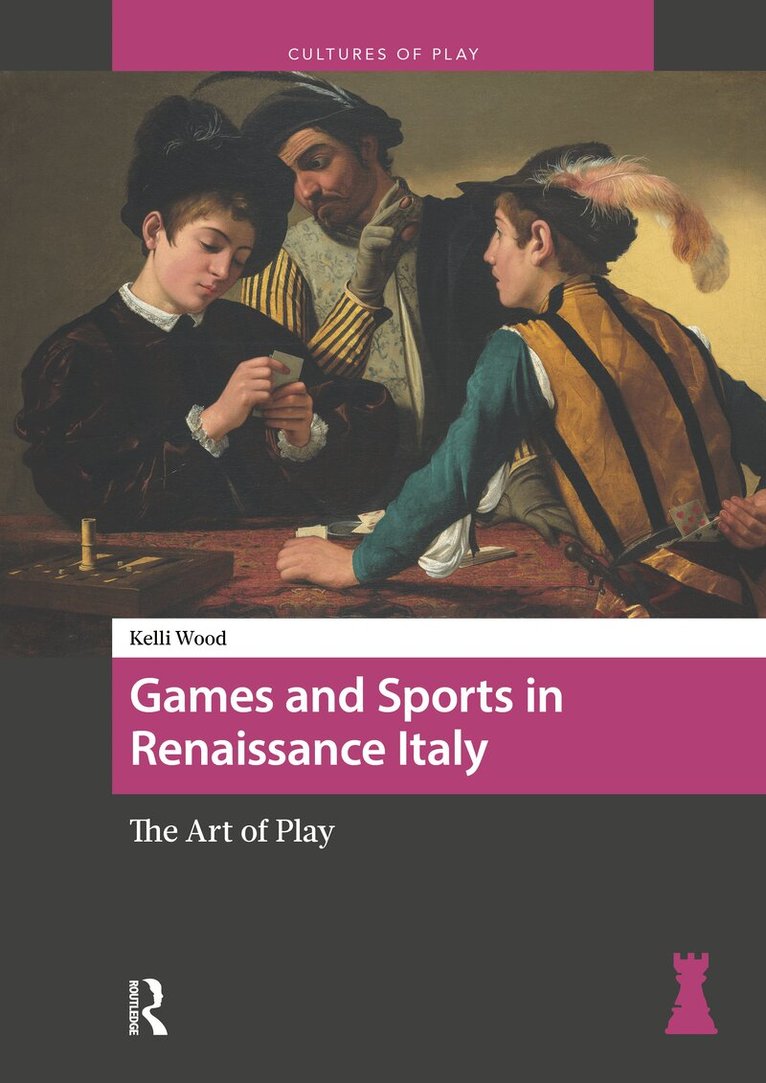
This book offers a cultural, visual, and material history of games in Renaissance Italy. Games in the Renaissance offered an inventive and imaginative understanding of the world for their players, one founded not only on iterative performances but also through a visual and material culture imbricated in early modern Italy’s ideologically inflected artistic, scientific, and social systems.As this book demonstrates, the materia of play took part in shaping the imaginary of the Cinquecento and its roots in the Quattrocento within a network of interwoven courts, intellectual circles, and civic centers situated on the Italian peninsula. For makers, players, viewers, and patrons, for lords, professional athletes, and gambling workmen, the visual culture of games – the art of play – stood at the very center of the world we have long known as the Renaissance.Games and Sports in Renaissance Italy above all focuses on how the material and visual cultures of games shaped their performance and practice and, crucially, our knowledge of the past. The structure of this book echoes infamous gambler and polymath Cardano’s categorization of games as Games of Wit (including both skill and mixed skill and chance), Games of Fortune (including both chance and Terence’s fate), and Games of Vigor (including athletics of agility and strength). This book will resonate with scholars and students of Renaissance studies, art history, and cultural history, offering fresh perspectives on the material and visual cultures of games.
1 868 kr
Skickas inom 10-15 vardagar
The study adds a new focus on female letter writing, the formation of social networks, and the gender dynamics at play in the households and communities of early modern Florence and Tuscany.
2 091 kr
Skickas inom 10-15 vardagar
This collection of essays examines the vogue for games and game playing as expressed in art, architecture, and literature in sixteenth- and seventeenth-century Europe.
Del 4 - Cultures of Play
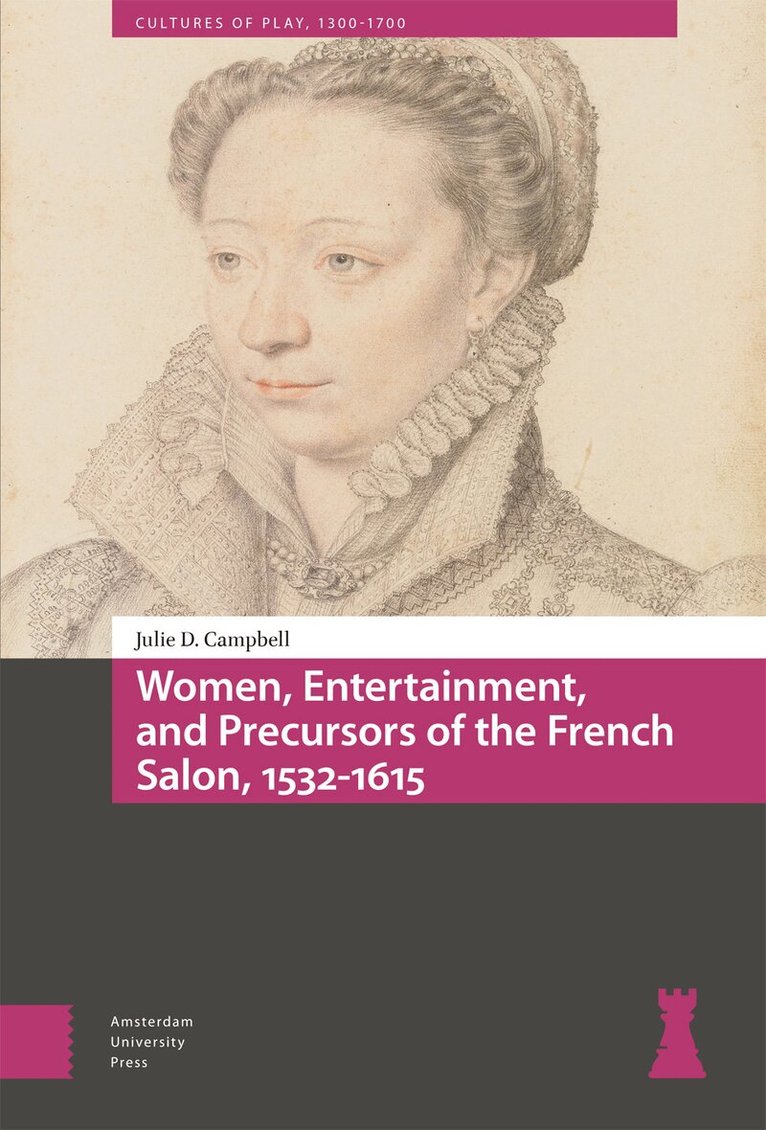
Women, Entertainment, and Precursors of the French Salon, 1532-1615
Inbunden, Engelska, 2023
2 017 kr
Skickas inom 10-15 vardagar
This study of ludic literary society in sixteenth-century France addresses Italianate practices of philosophical and literary sociability as they took root there. It asserts that entertainment activities of women-led circles illustrate the richly complex precursors of the seventeenth-century salons. Notions from the philosophy of play, such as those developed by Johan Huizinga, Eugen Fink, and Roger Caillois, who argue that play is critically intertwined with the development of society, provide a theoretical path across these periods of women’s engagement in literary culture. The barrister Estienne Pasquier, whose voluminous network of literary and legal connections permitted him entry into the society of such women, acts as an eyewitness to sixteenth-century circles. Ultimately, we see that the ludic activities in such society produced powerful influences that extended beyond the confines of the groups in question to shape ideas, attitudes, and activities—such as those of the salon cultural norms to come.