D.J. WEBER SERIES NEW BORDERLANDS – Serie
Visar alla böcker i serien D.J. WEBER SERIES NEW BORDERLANDS. Handla med fri frakt och snabb leverans.
4 produkter
4 produkter
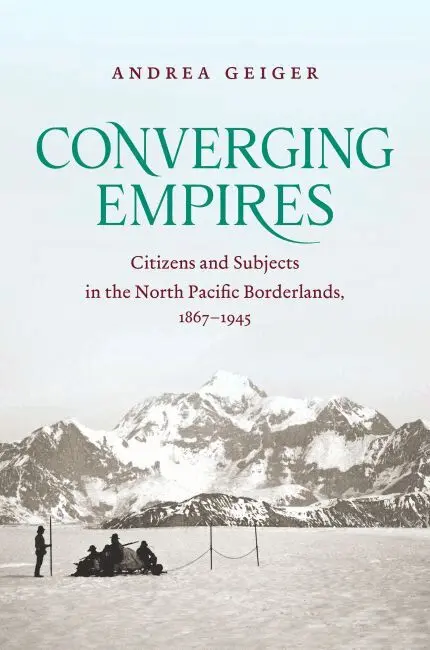
Converging Empires
Citizens and Subjects in the North Pacific Borderlands, 1867–1945
Häftad, Engelska, 2022
347 kr
Skickas inom 7-10 vardagar
Making a vital contribution to our understanding of North American borderlands history through its examination of the northernmost stretches of the U.S.-Canada border, Andrea Geiger highlights the role that the North Pacific borderlands played in the construction of race and citizenship on both sides of the international border from 1867, when the United States acquired Russia's interests in Alaska, through the end of World War II. Imperial, national, provincial, territorial, reserve, and municipal borders worked together to create a dynamic legal landscape that both Indigenous and non-Indigenous people negotiated in myriad ways as they traversed these borderlands. Adventurers, prospectors, laborers, and settlers from Europe, Canada, the United States, Latin America, and Asia made and remade themselves as they crossed from one jurisdiction to another. Within this broader framework, Geiger pays particular attention to the ways in which Japanese migrants and the Indigenous people who had made this borderlands region their home for millennia—Tlingit, Haida, and Tsimshian among others—negotiated the web of intersecting boundaries that emerged over time, charting the ways in which they infused these reconfigured national, provincial, and territorial spaces with new meanings.
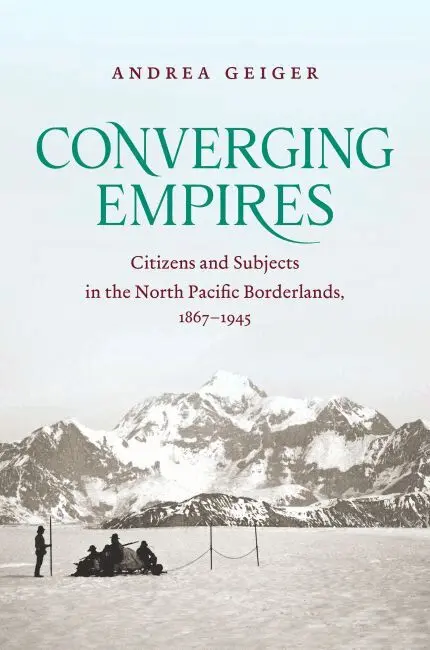
Converging Empires
Citizens and Subjects in the North Pacific Borderlands, 1867–1945
Inbunden, Engelska, 2022
1 054 kr
Skickas inom 10-15 vardagar
Making a vital contribution to our understanding of North American borderlands history through its examination of the northernmost stretches of the U.S.-Canada border, Andrea Geiger highlights the role that the North Pacific borderlands played in the construction of race and citizenship on both sides of the international border from 1867, when the United States acquired Russia's interests in Alaska, through the end of World War II. Imperial, national, provincial, territorial, reserve, and municipal borders worked together to create a dynamic legal landscape that both Indigenous and non-Indigenous people negotiated in myriad ways as they traversed these borderlands. Adventurers, prospectors, laborers, and settlers from Europe, Canada, the United States, Latin America, and Asia made and remade themselves as they crossed from one jurisdiction to another. Within this broader framework, Geiger pays particular attention to the ways in which Japanese migrants and the Indigenous people who had made this borderlands region their home for millennia—Tlingit, Haida, and Tsimshian among others—negotiated the web of intersecting boundaries that emerged over time, charting the ways in which they infused these reconfigured national, provincial, and territorial spaces with new meanings.
1 054 kr
Skickas inom 10-15 vardagar
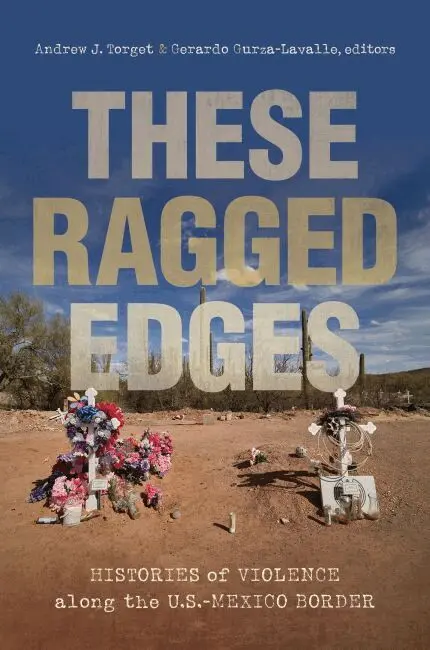
The U.S.-Mexico border has earned an enduring reputation as a site of violence. During the past twenty years in particular, the drug wars--fueled by the international movement of narcotics and vast sums of money--have burned an abiding image of the border as a place of endemic danger into the consciousness of both countries. By the media, popular culture, and politicians, mayhem and brutality are often portrayed as the unavoidable birthright of this transnational space. Through multiple perspectives from both sides of the border, the collected essays in These Ragged Edges directly challenge that idea, arguing that rapidly changing conditions along the U.S.-Mexico border through the nineteenth, twentieth, and twenty-first centuries have powerfully shaped the ebb and flow of conflict within the region. By diving deeply into diverse types of violence, contributors dissect the roots and consequences of border violence across numerous eras, offering a transnational analysis of how and why violence has affected the lives of so many inhabitants on both sides of the border.Contributors include Alberto Barrera-Enderle, Alice Baumgartner, Timothy Bowman, Lance R. Blyth, Elaine Carey, William D. Carrigan, Jose Carlos Cisneros Guzman, Alejandra Diaz de Leon, Miguel Angel Gonzalez-Quiroga, Santiago Ivan Guerra, Gerardo Gurza-Lavalle, Sonia Hernandez, Alan Knight, Jose Gabriel Martinez Serna, Brandon Morgan, and Joaquin Rivaya-Martinez, Andrew J. Torget, and Clive Webb.
347 kr
Skickas inom 7-10 vardagar
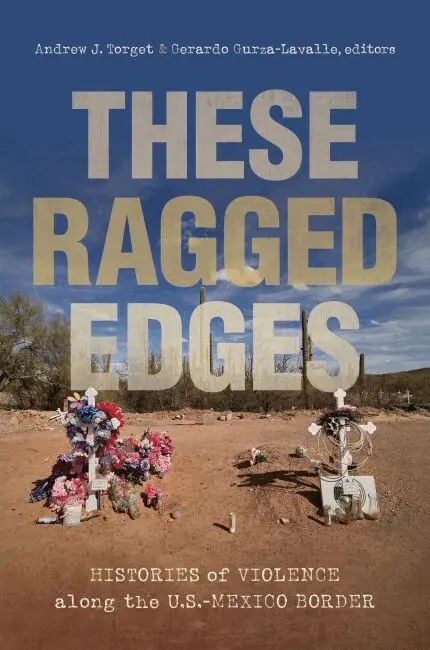
The U.S.-Mexico border has earned an enduring reputation as a site of violence. During the past twenty years in particular, the drug wars--fueled by the international movement of narcotics and vast sums of money--have burned an abiding image of the border as a place of endemic danger into the consciousness of both countries. By the media, popular culture, and politicians, mayhem and brutality are often portrayed as the unavoidable birthright of this transnational space. Through multiple perspectives from both sides of the border, the collected essays in These Ragged Edges directly challenge that idea, arguing that rapidly changing conditions along the U.S.-Mexico border through the nineteenth, twentieth, and twenty-first centuries have powerfully shaped the ebb and flow of conflict within the region. By diving deeply into diverse types of violence, contributors dissect the roots and consequences of border violence across numerous eras, offering a transnational analysis of how and why violence has affected the lives of so many inhabitants on both sides of the border.Contributors include Alberto Barrera-Enderle, Alice Baumgartner, Timothy Bowman, Lance R. Blyth, Elaine Carey, William D. Carrigan, Jose Carlos Cisneros Guzman, Alejandra Diaz de Leon, Miguel Angel Gonzalez-Quiroga, Santiago Ivan Guerra, Gerardo Gurza-Lavalle, Sonia Hernandez, Alan Knight, Jose Gabriel Martinez Serna, Brandon Morgan, and Joaquin Rivaya-Martinez, Andrew J. Torget, and Clive Webb.