Early Arabic Printing in the East – serie
Visar alla böcker i serien Early Arabic Printing in the East. Handla med fri frakt och snabb leverans.
10 produkter
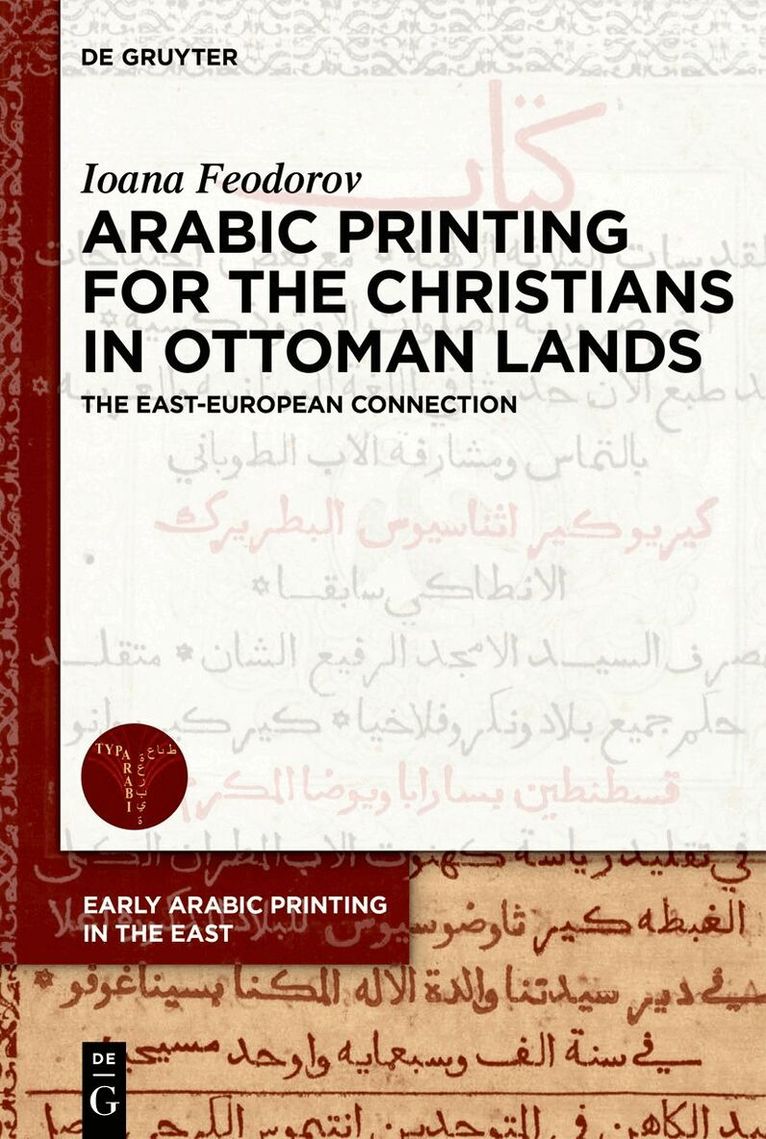
Arabic Printing for the Christians in Ottoman Lands
The East-European Connection
Av Ioana Feodorov, European Research Council
Inbunden, 2023
1318 kr
Lägg i varukorg
Arabic printing began in Eastern Europe and the Ottoman Levant through the association of the scholar and printer Antim the Iberian, later a metropolitan of Wallachia, and Athanasios III Dabbās, twice patriarch of Antioch, when the latter, as metropolitan of Aleppo, was sojourning in Bucharest. …
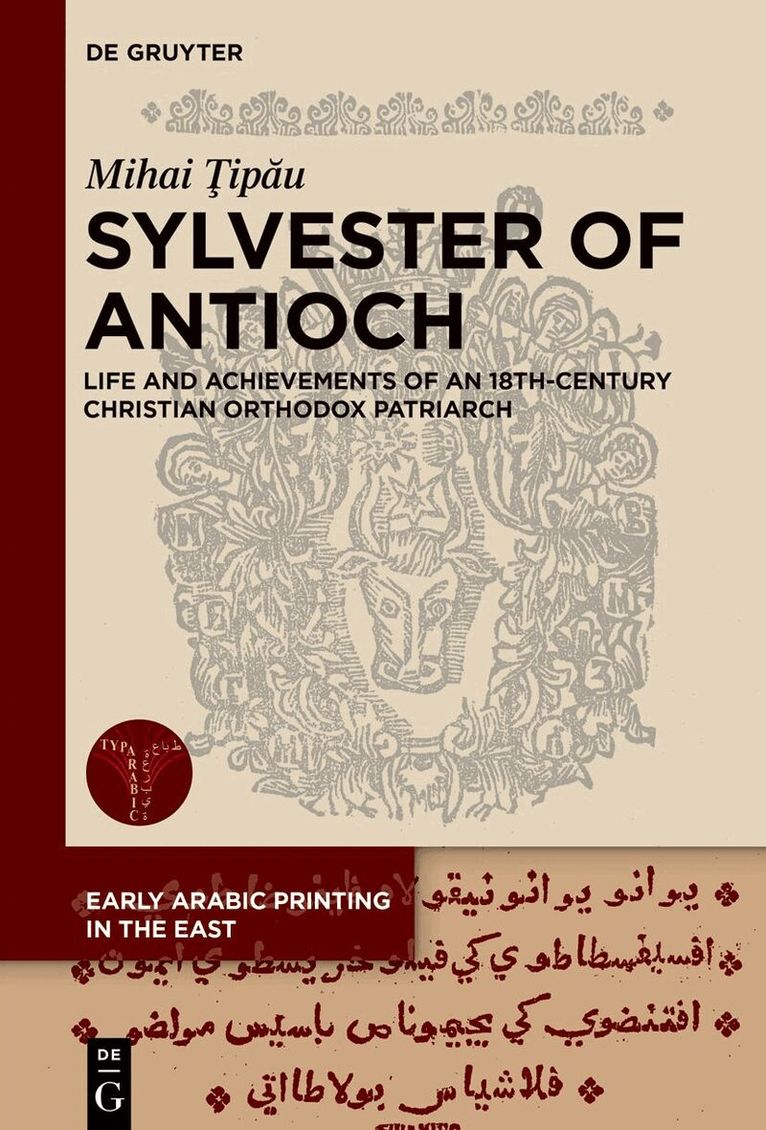
Sylvester of Antioch
Life and Achievements of an 18th-Century Christian Orthodox Patriarch
Av Mihai Ţipău
Inbunden, 2024
1359 kr
Lägg i varukorg
In 1724, Sylvester, a native of the island of Cyprus, was elected Patriarch of the Greek Orthodox Church of Antioch and All the East. For more than four decades, he endeavored to preserve the legacy of one of the earliest Christian Churches in the Levant. He faced major challenges because of the …
Books Printed for the Arab Christians in the 18th Century
A Descriptive Catalog
Av Policarp Chițulescu, Yulia Petrova m. fl.
Inbunden, 2026
1682 kr
Lägg i varukorg
This catalog provides descriptive records of 54 Arabic books printed in Eastern Europe and the Arabic-speaking communities in the Ottoman East during the 18th century. It offers a thorough overview of the connections established through printing between the Romanian principalities and …
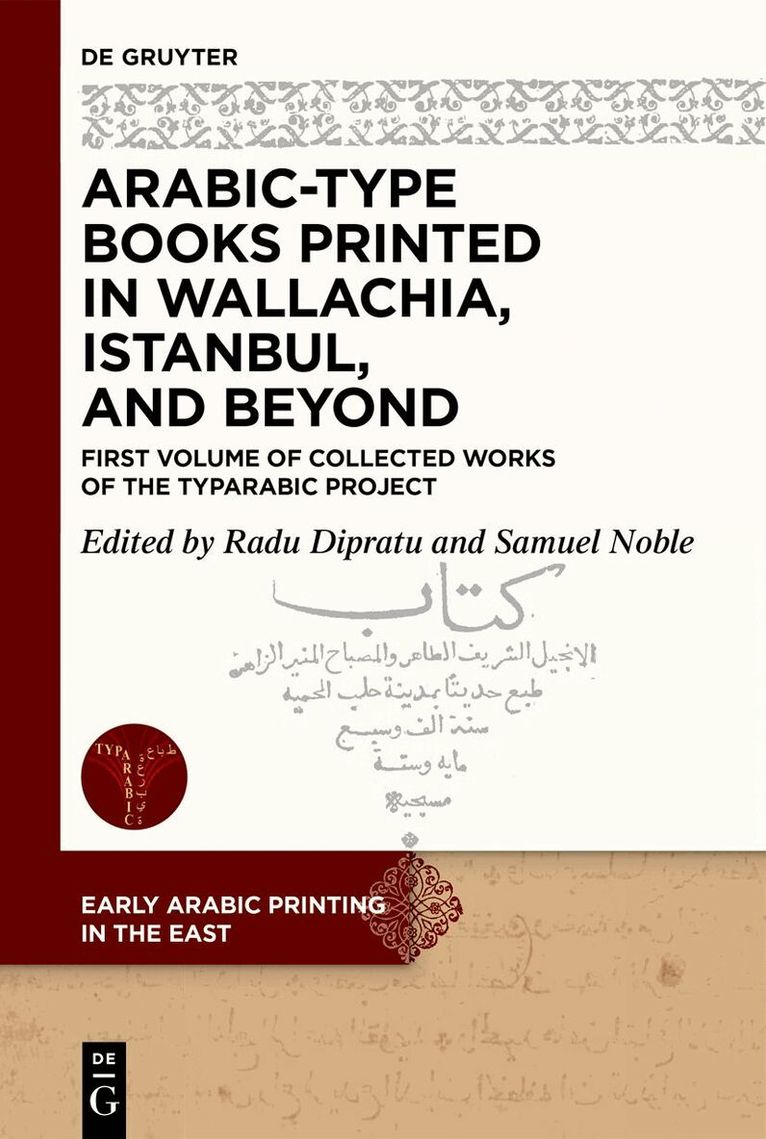
Arabic-Type Books Printed in Wallachia, Istanbul, and Beyond
First Volume of Collected Works of the TYPARABIC Project
Av Radu-Andrei Dipratu, Samuel Noble
Inbunden, 2024
1274 kr
Lägg i varukorg
This first volume of Collected Works of the ERC Project TYPARABIC focuses on the history of printing during the 18th century in the Ottoman Empire and the Romanian Principalities among diverse linguistic and confessional communities. Although "most roads lead to Istanbul," the many pathways of …
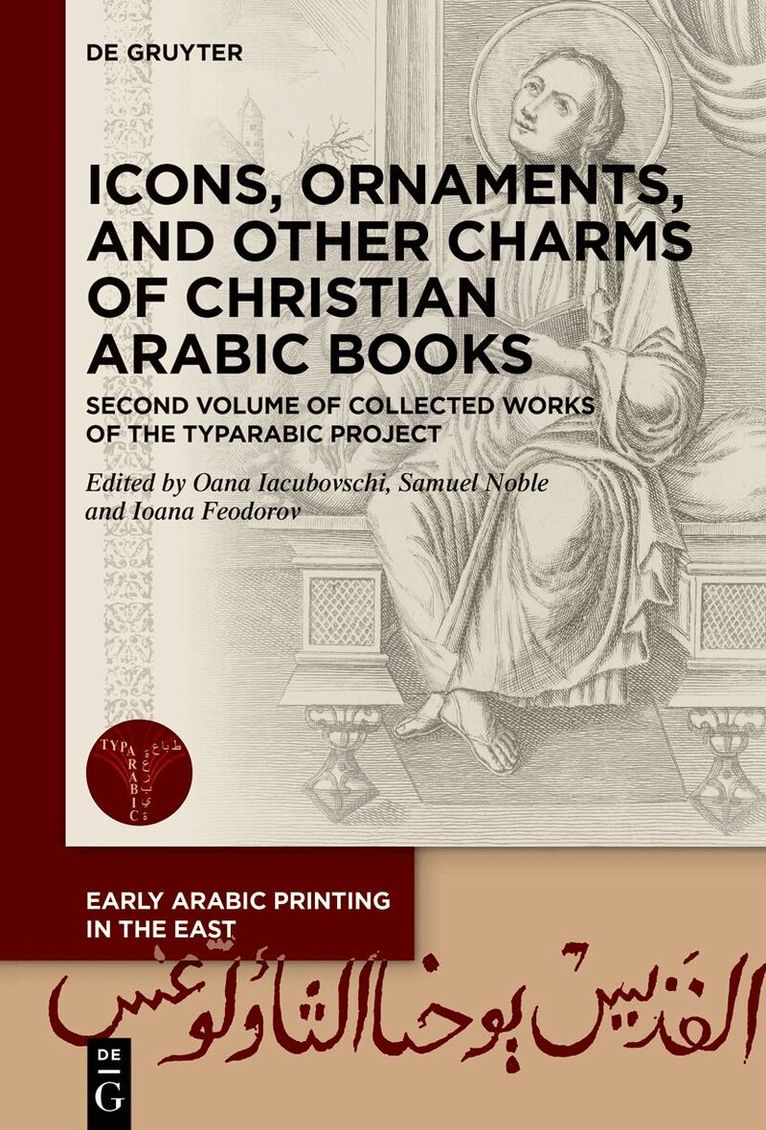
Icons, Ornaments, and Other Charms of Christian Arabic Books
Second Volume of Collected Works of the TYPARABIC Project
Av Oana Iacubovschi, Samuel Noble m. fl.
Inbunden, 2025
1279 kr
Lägg i varukorg
This volume is devoted to the wide range of themes explored by the TYPARABIC project team. It includes essays on the religious and scholarly life of the Arabic-speaking Christians in Ottoman Syria and Lebanon in the 18th century, the efforts of Catholic and Protestant missions to distribute …
Prefaces to 18th-Century Christian Arabic Books
Texts and Translations
Inbunden, 2026
1222 kr
Lägg i varukorg
The Arabic-language and Arabic-type presses established in Eastern Europe and the Middle East beginning in the early 18th century produced a number of books for the needs of Arabic-speaking Christians living in the Ottoman provinces. These books included liturgical texts, homilies, didactic …
Acts of the Synods of Constantinople
Critical Edition, English Translation, and Introduction
Inbunden, 2026
1327 kr
Kommande
In 1747, after printing a few Arabic liturgical and polemical books in Iași, the capital of Moldavia, Sylvester, patriarch of the Greek Orthodox Church of Antioch, relocated to Bucharest. There, he established an Arabic-type press at the Church of Saint Spyridon, a metochion recently granted to him …
Role of Italian Presses in Early Arabic Printing
Third Volume of Collected Works of the TYPARABIC Project
Av Octavian-Adrian Negoiță, Ioana Feodorov
Inbunden, 2026
1327 kr
Lägg i varukorg
This volume contains the proceedings of the fourth TYPARABIC Conference, held in Venice between May 27–29, 2025, together with a selection of additional studies on the religious and intellectual history of Arabic-speaking communities in the Ottoman Levant, that resulted from earlier team …
Müteferrika Press
Arabic Typography in an Ottoman Context
Inbunden, 2025
1367 kr
Lägg i varukorg
This book provides an overview of the activity and the output of the first Turkish press in the Ottoman Empire. Known as the Müteferrika Press, it was founded in Istanbul and was operated most actively from 1726 until 1747 when its founder Ibrahim Müteferrika passed away, though there were some …
Correspondence of Mūsā Ṭrābulsī (1732-1787)
Critical Edition, English Translation, and Introduction
Av Habib Ibrahim, Habib Ibrahim
Inbunden, 2025
1555 kr
Lägg i varukorg
The correspondence of Mūsā Ṭrābulsī preserved in the unique MS 300 of the Orthodox Syriac Patriarchate in Homs is a collection of 71 letters (+1 repeated) received mainly by Mūsā from various correspondents during his tenure as a secretary of Patriarch Sylvester of Antioch (1724-1766) and his …