Eastern European Studies – serie
Visar alla böcker i serien Eastern European Studies. Handla med fri frakt och snabb leverans.
21 produkter
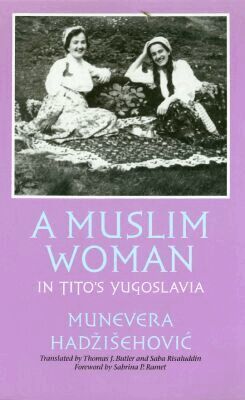
Muslim Woman in Tito's Yugoslavia
Inbunden, 2003
605 kr
Lägg i varukorg
Born in a small river town in the largely Muslim province of Sandzak, Munevera Hadzisehovic grew up in an area sandwiched between the Orthodox Christian regions of Montenegro and Serbia, cut off from other Muslims in Bosnia and Herzegovina. Her story takes her from the rural culture of the early …
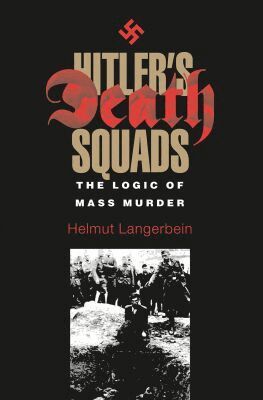
Hitler's Death Squads
The Logic of Mass Murder
Inbunden, 2003
323 kr
Lägg i varukorg
In the preparations for the German invasion of the Soviet Union, special units known as the Einsatzgruppen were formed with the special charge of executing Jews, communists and members of other targeted groups. Drawn from the SS, the SD and the Gestapo, members of the Einsatzgruppen had the …
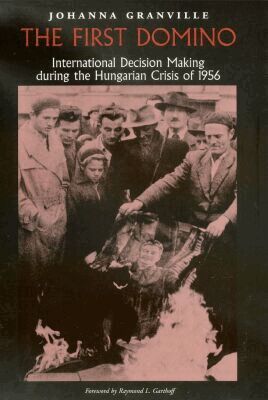
First Domino
International Decision Making During the Hungarian Crisis of 1956
Inbunden, 2003
582 kr
Lägg i varukorg
In the spring and summer of 1956 the Soviet Union invaded Hungary to reassert control of the country. This text is a full analysis, drawing on archival collections from the Eastern bloc countries to reinterpret decision making during this Cold War crisis. Johanna Granville selects four key patterns …
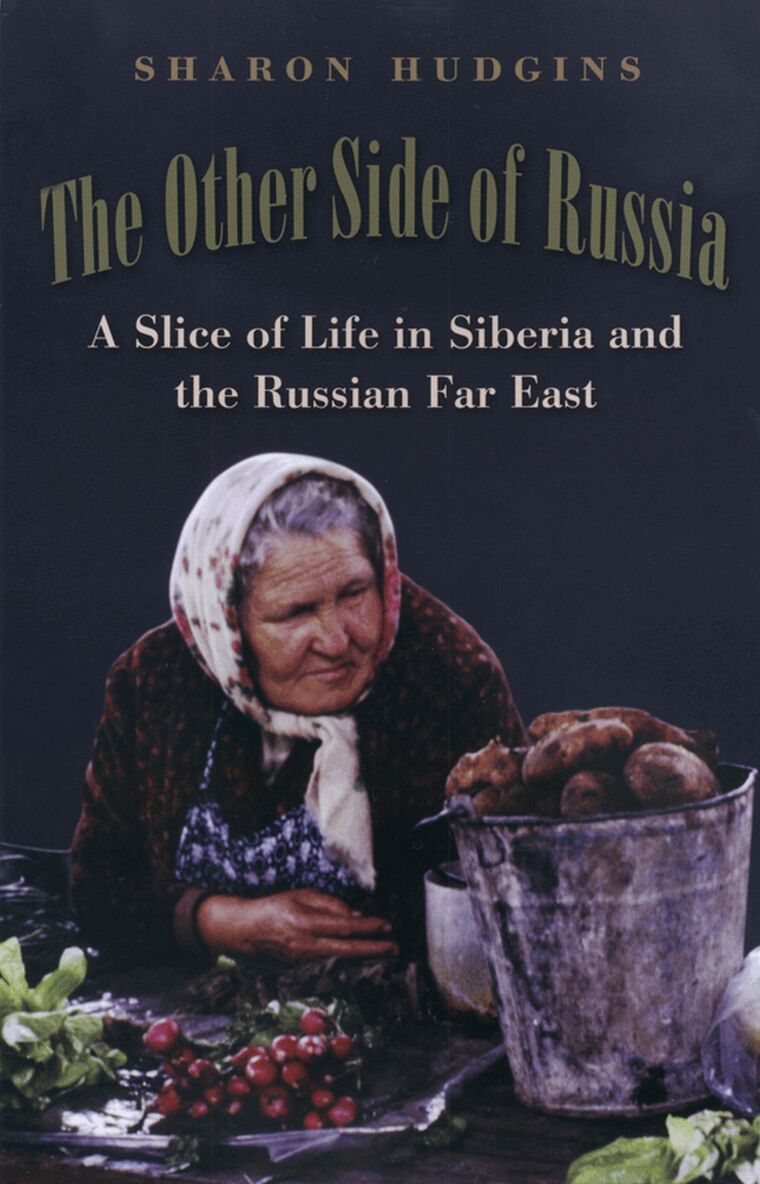
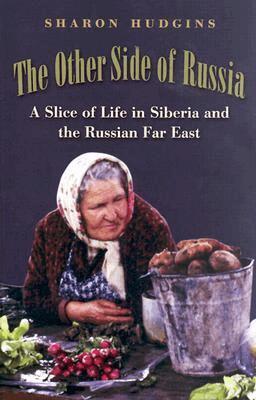
Other Side of Russia
A Slice of Life in Siberia and the Russian Far East
Häftad, 2004
263 kr
Lägg i varukorg
Award-winning author Sharon Hudgins takes readers on a personal adventure through the Asian side of Russia - from the ""high-rise villages"" of Vladivostok and Irkutsk to Lake Baikal and the Trans-Siberian Railroad route. Join her as a guest confronted with exotic dishes at Christmas parties, New …
Budapest Exit
A Memoir of Fascism, Communism, and Freedom
Av Csaba Teglas
Häftad, 2007
232 kr
Lägg i varukorg
Faced with fascism, communism, and the 1956 Revolution, Csaba Teglas responded with ingenuity and hope. In ""Budapest Exit"", he tells the story of his twenty-year quest for freedom. Teglas rummaged the scrap heap of World War II for anything he could sell to get food money for his family. The …
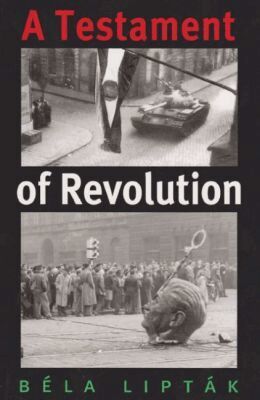
Testament of Revolution
Av Bela Liptak
Häftad, 2007
225 kr
Lägg i varukorg
Terse, staccato, like a dispatch from the front, Bela Liptak's ""A Testament of Revolution"" gives readers a vivid, firsthand look at the brief, doomed struggle of Hungarian freedom fighters against Russian oppressors. Written in 1956 in an Austrian refugee camp, where the author had fled to escape …
Gorbachev's Glasnost
The Soviet Media in the First Phase of Perestroika
Av Joseph Gibbs
Inbunden, 1999
314 kr
Tillfälligt slut
New Elite in Post-Communist Eastern Europe
Av Vladimir Shlapentokh, etc. m. fl.
Inbunden, 1999
524 kr
Tillfälligt slut
Testimony of a Bosnian
Inbunden, 2001
392 kr
Tillfälligt slut
Surrounded by terror and genocide, Naza Tanovic-Miller and her family witnessed starvation, rape and murder during the war in Bosnia and the tense days and nights that led up to it. In this testimony, she gives a personal account of these events and identifies the perpetrators of the crisis.
Unholy Alliance
Greece and Serbia in the Nineties
Av Takis Michas
Inbunden, 2002
352 kr
Tillfälligt slut
This is an account of the war in the Balkans during the 1990s. As the only member of NATO and the European Union to support Slobodan Milosevic's regime in the conflict following the breakup of Yugoslavia, Greece broke ranks with its western allies, frustrating their efforts to impose sanctions …
Political Culture and National Identity in Russian-Ukrainian Relations
Inbunden, 2002
621 kr
Tillfälligt slut
In this provocative study, Mikhail A. Molchanov analyzes the political and cultural factors that underlie modern national identities in Russia and Ukraine and systematically compares the political cultures of these two historically similar, yet profoundly different nations. The author argues that …
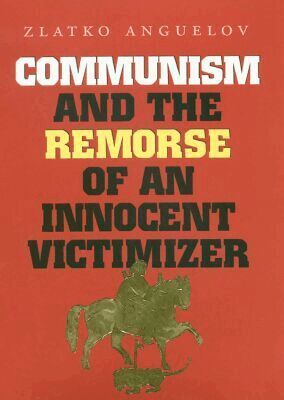
Communism and the Remorse of an Innocent Victimizer
Inbunden, 2002
363 kr
Tillfälligt slut
This memoir assesses life under a Communist regime. It attacks the stigma of the grim, fightening and oppressive regime is attacked and describes life as, for the most part, normal. People adjusted, bread had to be earned, families enjoyed each other's company. In the morally ambivalent world of …
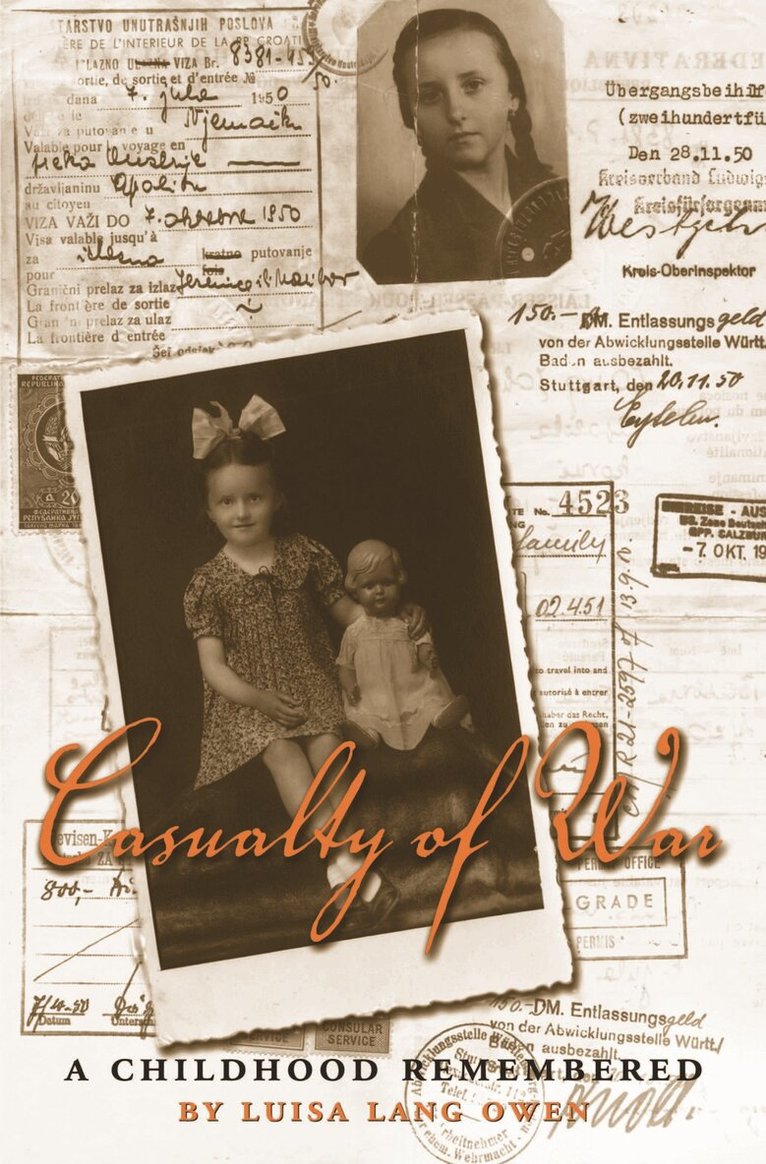
Casualty of War
A Childhood Remembered
Inbunden, 2002
422 kr
Tillfälligt slut
Not all casualties of war die on the battlefield. In the wake of World War II, Yugoslavia purged its territory of the ethnic Germans who had formed a part of its human mosaic. Tarred with their ethnic origins and the conscription of their fighting-age men into the Waffen SS, these Volksdeutsche, …
Drama of Russian Political History
System Against Individuality
Inbunden, 2003
467 kr
Tillfälligt slut
In his introduction, Alexander V. Obolonsky notes that Russian history and life are full of paradoxes, most of them sad. Why, he asks, have the Russians, who possess enormous natural, human, and intellectual resources and a great literary and scientific heritage, proven unable to realize their …
Other Side of Russia
A Slice of Life in Siberia and the Russian Far East
Inbunden, 2003
429 kr
Tillfälligt slut
Travel to post-Soviet Siberia and the Russian Far East with author Sharon Hudgins as she takes readers on a personal adventure through the Asian side of Russia - an area closed to most Westerners and many Russians prior to the 1990s. Few people have ridden the Trans-Siberian railroad in winter, …
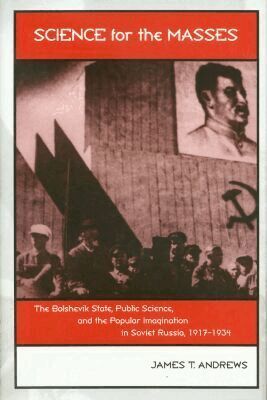
Science for the Masses
The Bolshevik State, Public Science and the Popular Imagination in Soviet Russia, 1917-1934
Inbunden, 2003
524 kr
Tillfälligt slut
After the Bolshevik Revolution, Russia's new leaders recognized the tantamount importance of teaching science to the masses in order to spread enlightenment and reinforce the basic tenets of Marxism. However, it was not until the first Five Year Plan and the cultural revolution of 1928-32 that a …
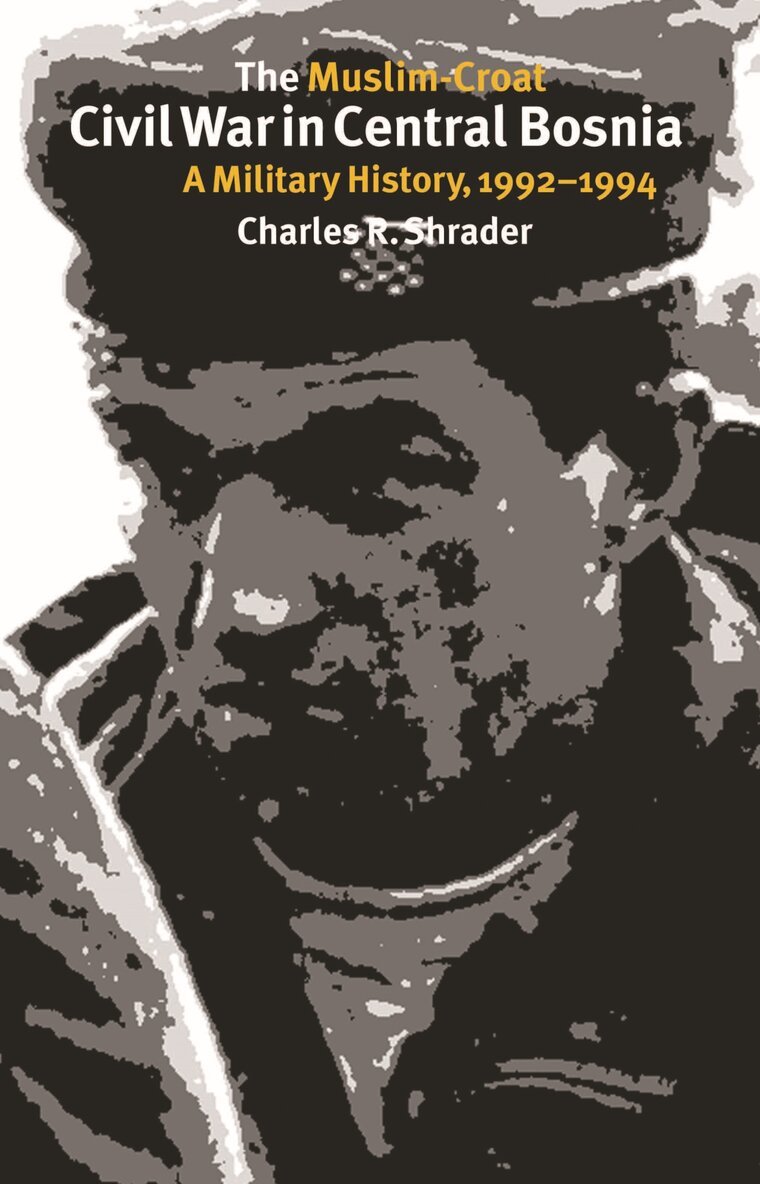
Muslim-Croat Civil War in Bosnia
A Military History, 1992-1994
Inbunden, 2003
510 kr
Tillfälligt slut
In this volume, Charles R. Shrader offers a military history of a crucial conflict in Bosnia between two former allies. When the Bosnian Serbs and their Serbian allies attacked Bosnia-Herzegovina in March 1992 the Bosnian Croats and Muslims collaborated to defend themselves. As Serbian pressure …
Muslim Woman in Tito's Yugoslavia
Häftad, 2003
318 kr
Tillfälligt slut
Born in a small river town in the largely Muslim province of Sandzak, Munevera Hadzisehovic grew up in an area sandwiched between the Orthodox Christian regions of Montenegro and Serbia, cut off from other Muslims in Bosnia and Herzegovina. Her story takes her from the rural culture of the early …
Liberal Project and the Transformation of Democracy
The Case of East Central Europe
Inbunden, 2007
509 kr
Tillfälligt slut
Students of democratic theory have watched the dramatic transformation of Eastern Europe from communism to various forms of democracy in the last two decades. With her unique blend of theory and empirical analysis, veteran observer Sabrina P. Ramet offers clear insight into the processes, …