Edinburgh Critical History of Philosophy – serie
Visar alla böcker i serien Edinburgh Critical History of Philosophy. Handla med fri frakt och snabb leverans.
8 produkter
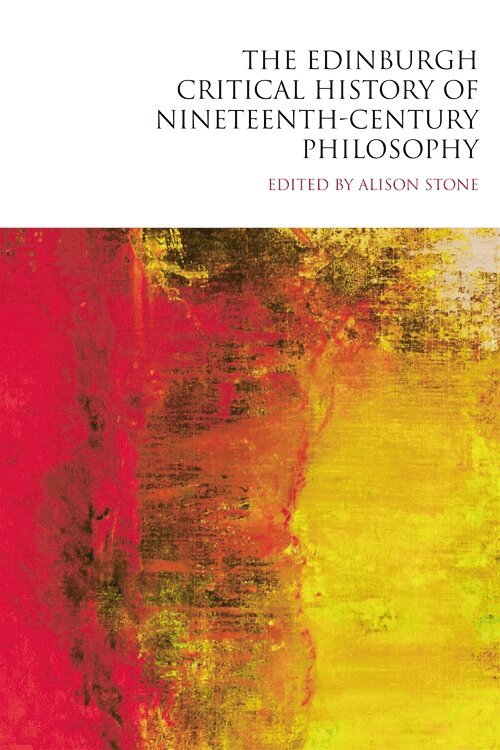
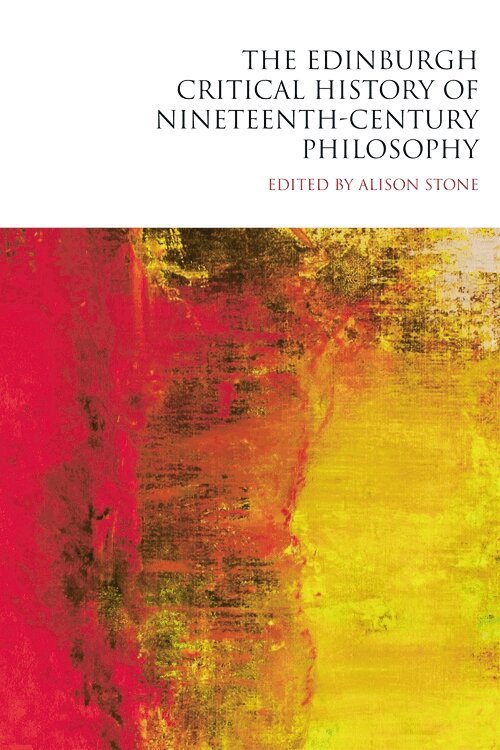
Edinburgh Critical History of Nineteenth-Century Philosophy
Av Alison Stone
Inbunden, 2011
2854 kr
Lägg i varukorg
The Edinburgh Critical History of Philosophy is a seven-volume reference work on the history of philosophy. This volume - which focuses on nineteenth-century philosophy - begins with the rise of German Idealism and Romanticism, and traces the developments of naturalism, positivism, and materialism, …
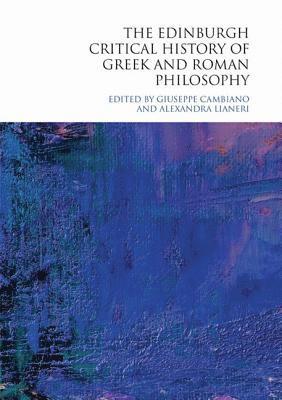
Edinburgh Critical History of Greek and Roman Philosophy
Av Giuseppe Cambiano, Alexandra Lianeri
Inbunden, 2022
1840 kr
Kommande
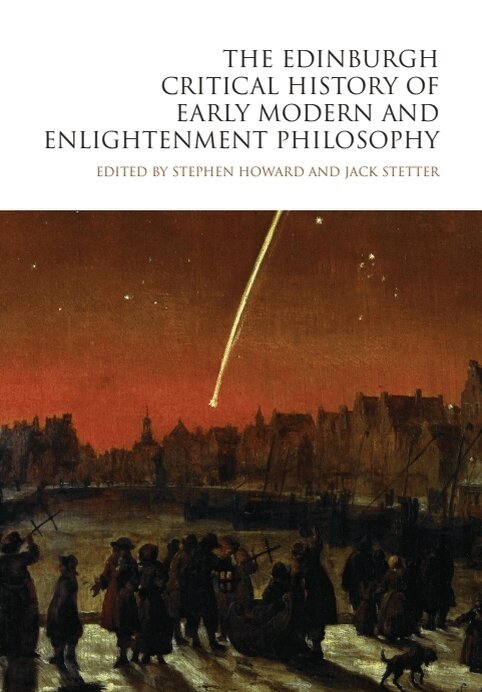
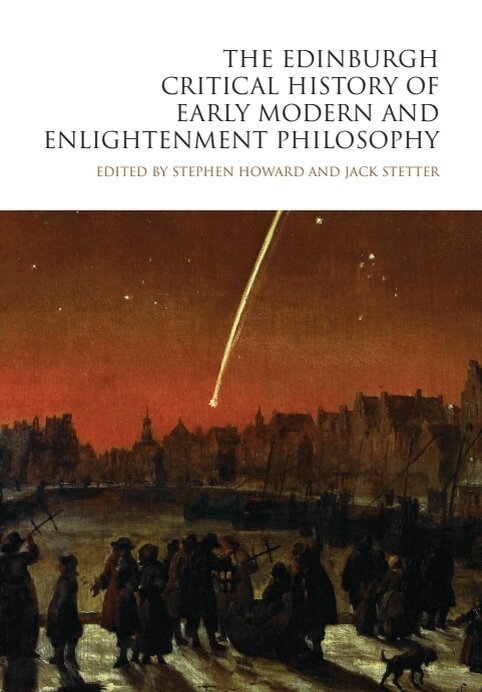
Edinburgh Critical History of Early Modern and Enlightenment Philosophy
Av Stephen Howard, Jack Stetter
Inbunden, 2025
3139 kr
Lägg i varukorg
Written by a team of leading international scholars, this book examines a crucial period of philosophy from the perspective of themes and lines of thought that cut across authorial, disciplinary and national boundaries. Its fresh approach opens up new ways for specialists and students to …
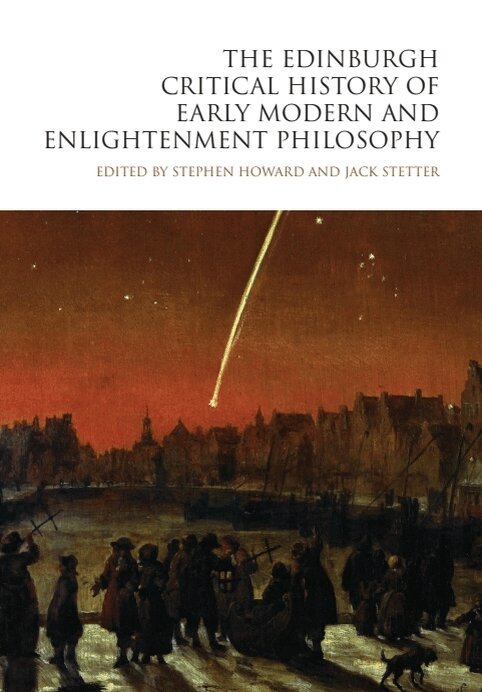
Edinburgh Critical History of Early Modern and Enlightenment Philosophy
Av Stephen Howard, Jack Stetter
E-bok, 2025
2608 kr
Lägg i varukorg
Written by a team of leading international scholars, this book examines a crucial period of philosophy from the perspective of themes and lines of thought that cut across authorial, disciplinary and national boundaries. Its fresh approach opens up new ways for specialists and students to …
Edinburgh Critical History of Early Modern and Enlightenment Philosophy
Av Stephen Howard, Jack Stetter
E-bok, 2025
2608 kr
Lägg i varukorg
Written by a team of leading international scholars, this book examines a crucial period of philosophy from the perspective of themes and lines of thought that cut across authorial, disciplinary and national boundaries. Its fresh approach opens up new ways for specialists and students to …
Edinburgh Critical History of Nineteenth-Century Philosophy
Av Alison Stone
Häftad, 2025
374 kr
Lägg i varukorg
The Edinburgh Critical History of Philosophy is a seven-volume reference work on the history of philosophy. This volume - which focuses on nineteenth-century philosophy - begins with the rise of German Idealism and Romanticism, and traces the developments of naturalism, positivism, and materialism, …
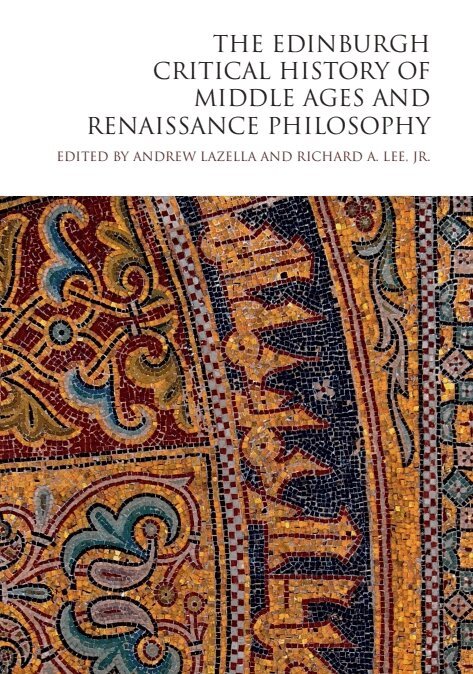
Edinburgh Critical History of Middle Ages and Renaissance Philosophy
Av Andrew LaZella, Richard A. Lee, Jr.
Inbunden, 2020
2589 kr
Lägg i varukorg
Written by a team of leading international scholars, this crucial period of philosophy is examined from the novel perspective of themes and lines of thought which cut across authors, disciplines and national boundaries. This fresh approach will open up new ways for specialists and students to …
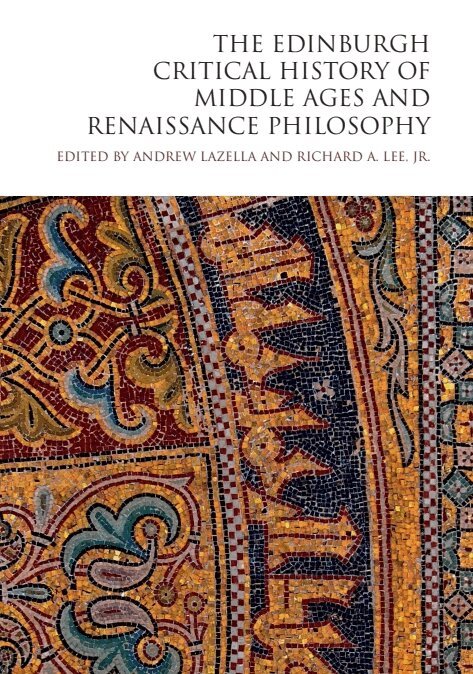
Edinburgh Critical History of Middle Ages and Renaissance Philosophy
Av Andrew LaZella, Richard A. Lee, Jr.
Häftad, 2025
362 kr
Lägg i varukorg
Written by a team of leading international scholars, this crucial period of philosophy is examined from the novel perspective of themes and lines of thought which cut across authors, disciplines and national boundaries. This fresh approach will open up new ways for specialists and students to …