Richard A. Lee, Jr. - Böcker
Visar alla böcker från författaren Richard A. Lee, Jr.. Handla med fri frakt och snabb leverans.
4 produkter
4 produkter
2 461 kr
Skickas inom 7-10 vardagar
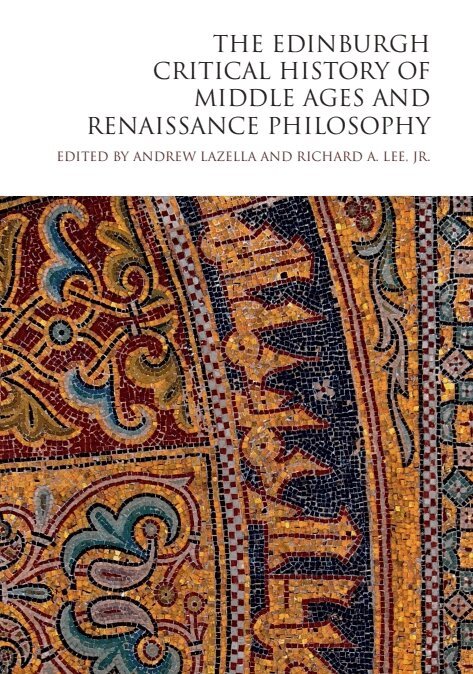
Written by a team of leading international scholars, this crucial period of philosophy is examined from the novel perspective of themes and lines of thought which cut across authors, disciplines and national boundaries. This fresh approach will open up new ways for specialists and students to conceptualise the history of medieval and Renaissance thought within philosophy, politics, religious studies and literature. The essays cover concepts and topics that have become central in the continental tradition. They also bring major philosophers – Thomas Aquinas, Averroes, Maimonides and Duns Scotus – into conversation with those not usually considered canonical – Nicholas of Cusa, Marsilius of Padua, Gersonides and Moses Almosnino. Medieval and Renaissance thought is approached with contemporary continental philosophy in view, highlighting the continued richness and relevance of the work from this period.
356 kr
Skickas
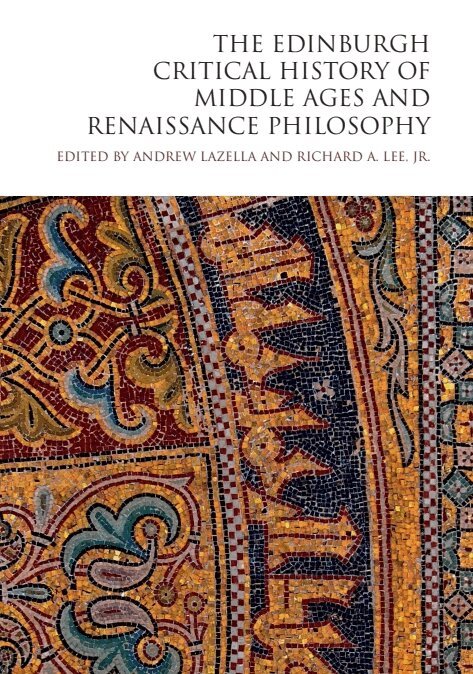
Written by a team of leading international scholars, this crucial period of philosophy is examined from the novel perspective of themes and lines of thought which cut across authors, disciplines and national boundaries. This fresh approach will open up new ways for specialists and students to conceptualise the history of medieval and Renaissance thought within philosophy, politics, religious studies and literature. The essays cover concepts and topics that have become central in the continental tradition. They also bring major philosophers Thomas Aquinas, Averroes, Maimonides and Duns Scotus into conversation with those not usually considered canonical Nicholas of Cusa, Marsilius of Padua, Gersonides and Moses Almosnino. Medieval and Renaissance thought is approached with contemporary continental philosophy in view, highlighting the continued richness and relevance of the work from this period.
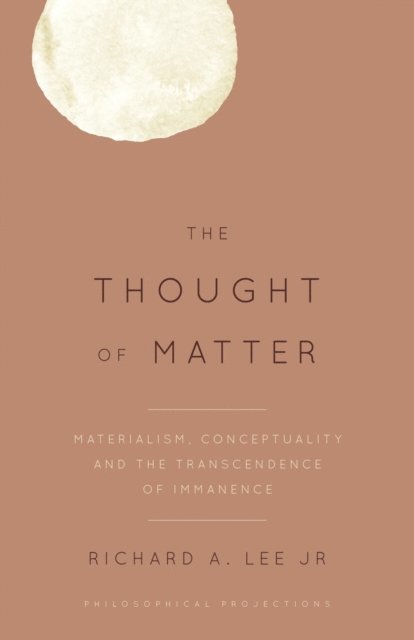
Thought of Matter
Materialism, Conceptuality and the Transcendence of Immanence
Inbunden, Engelska, 2015
1 833 kr
Skickas inom 10-15 vardagar
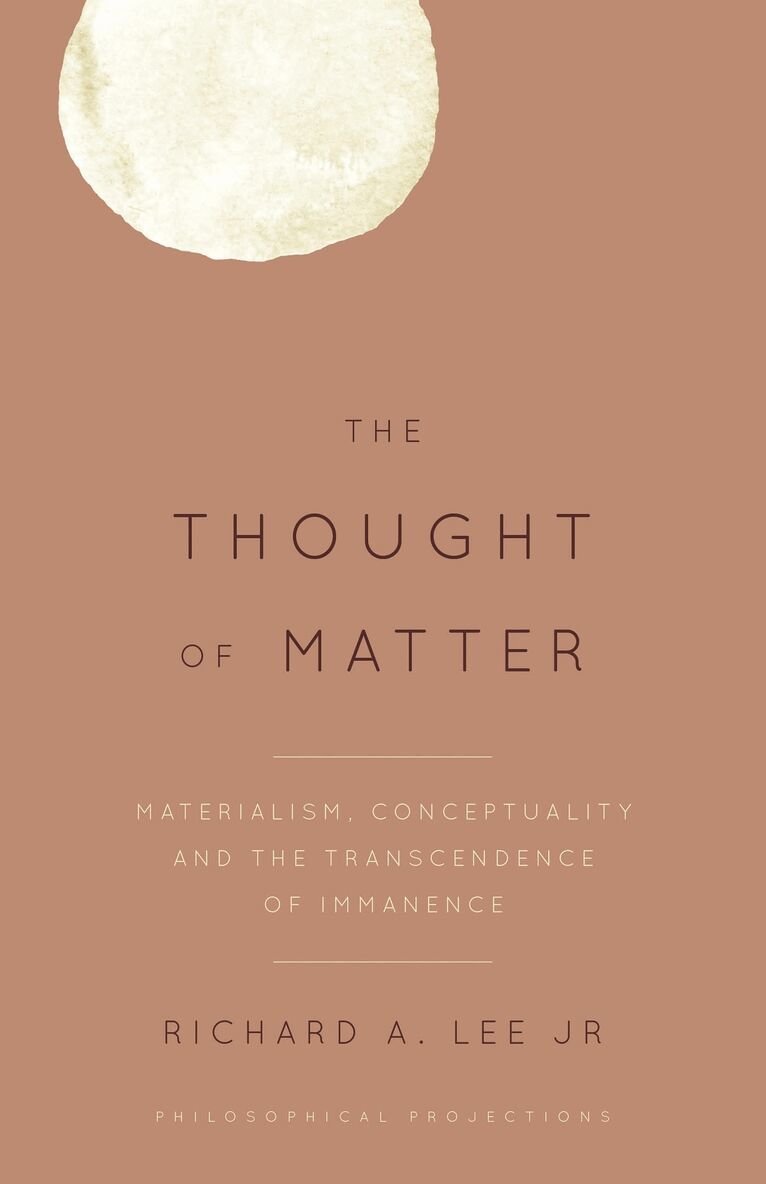
Discussions of materialism have exploded in recent years. From the speculative realism/materialism of Quentin Meillassoux to the New Materialism of many modern Marxisms, the interest in a return to or rehabilitation of materialism is on the rise. What is not analyzed in many of these discussions, however, is a trenchant methodological and metaphysical problem lying at the basis of any philosophical materialism: if matter is simply that which is other than thought, then how can it be thought without drawing it away from its materiality? On the other hand, if one assumes a direct access to matter, to this other, what are the conditions of that access? Are they material conditions or cognitive (thought) conditions? Does what would present itself immediately present, at the same time, the conditions that allow it to be presented? If not, then we are closer to a theology of matter and further from a philosophical materialism. The Thought of Matter investigates this metaphysical and methodological problem through Aristotle, Marx, Adorno, Althusser, Duns Scotus, Hobbes, and Benjamin in order to show that a philosophical materialism necessarily requires the concepts and tools of thought in order to allow the otherness of matter to emerge in its own materiality.
Thought of Matter
Materialism, Conceptuality and the Transcendence of Immanence
Häftad, Engelska, 2015
675 kr
Skickas inom 10-15 vardagar
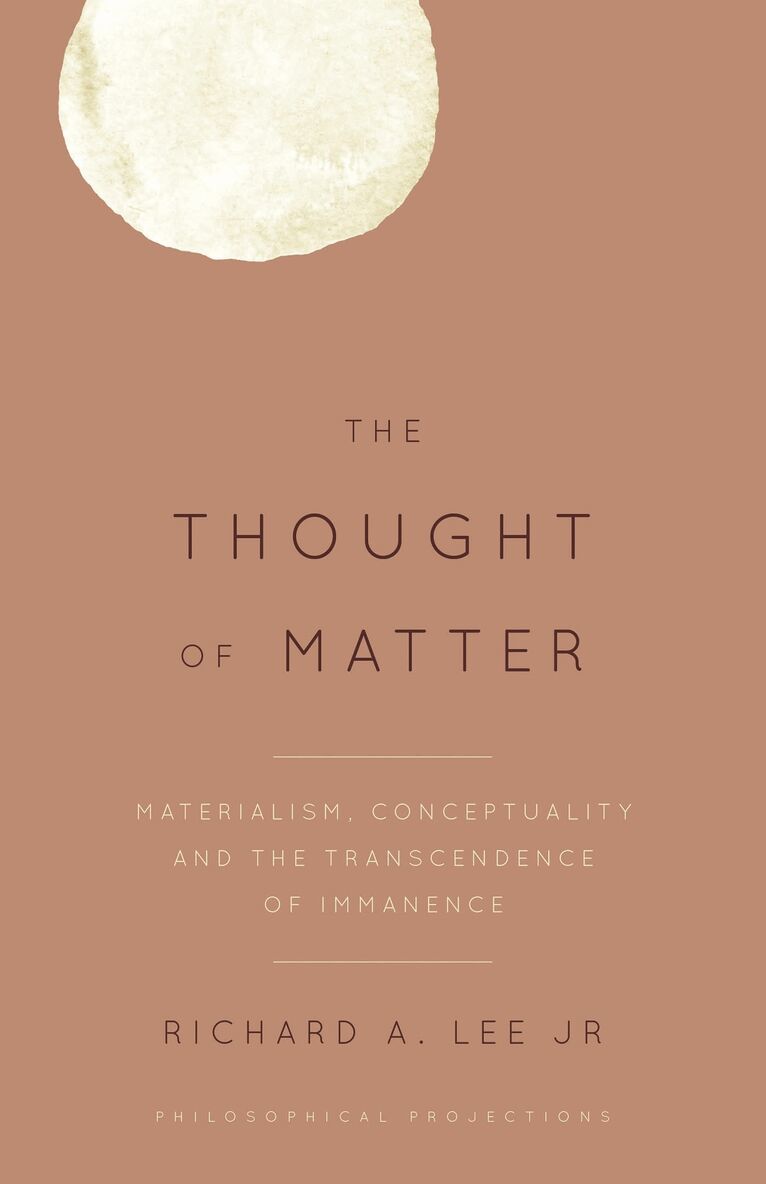
Discussions of materialism have exploded in recent years. From the speculative realism/materialism of Quentin Meillassoux to the New Materialism of many modern Marxisms, the interest in a return to or rehabilitation of materialism is on the rise. What is not analyzed in many of these discussions, however, is a trenchant methodological and metaphysical problem lying at the basis of any philosophical materialism: if matter is simply that which is other than thought, then how can it be thought without drawing it away from its materiality? On the other hand, if one assumes a direct access to matter, to this other, what are the conditions of that access? Are they material conditions or cognitive (thought) conditions? Does what would present itself immediately present, at the same time, the conditions that allow it to be presented? If not, then we are closer to a theology of matter and further from a philosophical materialism. The Thought of Matter investigates this metaphysical and methodological problem through Aristotle, Marx, Adorno, Althusser, Duns Scotus, Hobbes, and Benjamin in order to show that a philosophical materialism necessarily requires the concepts and tools of thought in order to allow the otherness of matter to emerge in its own materiality.