Edinburgh Critical Studies in War and Culture - Böcker
Visar alla böcker i serien Edinburgh Critical Studies in War and Culture. Handla med fri frakt och snabb leverans.
6 produkter
6 produkter
1 344 kr
Skickas
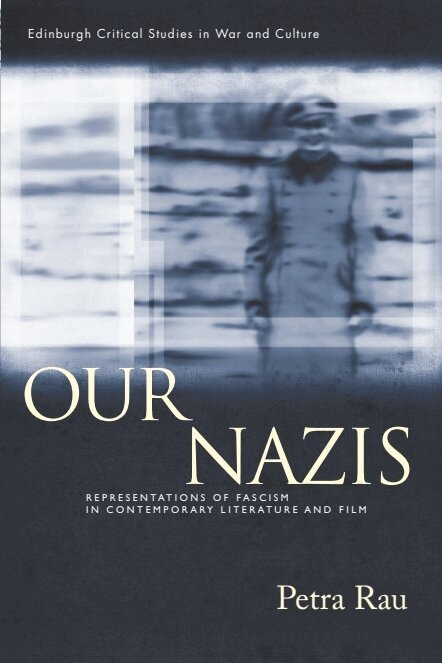
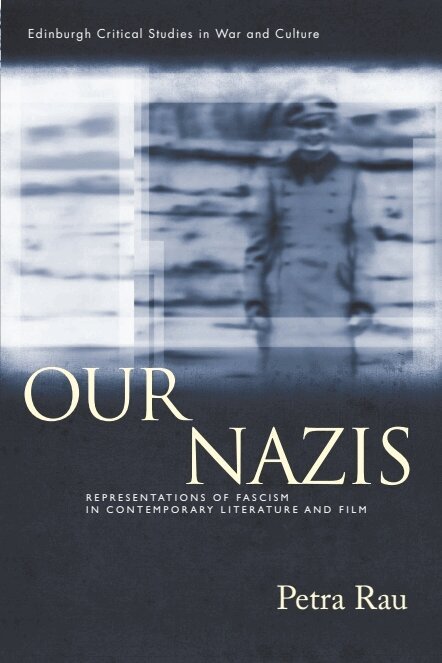
An analysis of the resurgent cultural fascination with Nazism since 1989Why has a fascination with fascism re-emerged after the Cold War? What is its cultural function now, in an era of commemoration? Focusing particularly on the British context, this study offers the first analysis of contemporary popular and literary fiction, film, TV and art exhibitions about Nazis and Nazism. Petra Rau brings this material into dialogue with earlier responses to fascism and demonstrates how, paradoxically, Nazism has been both mediated and mythologised to the extent that it now often replaces a critical engagement with actual, violent history. In 5 thematic chapters on Nazi Noir, Men in Uniform, Vile Bodies, The Good German and Meta-Cinematic Farce, Rau provides close analysis of contemporary novels such as Jason Lutes’ graphic novel series Berlin, historical crime fiction by Philip Kerr and others, Robert Harris’ Fatherland, Ian McEwan’s Black Dogs and Justin Cartwright’s The Song Before It Is Sung; films such as Bryan Singer’s Valkyrie and Quentin Tarantino’s Inglorious Bastards; art installations including Mirroring Evil: Nazi Imagery / Recent Art, and Fucking Hell by Jake and Dinos Chapman; and Piotr Uklanski’s photo frieze, Untitled (The Nazis).Key Features:Broad interdisciplinary approach which includes literature, film, TV and artWide coverage of popular forms and High Art Comparison with earlier material about fascism which reaches back to the 1930s
1 277 kr
Skickas
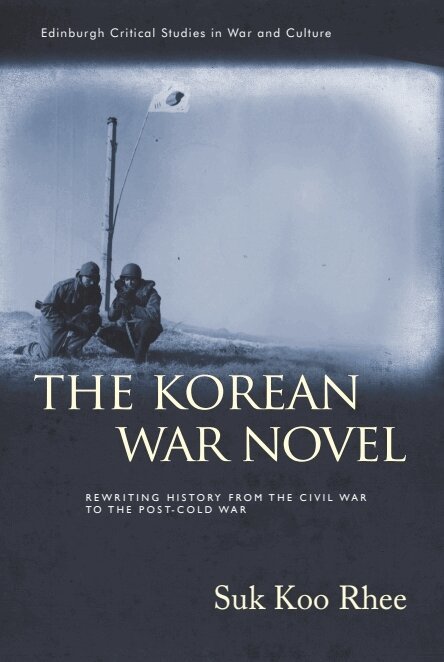
The Korean War Novel examines the ways that novels written by Korean and Asian American writers have represented the Korean War. By studying the ideological contours of works by Richard E. Kim, Ahn Junghyo, Susan Choi, Ha Jin, Choi In-hun and Hwang Sok-yong, it documents the range of historical narratives that have alternatively framed the Korean War as an international war, a civil war, a reverse postcolonial war or 'proxy war', a war between the genders, and an attempt to de-escalate the Cold War itself. The dual role of North East Asians as both victims and willing agents of the Cold War comes into focus in revisiting the conflict from the post-Cold War perspective of decolonisation. Suk Koo Rhee writes back against the authoritative version of Cold War historiography to explain the contemporary nature of the unfinished conflict on the Korean peninsula today.
342 kr
Skickas
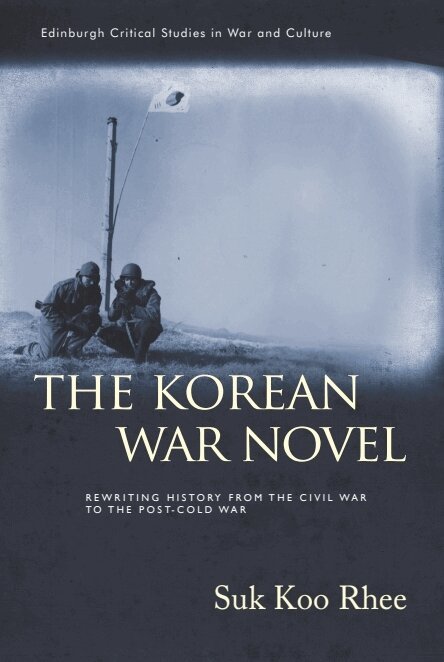
The Korean War Novel examines the ways that novels written by Korean and Asian American writers have represented the Korean War. By studying the ideological contours of works by Richard E. Kim, Ahn Junghyo, Susan Choi, Ha Jin, Choi In-hun and Hwang Sok-yong, it documents the range of historical narratives that have alternatively framed the Korean War as an international war, a civil war, a reverse postcolonial war or 'proxy war', a war between the genders, and an attempt to de-escalate the Cold War itself. The dual role of North East Asians as both victims and willing agents of the Cold War comes into focus in revisiting the conflict from the post-Cold War perspective of decolonisation. Suk Koo Rhee writes back against the authoritative version of Cold War historiography to explain the contemporary nature of the unfinished conflict on the Korean peninsula today.
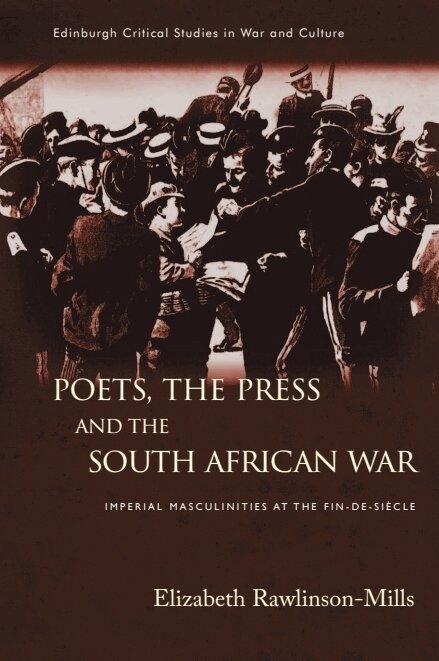
Poets, the Press and the South African War
Imperial Masculinities at the Fin-de-Siècle
Inbunden, Engelska, 2026
1 344 kr
Kommande
Thousands of poems were published in British daily newspapers during the South African War. Serious poets and enthusiastic amateurs, serving soldiers and anonymous correspondents chose newspaper publication, self-consciously assuming a range of public roles and contributing to public debates. Many of these poems have been hidden away in archives ever since, and the networks of relationships between canonical names and anonymous and undiscovered poets have remained invisible. This book brings these works and relationships into the light. The stories they have to tell, of literature at work in the world, of poems speaking to and answering one another, upends received ideas about late-Victorian poetry. The extraordinary and international influence of Kipling – his voices and verse forms, as much as his politics – comes into focus, as do the outlines of vital national debates about military masculinities, British national character, imperial ambitions and the national or moral costs of a controversial war. Featuring an anthology of sixty previously forgotten poems, this essential volume will be of interest to students of colonialism and post-colonialism, literature, war studies, social history and periodical studies, at undergraduate and postgraduate levels.
1 303 kr
Skickas inom 7-10 vardagar
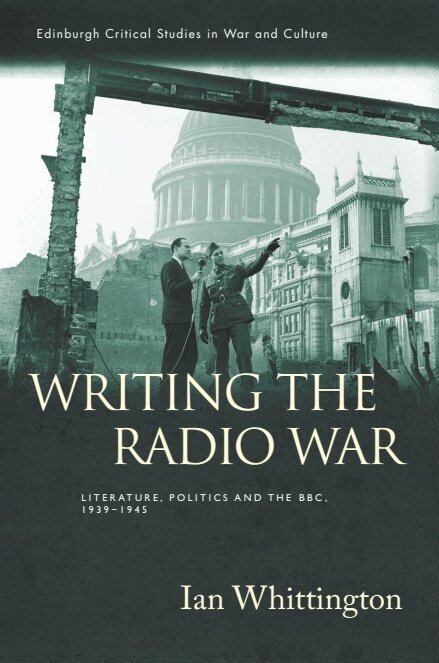
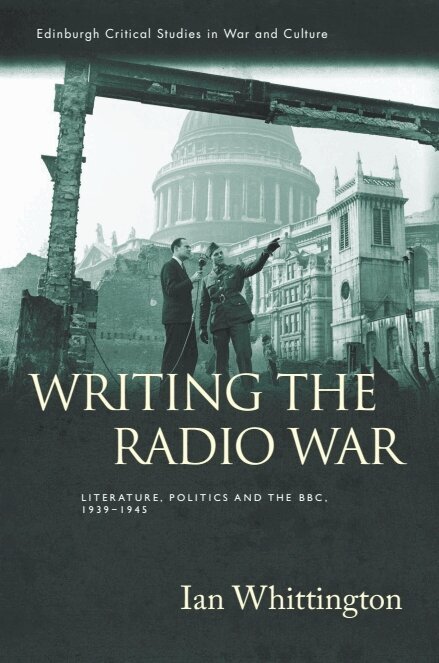
Wartime British writers took to the airwaves to reshape the nation and the Empire'Writing the Radio War' positions the Second World War as a critical moment in the history of cultural mediation in Britain. Through chapters focusing on the middlebrow radicalism of J.B. Priestley, ground-breaking works by Louis MacNeice and James Hanley at the BBC Features Department, frontline reporting by Denis Johnston, and the emergence of a West Indian literary identity in the broadcasts of Una Marson, 'Writing the Radio War' explores how these writers capitalised on the particularities of the sonic medium to communicate their visions of wartime and postwar Britain and its empire. By combining literary aesthetics with the acoustics of space, accent, and dialect, writers created aural communities that at times converged, and at times contended, with official wartime versions of Britain and Britishness.Key FeaturesMerges the fields of sound studies, radio studies, and Second World War literary studies through considerations of both major and marginalized figures of wartime broadcastingBrings substantial but underused archival material (from the BBC Written Archives Centre, the Harry Ransom Humanities Research Center, the British Library, and other archives) to bear on the cultural importance of radio during the warForegrounds the role of radio in bridging literary movements from the highbrow to the middlebrow, and from the regional to the imperialDraws on Listener Research Reports, listener correspondence, newspaper coverage, and surveys by Mass Observation and the Wartime Social Survey in order to capture listeners' responses to wartime broadcasting in general as well as specific programsFills a gap in accounts of literary radio broadcasting, between Todd Avery's Radio Modernism (which ends at 1939) and postwar accounts of the Third Programme (by Humphrey Carpenter and Kate Whitehead) and individual writer-broadcasters
635 kr
Skickas inom 3-6 vardagar
Wartime British writers took to the airwaves to reshape the nation and the EmpireWriting the Radio War positions the Second World War as a critical moment in the history of cultural mediation in Britain. Through chapters focusing on the middlebrow radicalism of J.B. Priestley, ground-breaking works by Louis MacNeice and James Hanley at the BBC Features Department, frontline reporting by Denis Johnston, and the emergence of a West Indian literary identity in the broadcasts of Una Marson, Writing the Radio War explores how these writers capitalised on the particularities of the sonic medium to communicate their visions of wartime and postwar Britain and its empire. By combining literary aesthetics with the acoustics of space, accent, and dialect, writers created aural communities that at times converged, and at times contended, with official wartime versions of Britain and Britishness. Key FeaturesMerges the fields of sound studies, radio studies, and Second World War literary studies through considerations of both major and marginalized figures of wartime broadcastingBrings substantial but underused archival material (from the BBC Written Archives Centre, the Harry Ransom Humanities Research Center, the British Library, and other archives) to bear on the cultural importance of radio during the warForegrounds the role of radio in bridging literary movements from the highbrow to the middlebrow, and from the regional to the imperialDraws on Listener Research Reports, listener correspondence, newspaper coverage, and surveys by Mass Observation and the Wartime Social Survey in order to capture listeners’ responses to wartime broadcasting in general as well as specific programsFills a gap in accounts of literary radio broadcasting, between Todd Avery’s Radio Modernism (which ends at 1939) and postwar accounts of the Third Programme (by Humphrey Carpenter and Kate Whitehead) and individual writer-broadcasters