Edinburgh History of Twentieth-Century Literature in Britain – serie
Visar alla böcker i serien Edinburgh History of Twentieth-Century Literature in Britain. Handla med fri frakt och snabb leverans.
9 produkter
9 produkter
491 kr
Skickas inom 3-6 vardagar
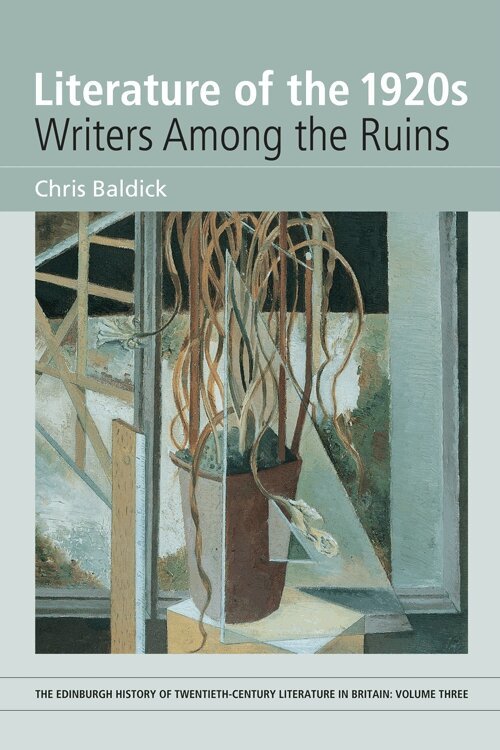
The first general account of this exceptionally vibrant decade of writing in Britain.Eclipsed until now by the dominant story of Modernism, a much more inclusive range of 1920s literature emerges freshly illuminated in Chris Baldick’s approachable history. The Twenties are reclaimed here as a period with its own distinctive historical awareness and creative agenda, one in which Modernist and non-Modernist currents are shown to engage with common memories and preoccupations.Spanning many genres high and low, including war memoirs, critical essays and detective stories as well as drama, poetry and the novel, Baldick's account situates leading works and authors of the decade – Eliot, Woolf, Lawrence, Huxley, Coward and others - among a rich array of their lesser-known contemporaries to discover common obsessions - especially with the now ‘lost’ world of pre-War Britain - and shared moods of elegiac despair, nervous frivolity and bold irreverence.
1 344 kr
Skickas inom 11-20 vardagar
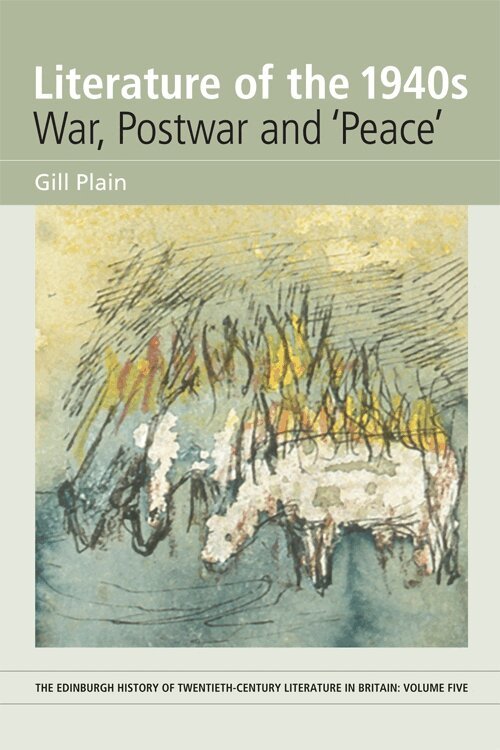
A groundbreaking re-reading of the literary response to a decade of trauma and transformationThis new study undoes the customary division of the 1940s into the Second World War and after. Instead, it focuses on the thematic preoccupations that emerged from writers’ immersion in and resistance to the conflict. Through seven chapters – Documenting, Desiring, Killing, Escaping, Grieving, Adjusting and Atomizing – the book sets middlebrow and popular writers alongside residual modernists and new voices to reconstruct the literary landscape of the period. Detailed case studies of fiction, drama and poetry provide fresh critical perspectives on writers as diverse as Margery Allingham, Alexander Baron, Elizabeth Bowen, Keith Douglas, Graham Greene, Henry Green, Georgette Heyer, Alun Lewis, Nancy Mitford, George Orwell, Mervyn Peake, J. B. Priestley, Terrence Rattigan, Mary Renault, Stevie Smith, Dylan Thomas and Evelyn Waugh. Arguing that the postwar is a concept that emerges almost simultaneously with the war itself, and that ‘peace’ is significant only by its absence in an emergent post-Atomic cold war era, this book reclaims the complexity of a decade all too often lost in the fault-lines between pre-war modernism and the emergence of the postmodern. Key Features:Detailed, theoretically informed case studies of canonical writers such as Bowen, Orwell, Greene and WaughDetailed case studies and critical re-evaluations of popular genre writers, and forgotten writers.
422 kr
Skickas inom 11-20 vardagar
A groundbreaking re-reading of the literary response to a decade of trauma and transformationThis new study undoes the customary division of the 1940s into the Second World War and after. Instead, it focuses on the thematic preoccupations that emerged from writers’ immersion in and resistance to the conflict. Through seven chapters – Documenting, Desiring, Killing, Escaping, Grieving, Adjusting and Atomising – the book sets middlebrow and popular writers alongside residual modernists and new voices to reconstruct the literary landscape of the period. Detailed case studies of fiction, drama and poetry provide fresh critical perspectives on writers as diverse as Margery Allingham, Alexander Baron, Elizabeth Bowen, Keith Douglas, Henry Green, Graham Greene, Georgette Heyer, Alun Lewis, Nancy Mitford, George Orwell, Mervyn Peake, J. B. Priestley, Terence Rattigan, Mary Renault, Stevie Smith, Dylan Thomas and Evelyn Waugh. Key FeaturesDetailed and theoretically informed case studies of canonical writers such as Bowen, Orwell, Greene and WaughCase studies and critical re-evaluations of popular genre writers and forgotten writers
491 kr
Skickas inom 3-6 vardagar
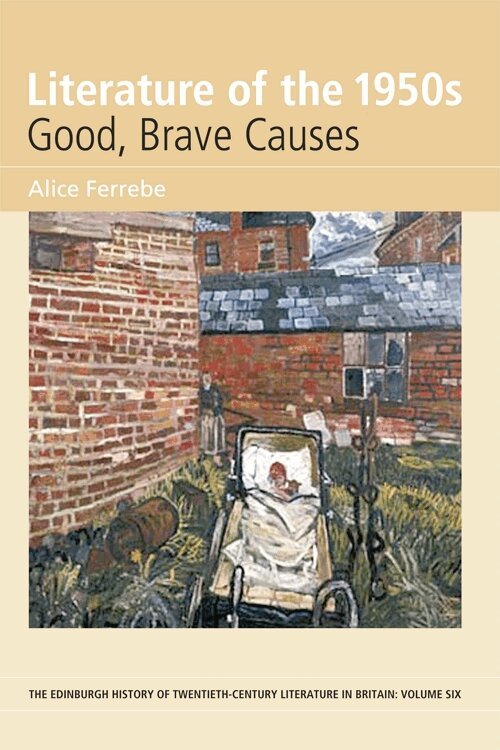
Challenges the myths about apathy and smugness surrounding British literature of the period. Alice Ferrebe's lively study rereads the decade and its literature as crucial in twentieth-century British history for its emergent and increasingly complicated politics of difference, as ideas about identity, authority and belonging were tested and contested. By placing a diverse selection of texts alongside those of the established canon of Movement and 'Angry' writing, a literary culture of true diversity and depth is brought into view. The volume characterises the 1950s as a time of confrontation with a range of concerns still avidly debated today, including immigration, education, the challenging behaviour of youth, nuclear threat, the post-industrial and post-imperial legacy, a consumerist economy and a feminist movement hampered by the perceivedly comprehensive nature of its recent success. Contrary to Jimmy Porter's defeatist judgement on his era in John Osborne's 1956 play Look Back in Anger, the volume upholds such concerns as 'good, brave causes' indeed.
355 kr
Skickas inom 11-20 vardagar
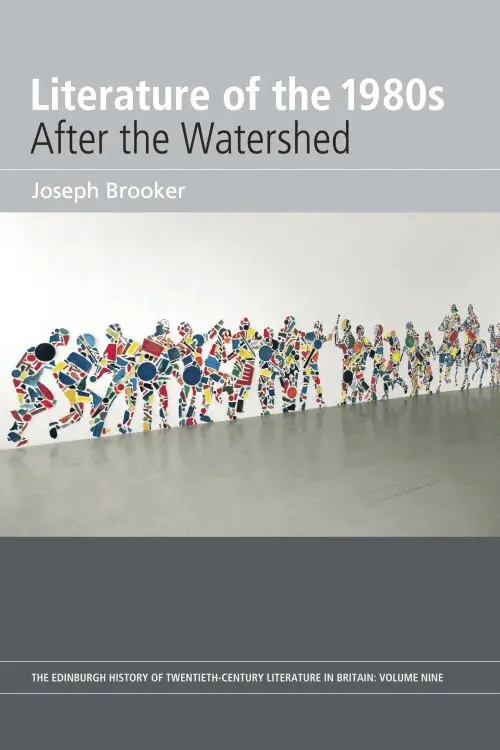
‘Brooker’s ability to represent such a wide range of literary and cultural texts within a coherent structure is no small feat. [...] The real strength of the book lies in its ability to provide such an impressively thorough account of a wide range of texts alongside some impassioned and convincing close readings of so many of them. Brooker is doing much more than simply defining, checking or expanding the shifting canons of eighties literature: his literary readings and his sense of the period make both available to us anew.’Nicky Marsh, Textual Practice‘Joseph Brooker's book manages the admirable task of introducing and even historicising a period whose legacy is just beginning to be understood. Ranging from Derrida to Duran Duran, he provides an exemplary work of literary and cultural history, while braiding politics and literature together in revealing close readings of key authors and texts. This is a brave, lucid and richly informed book, necessary reading for anyone interested in understanding a tumultuous period in the cultural history of these islands.’Ray Ryan, author of Writing in the Irish Republic and co-editor, The Good of the NovelJoseph Brooker relates developments in fiction, poetry and drama to social change – from the new generation of London novelists such as Martin Amis and Ian McEwan to the impact of feminism in the fiction of Angela Carter and Jeanette Winterson. Brooker also considers Black British writers and the fate of working-class writing in the age of Thatcherism. Literature of the 1980s provides a vibrant account of the diversity of writing from a decade which left Britain a very different place.
1 077 kr
Kommande
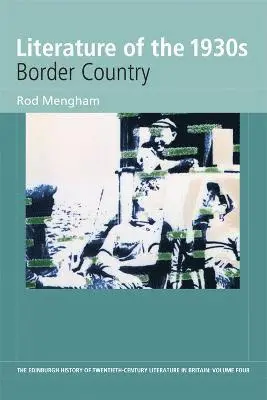
The writing of the 1930s is the record of a time dominated by a sense of being caught between different times and places; between two world wars between generations, between modernism and realism, between middle class and working class, between local and national cultures and between national and international politics. British Literature showed more overt engagement with radical politics than ever before or since while also testing the uses and limits of difficulty, encryption and the legacy of modernism. Too often thought of as a period defined by the preoccupations of a handful of prestigious writers, the decade of the 1930s is here re-read in ways that relate these preoccupations to popular cultural emphases as well as to international debates, attending to middlebrow tastes as well as to avant- garde experimentation, and recognizing the significance of regional emphases and issues of gender.
1 455 kr
Skickas inom 7-10 vardagar
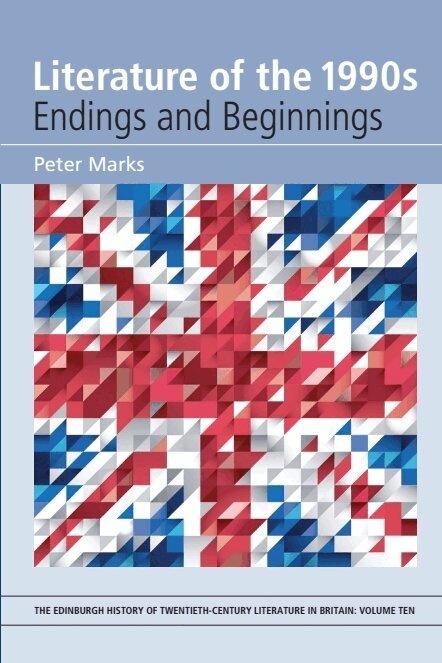
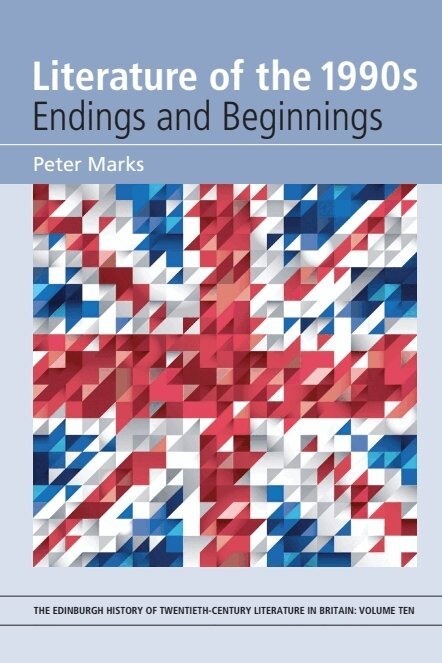
Provides a synoptic view of the exuberant and challenging fiction, poetry and drama created in 1990s BritainPlacing literary creativity within a changing cultural and political context that saw the end of Margaret Thatcher and rise of New Labour, this book offers fresh interpretations of mainstream and marginal works from all parts of Britain. Based on a framework of thematically-structured accounts, the individual chapters cover national identity, ethnicity, sexuality, class, celebrity culture, history and fantasy in literature from Wales, Scotland, Northern Ireland and England. It offers its readers a comprehensive view of the changing and challenging literary landscape in this period, critically examining the fiction, poetry and drama as well as representative films, art and music. Placed within the broader context of a transformative political and cultural environment that included Margaret Thatcher and Tony Blair, Damian Hirst and Princess Diana, the book captures the energetic and sometimes provocative experimentation that typified the final decade of the twentieth century. Key FeaturesConsiders a wide-ranging assortment of fiction, poetry, drama and film of the 1990s within the broader political and cultural context of Great BritainSupplies a thematically oriented account of major aspects of contemporary literature, including ethnicity, class, celebrity and speculative workDeals with literature from Northern Ireland, Scotland, Wales and England, both in relation to each other and within the larger cultural environment of Great BritainPresents a theoretically informed argument integrated with close critical analyses of mainstream and marginal texts
384 kr
Skickas inom 7-10 vardagar
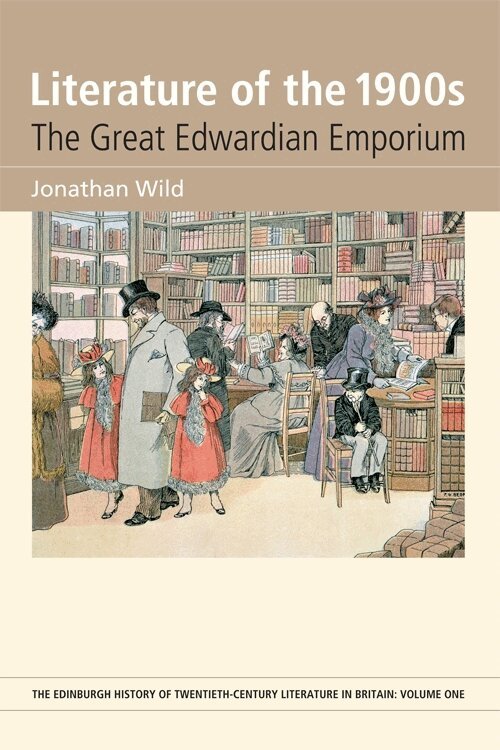
Challenges conventional views of the Edwardian period as either a hangover of Victorianism or a bystander to literary modernismIn this ground-breaking study, Jonathan Wild investigates the literary history of the Edwardian decade. This period, long overlooked by critics, is revealed as a vibrant cultural era whose writers were determined to break away from the stifling influence of preceding Victorianism. In the hands of this generation, which included writers such as Arnold Bennett, Joseph Conrad, E. M. Forster, Beatrix Potter, and H.G. Wells, the new century presented a unique opportunity to fashion innovative books for fresh audiences. Wild traces this literary innovation by conceptualising the focal points of his study as branches of one of the new department stores that epitomized Edwardian modernity. These ‘departments’ – war and imperialism, the rise of the lower middle class, children’s literature, technology and decadence, and the condition of England – offer both discrete and interconnected ways in which to understand the distinctiveness and importance of the Edwardian literary scene. Overall, The Great Edwardian Emporium offers a long-overdue investigation into a decade of literature that provided the cultural foundation for the coming century.
571 kr
Skickas inom 3-6 vardagar
Provides a synoptic view of the exuberant and challenging fiction, poetry and drama created in 1990s BritainPlacing literary creativity within a changing cultural and political context that saw the end of Margaret Thatcher and rise of New Labour, this book offers fresh interpretations of mainstream and marginal works from all parts of Britain. Based on a framework of thematically-structured accounts, the individual chapters cover national identity, ethnicity, sexuality, class, celebrity culture, history and fantasy in literature from Wales, Scotland, Northern Ireland and England. It offers its readers a comprehensive view of the changing and challenging literary landscape in this period, critically examining the fiction, poetry and drama as well as representative films, art and music. Placed within the broader context of a transformative political and cultural environment that included Margaret Thatcher and Tony Blair, Damian Hirst and Princess Diana, the book captures the energetic and sometimes provocative experimentation that typified the final decade of the twentieth century. Key Features Considers a wide-ranging assortment of fiction, poetry, drama and film of the 1990s within the broader political and cultural context of Great BritainSupplies a thematically oriented account of major aspects of contemporary literature, including ethnicity, class, celebrity and speculative workDeals with literature from Northern Ireland, Scotland, Wales and England, both in relation to each other and within the larger cultural environment of Great BritainPresents a theoretically informed argument integrated with close critical analyses of mainstream and marginal texts