Empire and After - Böcker
Visar alla böcker i serien Empire and After. Handla med fri frakt och snabb leverans.
12 produkter
12 produkter
1 021 kr
Skickas inom 7-10 vardagar
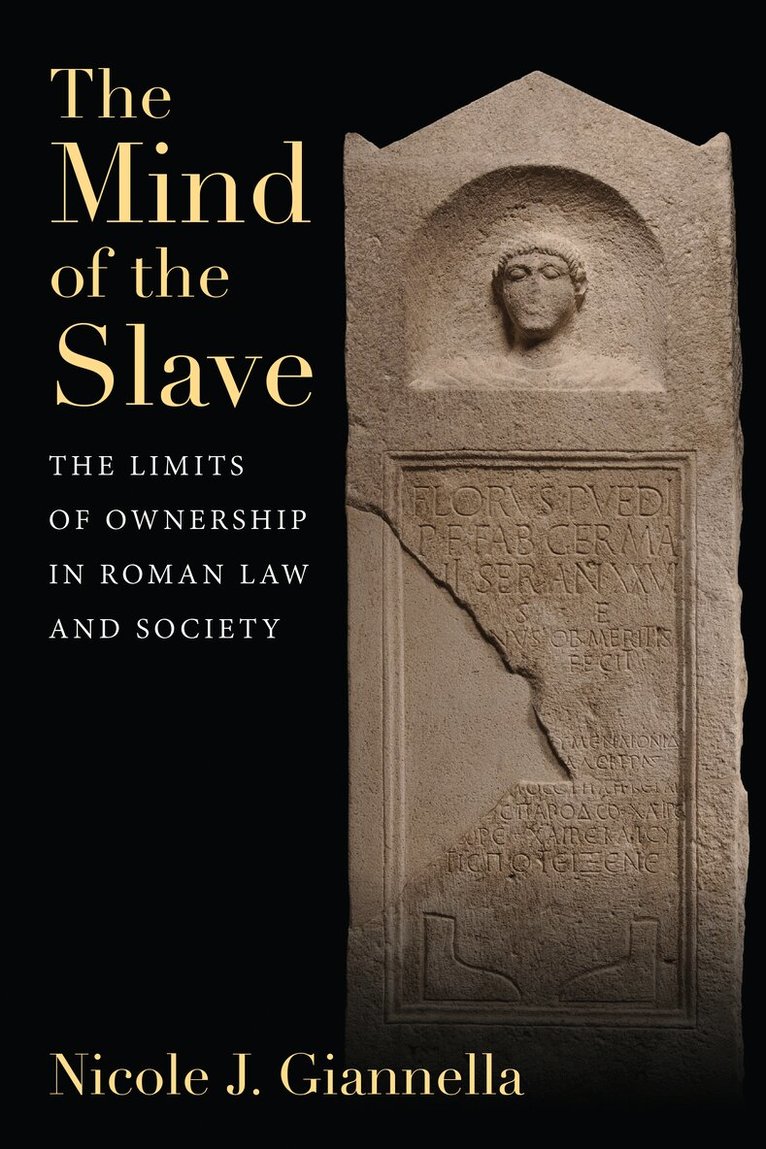
The Mind of the Slave untangles the double nature of slaves as property and as human beings under the law in the Roman world. As human beings, slaves had free will and legally recognized autonomy while acting for their owner. Although their autonomy was fundamental to the Roman economy, it had the potential to lead to insecurity in the day-to-day experiences of the owner and enslaved person. Will an enslaved agent decide to act in the best interest of their owner? To sell their secrets? To run away? These moments of insecurity are the subject of this book; they reveal an owner’s struggle to know the mind of the slave and to reconcile ownership over a reasoning, emotional, and purposive human being. Nicole J. Giannella argues that this reliance on the mind of the slave reveals fault lines in the ownership of the enslaved. This is where we can glimpse beyond the trappings of law and see the need for negotiation, incentives, and ultimately, the trust that the owner puts in their slave. In order to place Roman jurists in conversation with both technical and literary sources, Giannella grounds this study in philology and argues that conceptions of the mind of the slave were at the heart of legal and cultural debates about the nature of slavery and ownership. It also contributes to a wider debate about selfhood and autonomy, since philosophers often used the figure of the slave as a representation of humanity as its limits.
521 kr
Skickas inom 7-10 vardagar
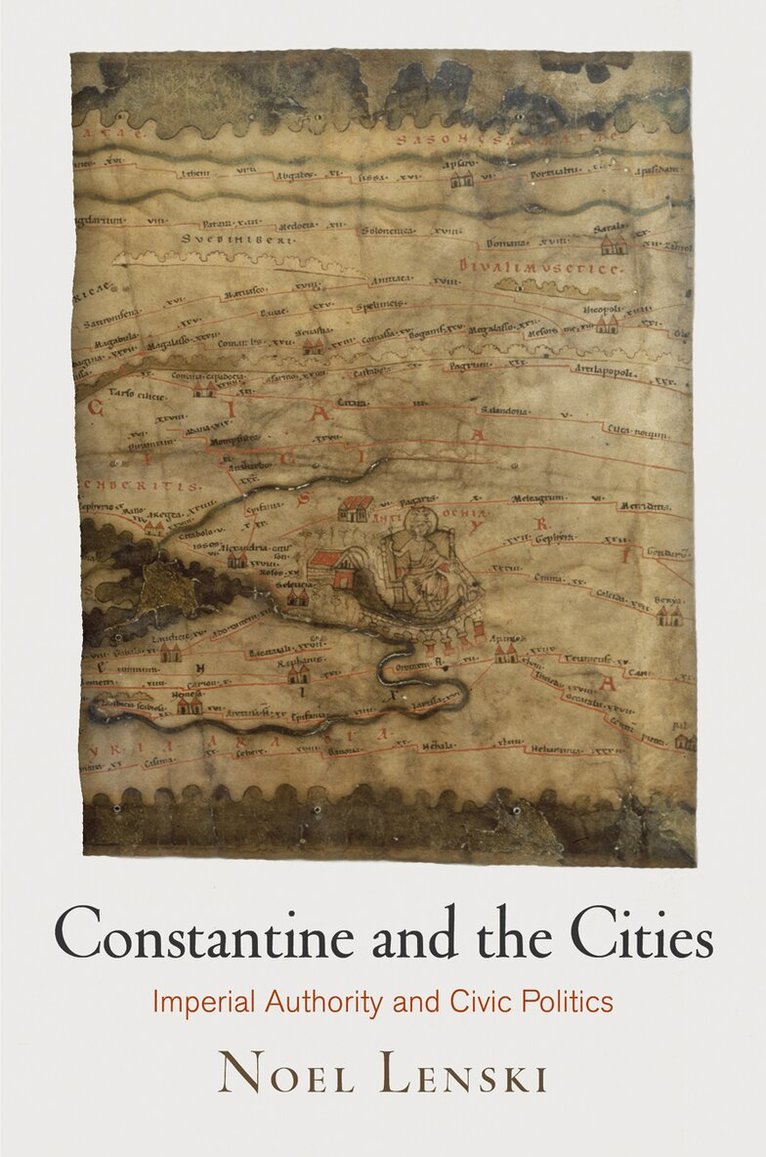
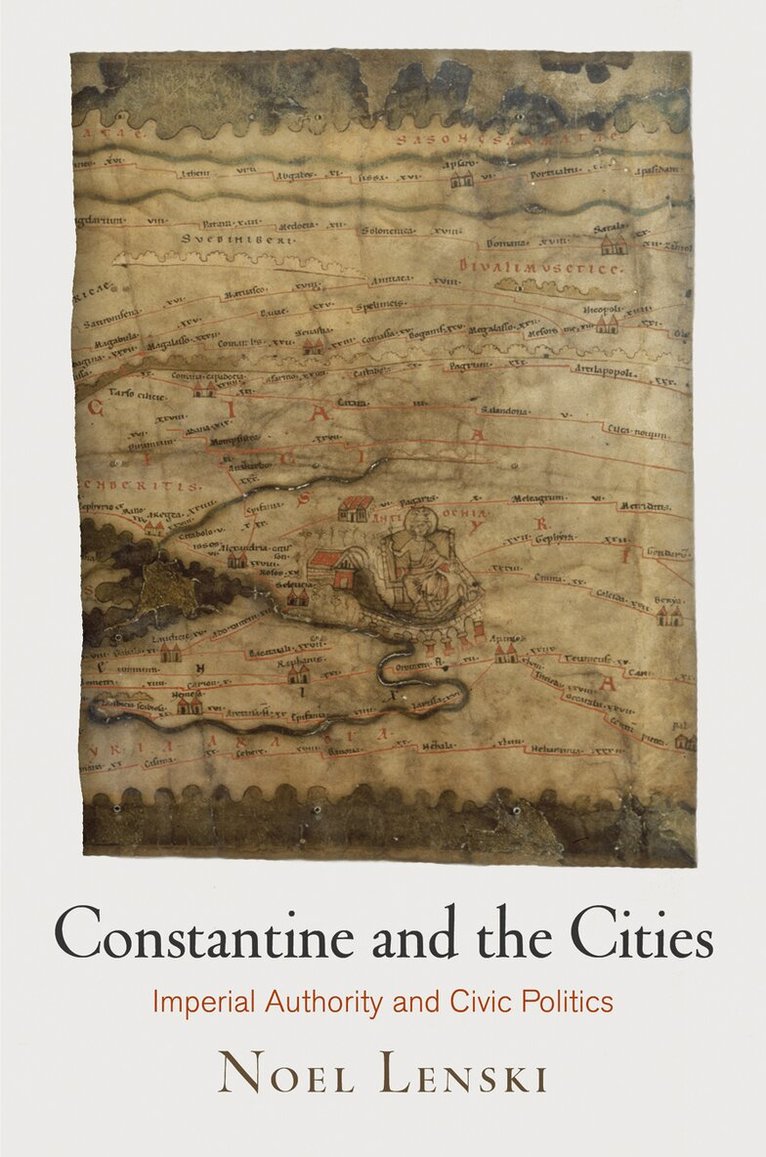
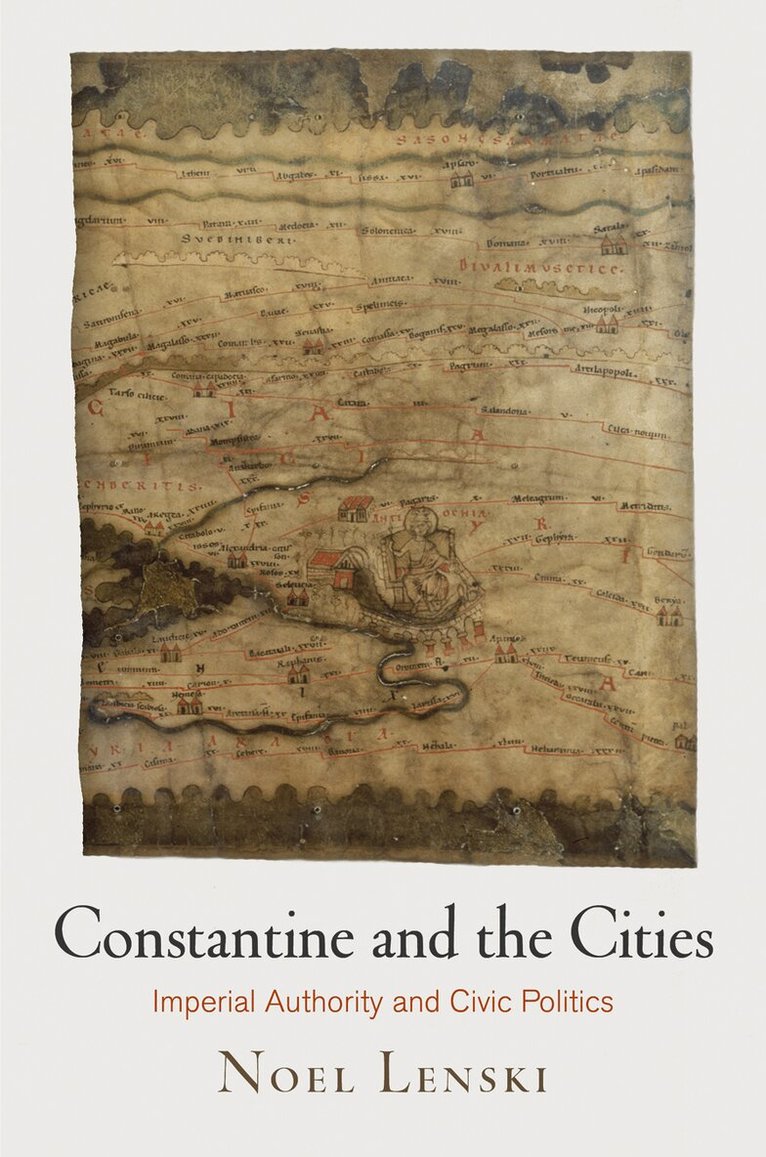
Over the course of the fourth century, Christianity rose from a religion actively persecuted by the authority of the Roman empire to become the religion of state-a feat largely credited to Constantine the Great. Constantine succeeded in propelling this minority religion to imperial status using the traditional tools of governance, yet his proclamation of his new religious orientation was by no means unambiguous. His coins and inscriptions, public monuments, and pronouncements sent unmistakable signals to his non-Christian subjects that he was willing not only to accept their beliefs about the nature of the divine but also to incorporate traditional forms of religious expression into his own self-presentation. In Constantine and the Cities, Noel Lenski attempts to reconcile these apparent contradictions by examining the dialogic nature of Constantine's power and how his rule was built in the space between his ambitions for the empire and his subjects' efforts to further their own understandings of religious truth.Focusing on cities and the texts and images produced by their citizens for and about the emperor, Constantine and the Cities uncovers the interplay of signals between ruler and subject, mapping out the terrain within which Constantine nudged his subjects in the direction of conversion. Reading inscriptions, coins, legal texts, letters, orations, and histories, Lenski demonstrates how Constantine and his subjects used the instruments of government in a struggle for authority over the religion of the empire.
665 kr
Skickas inom 10-15 vardagar
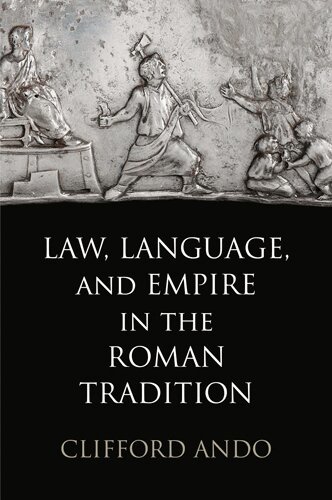
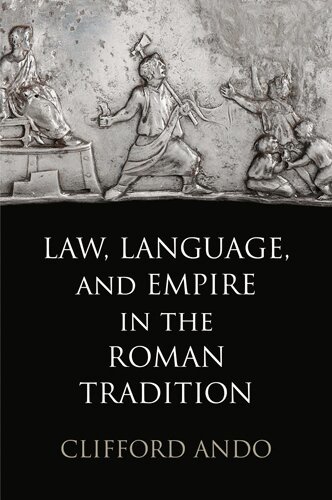
The Romans depicted the civil law as a body of rules crafted through communal deliberation for the purpose of self-government. Yet, as Clifford Ando demonstrates in Law, Language, and Empire in the Roman Tradition, the civil law was also an instrument of empire: many of its most characteristic features developed in response to the challenges posed when the legal system of Rome was deployed to embrace, incorporate, and govern people and cultures far afield.Ando studies the processes through which lawyers at Rome grappled with the legal pluralism resulting from imperial conquests. He focuses primarily on the tools-most prominently analogy and fiction-used to extend the system and enable it to regulate the lives of persons far from the minds of the original legislators, and he traces the central place that philosophy of language came to occupy in Roman legal thought.In the second part of the book Ando examines the relationship between civil, public, and international law. Despite the prominence accorded public and international law in legal theory, it was civil law that provided conceptual resources to those other fields in the Roman tradition. Ultimately it was the civil law's implication in systems of domination outside its own narrow sphere that opened the door to its own subversion. When political turmoil at Rome upended the institutions of political and legislative authority and effectively ended Roman democracy, the concepts and language that the civil law supplied to the project of Republican empire saw their meanings transformed. As a result, forms of domination once exercised by Romans over others were inscribed in the workings of law at Rome, henceforth to be exercised by the Romans over themselves.
939 kr
Skickas inom 10-15 vardagar
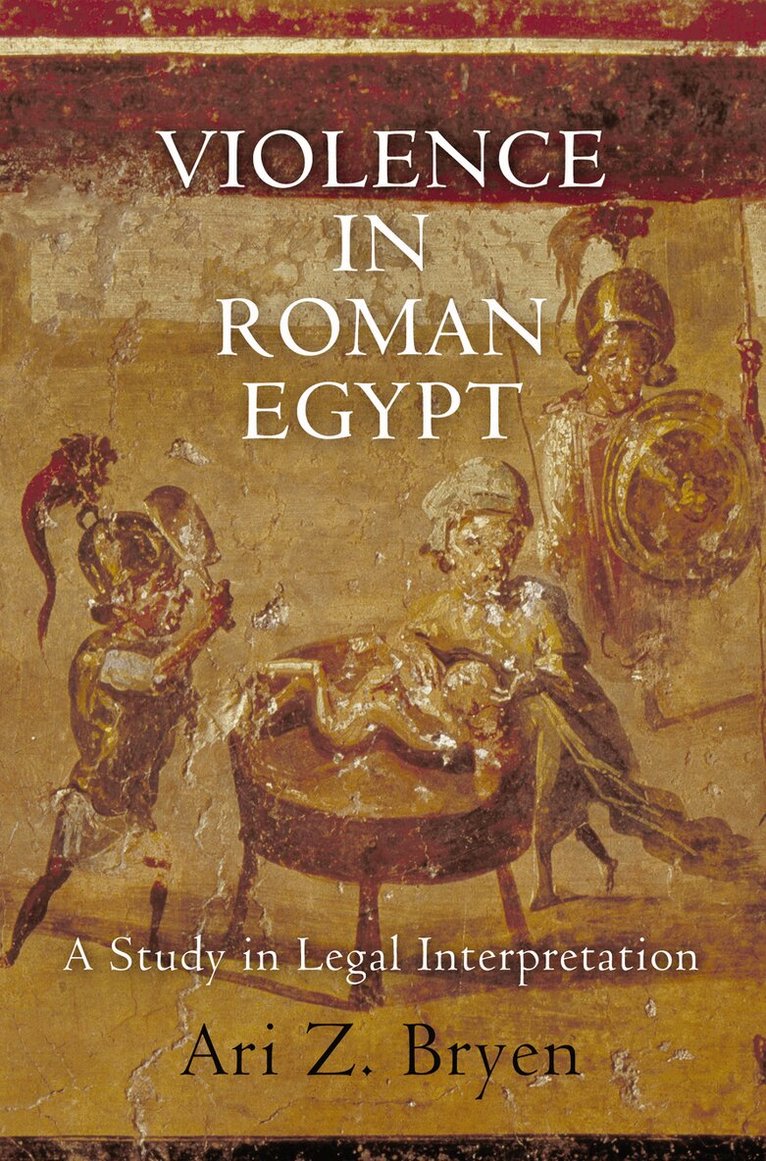
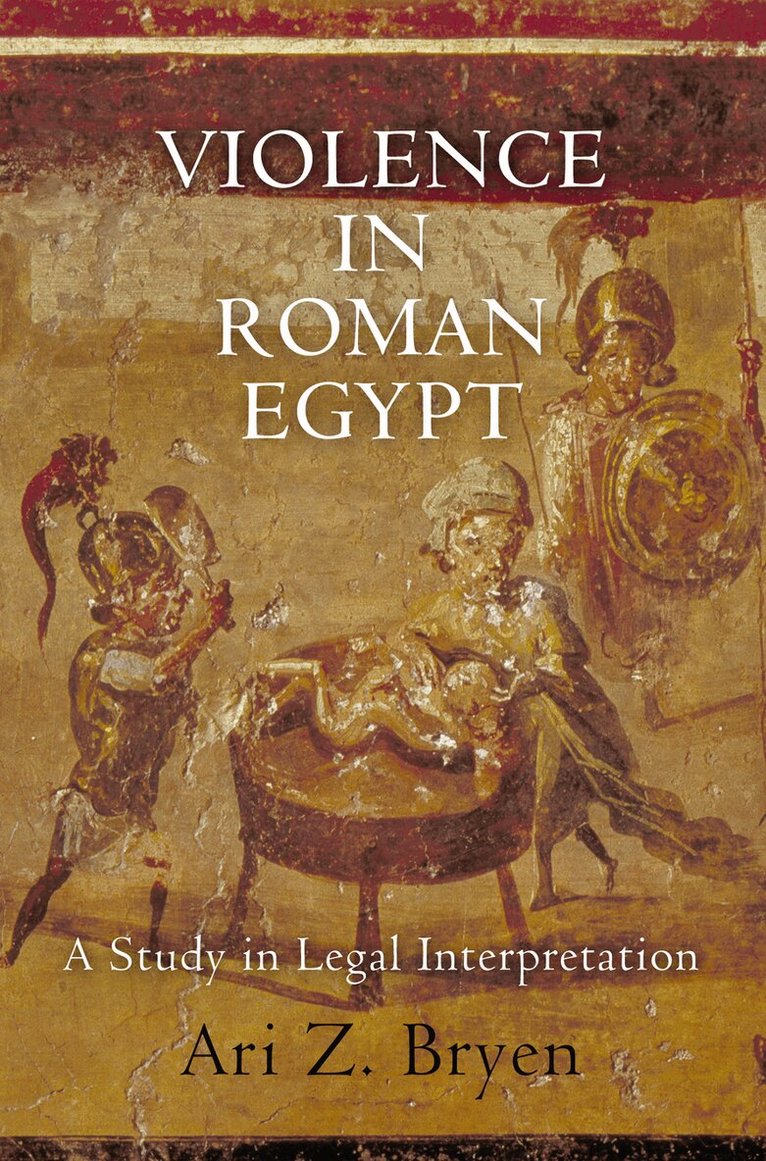
What can we learn about the world of an ancient empire from the ways that people complain when they feel that they have been violated? What role did law play in people's lives? And what did they expect their government to do for them when they felt harmed and helpless?If ancient historians have frequently written about nonelite people as if they were undifferentiated and interchangeable, Ari Z. Bryen counters by drawing on one of our few sources of personal narratives from the Roman world: over a hundred papyrus petitions, submitted to local and imperial officials, in which individuals from the Egyptian countryside sought redress for acts of violence committed against them. By assembling these long-neglected materials (also translated as an appendix to the book) and putting them in conversation with contemporary perspectives from legal anthropology and social theory, Bryen shows how legal stories were used to work out relations of deference within local communities.Rather than a simple force of imperial power, an open legal system allowed petitioners to define their relationships with their local adversaries while contributing to the body of rules and expectations by which they would live in the future. In so doing, these Egyptian petitioners contributed to the creation of Roman imperial order more generally.
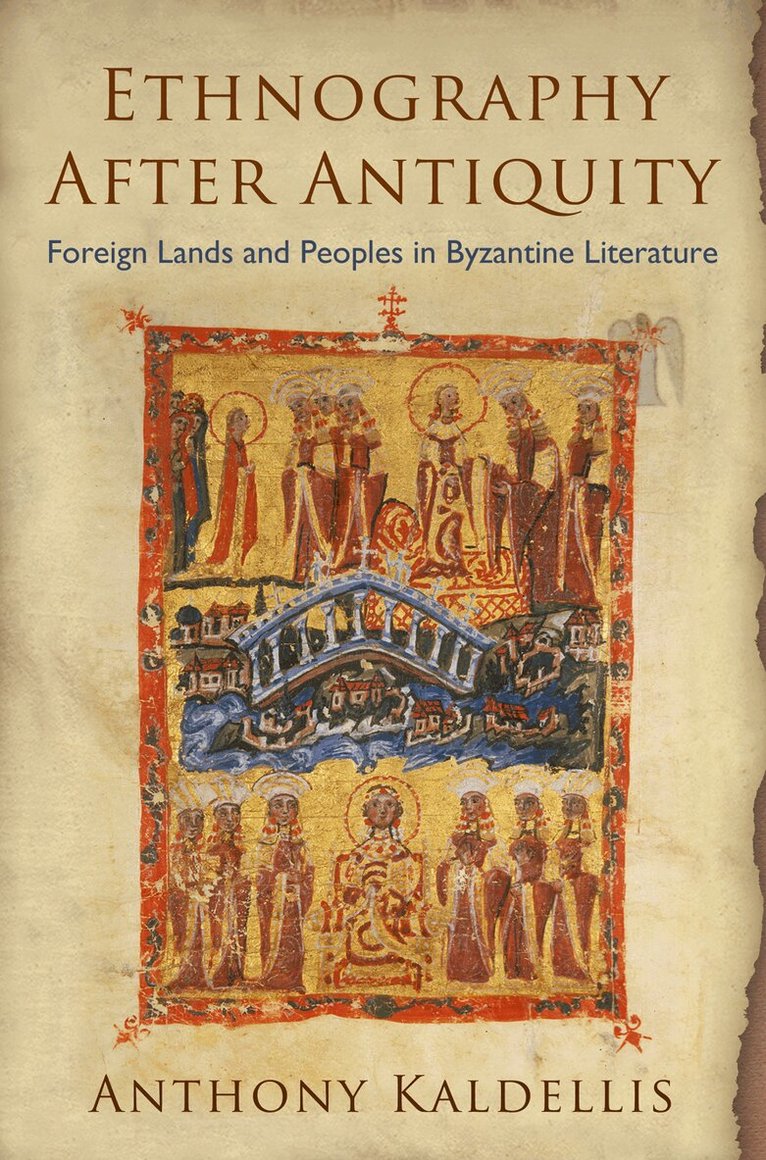
Ethnography After Antiquity
Foreign Lands and Peoples in Byzantine Literature
Inbunden, Engelska, 2013
939 kr
Skickas inom 10-15 vardagar
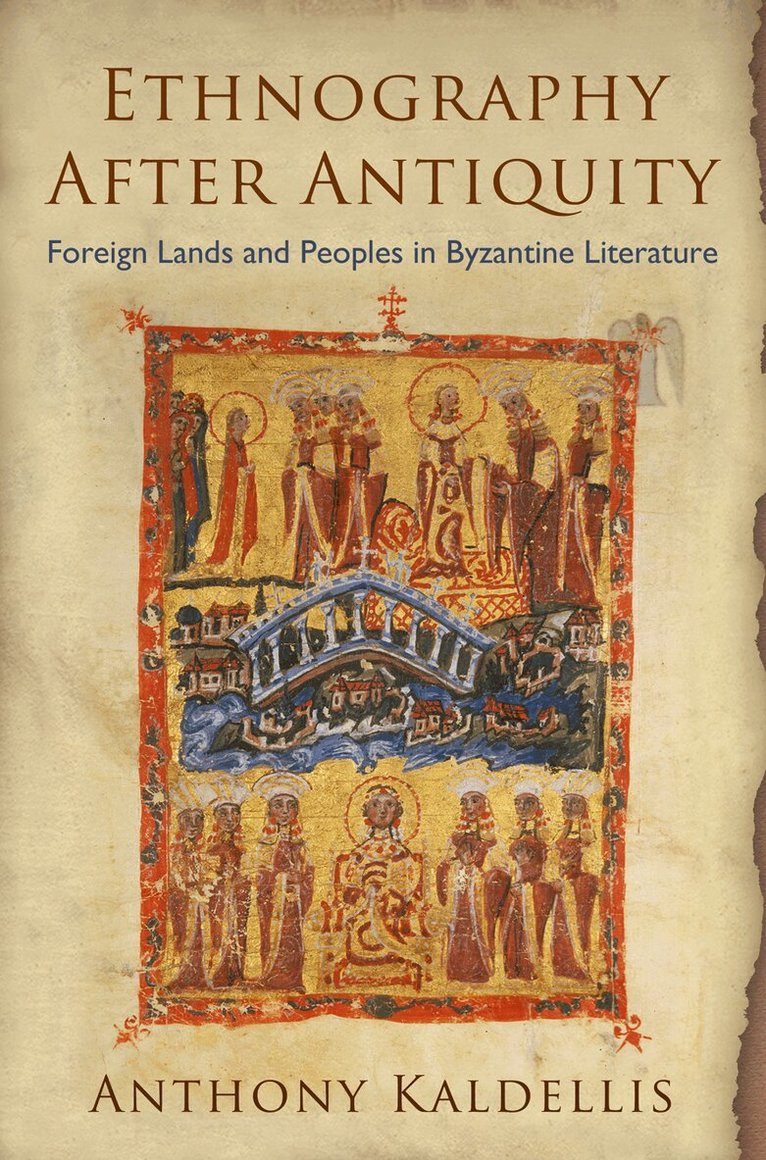
Although Greek and Roman authors wrote ethnographic texts describing foreign cultures, ethnography seems to disappear from Byzantine literature after the seventh century C.E.-a perplexing exception for a culture so strongly self-identified with the Roman empire. Yet the Byzantines, geographically located at the heart of the upheavals that led from the ancient to the modern world, had abundant and sophisticated knowledge of the cultures with which they struggled and bargained. Ethnography After Antiquity examines both the instances and omissions of Byzantine ethnography, exploring the political and religious motivations for writing (or not writing) about other peoples.Through the ethnographies embedded in classical histories, military manuals, Constantine VII's De administrando imperio, and religious literature, Anthony Kaldellis shows Byzantine authors using accounts of foreign cultures as vehicles to critique their own state or to demonstrate Romano-Christian superiority over Islam. He comes to the startling conclusion that the Byzantines did not view cultural differences through a purely theological prism: their Roman identity, rather than their orthodoxy, was the vital distinction from cultures they considered heretic and barbarian. Filling in the previously unexplained gap between antiquity and the resurgence of ethnography in the late Byzantine period, Ethnography After Antiquity offers new perspective on how Byzantium positioned itself with and against the dramatically shifting world.
720 kr
Skickas inom 10-15 vardagar
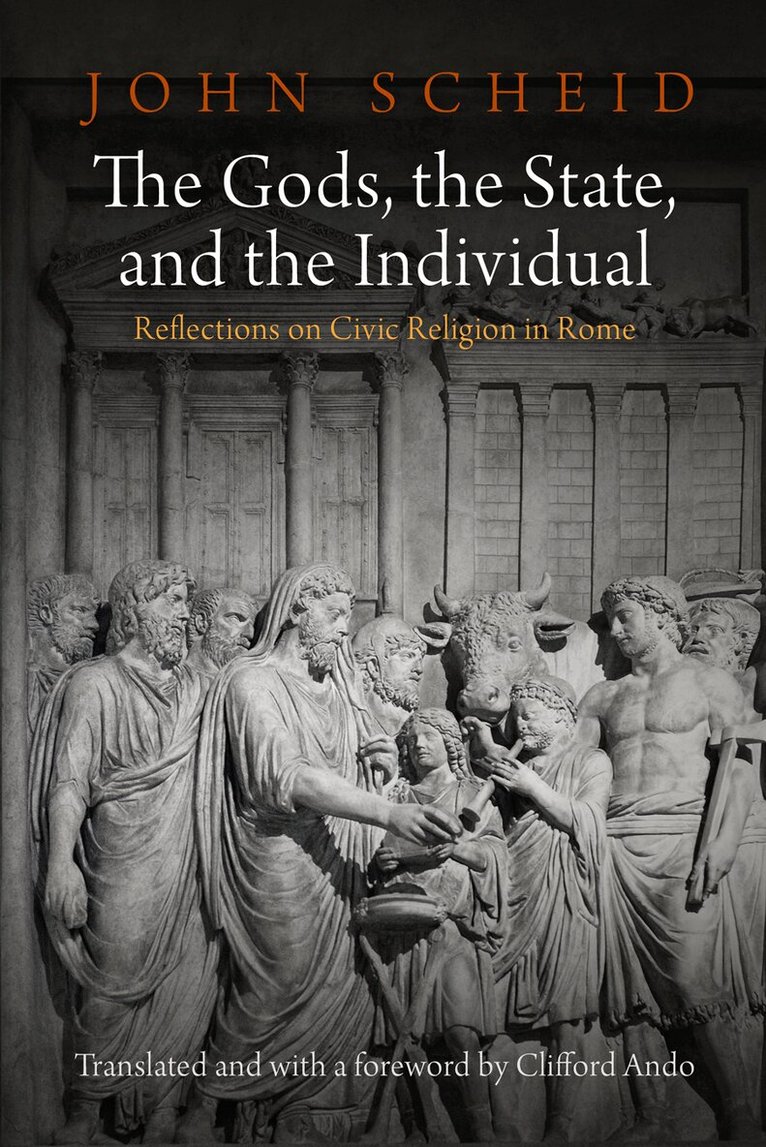
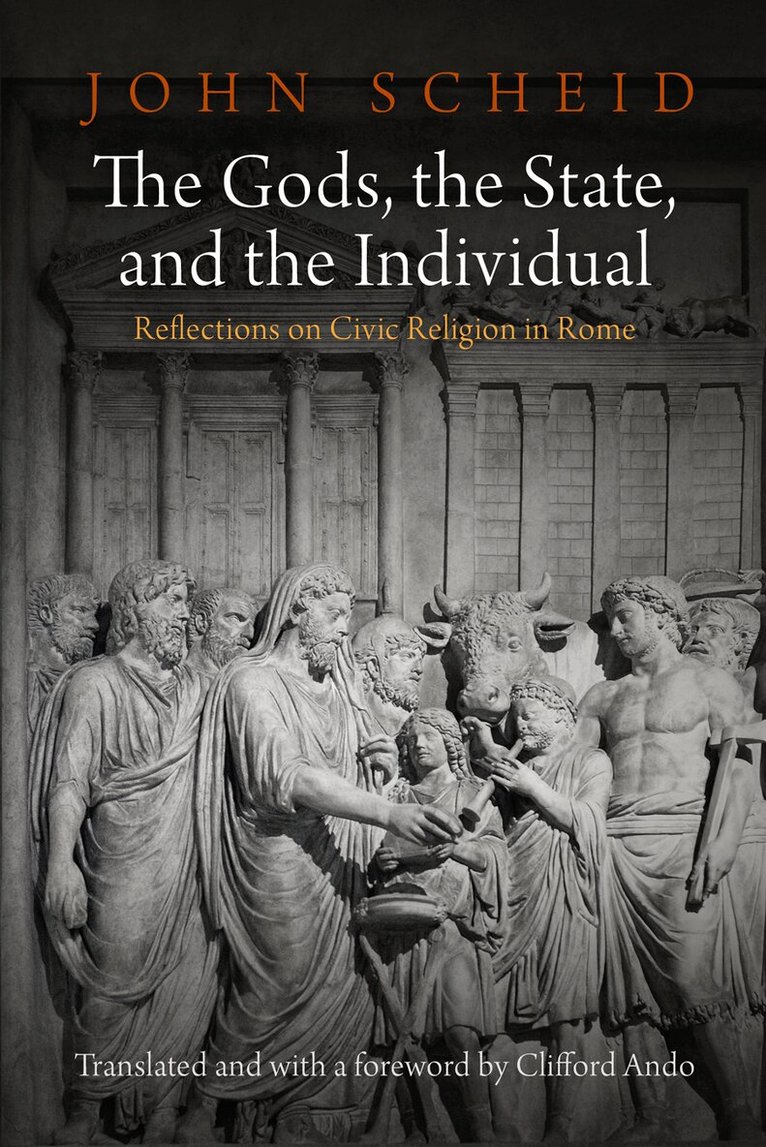
Roman religion has long presented a number of challenges to historians approaching the subject from a perspective framed by the three Abrahamic religions. The Romans had no sacred text that espoused its creed or offered a portrait of its foundational myth. They described relations with the divine using technical terms widely employed to describe relations with other humans. Indeed, there was not even a word in classical Latin that corresponds to the English word religion.In The Gods, the State, and the Individual, John Scheid confronts these and other challenges directly. If Roman religious practice has long been dismissed as a cynical or naÏve system of borrowed structures unmarked by any true piety, Scheid contends that this is the result of a misplaced expectation that the basis of religion lies in an individual's personal and revelatory relationship with his or her god. He argues that when viewed in the light of secular history as opposed to Christian theology, Roman religion emerges as a legitimate phenomenon in which rituals, both public and private, enforced a sense of communal, civic, and state identity.Since the 1970s, Scheid has been one of the most influential figures reshaping scholarly understanding of ancient Roman religion. The Gods, the State, and the Individual presents a translation of Scheid's work that chronicles the development of his field-changing scholarship.
1 250 kr
Skickas inom 7-10 vardagar
Over the course of the fourth century, Christianity rose from a religion actively persecuted by the authority of the Roman empire to become the religion of state-a feat largely credited to Constantine the Great. Constantine succeeded in propelling this minority religion to imperial status using the traditional tools of governance, yet his proclamation of his new religious orientation was by no means unambiguous. His coins and inscriptions, public monuments, and pronouncements sent unmistakable signals to his non-Christian subjects that he was willing not only to accept their beliefs about the nature of the divine but also to incorporate traditional forms of religious expression into his own self-presentation. In Constantine and the Cities, Noel Lenski attempts to reconcile these apparent contradictions by examining the dialogic nature of Constantine's power and how his rule was built in the space between his ambitions for the empire and his subjects' efforts to further their own understandings of religious truth.Focusing on cities and the texts and images produced by their citizens for and about the emperor, Constantine and the Cities uncovers the interplay of signals between ruler and subject, mapping out the terrain within which Constantine nudged his subjects in the direction of conversion. Reading inscriptions, coins, legal texts, letters, orations, and histories, Lenski demonstrates how Constantine and his subjects used the instruments of government in a struggle for authority over the religion of the empire.
939 kr
Skickas inom 10-15 vardagar
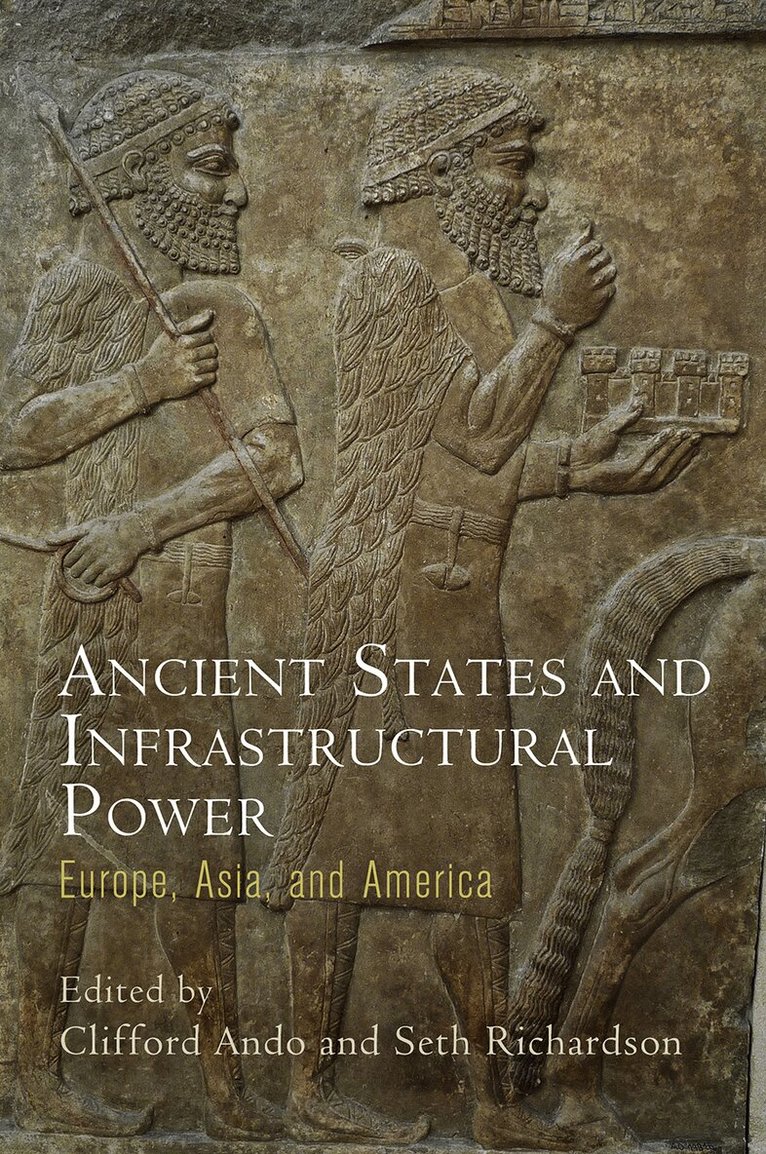
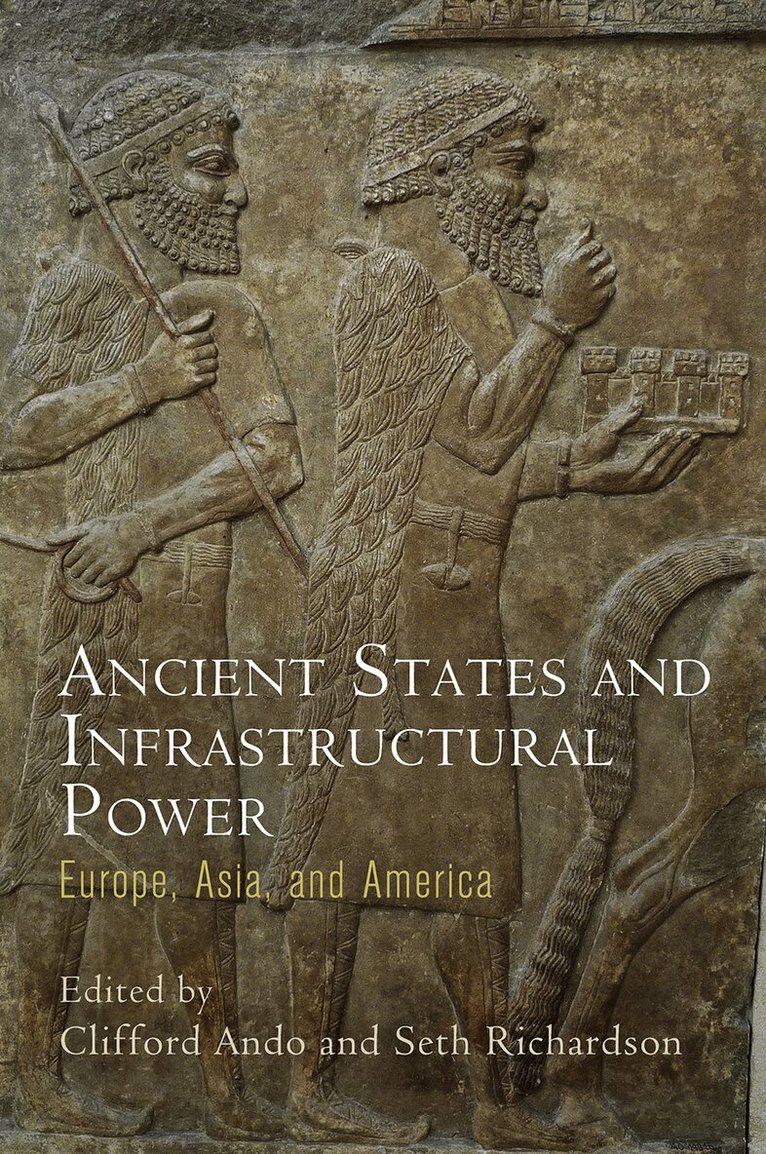
While ancient states are often characterized in terms of the powers that they claimed to possess, the contributors to this book argue that they were in fact fundamentally weak, both in the exercise of force outside of war and in the infrastructural and regulatory powers that such force would, in theory, defend. In Ancient States and Infrastructural Power a distinguished group of scholars examines the ways in which early states built their territorial, legal, and political powers before they had the capabilities to enforce them.The volume brings Greek and Roman historians together with specialists on early Mesopotamia, late antique Persia, ancient China, Visigothic Iberia, and the Inca empire to compare various models of state power across regional and disciplinary divisions. How did the polis become the body that regulates property rights? Why did Chinese and Persian states maintain aristocracies that sometimes challenged their autocracies? How did Babylon and Rome promote the state as the custodian of moral goods? In worlds without clear borders, how did societies from Rome to Byzantium come to share legal and social identities rooted in concepts of territory? From the Inca empire to Visigothic Iberia, why did tributary practices reinforce territorial ideas about membership?Contributors address how states first claimed and developed the ability to delineate territory, promote laws, and establish political identity; and they investigate how the powers that states appropriated came to be seen as their natural and normal domain.Contributors: Clifford Ando, R. Alan Covey, DamiÁn FernÁndez, Anthony Kaldellis, Emily Mackil, Richard Payne, Seth Richardson, Wang Haicheng, John Weisweiler.
1 162 kr
Skickas inom 7-10 vardagar
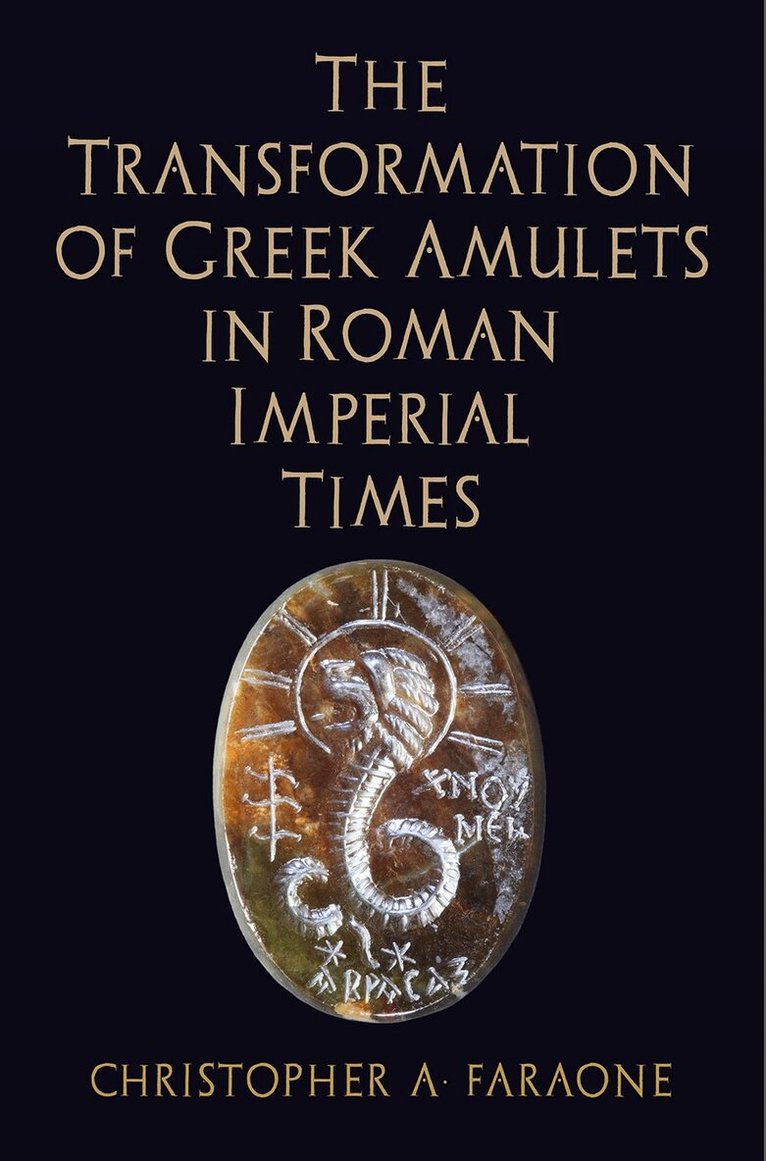
The era of the Roman Empire was distinguished by an explosion of images and texts in a variety of media-metal, papyrus, mosaic, gemstone-all designed to protect, heal, or grant some abstract benefit to the persons who wore them on their bodies or placed them in their homes. In the past scholars have explained this proliferation of readily identifiable amulets by a sudden need for magic or by a precipitous rise in superstition or anxiety in this period, connected, perhaps, with the internal breakdown of Greek rationalism or the migration of superstitious peoples from the East.Christopher A. Faraone argues, instead, that these amulets were not invented in this period as a result of an alteration in the Roman worldview or a tidal wave of "oriental" influence, but rather that they only become visible to us in the archaeological record as a result of a number of technical innovations and transformations: the increased epigraphic habit of the Imperial period, the miniaturization of traditional domestic amulets, like the triple-faced Hecate, on durable gems, or the utilization of newly crafted Egyptianizing iconography. In short, it is only when explicitly protective or curative texts, or strange new images, are added to traditional Greek amulets, that modern observers realize that these objects were thought to have the power to protect or heal all along. The real question addressed by the book, then, is not why we can identify so many amulets in the Roman Imperial period but, rather, why we have failed to identify them in artifacts of the preceding centuries.Featuring more than 120 illustrations, The Transformation of Greek Amulets in Roman Imperial Times is not only a tremendous resource for those working in the fields of ancient magic and religion but also an essential reference for those interested in the religion, culture, and history of the ancient Mediterranean.
830 kr
Skickas inom 10-15 vardagar
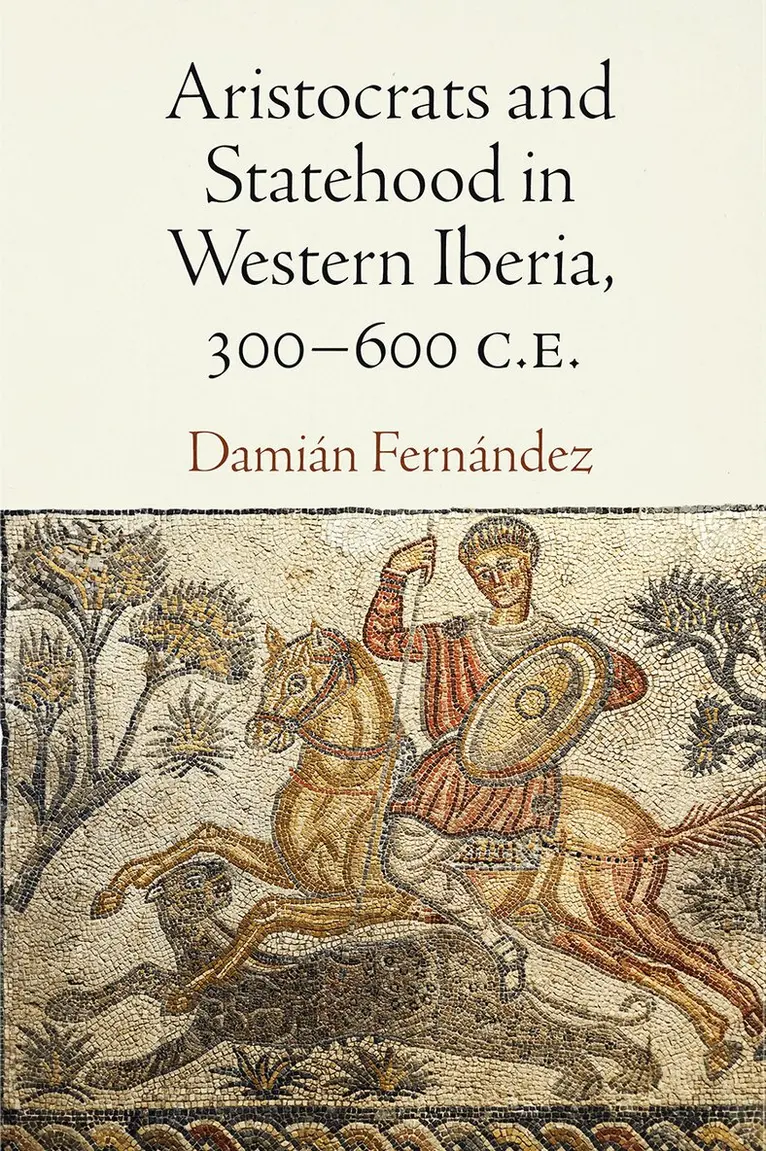
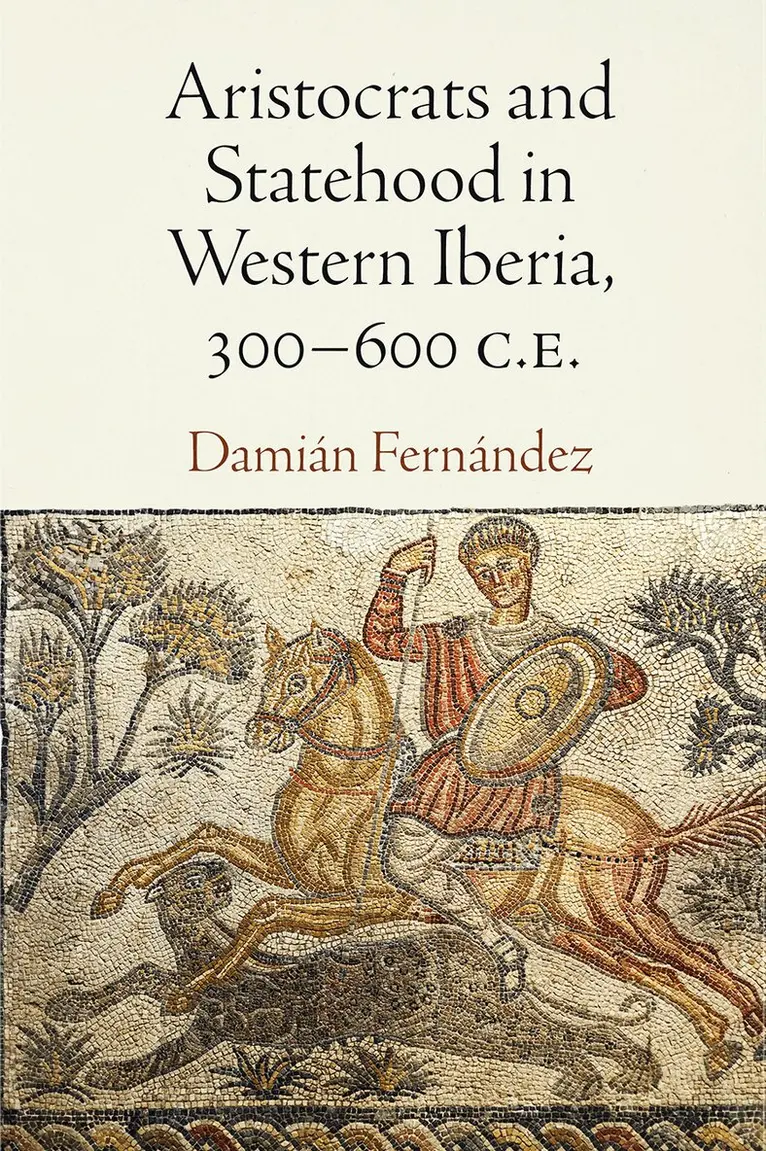
In a distant corner of the late antique world, along the Atlantic river valleys of western Iberia, local elite populations lived through the ebb and flow of empire and kingdoms as historical agents with their own social strategies. Contrary to earlier historiographical accounts, these aristocrats were not oppressed by a centralized Roman empire or its successor kingdoms; nor was there an inherent conflict between central states and local elites. Instead, DamiÁn FernÁndez argues, there was an interdependency of state and local aristocracies. The upper classes embraced state projects to assert their ascendancy within their communities. By doing so, they enacted statehood at the local level, bringing state presence to the remotest corners of Iberia, both under Roman rule and during the later Suevic and Visigothic kingdoms.Aristocrats and Statehood in Western Iberia, 300-600 C.E. combines archaeological and literary sources to reconstruct the history of late antique Iberian aristocracies, facilitating the study of a social class that has proved elusive when approached through the lens of a single type of evidence. This is the first study of Iberian elites that covers both the late Roman and the post-Roman periods in similar depth, and the chronological approach allows for a new perspective on social agency of late antique nobility. While the end of the Roman empire changed the political, economic, and social strategies of local aristocrats, the book also demonstrates a considerable degree of continuity that lasted until the late sixth century.
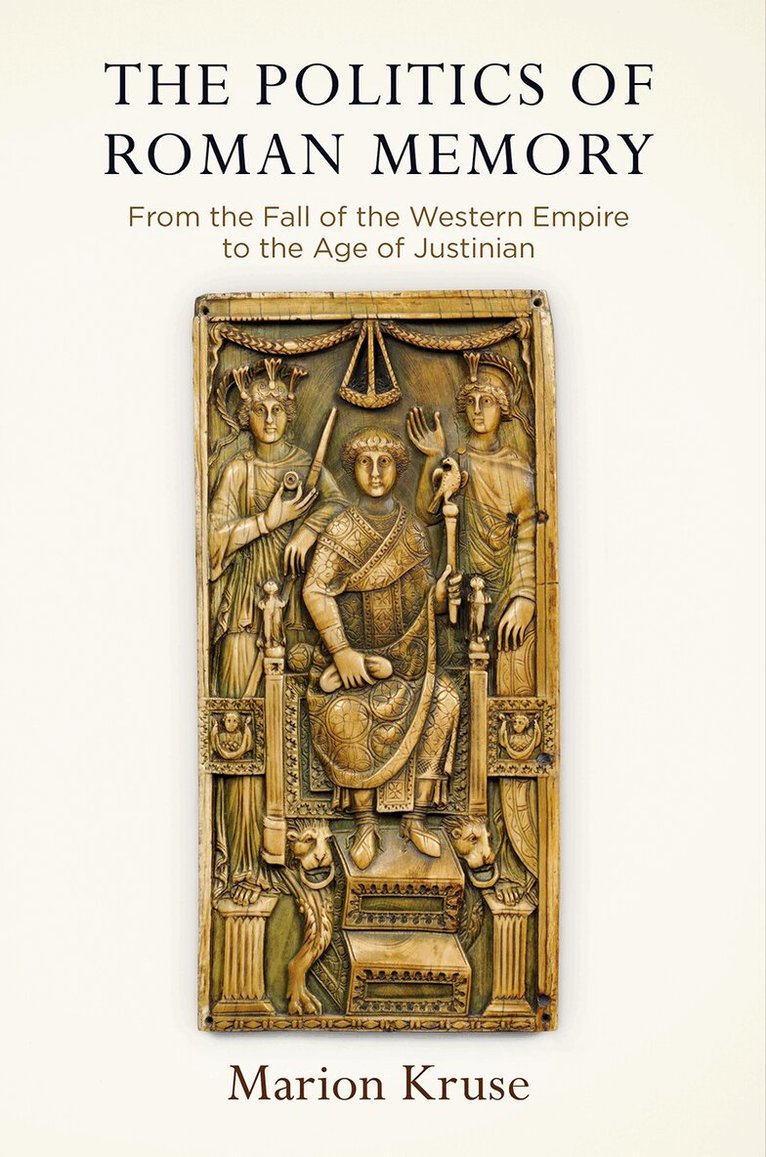
Politics of Roman Memory
From the Fall of the Western Empire to the Age of Justinian
Inbunden, Engelska, 2019
830 kr
Skickas inom 10-15 vardagar
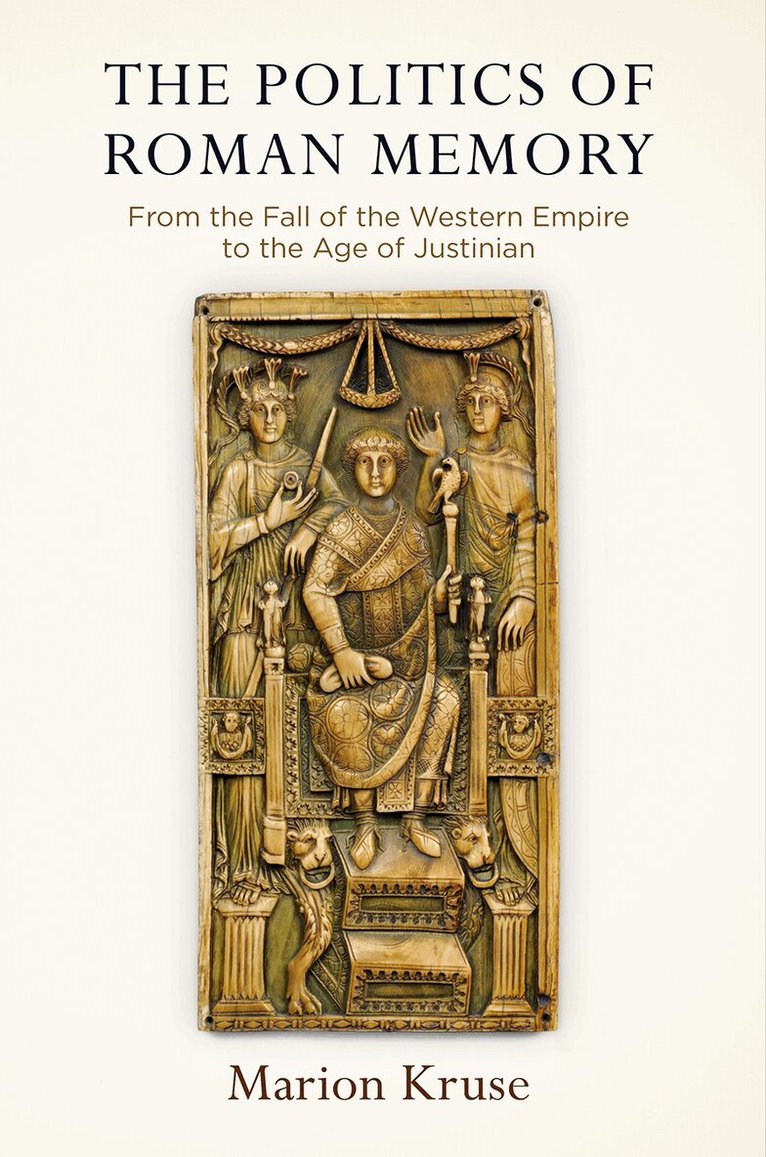
What did it mean to be Roman after the fall of the western Roman empire in 476, and what were the implications of new formulations of Roman identity for the inhabitants of both east and west? How could an empire be Roman when it was, in fact, at war with Rome? How did these issues motivate and shape historical constructions of Constantinople as the New Rome? And how did the idea that a Roman empire could fall influence political rhetoric in Constantinople? In The Politics of Roman Memory, Marion Kruse visits and revisits these questions to explore the process by which the emperors, historians, jurists, antiquarians, and poets of the eastern Roman empire employed both history and mythologized versions of the same to reimagine themselves not merely as Romans but as the only Romans worthy of the name.The Politics of Roman Memory challenges conventional narratives of the transformation of the classical world, the supremacy of Christian identity in late antiquity, and the low literary merit of writers in this period. Kruse reconstructs a coherent intellectual movement in Constantinople that redefined Romanness in a Constantinopolitan idiom through the manipulation of Roman historical memory. Debates over the historical parameters of Romanness drew the attention of figures as diverse as Zosimos-long dismissed as a cranky pagan outlier, but here rehabilitated-and the emperor Justinian, as well as the major authors of Justinian's reign, such as Prokopios, Ioannes Lydos, and Jordanes. Finally, by examining the narratives embedded in Justinian's laws, Kruse demonstrates the importance of historical memory to the construction of imperial authority.
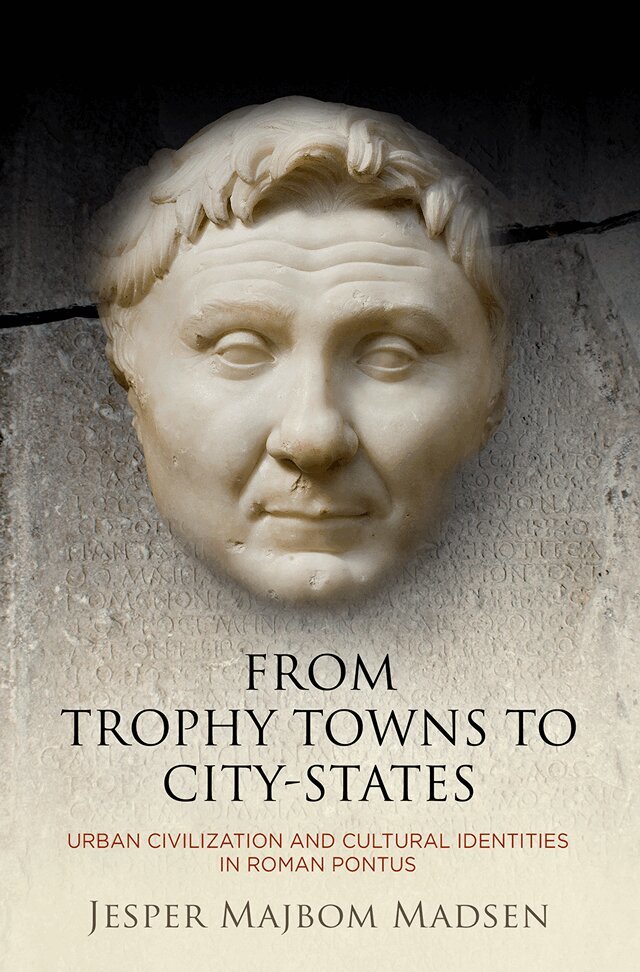
From Trophy Towns to City-States
Urban Civilization and Cultural Identities in Roman Pontus
Inbunden, Engelska, 2020
830 kr
Skickas inom 10-15 vardagar
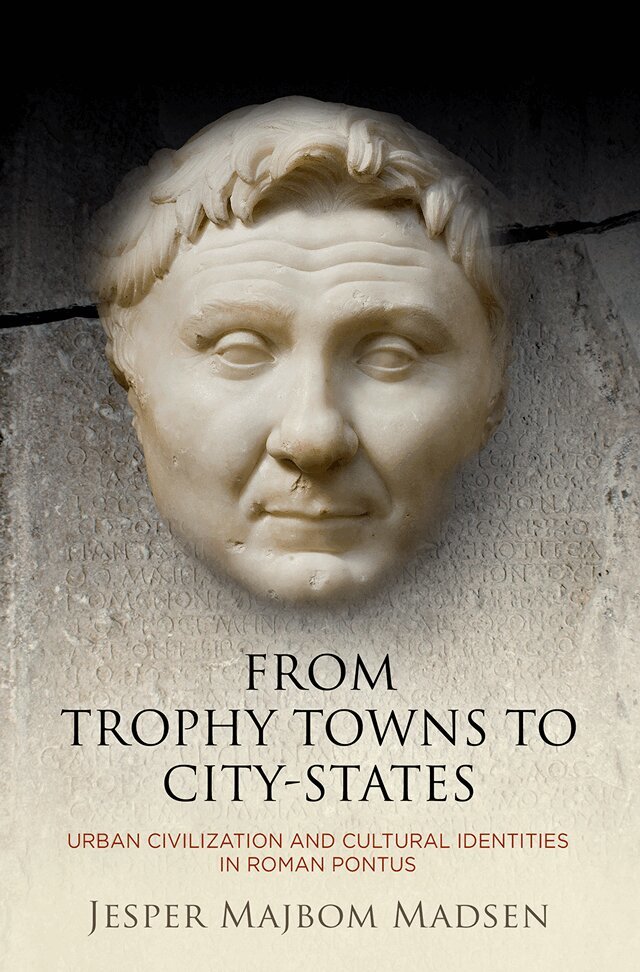
In 66 BCE, in the woods of Armenia Minor, Pompey the Great defeated Mithridates VI Eupator, making him one of the most successful Roman generals of all time. The victory presented him with the enormous challenge of organizing not only Mithridates' kingdom but also large parts of Anatolia and the Near East that were now placed under Roman rule. Pompey's solution was to found six new cities and to convert two existing communities, Zela, a temple community dedicated to the goddess AnaÏtis, and Amaseia, the former royal residence, into cities as well. There would now be eight city-states, each with the responsibility of administering the territory known to the Romans as Pontus.It has often been argued that in their eastern provinces the Romans based newly founded cities on the model of the Greek city-state and that Roman culture had less influence there than in the West. Jesper Majbom Madsen, however, describes civic development in Roman Pontus as a process by which Roman and Greek elements were introduced simultaneously. He contends that the Pompeian cities were neither traditional Greek poleis nor entirely Roman settlements with Roman laws and legislation; nor were they Greek cities gradually influenced by Roman rule. Instead, they represented a third category, in which a citizen could be an Anatolian, Greek, and Roman at the same time as well as a member of the elite, a priest in the imperial cult and in a cult to Asclepius, a local politician and a member of the Pontic koinon, all without contradiction.Bringing together a wide range of literary, historical, and political sources, From Trophy Towns to City-States examines how Pompey's cities were initially organized, how they developed over time, and how inhabitants in this part of the Roman Empire defined themselves culturally and politically.