Damián Fernández – författare
Visar alla böcker från författaren Damián Fernández. Handla med fri frakt och snabb leverans.
6 produkter
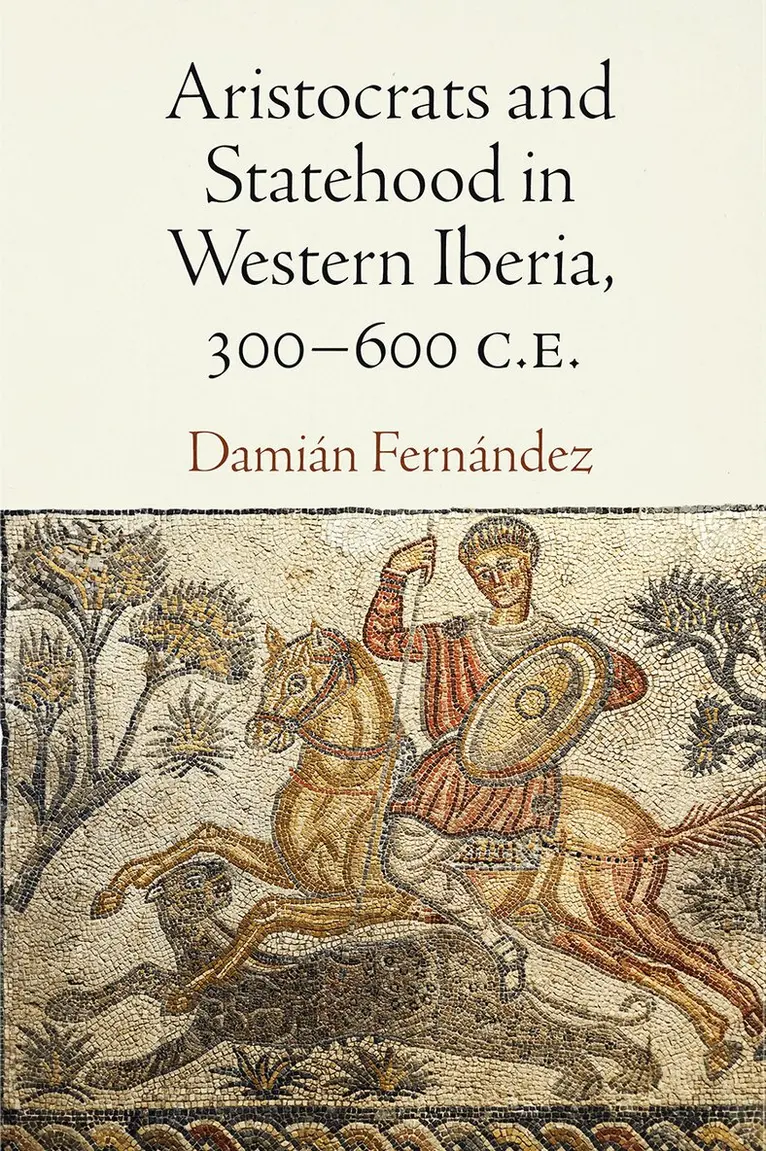
Aristocrats and Statehood in Western Iberia, 300-600 C.E.
Inbunden, 2017
877 kr
Lägg i varukorg
In a distant corner of the late antique world, along the Atlantic river valleys of western Iberia, local elite populations lived through the ebb and flow of empire and kingdoms as historical agents with their own social strategies. Contrary to earlier historiographical accounts, these aristocrats …
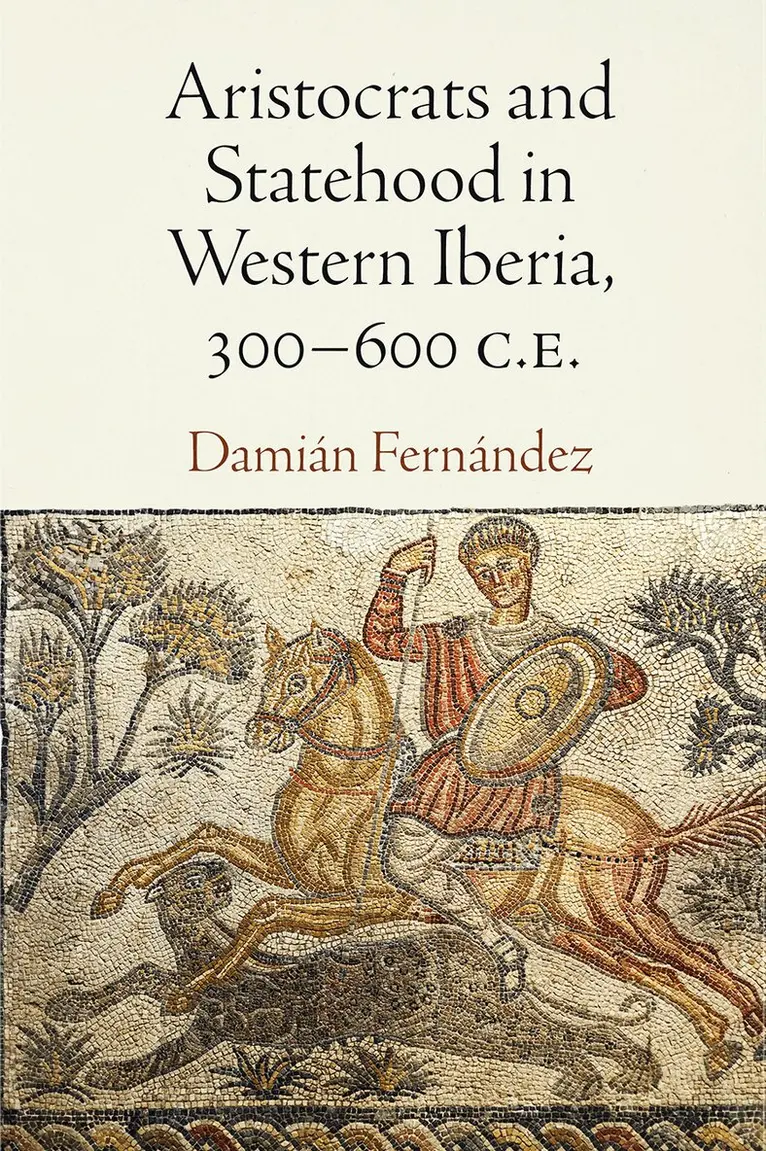
Aristocrats and Statehood in Western Iberia, 300-600 C.E.
E-bok, 2017
1058 kr
Lägg i varukorg
In a distant corner of the late antique world, along the Atlantic river valleys of western Iberia, local elite populations lived through the ebb and flow of empire and kingdoms as historical agents with their own social strategies. Contrary to earlier historiographical accounts, these aristocrats …
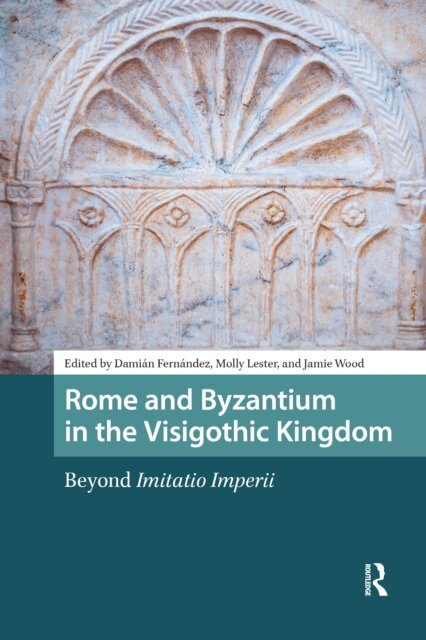
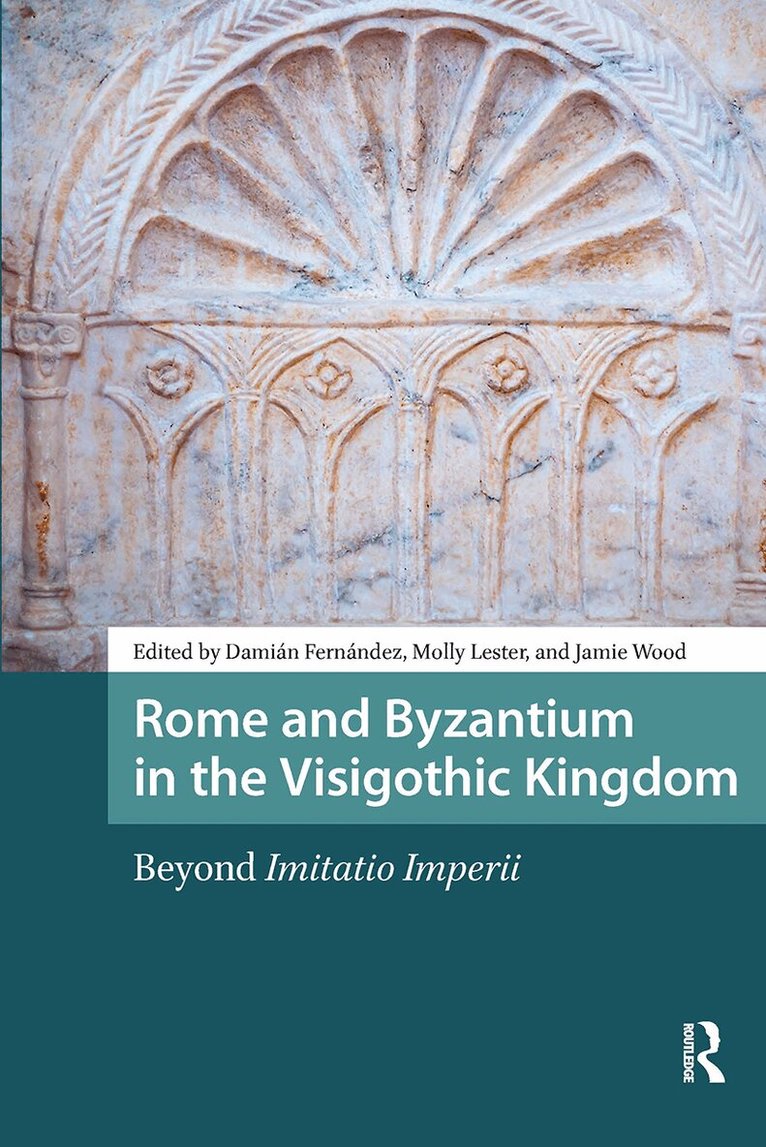
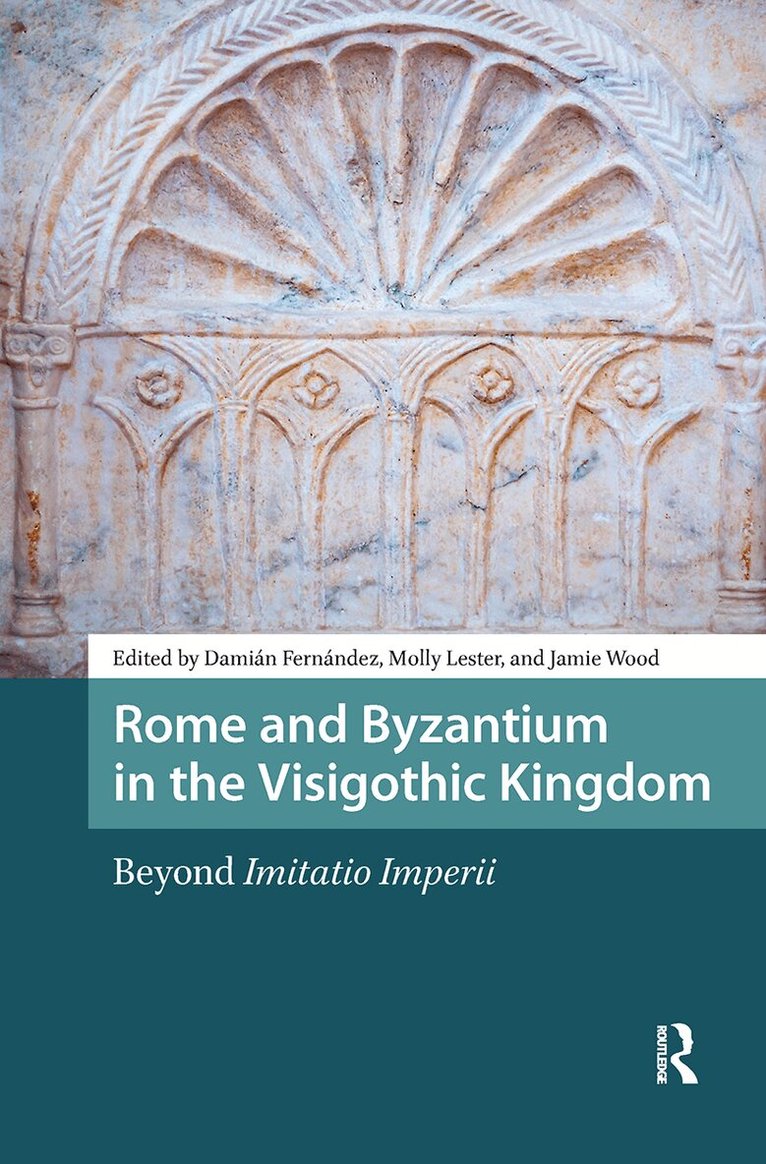
Rome and Byzantium in the Visigothic Kingdom
Beyond Imitatio Imperii
Av Jamie Wood, Molly Lester m. fl.
E-bok, 2025
831 kr
Lägg i varukorg
This volume interrogates the assumption that Visigothic practices and institutions were mere imitations of the Byzantine empire. Contributors rethink these practices not as uncritical and derivative adoptions of Byzantine customs, but as dynamic processes in dialogue with not only the Byzantine …
Rome and Byzantium in the Visigothic Kingdom
Beyond Imitatio Imperii
Av Jamie Wood, Molly Lester m. fl.
E-bok, 2025
807 kr
Lägg i varukorg
This volume interrogates the assumption that Visigothic practices and institutions were mere imitations of the Byzantine empire. Contributors rethink these practices not as uncritical and derivative adoptions of Byzantine customs, but as dynamic processes in dialogue with not only the Byzantine …
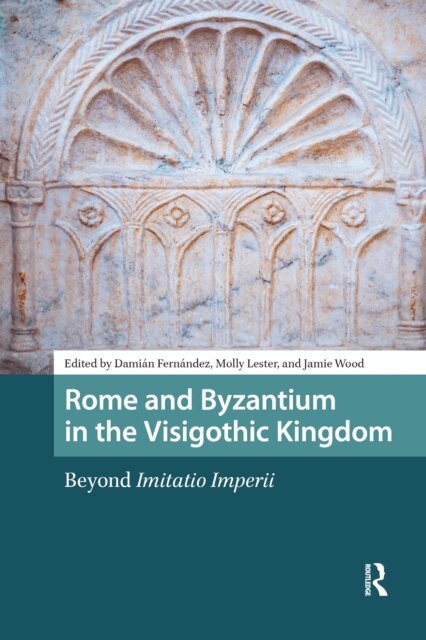
Rome and Byzantium in the Visigothic Kingdom
Beyond Imitatio Imperii
Av Damián Fernández, Molly Lester m. fl.
Häftad, 2025
704 kr
Lägg i varukorg
This volume interrogates the assumption that Visigothic practices and institutions were mere imitations of the Byzantine empire. Contributors rethink these practices not as uncritical and derivative adoptions of Byzantine customs, but as dynamic processes in dialogue with not only the Byzantine …
Rome and Byzantium in the Visigothic Kingdom
Beyond Imitatio Imperii
Av Damián Fernández, Molly Lester m. fl.
Inbunden, 2023
2197 kr
Lägg i varukorg
This volume interrogates the assumption that Visigothic practices and institutions were mere imitations of the Byzantine empire. Contributors rethink these practices not as uncritical and derivative adoptions of Byzantine customs, but as dynamic processes in dialogue with not only the Byzantine …