Environmental History and Global Change – serie
Visar alla böcker i serien Environmental History and Global Change. Handla med fri frakt och snabb leverans.
11 produkter
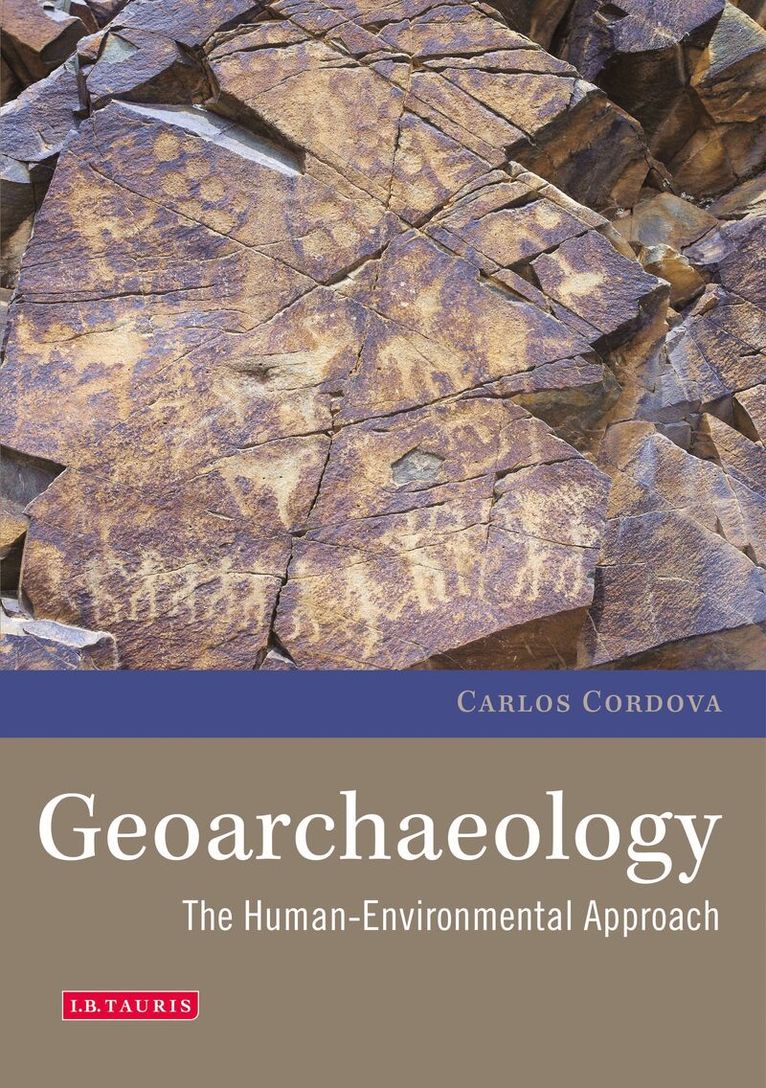
Geoarchaeology
The Human-Environmental Approach
Häftad, 2020
500 kr
Lägg i varukorg
Geoarchaeology is traditionally concerned with reconstructing the environmental aspects of past societies using the methods of the earth sciences. The field has been steadily enriched by scholars from a diversity of disciplines and much has happened as the importance of global perspectives on …
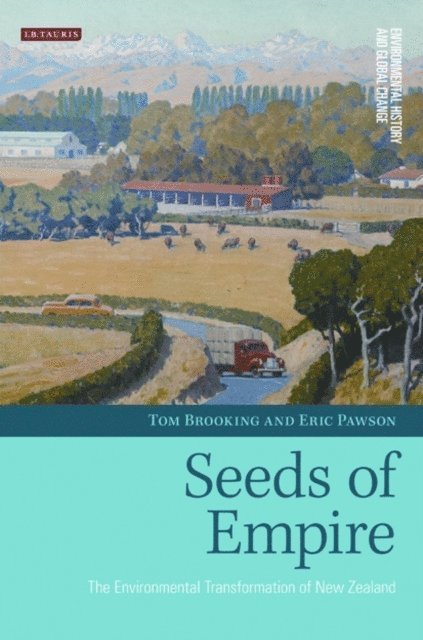
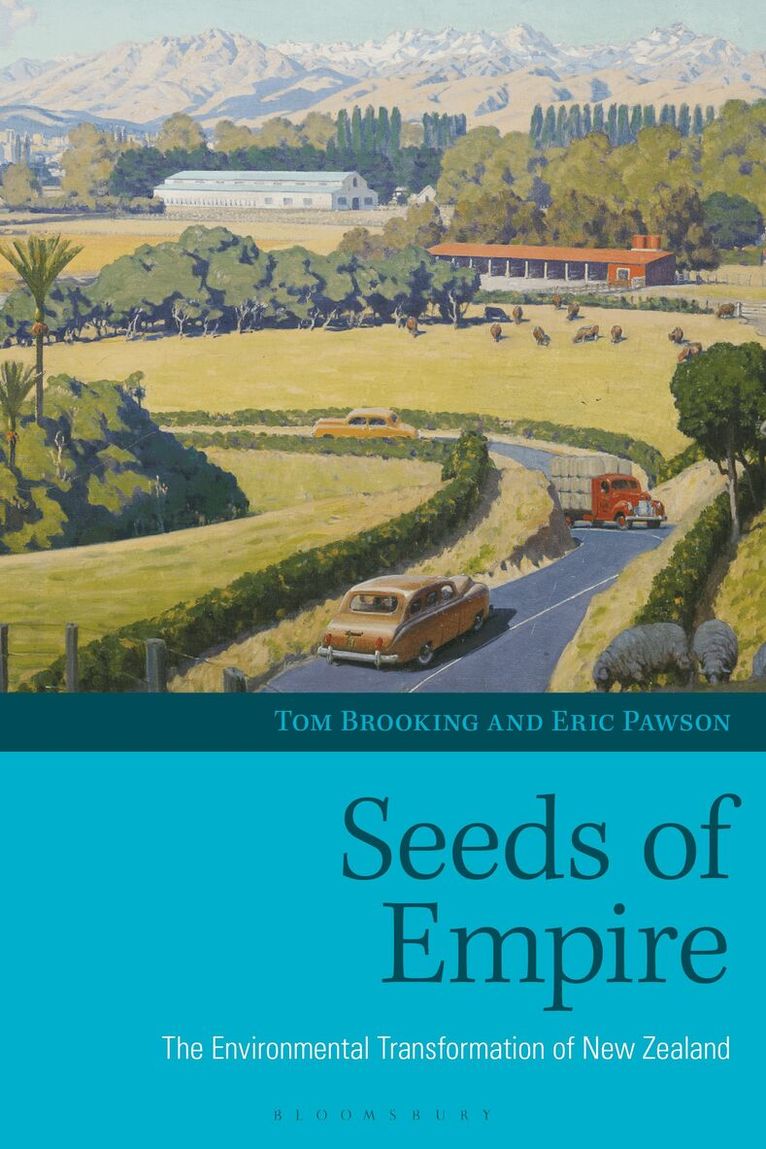
Seeds of Empire
The Environmental Transformation of New Zealand
E-bok, 2010
530 kr
Lägg i varukorg
The traditional image of New Zealand is one of verdant landscapes with sheep grazing on lush green pastures. Yet this landscape is almost entirely an artificial creation. As Britain became increasingly reliant on its overseas territories for supplies of food and raw material, so all over the Empire …
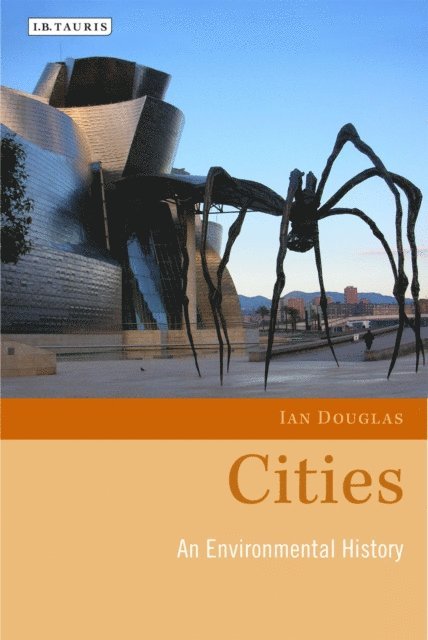
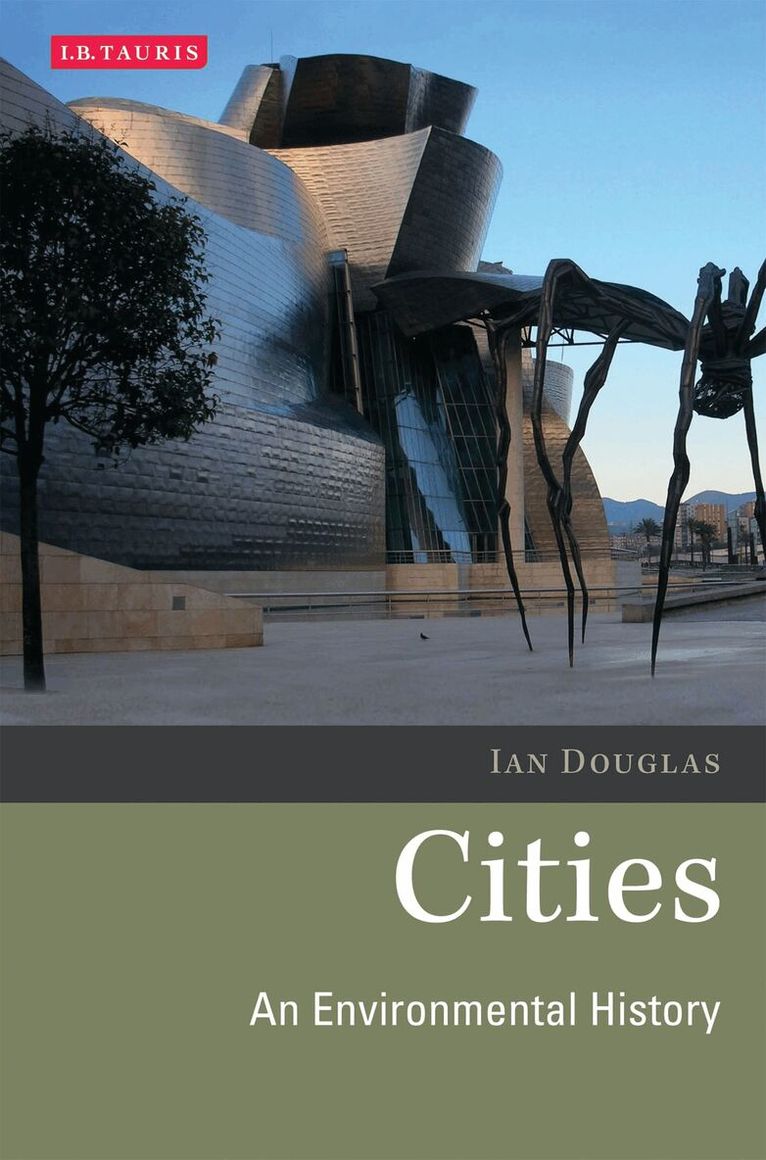
Cities
An Environmental History
Av Ian Douglas
E-bok, 2013
421 kr
Lägg i varukorg
Cities are amongst our greatest creations. Yet, with cities now home to over half the world's population, there is increasing concern over their unchecked expansion and the detrimental effect this is having on the planet. This unfettered growth is affecting every ecosystem on Earth, from the …
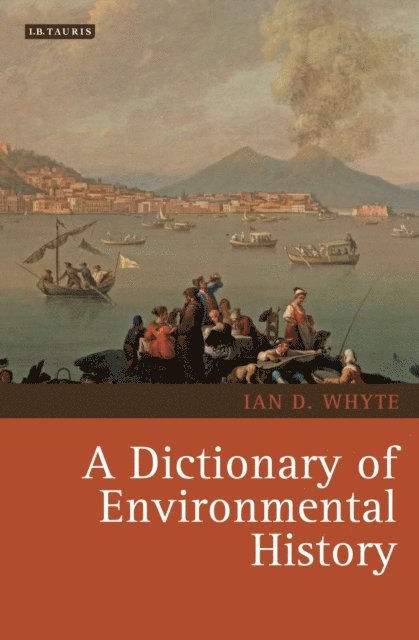
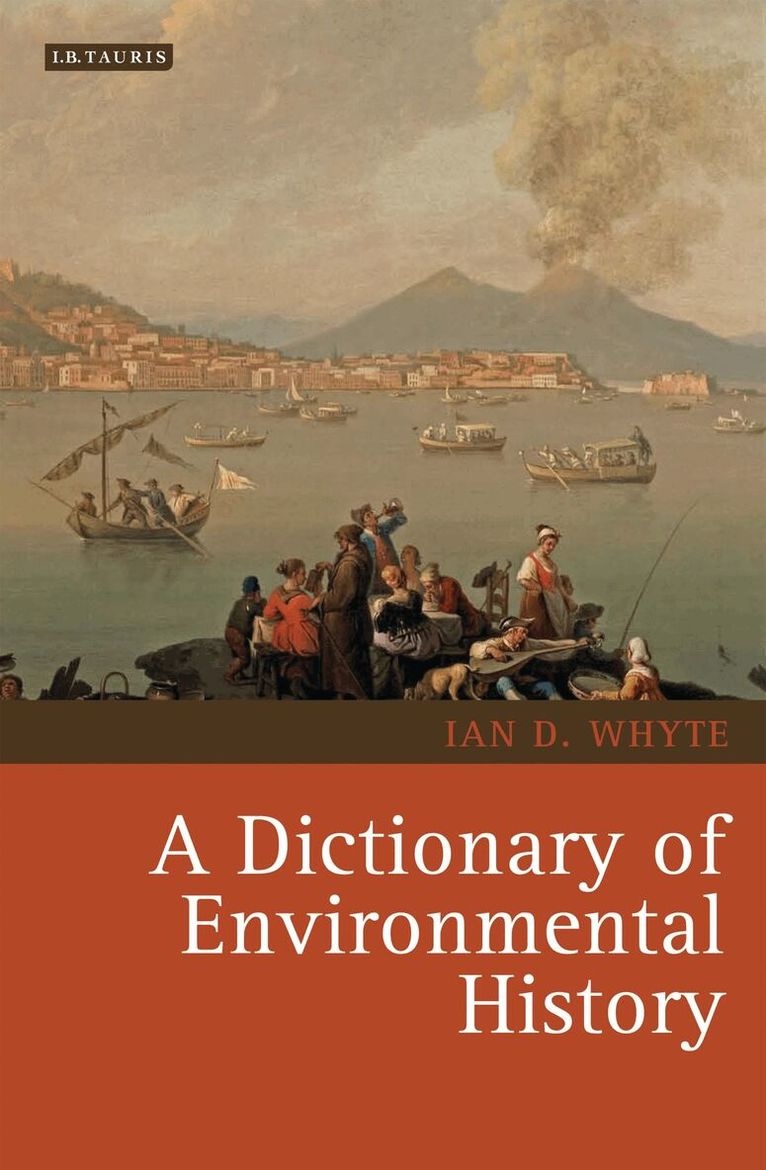
Dictionary of Environmental History
Av Ian Whyte
E-bok, 2013
2135 kr
Lägg i varukorg
Increasing awareness of the extent and cause of environmental problems has fuelled the emergence of a new and timely discipline: environmental history. An exciting blend of geography, history, archaeology, anthropology, landscape, environment and science, it seeks to reveal how human activity has …
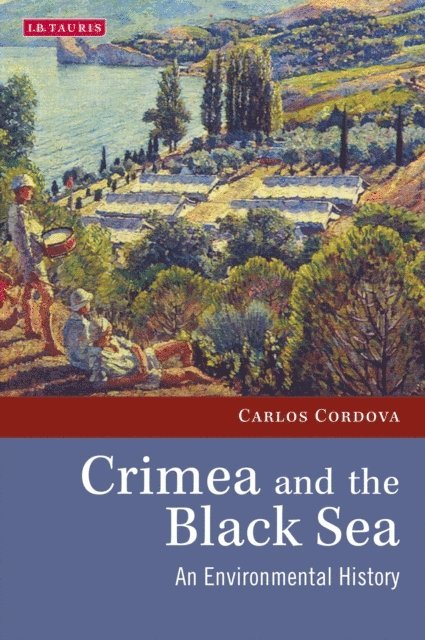
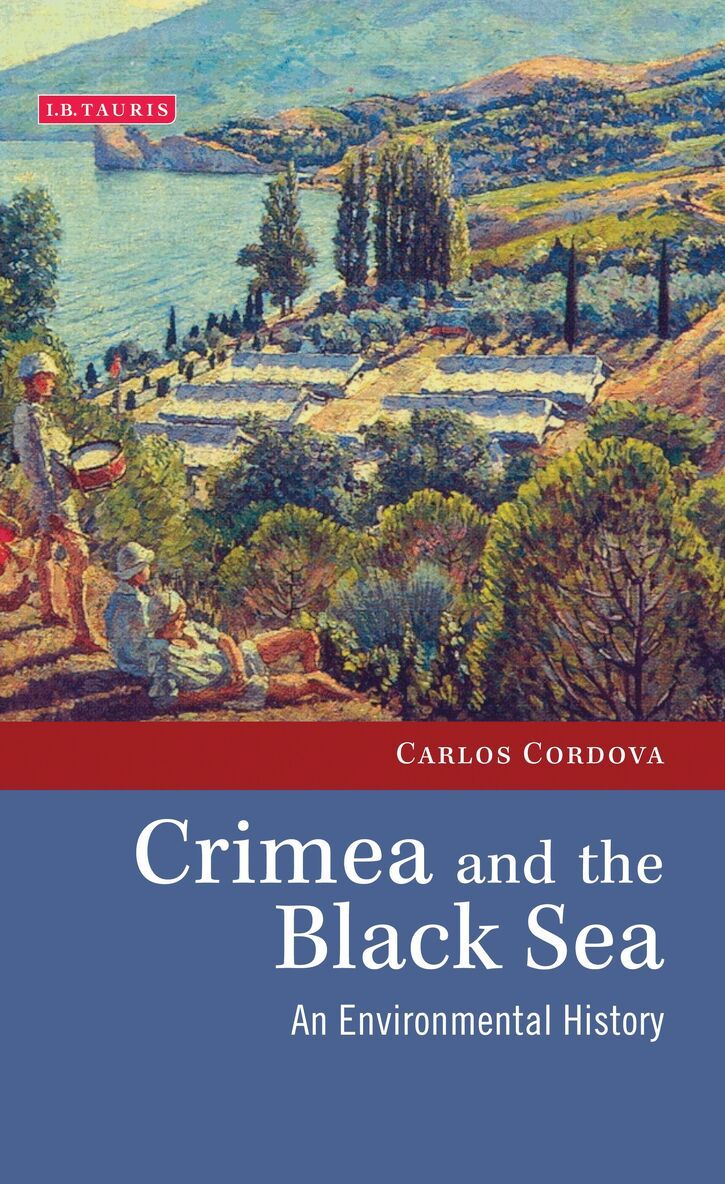
Crimea and the Black Sea
An Environmental History
E-bok, 2015
2176 kr
Lägg i varukorg
The Crimean Peninsula has a rich and complex environmental history. The Black Sea in particular has had a major impact on nearly all aspects of Crimea's natural and cultural history. Carlos Cordova explains the making of Crimea's natural environment, from its geology and relief to its climate and …
Seeds of Empire
The Environmental Transformation of New Zealand
Häftad, 2020
486 kr
Lägg i varukorg
The traditional image of New Zealand is one of verdant landscapes with sheep grazing on lush green pastures. Yet this landscape is almost entirely an artificial creation. As Britain became increasingly reliant on its overseas territories for supplies of food and raw material, so all over the Empire …
Crimea and the Black Sea
An Environmental History
Inbunden, 2015
1911 kr
Lägg i varukorg
The Crimean Peninsula has a rich and complex environmental history. The Black Sea in particular has had a major impact on nearly all aspects of Crimea's natural and cultural history. Carlos Cordova explains the making of Crimea's natural environment, from its geology and relief to its climate and …
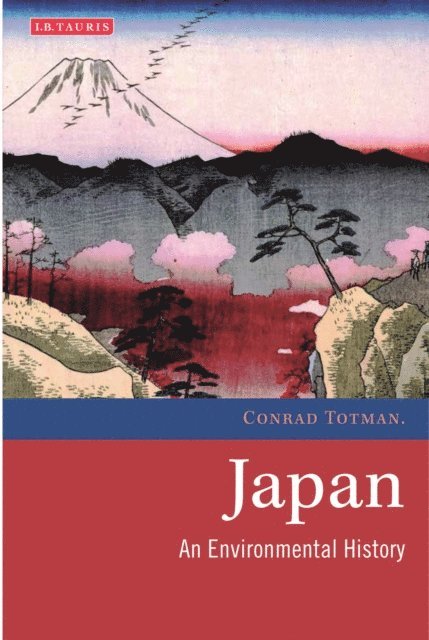
Japan
An Environmental History
E-bok, 2014
1403 kr
Lägg i varukorg
From the outset, society in Japan has been shaped by its environmental context. The lush green mountainous archipelago of today, with its highly productive lowlands, supports a population of more than 127 million people and one of the most advanced economies in the world. How has this come about …
Dictionary of Environmental History
Av Ian Whyte
Inbunden, 2013
1979 kr
Lägg i varukorg
Increasing awareness of the extent and cause of environmental problems has fuelled the emergence of a new and timely discipline: environmental history. An exciting blend of geography, history, archaeology, anthropology, landscape, environment and science, it seeks to reveal how human activity has …
Cities
An Environmental History
Av Ian Douglas
Häftad, 2012
387 kr
Lägg i varukorg
Cities are amongst our greatest creations. Yet, with cities now home to over half the world's population, there is increasing concern over their unchecked expansion and the detrimental effect this is having on the planet. This unfettered growth is affecting every ecosystem on Earth, from the …
Seeds of Empire
The Environmental Transformation of New Zealand
Inbunden, 2010
1979 kr
Lägg i varukorg
The traditional image of New Zealand is one of verdant landscapes with sheep grazing on lush green pastures. Yet this landscape is almost entirely an artificial creation. As Britain became increasingly reliant on its overseas territories for supplies of food and raw material, so all over the Empire …