Epidemic Histories - Böcker
Visar alla böcker i serien Epidemic Histories. Handla med fri frakt och snabb leverans.
2 produkter
2 produkter
441 kr
Skickas inom 7-10 vardagar
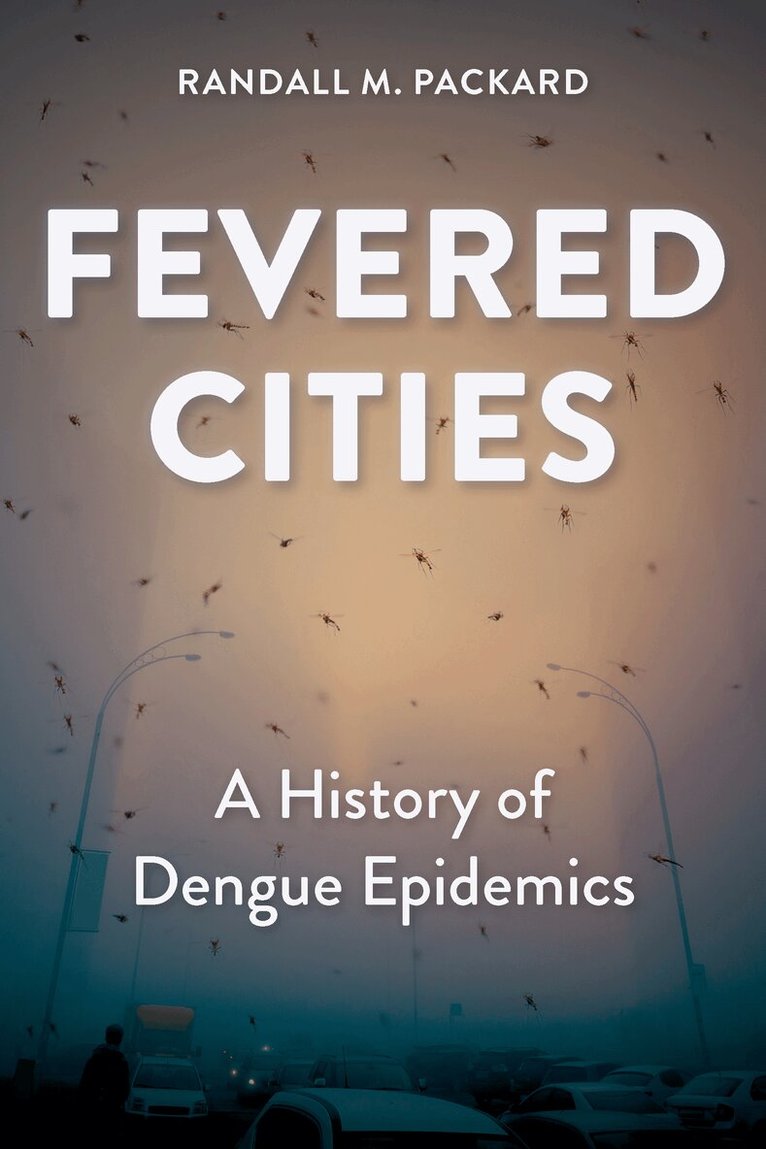
A global history of dengue fever and humanity's ongoing struggle against this persistent disease.In Fevered Cities, Randall M. Packard explores the complex and evolving history of dengue fever, the world's most widespread mosquito-borne viral disease. From its early manifestations in the eighteenth century to its current prevalence across more than one hundred countries, this book traces how dengue emerged as a global health challenge shaped by ecological, social, and economic conditions.Packard examines the disease's spread through urban landscapes, focusing on specific cities like Philadelphia, Manila, Havana, and Rio de Janeiro to illustrate how local contexts have defined outbreaks and responses. He highlights the transformation of dengue from a poorly understood physiological ailment to a vector-borne disease tied to the Aedes aegypti mosquito, and later to more severe conditions like dengue hemorrhagic fever. As climate change expands the geographical range of mosquito habitats and global trade accelerates the movement of people and goods, this book explores the social inequities, unplanned urbanization, and environmental degradation that have made dengue increasingly difficult to control.From vector control campaigns to cutting-edge biotechnologies like genetically modified mosquitoes and vaccines, Packard charts humanity's attempts to combat this tenacious disease. Fevered Cities is an essential history for public health experts, historians, and anyone concerned with the intersection of disease, society, and the built environment.
642 kr
Kommande
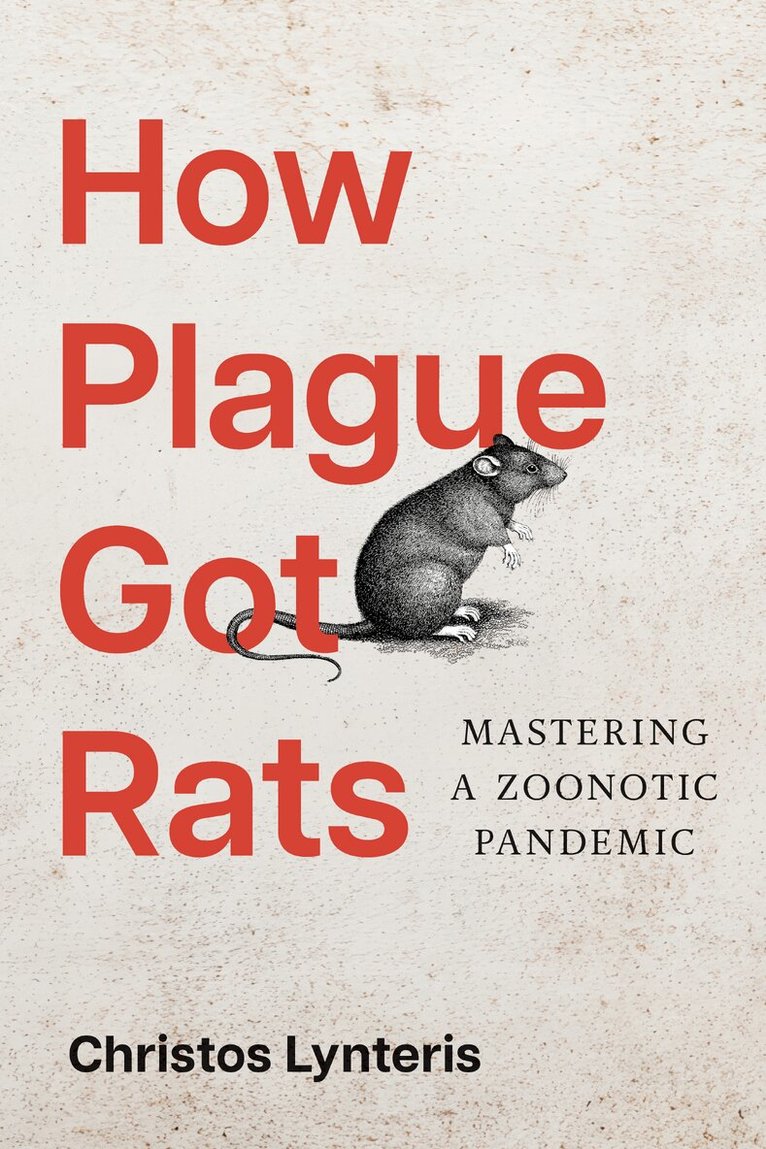
How modern epidemiology was born through the unlikely rise of the plague rat.Today, rats are nearly synonymous with plague, but this association is surprisingly recent. For centuries, plague devastated populations without being linked to animals. So how did the rat become the symbol of one of history's deadliest diseases? In How Plague Got Rats, Christos Lynteris unravels this story by focusing on the Third Plague Pandemic, a global outbreak that began in China in the 1850s and claimed an estimated 15 million lives by the mid-twentieth century.This was the first major pandemic recognized by scientists as zoonotic—spread from animals to humans—and it marked a turning point in both medical science and global health. Through a gripping historical investigation, Lynteris explores how rats entered the medical imagination of the time. He reveals how scientific thinking about disease vectors evolved in tandem with colonial power structures as plague responses unfolded across Asia, Africa, and the Americas. From laboratory discoveries to imperial interventions, the rat became central not just to understanding plague, but to shaping new forms of epidemiological reasoning.This provocative book shows how zoonosis emerged as a politically charged concept in the context of empire and pandemic crisis. It is a powerful history of how science, society, and colonialism converged around a creature now inseparable from the story of epidemic disease.