• Fri frakt över 249 kr
  • •
  • Snabba leveranser
  • •
  • Billiga böcker
Kundservice

Du är på sajten för privatpersoner.

Företag, bibliotek eller offentlig verksamhet?

Du handlar på classic.bokus.com, där alla dina funktioner finns intakta.
Till classic.bokus.com
Bokus logotyp. Gå till startsidan.
  • Erbjudanden
  • Nyheter
  • Student
  • Topplistor
  • Barn & ungdom
  • Bokus Play
  • E-böcker
  • Pocketböcker
  • Spel & pussel

10% rabatt på allt med kod: NYSTART10 →

Sidfot

Mina sidor

    Hjälp

    • Kundservice
    • Vanliga frågor och svar
    • Frakt och leverans
    • Retur vid ångerrätt
    • Reklamera vara
    • Betalning
    • Köpvillkor
    • Allmänna villkor
    • Information om webbplatsens tillgänglighet

    Om Bokus

    • Om oss
    • Pressrum
    • För studenter
    • För företag
    • För bibliotek och offentlig verksamhet
    • För leverantörer
    • Hållbarhet

    Populärt

    • Aktuella erbjudanden
    • Presentkort
    • Studentlitteratur
    • Nya böcker
    • Topplistor
    • Signerade böcker
    • Engelska böcker

    Inspiration

    • Boktips
    • BookTok
    • Populära bokserier
    • Barnbokskaraktärer
    • Populära författare
    Logotyp för Bokus
    Följ oss på Facebook (extern länk)Följ oss på Instagram (extern länk)Följ oss på YouTube (extern länk)Följ oss på TikTok (extern länk)
    bokus @ CookiesAnpassa cookiesIntegritetspolicyKöpvillkor
    Till Citymail hemsida (extern länk)Till Budbee hemsida (extern länk)Till Postnord hemsida (extern länk)Till Schenker hemsida (extern länk)Till Early Bird hemsida (extern länk)Till Walleys hemsida (extern länk)
    1. Medicin
    2. Medicin: allmänt
    3. Samhällsmedicin och preventiv medicin

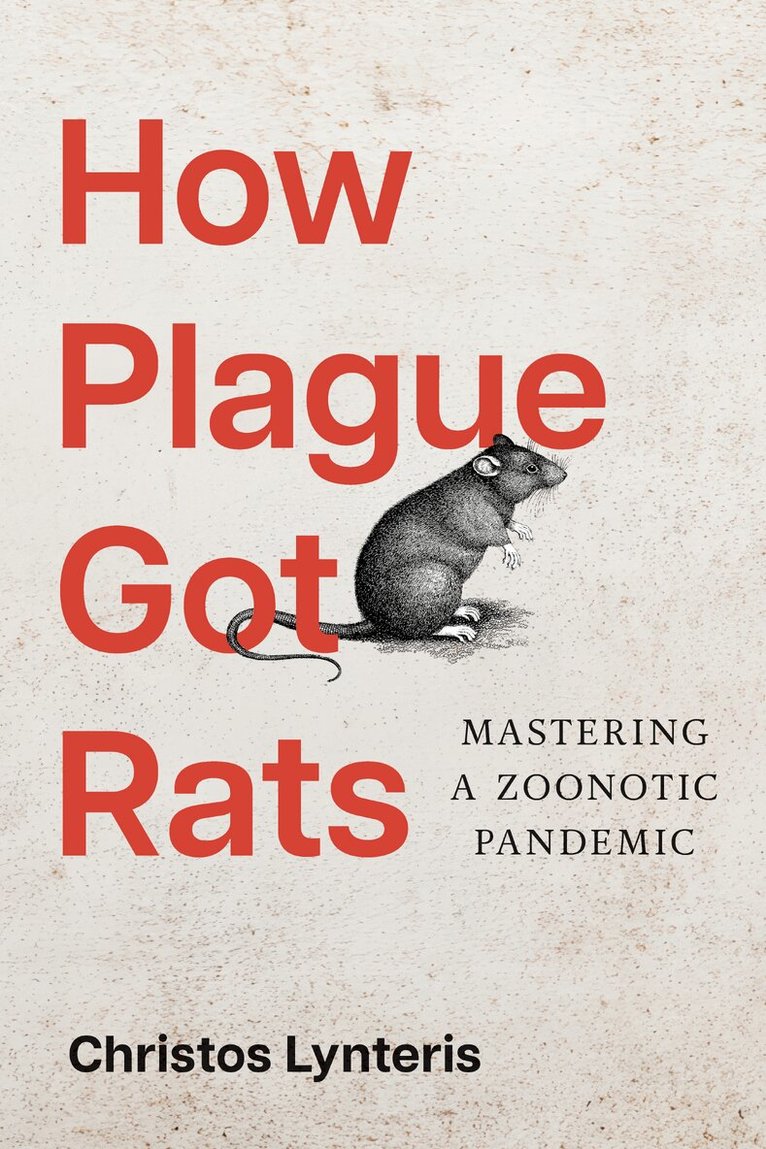
    How Plague Got Rats

    Mastering a Zoonotic Pandemic

    AvChristos Lynteris

    Häftad, Engelska, 2026

    Del i serien Epidemic Histories

    612 kr

    Skickas . Fri frakt över 249 kr.

    Beskrivning

    How modern epidemiology was born through the unlikely rise of the plague rat.Today, rats are nearly synonymous with plague, but this association is surprisingly recent. For centuries, plague devastated populations without being linked to animals. So how did the rat become the symbol of one of history's deadliest diseases? In How Plague Got Rats, Christos Lynteris unravels this story by focusing on the Third Plague Pandemic, a global outbreak that began in China in the 1850s and claimed an estimated 15 million lives by the mid-twentieth century.This was the first major pandemic recognized by scientists as zoonotic—spread from animals to humans—and it marked a turning point in both medical science and global health. Through a gripping historical investigation, Lynteris explores how rats entered the medical imagination of the time. He reveals how scientific thinking about disease vectors evolved in tandem with colonial power structures as plague responses unfolded across Asia, Africa, and the Americas. From laboratory discoveries to imperial interventions, the rat became central not just to understanding plague, but to shaping new forms of epidemiological reasoning.This provocative book shows how zoonosis emerged as a politically charged concept in the context of empire and pandemic crisis. It is a powerful history of how science, society, and colonialism converged around a creature now inseparable from the story of epidemic disease.

    Produktinformation

    • Utgivningsdatum:2026-05-19
    • Mått:152 x 229 x 21 mm
    • Vikt:544 g
    • Format:Häftad
    • Språk:Engelska
    • Serie:Epidemic Histories
    • Antal sidor:368
    • Förlag:Johns Hopkins University Press
    • ISBN:9781421454726

    Utforska kategorier

    • Samhällsmedicin och preventiv medicin inom Medicin
    • Allmän historia och världshistoria inom Historia och arkeologi
    • Naturvetenskapens historia inom Naturvetenskap och teknik

    Mer om författaren

    Christos Lynteris is a professor of medical anthropology at the University of St Andrews. He is the author of Visual Plague: The Emergence of Epidemic Photography.

    Innehållsförteckning

    • ContentsList of FiguresPrefaceIntroduction1. Staggering Rats at the End of the World2. An Epidemiological Dividual3. In Search of Lost Fleas4. Replicating Simond5. No Rats, No Plague6. The Blocked Flea7. Eco-Relating PlagueConclusionAcknowledgmentsNotesBibliographyIndex