Florida History and Culture Series – Serie
Visar alla böcker i serien Florida History and Culture Series. Handla med fri frakt och snabb leverans.
18 produkter
18 produkter
214 kr
Skickas inom 10-15 vardagar
288 kr
Skickas inom 10-15 vardagar
296 kr
Skickas inom 10-15 vardagar
A collection of essays that surveys the environmental history of the Sunshine State, from Spanish exploration onwards. It also provides a detailed overview of the reciprocal relationship between humans and Florida's peninsular ecology.
283 kr
Skickas inom 10-15 vardagar
One of the main water resources for Florida, Alabama, and Georgia, the Apalachicola River begins where the Chattahoochee and Flint rivers meet at Lake Seminole and flow unimpeded for 106 miles, through the red hills and floodplains of the Florida panhandle into the Gulf of Mexico. ""Voices of the Apalachicola"" features more than thirty individuals who have lived out their entire lives in this region, including the last steamboat pilot on the river system, sharecroppers who escaped servitude, turpentine workers in Tate's Hell, sawyers of ""old-as-Christ"" cypress, beekeepers working the last large tupelo stand, and a Creek chief descended from a 200-year unbroken line of chiefs.
283 kr
Skickas inom 10-15 vardagar
490 kr
Skickas inom 3-6 vardagar
252 kr
Skickas inom 10-15 vardagar
Suitable for anyone who loves the old Florida and has hope for the new.
287 kr
Skickas inom 3-6 vardagar
214 kr
Skickas inom 10-15 vardagar
220 kr
Skickas inom 10-15 vardagar
214 kr
Skickas inom 10-15 vardagar
269 kr
Skickas inom 10-15 vardagar
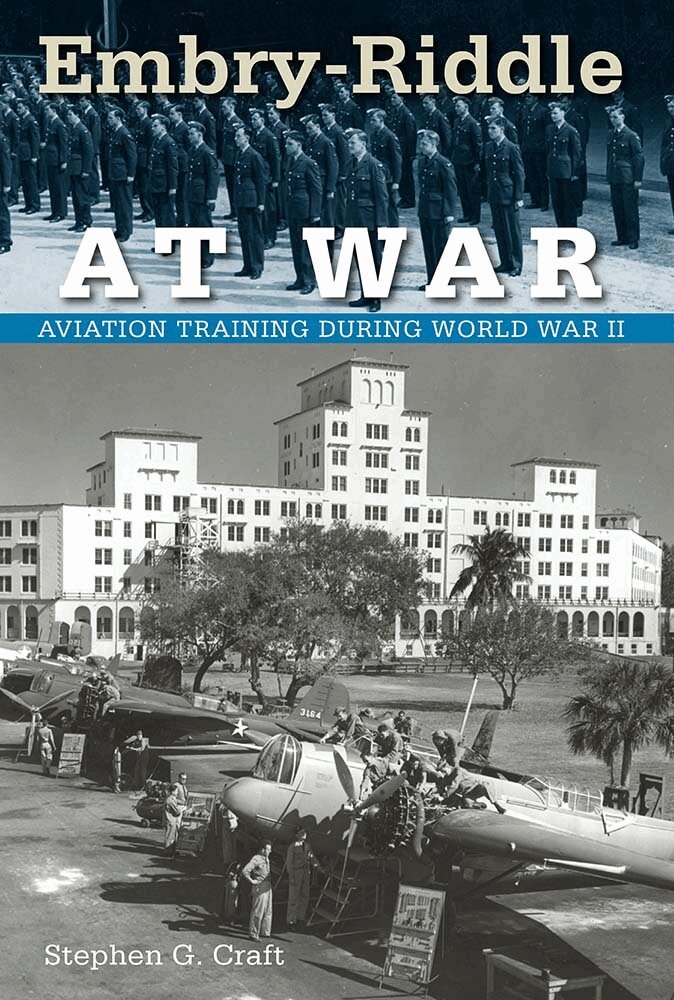
Key to the training of military pilots in World War II was the Miami-based Embry-Riddle Company, which cornered the professional aviation training market during the war years and became the standard for training pilots as well as instructors, mechanics, and aircraft factory workers. ""Embry Riddle at War"" examines the many components of aeronautical training, the evolution of a civilian company contributing to the war effort, the experiences and lives of those who participated in the school, and the crucial role Florida played in the war. Stephen Craft mines archival sources and the rich treasure trove of personal memories from the men who fought the greatest air war in history. Interviews with those who graduated from Embry-Riddle bring the story of life with rich and telling detail.
274 kr
Skickas inom 10-15 vardagar
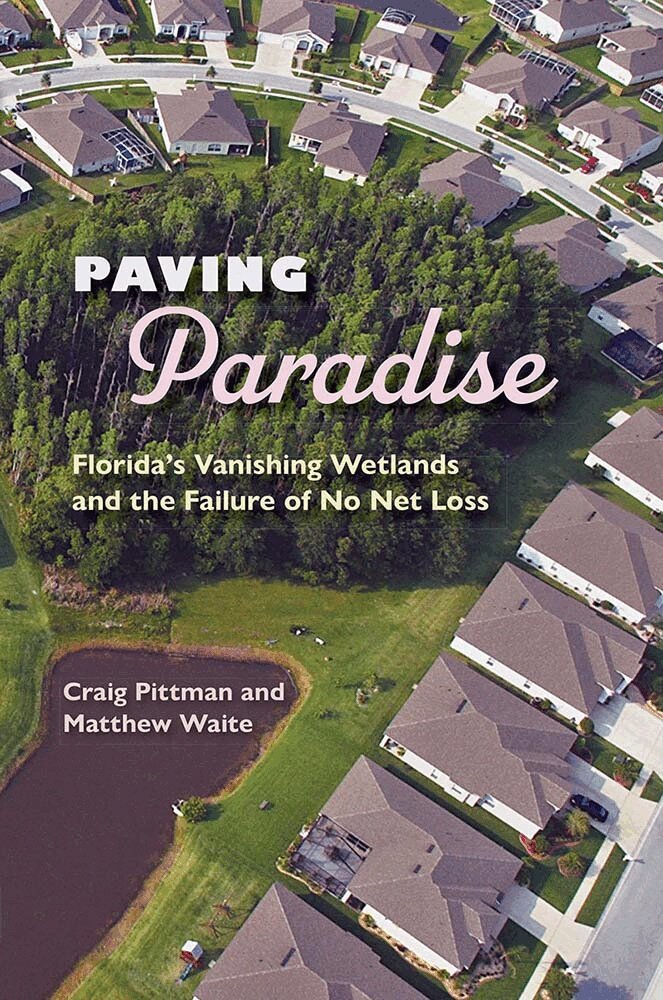
Florida possesses more wetlands than any other state except Alaska, yet since 1990 more than 84,000 acres have been lost to development - despite presidential pledges to protect them. In this hard-hitting book, ""St. Petersburg Times"" investigative journalists Craig Pittman and Matthew Waite explain how taxpayers who think they're paying for wetland protection have been stuck with a program that creates the illusion of environmental protection while doing little to stem the tide of destruction. A potent combination of groundbreaking historical research and no-holds-barred reporting, this book portrays a landscape that has been compromised by greed, fear, and incompetence.
269 kr
Skickas inom 10-15 vardagar
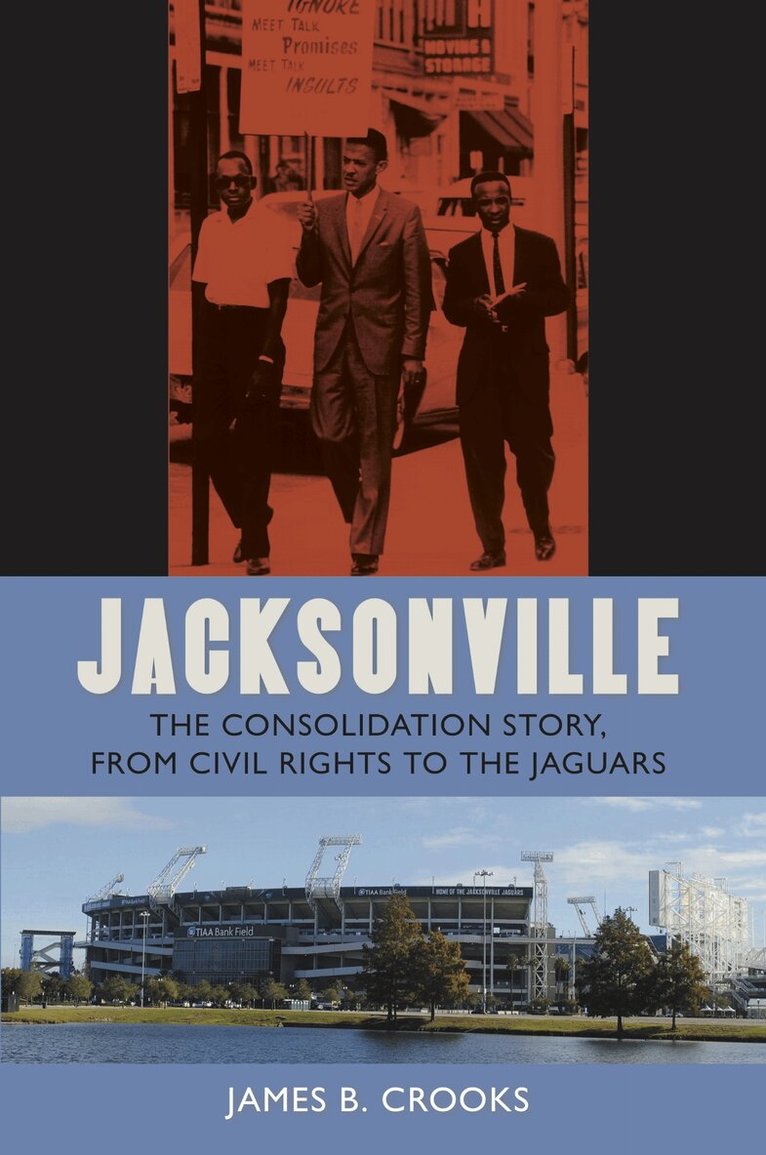
In the 1950s and '60s Jacksonville faced daunting problems. Critics described city government as boss-ridden, expensive, and corrupt. African Americans challenged racial segregation, and public high schools were disaccredited. The St. Johns River and its tributaries were heavily polluted. Downtown development had succumbed to suburban sprawl.Consolidation, endorsed by an almost two-to-one majority in 1967, became the catalyst for change. The city's decision to consolidate with surrounding Duval County began the transformation of this conservative, Deep South, backwater city into a prosperous, mainstream metropolis. James B. Crooks introduces readers to preconsolidation Jacksonville and then focuses on three major issues that confronted the expanded city: racial relations, environmental pollution, and the revitalization of downtown. He shows the successes and setbacks of four mayors-Hans G. Tanzler, Jake Godbold, Tommy Hazouri, and Ed Austin—in responding to these issues. He also compares Jacksonville's experience with that of another Florida metropolis, Tampa, which in 1967 decided against consolidation with surrounding Hillsborough County. Consolidation has not been a panacea for all the city's ills, Crooks concludes. Yet the city emerges in the 21st century with increased support for art and education, new economic initiatives, substantial achievements in downtown renewal, and laudable efforts to improve race relations and address environmental problems. Readers familiar with Jacksonville over the last 40 years will recognize events like the St. Johns River cleanup, the building of the Jacksonville Landing, the ending of odor pollution, and the arrival of the Jaguars NFL franchise. During the administration of Mayor Hazouri from 1987 to 1991, Crooks was Jacksonville historian-in-residence at City Hall. Combining observations from this period with extensive interviews and documents (including a cache of files from the mezzanine of the old City Hall parking garage that contained 44 cabinets of letters, memos, and reports), he has written an urban history that will fascinate scholars of politics and governmental reform as well as residents of the First Coast city.
214 kr
Skickas inom 10-15 vardagar
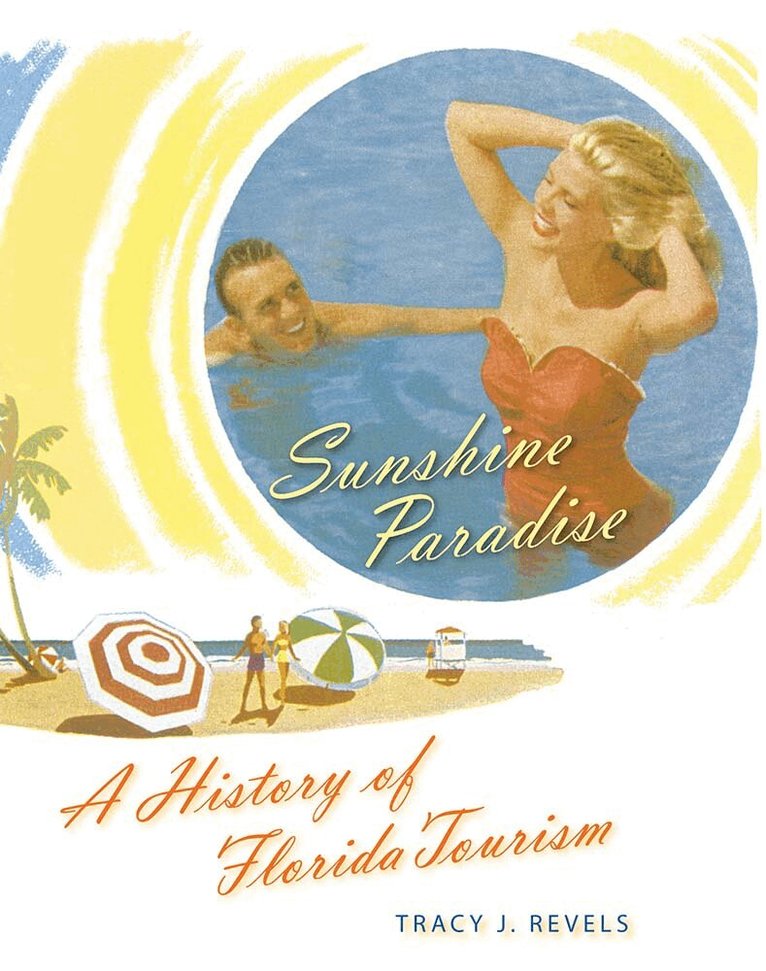
How tourism shaped the Sunshine State.For nearly two hundred years, Floridians have eagerly exploited tourism as the key to economic prosperity. As a result, the state has constantly reshaped and remodeled itself as different types of tourist heavens, and many aspects of its history have become inseparable from the fantastic images created by the tourism industry. From spa retreats to nature preserves, from riverboat rides to roller coasters, and from railroads to theme parks, the state's dependence on tourism has greatly shaped its identity.Sunshine Paradise is the first book to focus exclusively on how - and why - tourism came to define Florida. Offering a concise look at the subject from the 1820s to the present, Tracy Revels demonstrates tourism's relevance to all other major aspects of Florida history, including the Civil War, the land boom, and civil rights.In this enjoyable and well-written history, Revels shows how Florida's tourism industry has remained adaptive and expansive, ready to sell the next version of paradise to northerners hungry for sunshine. She also explains why the state’s business and political leaders must consider the history of tourism development as they plan for the state's future.
334 kr
Skickas inom 3-6 vardagar
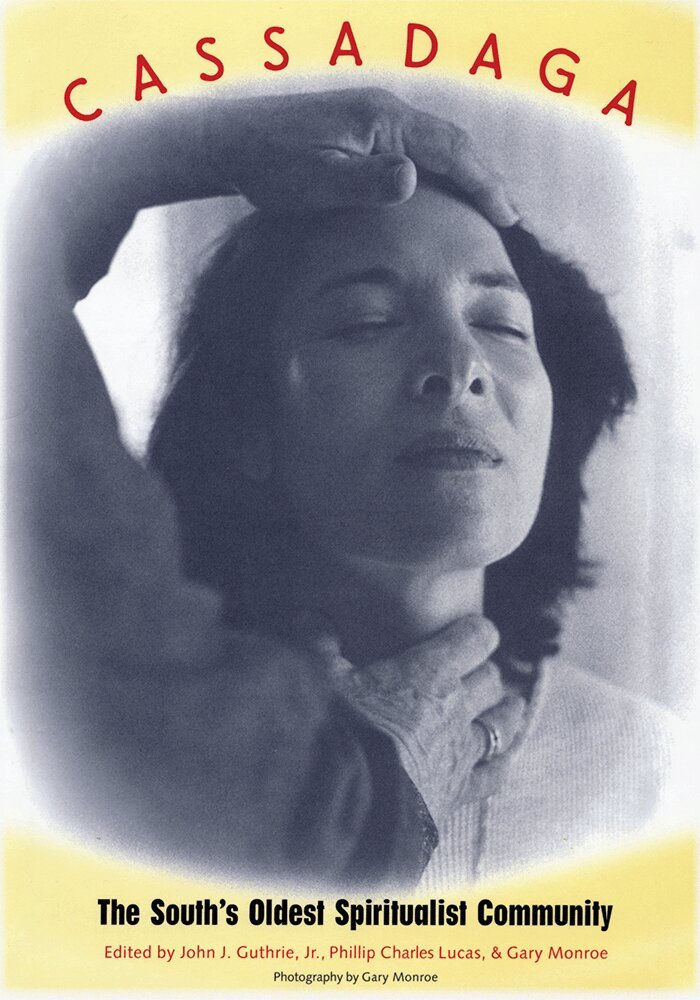
The story of a small Florida community that has drawn spiritual seekers for over 125 yearsCalling itself a "metaphysical mecca," the small town of Cassadaga, between Orlando and Daytona Beach in central Florida, was established more than 125 years ago on the principle of continuous life, the idea that spirits of the dead commune with the living. Though the founders of Cassadaga have passed on to the "spirit plane," the quaint Victorian town remains the oldest continuously active Spiritualist center in the South and was added to the National Register of Historic Places in 1991. While the community has often been sensationalized and misrepresented, this is the first serious work to examine its history, people, cultural environment, and religious system.After presenting an overview of nineteenth-century religion, the book explores the town's early years, distinctive architecture, ritual life, core beliefs, healing work, and view of the future. It also probes the extent to which Cassadaga has assimilated New Age beliefs and reflects larger trends in contemporary American religious culture.The study includes a group biography based on interviews with four residents, plus a chapter on the colorful life of Eloise Page, a practicing medium in Cassadaga for more than 40 years. In addition, it features 47 photographs that guide readers through the town and portray residents engaged in various sacred and everyday activities.
254 kr
Kommande
A compelling story of scandal and reform at the highest levels of state governmentIn the 1970s, justices on the Florida Supreme Court were popularly elected. But a number of scandals threatened to topple the court until public outrage led to profound reforms and fundamental changes in the way justices were seated.One justice abruptly retired after being filmed on a high-roller junket to Las Vegas. Two others tried to fix cases in lower courts on behalf of campaign supporters. A fourth destroyed evidence by shredding his copy of a document into "seventeen equal" strips of paper that he then flushed down a toilet.As the journalist who wrote most of the stories that exposed these events, Martin Dyckman played a key role in revealing the corruption, favoritism, and cronyism then rampant in the court.A Most Disorderly Court recounts this dark period in Florida politics, when stunning revelations regularly came to light. He also traces the reform efforts that ultimately led to a constitutional amendment providing for the appointment of all Florida's appellate judges, and emphasizes the absolute importance of confidential sources for journalists.
246 kr
Kommande
The story of a power struggle that dominated Florida politics for decadesThe power struggle between Claude Pepper and Ed Ball in the mid-twentieth century impacted the future of Florida. This lively account of their interlocking careers—both dominated by a personal quest for power, money, and purpose—illuminates the historical role of these two forceful personalities.Ed Ball, brother-in-law of Alfred I. duPont and trustee of the duPont empire, was at one time the single most powerful businessman in the state. Claude Pepper, a senior U.S. senator, was the state’s heir to the liberal legacy of New Deal politics. By mid-century, the duPont-Ball empire controlled a major part of the Florida business and political establishment—-but not Claude Pepper.Tracy Danese, whose law career often brought him into close contact with Florida's political scene, describes the economic setting in Florida when Ball and Pepper arrived in the twenties and the prelude to their conflicts, and shows how their careers developed in tandem throughout the depression era and World War II and its aftermath. He discusses milestones in this story: Pepper’s unopposed election in 1936, influenced by corruption in Hillsborough County politics in the 1934 senate election; conflict between Pepper and Ball over the presidential veto of a 1944 war funding measure; their acrimonious struggle over ownership of the Florida East Coast Railway; the famous railroad strike that led to measures that forced the duPont trust to divest itself of the largest banking chain in Florida; and their final titanic clash over the senatorial election of 1950.With a strange blend of principled behavior and personal ambition, the men personified the ambiguous nature of politics. Ed Ball adamantly upheld what he viewed as his property rights; Pepper unabashedly sought political power. This story will be welcomed by historians, political scientists, and general readers alike.