Florida in Focus - Böcker
Visar alla böcker i serien Florida in Focus. Handla med fri frakt och snabb leverans.
8 produkter
8 produkter
199 kr
Skickas inom 10-15 vardagar
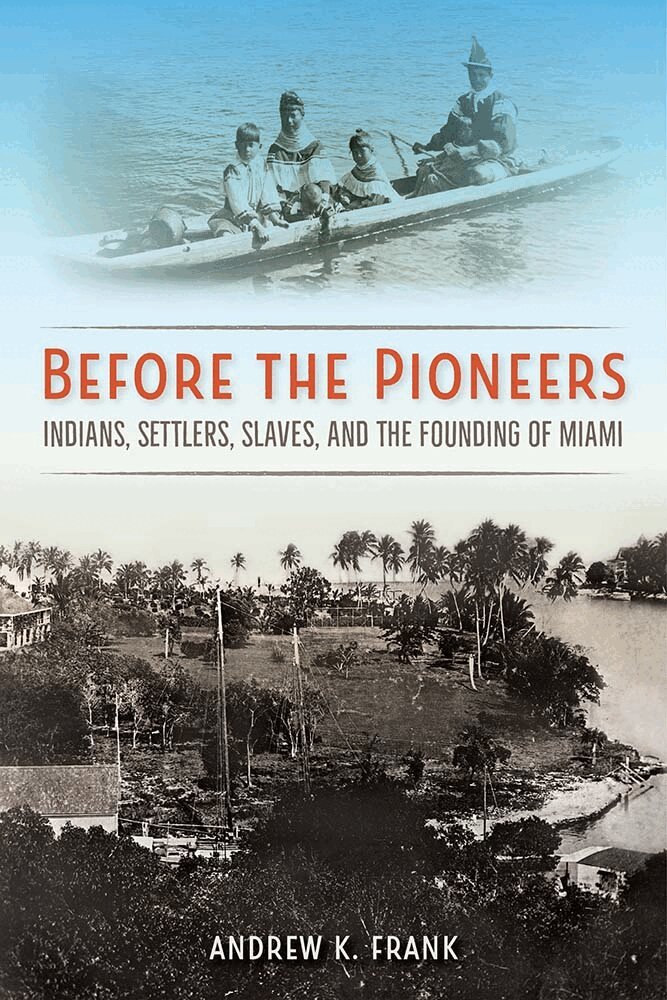
Formed seemingly out of steel, glass, and concrete, with millions of residents from around the globe, Miami has ancient roots that can be hard to imagine today. Before the Pioneers takes readers back through forgotten eras to the stories of the people who shaped the land along the Miami River long before most modern histories of the city begin.Andrew Frank begins the chronicle of the Magic City’s long history 4,000 years ago when Tequesta Indians settled at the mouth of the river, erecting burial mounds, ceremonial centers, and villages. They created a network of constructed and natural waterways through the Everglades and trade routes to the distant Calusa on the west coast. Centuries later, the area became a stopover for Spanish colonists on their way to Havana, a haven where they could shelter from storms and obtain freshwater, lumber, and other supplies. Frank brings to life the vibrant colonies of fugitives and seafarers that formed on the shores of Biscayne Bay in the eighteenth century. He tells of the emergence of the tropical fruit plantations and the accompanying enslaved communities, as well as the military occupation during the Seminole Wars. Eventually, the small seaport town flourished with the coming of “pioneers” like Julia Tuttle and Henry Flagler who promoted the city as a place of luxury and brought new waves of residents from the North.Frank pieces together the material culture and the historical record of the Miami River to re-create the fascinating past of one of the world’s most influential cities.
389 kr
Skickas inom 3-6 vardagar
Formed seemingly out of steel, glass, and concrete, with millions of residents from around the globe, Miami has ancient roots that can be hard to imagine today. Before the Pioneers takes readers back through forgotten eras to the stories of the people who shaped the land along the Miami River long before most modern histories of the city begin.Andrew Frank begins the chronicle of the Magic City’s long history 4,000 years ago when Tequesta Indians settled at the mouth of the river, erecting burial mounds, ceremonial centers, and villages. They created a network of constructed and natural waterways through the Everglades and trade routes to the distant Calusa on the west coast. Centuries later, the area became a stopover for Spanish colonists on their way to Havana, a haven where they could shelter from storms and obtain freshwater, lumber, and other supplies. Frank brings to life the vibrant colonies of fugitives and seafarers that formed on the shores of Biscayne Bay in the eighteenth century. He tells of the emergence of the tropical fruit plantations and the accompanying enslaved communities, as well as the military occupation during the Seminole Wars. Eventually, the small seaport town flourished with the coming of “pioneers” like Julia Tuttle and Henry Flagler who promoted the city as a place of luxury and brought new waves of residents from the North.Frank pieces together the material culture and the historical record of the Miami River to re-create the fascinating past of one of the world’s most influential cities.
751 kr
Skickas inom 10-15 vardagar
This seventh volume of the Flora of Florida collection continues the definitive and comprehensive identification manual to the Sunshine State's 4,400 kinds of native and non-native ferns and fern allies, nonflowering seed plants, and flowering seed plants. Volume VII concludes the taxonomic treatments of Florida's dicotyledons. Florida has the third most diverse vascular plant flora of any state in the United States, and the Flora of Florida volumes include all indigenous and naturalized taxa currently known to occur within its borders. With keys to family, genus, and species, and with genera and species within each family arranged alphabetically for easy reference, these volumes are the standard reference for botanists, researchers, consultants, and students alike.
303 kr
Skickas inom 10-15 vardagar
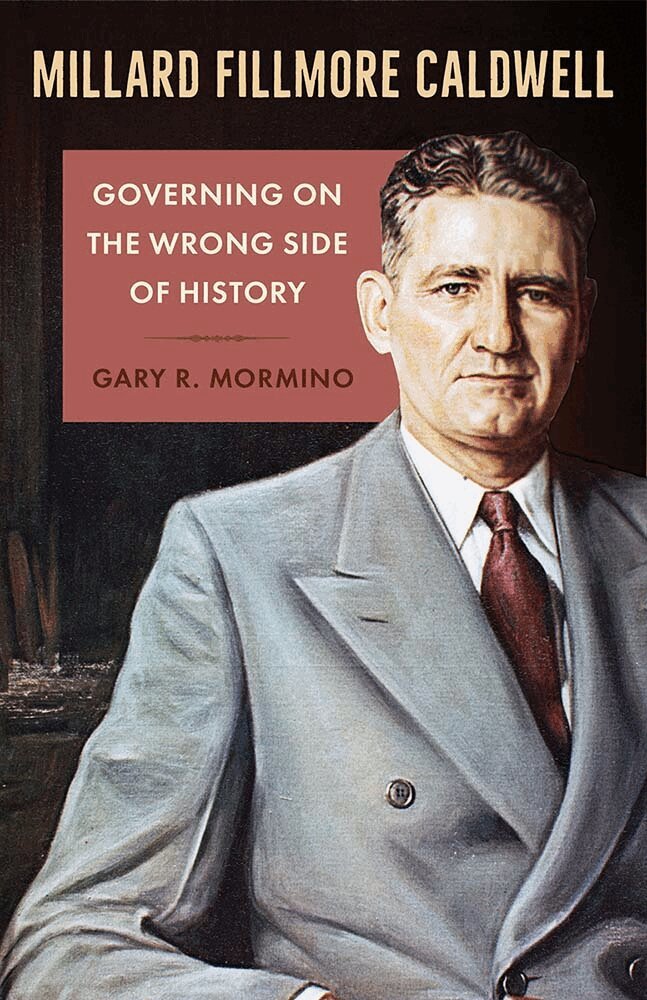
When actions of the past clash with the values of today.Millard Fillmore Caldwell (1897–1984) was once considered one of the greatest Floridians of his generation. Yet today he is known for his inability to adjust to the racial progress of the modern world. In this biography, leading Florida historian Gary Mormino tackles the difficult question of how to remember yesterday's heroes who are now known to have had serious flaws.The last Florida governor born in the nineteenth century and the first to govern in the atomic age, Caldwell was beloved in his time for leading the state through the hard years of World War II. He was wildly successful in a political career that may never be matched, serving as governor, congressman, state legislator, and chief justice of the Florida Supreme Court. He passed important educational reform legislation. But his attitudes toward race and citizenship strike Americans today as embarrassing, if not shocking. He refused to address black leaders by their titles. He argued for segregated bomb shelters. And he accepted lynching as part of the southern way of life.Mormino measures the contributions of Caldwell alongside his glaring faults, discussing his complicated role in shaping modern Florida. In the current debates surrounding public memorials and historical memory in the United States, Millard Fillmore Caldwell is a timely example of one man's contested legacy.
1 211 kr
Skickas inom 10-15 vardagar
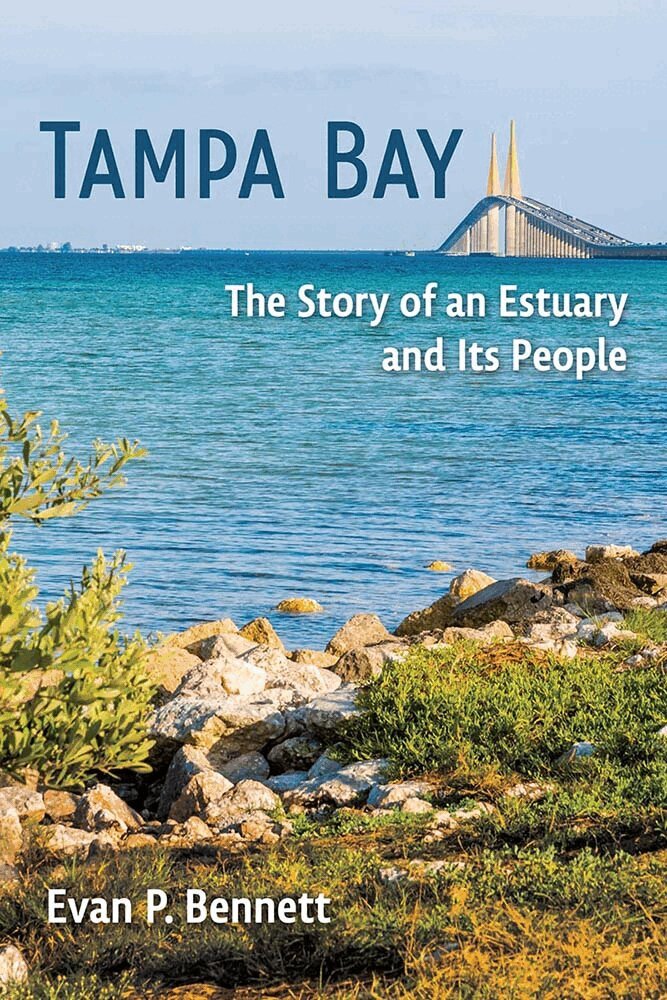
Exploring the environmental history of an important natural areaThe largest open water estuary in Florida, Tampa Bay has been a flashpoint of environmental struggles and action in recent years. This book goes beneath today’s news headlines to explore how people have interacted with nature in the region throughout its long history. In Tampa Bay, Evan Bennett reveals that humans have been part of the Bay’s ecology since the estuary took its modern form 2,000 years ago, along with the communities of fish, birds, reptiles, and mammals that proliferated in its seagrass meadows, tidal salt flats, and mangrove forests. Bennett discusses the natural resources that drew people to settle there, the trade that encouraged development, and the shipping and industry that increased biological and ecological change. While the past 150 years have seen serious environmental damage from dredging, water pollution, red tides, and more, Bennett shows how people have been fighting to clean up the Bay and regain a balance with nature. Informed by the latest in marine science, area environmentalists, policymakers, and citizens are working to create a model for other societies that have developed in fragile natural areas. The first book to examine the environmental history of the region, Tampa Bay uncovers deep-rooted relationships between water, land, and people and offers hope for bringing threatened coastal spaces back from the brink. A volume in the series Florida in Focus, edited by Andrew K. Frank
1 211 kr
Skickas inom 10-15 vardagar
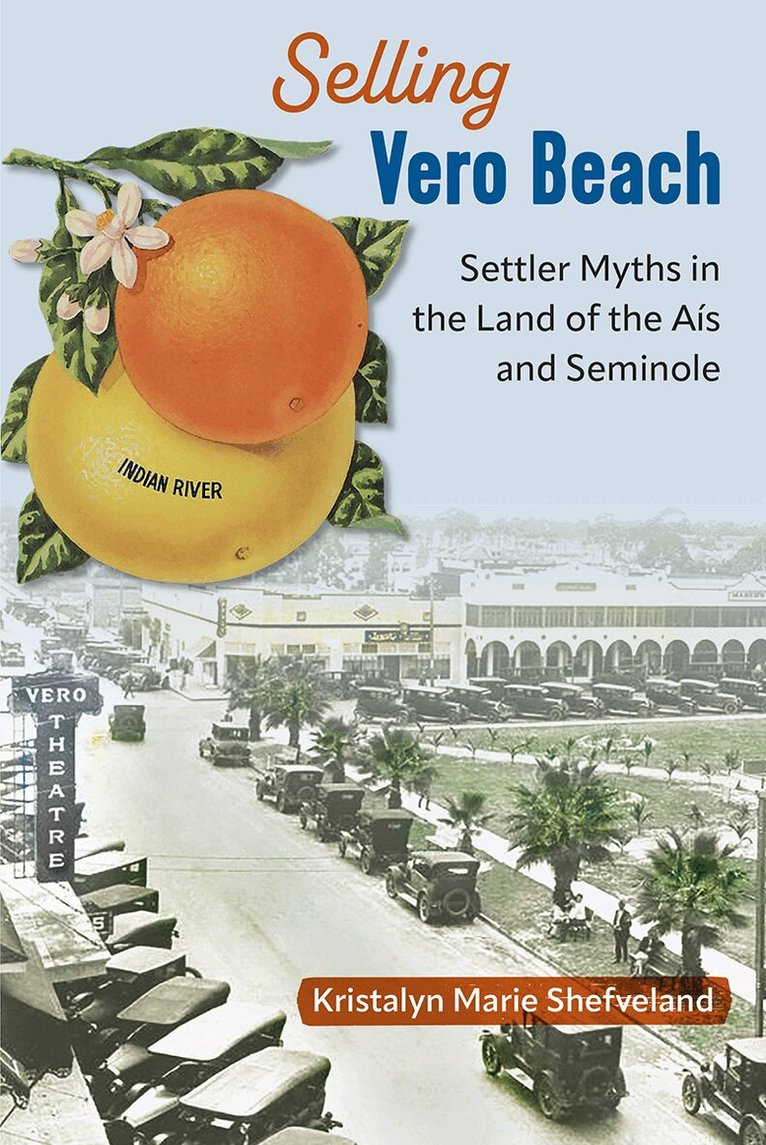
Separating “Old Florida” myths from realities in a tourist haven with a deep Indigenous pastThemes of unspoiled paradise tamed by progress can be seen in stories about pioneer history across the United States, especially in Florida. Selling Vero Beach explores how settlers from northern states created myths about the Indian River area on Florida’s Atlantic Coast, importing ideas about the region’s Indigenous peoples and marketing the land as an idyllic, fertile place of possibilities.In this book, Kristalyn Shefveland describes how in the Gilded Age, Indian River Farms Company and other boosters painted the region as a wild frontier, conveniently accessible by train via Henry Flagler’s East Coast Railway. Shefveland provides an overview of local Aís and Seminole histories that were rewritten by salespeople, illustrates how agricultural companies used Native peoples as motifs on their fruit products, and includes never-before-published letters between Vero Beach entrepreneur Waldo Sexton and writer Zora Neale Hurston that highlight Sexton’s interest in story-spinning and sales. Selling Vero Beach unpacks real and fabricated pasts, showing how the settler memory of Florida distorted or erased the fascinating actual history of the region. With a wide variety of stories invented to lure investors and tourists, many of which circulate to this day in a place that remains a top vacation destination, Vero Beach is an intriguing example of why and how certain pasts were concocted to sell Florida land and products.A volume in the series Florida in Focus, edited by Andrew K. Frank
281 kr
Skickas inom 10-15 vardagar
Exploring the environmental history of an important natural areaThe largest open water estuary in Florida, Tampa Bay has been a flashpoint of environmental struggles and action in recent years. This book goes beneath today’s news headlines to explore how people have interacted with nature in the region throughout its long history. In Tampa Bay, Evan Bennett reveals that humans have been part of the Bay’s ecology since the estuary took its modern form 2,000 years ago, along with the communities of fish, birds, reptiles, and mammals that proliferated in its seagrass meadows, tidal salt flats, and mangrove forests. Bennett discusses the natural resources that drew people to settle there, the trade that encouraged development, and the shipping and industry that increased biological and ecological change. While the past 150 years have seen serious environmental damage from dredging, water pollution, red tides, and more, Bennett shows how people have been fighting to clean up the Bay and regain a balance with nature. Informed by the latest in marine science, area environmentalists, policymakers, and citizens are working to create a model for other societies that have developed in fragile natural areas. The first book to examine the environmental history of the region, Tampa Bay uncovers deep-rooted relationships between water, land, and people and offers hope for bringing threatened coastal spaces back from the brink. A volume in the series Florida in Focus, edited by Andrew K. Frank
322 kr
Skickas inom 10-15 vardagar
Separating “Old Florida” myths from realities in a tourist haven with a deep Indigenous pastThemes of unspoiled paradise tamed by progress can be seen in stories about pioneer history across the United States, especially in Florida. Selling Vero Beach explores how settlers from northern states created myths about the Indian River area on Florida’s Atlantic Coast, importing ideas about the region’s Indigenous peoples and marketing the land as an idyllic, fertile place of possibilities.In this book, Kristalyn Shefveland describes how in the Gilded Age, Indian River Farms Company and other boosters painted the region as a wild frontier, conveniently accessible by train via Henry Flagler’s East Coast Railway. Shefveland provides an overview of local Aís and Seminole histories that were rewritten by salespeople, illustrates how agricultural companies used Native peoples as motifs on their fruit products, and includes never-before-published letters between Vero Beach entrepreneur Waldo Sexton and writer Zora Neale Hurston that highlight Sexton’s interest in story-spinning and sales. Selling Vero Beach unpacks real and fabricated pasts, showing how the settler memory of Florida distorted or erased the fascinating actual history of the region. With a wide variety of stories invented to lure investors and tourists, many of which circulate to this day in a place that remains a top vacation destination, Vero Beach is an intriguing example of why and how certain pasts were concocted to sell Florida land and products.A volume in the series Florida in Focus, edited by Andrew K. Frank