Folk Art and Artists Series - Böcker
Visar alla böcker i serien Folk Art and Artists Series. Handla med fri frakt och snabb leverans.
8 produkter
8 produkter
324 kr
Skickas inom 10-15 vardagar
Art can appear in the most unexpected places. Muffler men, for example, have become one of the most striking and remarkable of recent folk art creations. From Walla Walla to Daytona, quirky mannikins constructed from discarded automobile mufflers are popping up across America. Cobbled together as business signposts, these comical sculptures are sprouting outside automotive repair shops everywhere.Car debris harmonizes with human anatomy as rusty cast-offs assume a new identity as savvy objets d'art. Signage turns into art as mechanics fashion cowboys, dogs, robots, space aliens, and a host of other creatures from metal scraps of the profession and with the aid of their workaday tools and acetylene.If for only a passing moment, the muffler men enliven the roadside and help to break up the monotony of daily commutes. More than mere advertisements, they interact with their communities by greeting the passerby. The significance of muffler sculptures turns profound when they become local celebrities and are hailed as community landmarks.But, what do they mean? For the creative mechanic who made them, they are exclamatory signposts and store mascots. For the academic folklorists who analyze them, they are symbolic icons with cultural meanings that proclaim individual identity and group membership. For the collectors who treasure them, they are exemplars of ""outsider art."" For most non-specialists who wave as they speed past, they are funky delights.This colorful book documents the widespread appeal of muffler men as a form of occupational art that enriches the workplace, the local environment, and now the art gallery.
368 kr
Skickas inom 10-15 vardagar
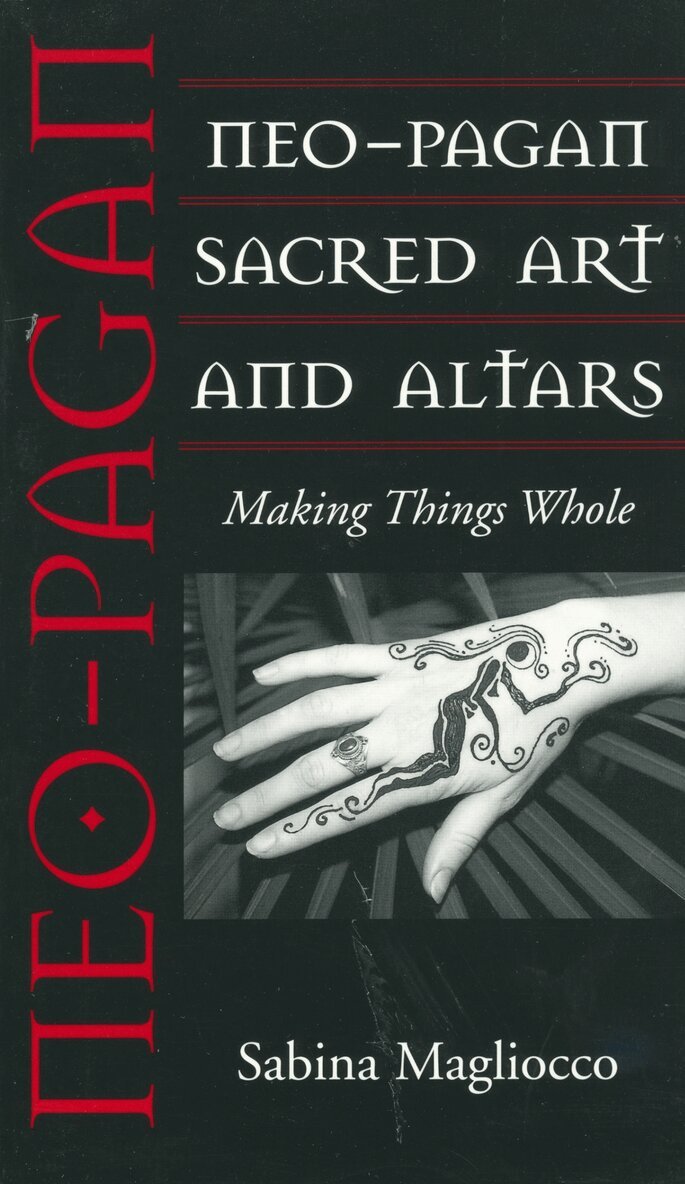
Fire-cat masks, earth mother icons, henna tattoos, ankhs, and water altars--these objects may sound like the inventory in an ancient druid's sanctuary. But they are part of the sacred reliquary created by contemporary artists and practitioners of Neo-Pagan ritual.Calling themselves ""witches"" and ""pagans"" and drawing inspiration from pre-Christian polytheistic worship, the practitioners of Neo-Paganism have often been misunderstood by outsiders. In the uninitiated, their art and iconography have inspired fear.In featuring the works of ten artists, Sabina Magliocco's Neo-Pagan Sacred Art and Altars unlocks the meanings of this religion's creativity and symbolism and makes its sacred nature understandable to non-specialists.A stunning array of color plates and halftones will touch the imagination of insiders and outsiders alike, revealing the imaginative skills of some of the movement's most celebrated artists, as well as amateurs working at home with family and friends.These masks and altars, earrings and necklaces create one of the Neo-Pagan movement's most striking features--its ritual art. Yet this is one of the first books to focus on these spiritual objects rather than on the sociology and psychology of the followers. The odd array of costumes and jewelry, as well as the juxtaposition of neo-primitive and medieval-looking styles, troubles outsiders and contributes to the movement's undeserved reputation for attracting eccentrics. Yet its sacred art is part of one of the most flourishing contemporary traditions in the United States.
379 kr
Skickas inom 10-15 vardagar
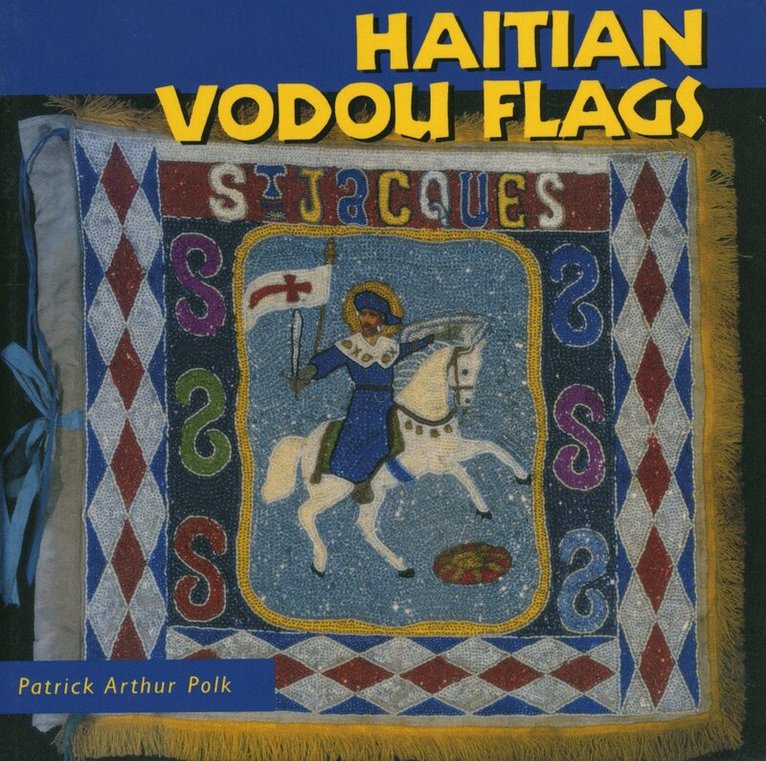
Once little known outside of Haiti, Vodou flags (drapo Vodou), dazzling in color and imagery, have become popular commodities in the international art market. Works by such notable Haitian artists as Silva Joseph, Antoine Oleyant, and Yves Telemak now grace the walls of museums, art galleries, and private homes throughout the world.The fascinating, colorful collection of drapo Vodou included in this book reveals the importance of Vodou flags in the Haitian culture. Shimmering with sequins and reflected light, they capture the attention of Vodou practitioners and art lovers alike.In showcasing the Vodou flags and the artists who create them, this book also offers a striking revelation of the gods (Iwa) that inhabit the Vodou spirit world.
379 kr
Skickas inom 10-15 vardagar
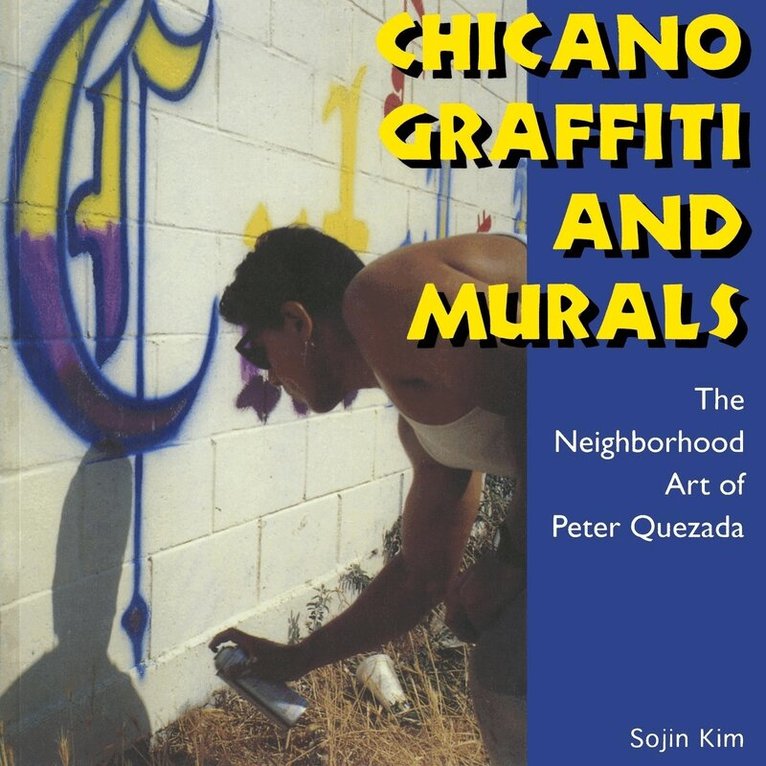
For almost a decade Peter Quezada, a prolific self-taught artist, painted murals and lettering on buildings and retaining walls in neighborhoods northeast of downtown Los Angeles. He refers to his work as a ""graffiti deterrent"" or a ""substitute for graffiti,"" and he targets sites that are favorites of taggers and gang graffiti writers. Often he enlists their assistance and designs his murals to appeal to these youths as well as to discourage them from participating in antisocial behavior.Highlighting the interplay of contemporary life, mass-media images that confront the public, and the use of physical space in the city landscape, Chicano Graffiti and Murals shows how such art as Quezada's has become the signature of modern urban culture.
379 kr
Skickas inom 10-15 vardagar
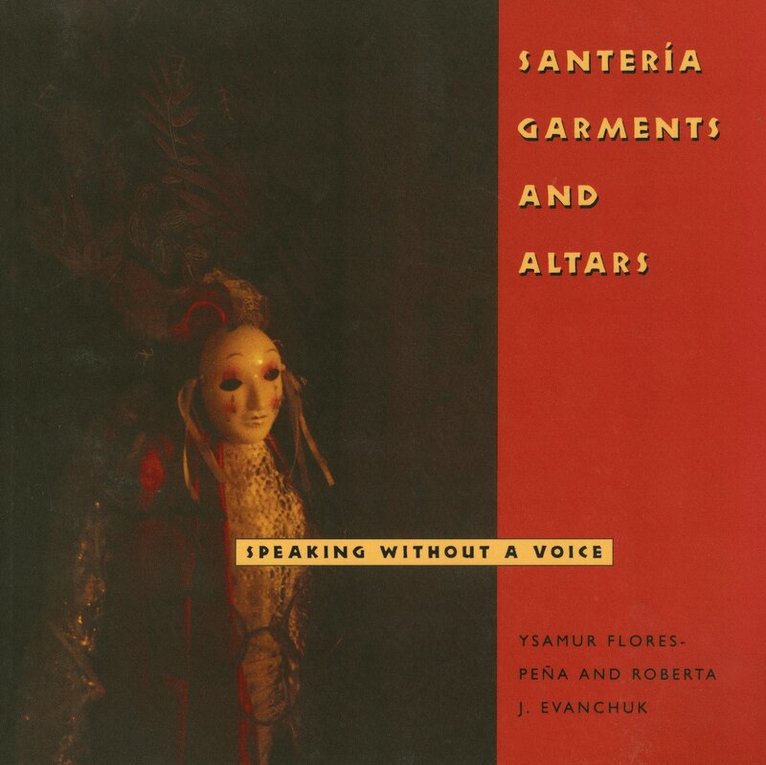
Santería, also called Lucumi or Orisha Worship by its practitioners, originated in Nigeria among the Yoruba people. It took shape in Cuba during and after the slave trade and reached North America through Afro-Caribbean immigration. As the fastest growing African-based religion in the United States, Santería has stimulated many publications, but none prior to this book noted the special significance of its art and artists.In Santería Garments and Altars, for the first time, two distinguished folklorists and practitioners of the faith focus upon the artistry of garments and altars that are intrinsic to the worship. Detailed here is information about their design and creation, the artists who make them, and the importance of aesthetics as text in the religious celebration.
379 kr
Skickas inom 10-15 vardagar
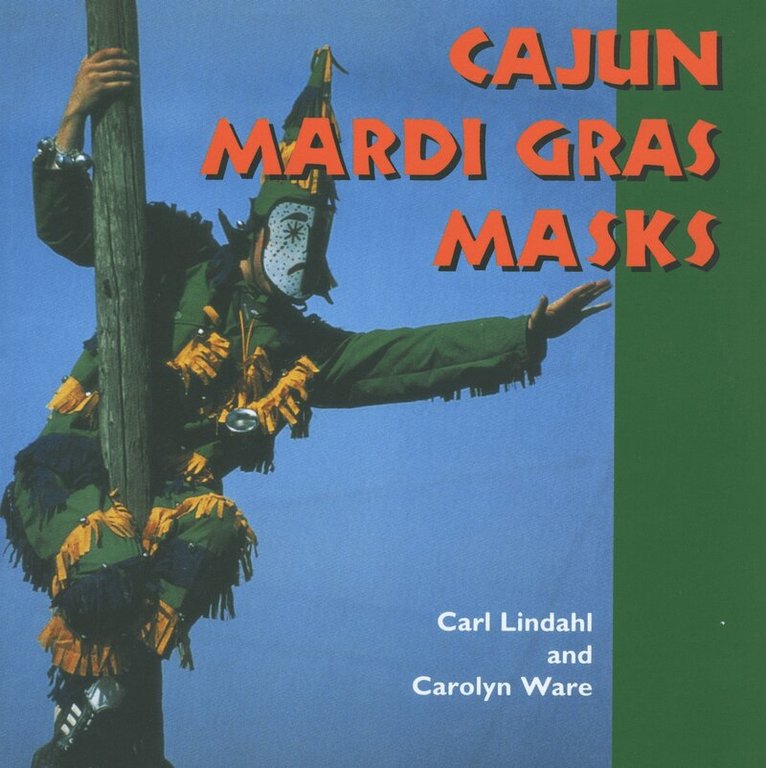
Every winter a handful of Cajun Louisiana folk artists assembles unlikely mixtures of material to shape masks for their Cajun Mardi Gras celebrations. They use window screens, chicken feathers, yarn, hair, Magic Markers, and hot glue as they create fanciful, even bizarre masks that will be worn just one day in the year.Such creations transform their wearers into wild revelers who move through the countryside singing, dancing, and begging for money and food. As they generate merriment, they climb trees, chase chickens, and create a general and playful havoc.Cajun Mardi Gras celebrants are unlike their counterparts in New Orleans, where masked revelers ride through the streets on floats or parade serenely through ballrooms. The masked country Cajuns engage in rousing, physically energetic performances as they cavort through the countryside. Out of necessity their captivating masks combine the ingredients of durability, shock value, and allure with age-old folk patterns and innovations from contemporary culture.Here is a study of the Cajun Mardi Gras tradition and its manifestation in the work of six of the most creative and popular folk artists in two rural communities. Potic Rider and the Moreau and LeBlue families represent the male maskmaking traditions of Basile, Louisiana. Suson Launey, Renee Fruge, and Jackie Miller portray the female role in festivities held in the rural region of Tee Mamou. As the communities celebrate, their masks become an intrinsic component of the annual rites. This book introduces the artists, the performances, and processes of creating the fantastical masks.
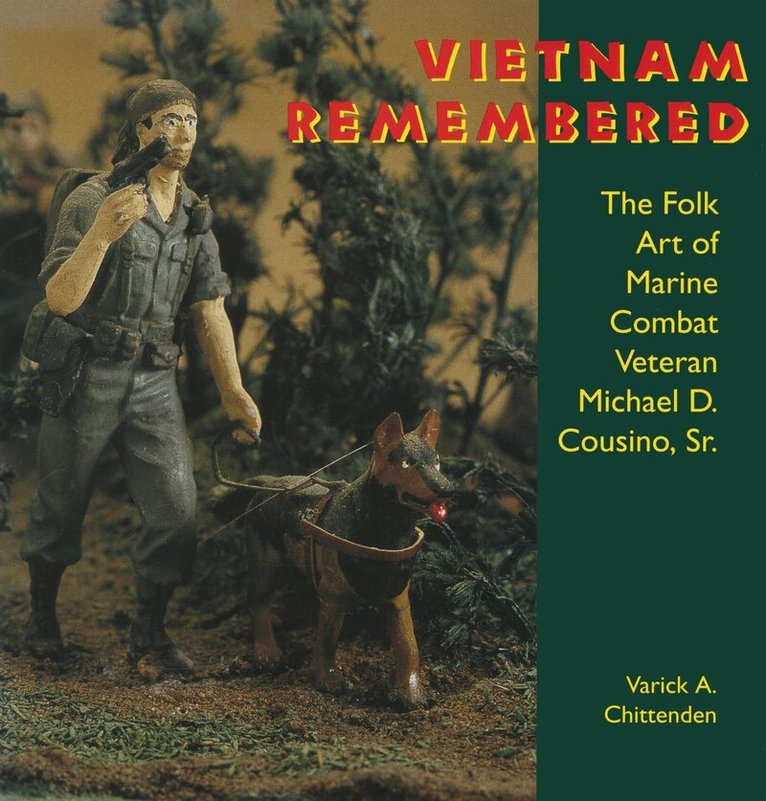
Vietnam Remembered
The Folk Art of Marine Combat Veteran Michael D. Cousino, Sr.
Häftad, Engelska, 2011
379 kr
Skickas inom 10-15 vardagar
324 kr
Skickas inom 10-15 vardagar
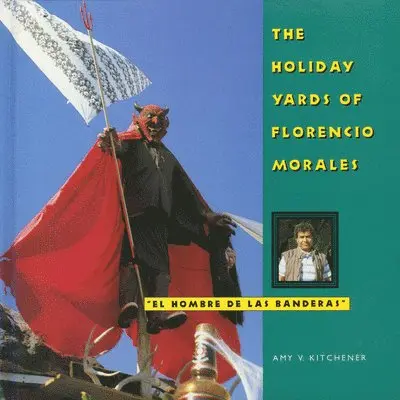
Florencio Morales (1949-1992), a Mexican immigrant and Los Angeles artist who fashioned elaborate assemblages in his front yard, was known as ""el hombre de las banderas"" (""the man of the flags"") because he always flew American, Mexican, and California flags over his home.Illustrated with color photographs that show the brilliance of his art, this vibrant book explores and documents Morale's creative expression as he commemorated a profusion of Mexican and American holidays throughout the year. Over a period of twelve years until his death he created exhibits for Halloween, Thanksgiving, Christmas, St. Valentine's day, Easter, Cinco de Mayo, Mother's Day, Memorial Day, the Fourth of July, the anniversary of the Treaty of Teoloyucan (August 13), and Mexican Independence Day. These displays served as settings for extravagant and spirited celebrations within the local community. Created from ""found"" materials and from bits and pieces gathered from scores of sources, Morales's assemblages intrigued and stimulated his audiences. His yard served as gathering places where strangers and friends could interact.In ritual, folk art, legends, beliefs, foodways, and music, his yard exhibits express the vitality of Mexican folklore adapted to a new setting, urban Los Angeles. By drawing upon dynamic symbols from his heritage and combining elements from American and Mexican culture, Morales communicated his dual identity.In acknowledging the artist's influences, motivations, and aesthetics, this fascinating book provides a rich understanding of the man and his art, as well as the interplay between the artist, his creations, and the community.